Architecture in Czerwionka-Leszczyny means a manor and a palace, a workers' estate of red brick and a Baroque church in Dębieńsko.
The buildings stand in different parts of the town: Czuchów, Leszczyny and Dębieńsko. Each comes from a different era and was built for a different purpose.
Which historic buildings are worth seeing in Czerwionka-Leszczyny?
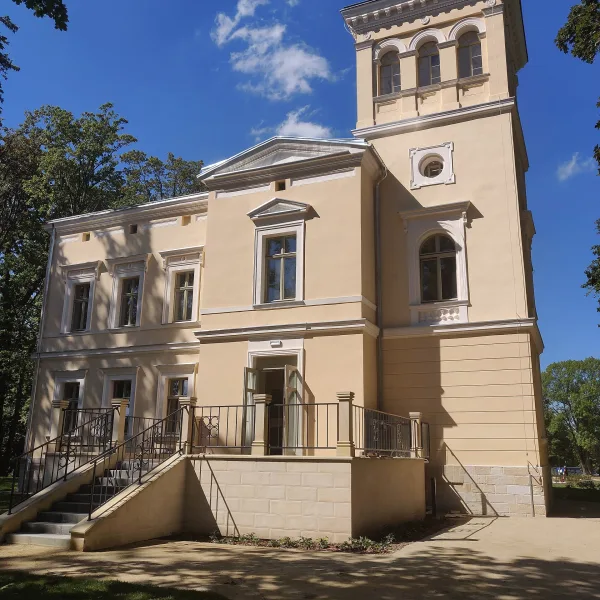
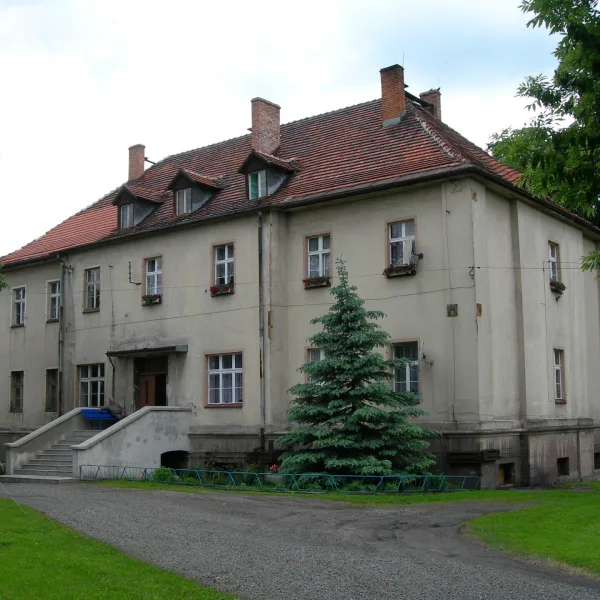
The Manor House in Czuchów is a Neoclassical brick building from the late eighteenth century on 3 Maja Street, rebuilt many times; it stands in a landscape park that also holds a chapel. The Palace in Leszczyny of 1882-1883 looks like a Neo-Renaissance villa of the Italian type; left of the entrance rises a two-storey tower on a square plan.
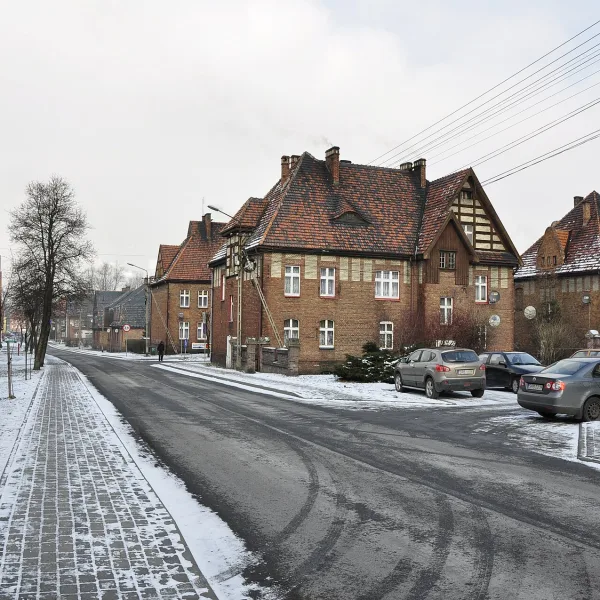
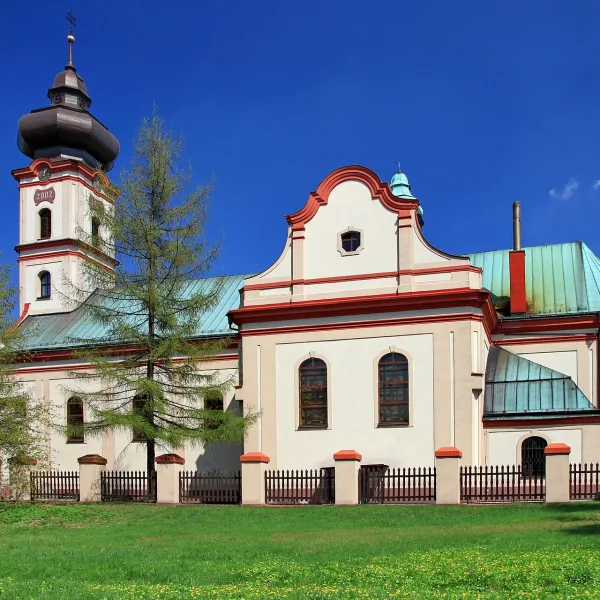
The Workers' Housing Estate of the Dębieńsko Coal Mine has 84 red-brick houses spread over roughly 15 hectares; they went up in 1898-1916 and belong to the Industrial Monuments Route. St George's Church in Dębieńsko is Baroque, extended in 1912, and keeps three bells from the sixteenth century.
Frequently asked questions
How big is the workers' estate by the Dębieńsko mine?
There are 84 houses, added in stages along the streets Mickiewicza, Kombatantów, Hallera, Słowackiego, Wolności and Szkolna.
Is the manor in Czuchów a castle?
It is sometimes called one, but it is a Neoclassical manor that, after many alterations, has no clear stylistic features today. More buildings are in the Architecture section and on the page for Czerwionka-Leszczyny.

 Historic sites