Monuments in Czerwionka-Leszczyny include a neoclassical manor house in Czuchów, a palace in Leszczyny and the brick Dębieńsko mine estate.
The town combines two stories: the seats of landed families and the workers' housing built by the mine. All three addresses are best visited alone, because architecture speaks loudest here.
Which noble residences are worth seeing in Czerwionka-Leszczyny?
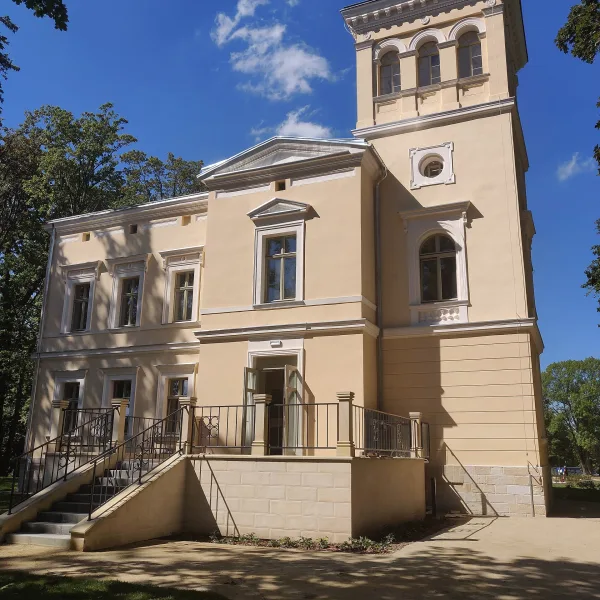
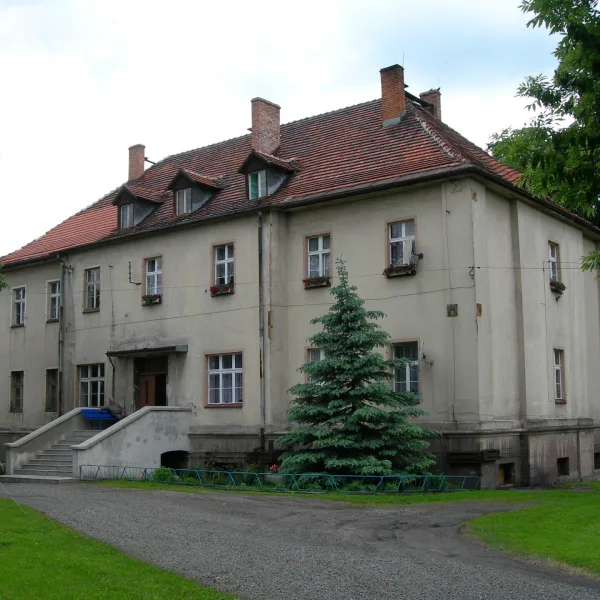
The Manor House in Czuchów, known locally as a castle, stands on 3 Maja street, number 85. It is a brick building from the late eighteenth century, rebuilt many times, so today it has no clear style, but a landscape park with a chapel surrounds it. In Leszczyny stands the palace at Księdza Pojdy 35, raised in 1882-1883 for Konrad von Bartelt. Its design recalls an Italian villa in the neo-Renaissance manner, with a square tower on the left of the entrance.
What remains of the old mining estate?
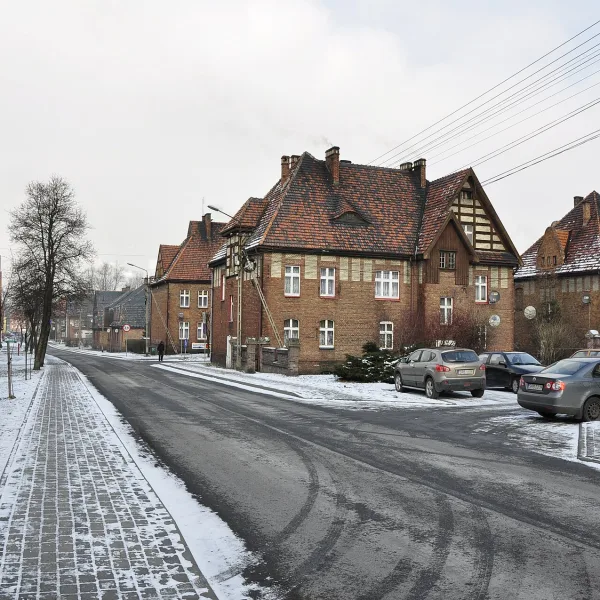
The workers' estate of the Dębieńsko mine consists of 84 red-brick houses over about 15 hectares, built in stages in 1898-1916. The buildings are detached and low, and entrances lead from the back or the side. The estate is a stop on the regional Industrial Monuments Route. More addresses appear under things to do in the town, and a wider selection of heritage sites is collected in monuments in Silesia.
Frequently asked questions
How many houses does the Dębieńsko mine estate have?
The complex includes 84 red-brick houses. They were built for mine employees, and the workers' flats measured 40 to 70 square metres.
Why is the Czuchów manor called a castle?
The manor in Czuchów is sometimes called a castle, although after many rebuilds it has no clear stylistic features today.

 Historic sites