Cemeteries and monuments in Bytom: Mater Dolorosa Cemetery, two Jewish cemeteries, the Sleeping Lion on the Market Square and Świetlik. Free entry.
Seven places show Bytom through a handful of streets and one market square, from 19th-century burial grounds to sculptures from 1873 and 2004. Some are active cemeteries, so visits call for restraint.
Which cemeteries can you find in Bytom?
Four cemeteries are listed: the Catholic Mater Dolorosa, the Jewish cemetery on Piekarska, the Catholic Jeruzalem cemetery in Rozbark and the former Jewish cemetery in the centre. The first three are still used for burials, while the last one is now an empty plot with a plaque.
These addresses are only one slice of the region: if you want to compare with other towns, see cemeteries and monuments in Silesia, or go back to the overview of Bytom.
The cemeteries on Piekarska Street
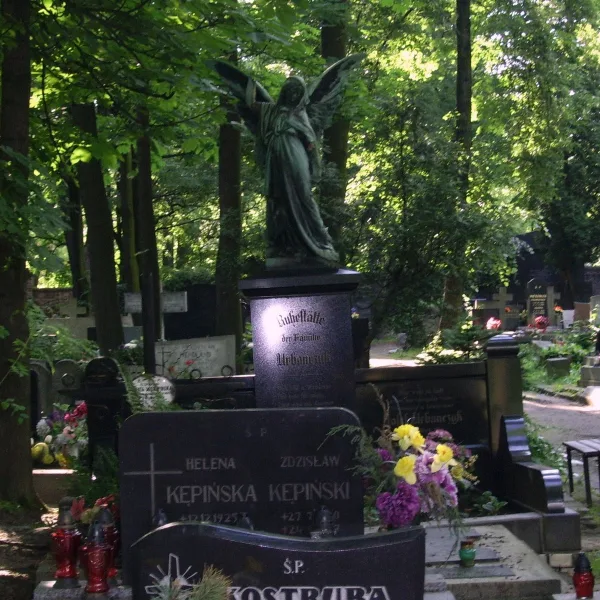
Mater Dolorosa Cemetery at Piekarska 71 is an active Roman Catholic cemetery of the Holy Trinity parish. It has two parts: the first opened in 1868, the second in 1886. Visitors can see a neo-Gothic chapel, tomb chapels and gravestones of notable Bytom residents.
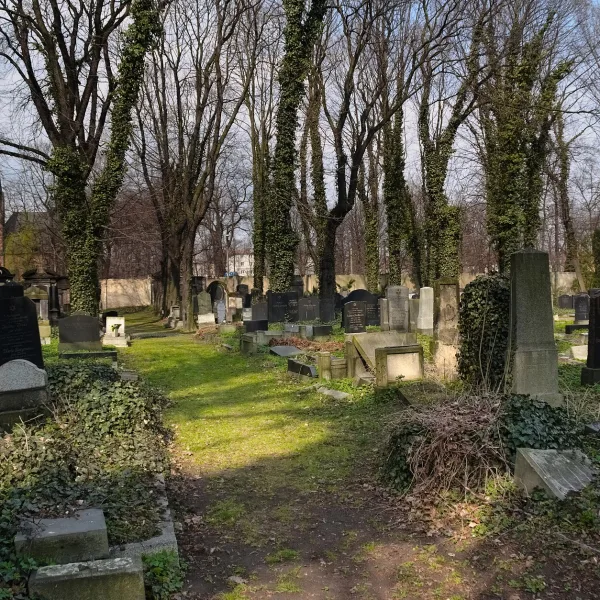
Next door, at number 56, lies the Jewish cemetery founded in 1866. It is one of only three still in use in the region and has monument status. It holds a neo-Gothic pre-burial house and, by the fence, a Wall of Memory made of gravestones from a liquidated older cemetery. It is a place of quiet and respect, not a stroll for entertainment.
The former Jewish cemetery and Jeruzalem Cemetery
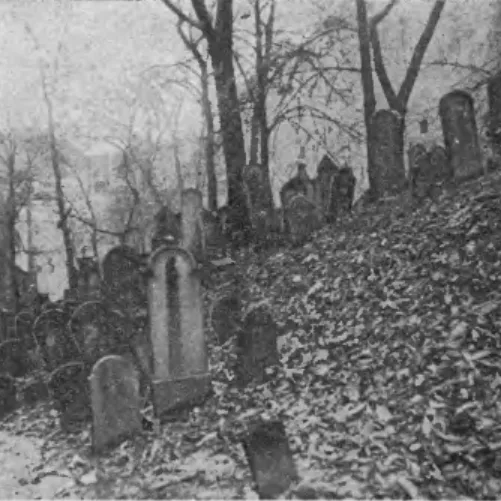
The Old Jewish Cemetery on Piastów Bytomskich Street was established in 1720 by the town walls, near the Gliwice Gate. It was liquidated in 1965. There are no gravestones, and its memory is kept by a plaque at number 3. The site gained monument status in 2019.
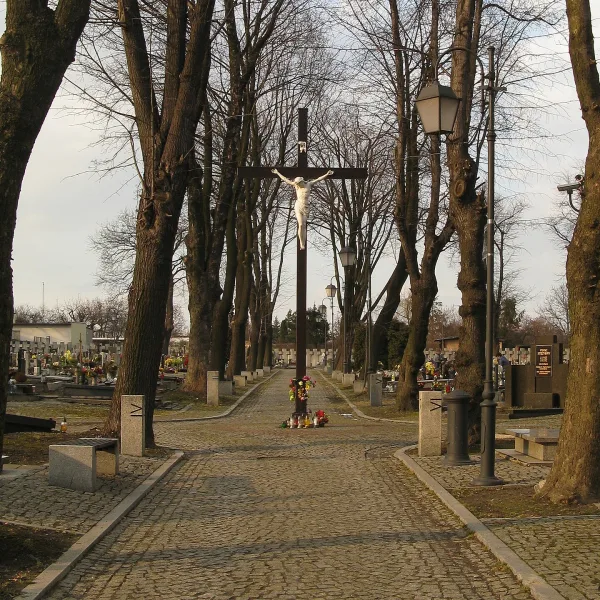
Jeruzalem Cemetery in the Rozbark district, on Staffa Street, is an active burial ground of St Hyacinth's parish. It was founded in 1920 on former mining land for the dead of the Rozbark municipality, and has held monument status since 2007.
Sculptures and a cross: monuments in Bytom
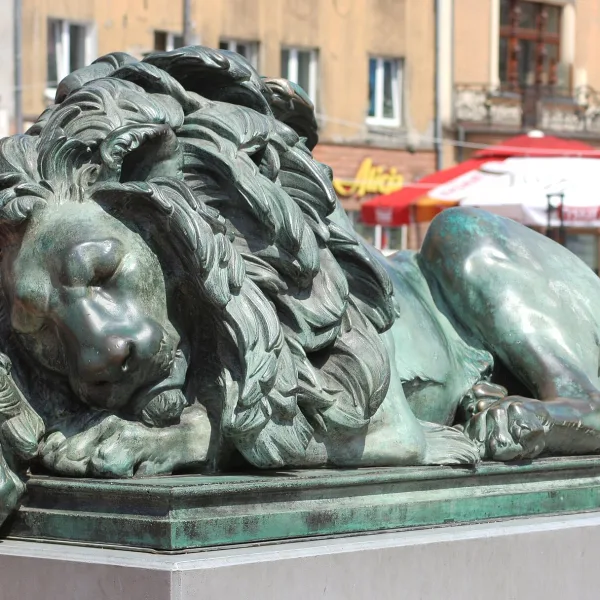
On the Market Square stands the Sleeping Lion, a bronze sculpture from 1873 designed by Theodor Kalide and cast in Berlin. It once topped a memorial to fallen men of the district, later vanished and returned to the town after being found in the capital.
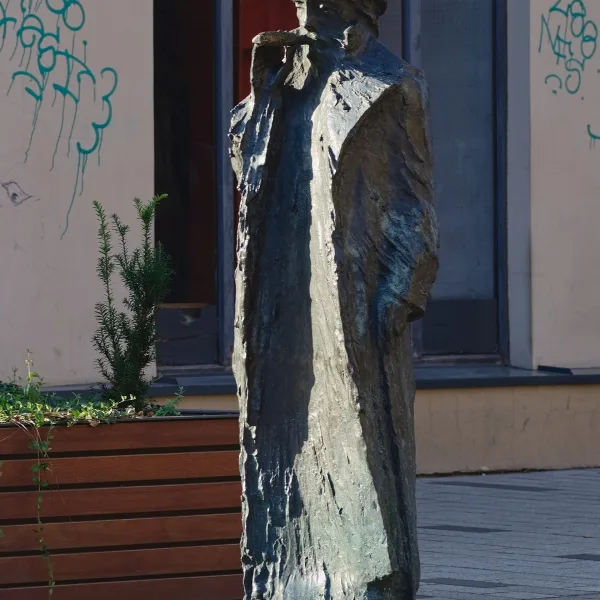
The Świetlik at Dworcowa 1 is quite different: a bronze figure from 2004 by Bogumił Burzyński, about 1.8 metres tall. It portrays the good spirit of a local Bytom legend.
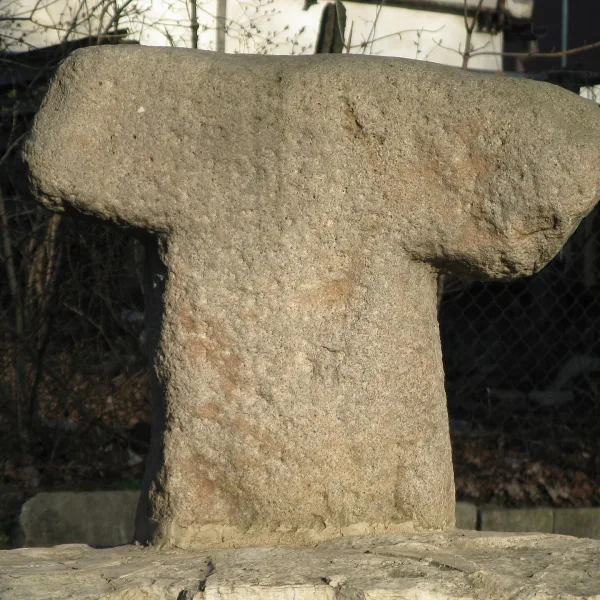
The oldest is the stone cross in Łagiewniki, a medieval sculpture 57 centimetres high, a protected movable monument. A plaque calls it a penitential cross, although that name is often used too broadly.
What else to see in Bytom
A walk among the cemeteries pairs well with churches and monasteries in Bytom and historic sites in Bytom. For a day outdoors there is also a park or nature reserve in Bytom.
Frequently asked questions
Is entry to the cemeteries in Bytom free?
Yes, all seven places on the list are free to enter. At active cemeteries quiet and behaviour suited to a burial ground are expected.
Which Jewish cemetery in Bytom is still in use?
The one at Piekarska 56 still serves the community, and there are three such sites in the region. The former cemetery on Piastów Bytomskich Street was liquidated in 1965.
Where is the Sleeping Lion in Bytom?
The bronze Sleeping Lion from 1873 stands on the Market Square in Bytom and is a protected movable monument.
What is the oldest monument in Bytom?
Among the places listed, the oldest is the medieval stone cross from Łagiewniki, regarded as probably one of the oldest monuments in Bytom.

 Cemeteries and monuments