Architecture in Siemianowice Śląskie means the Donnersmarck and Rheinbaben palaces, brick workers' colonies, a town hall and a steel winding tower.
Industry built the town, and its architecture tells of two worlds: the residences of owners and the estates of ironworks and mine employees. The whole region is covered under architecture in Silesia, and the local set is on the Siemianowice Śląskie page.
Which residences and palaces can you see in Siemianowice Śląskie?
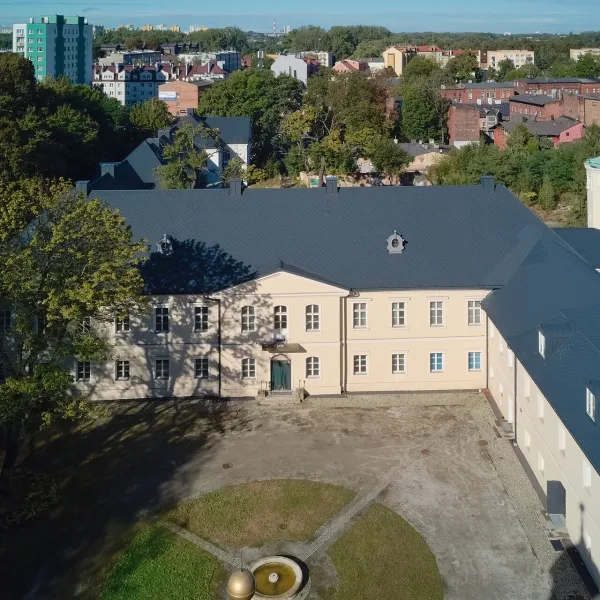
Four residences of industrialists and aristocrats survive, from a baroque palace in the centre to a neo-Gothic building in Górnik Park.
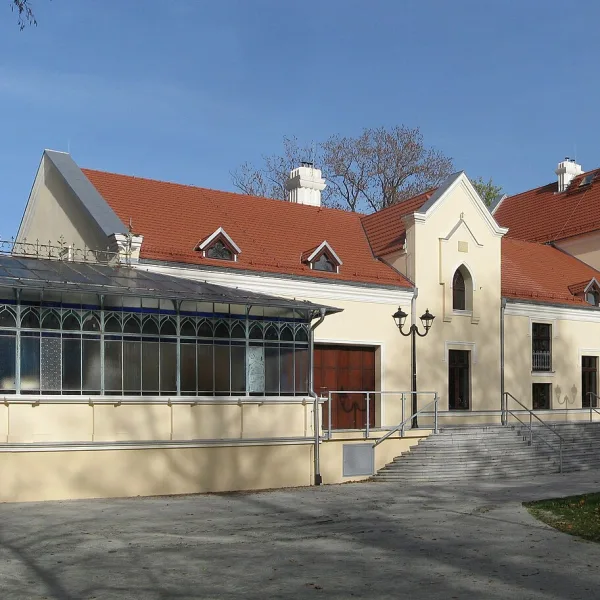
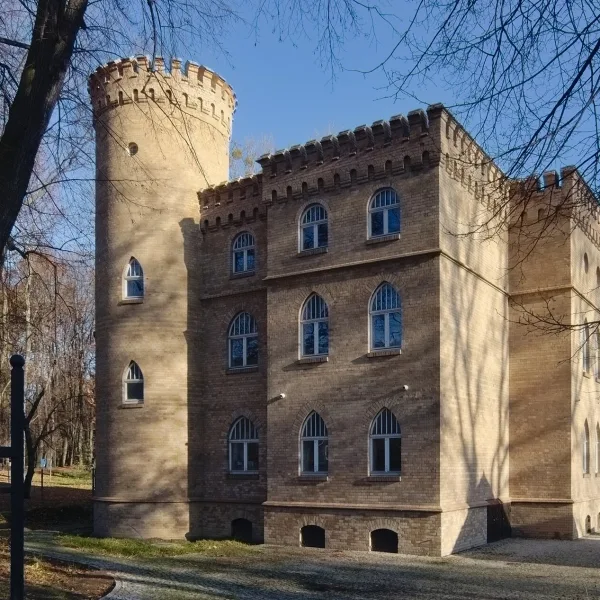
The palace on Chopin Street, linked with the Donnersmarck family, combines a baroque part with a neoclassical one and is on the heritage register. Fitzner Villa of 1859 is an eclectic industrialist's residence, now a cultural centre. In Michałkowice, in Górnik Park, stand side by side the Rheinbaben Palace, called the Little Castle, with an orangery and a mirror hall, and the neo-Gothic forester's and gardener's house with a round tower, designed in 1906.
What did workers' and industrial buildings look like?
Traces of the work of ironworks and mines are as striking as the residences. It is worth seeing them in one walk across several addresses.
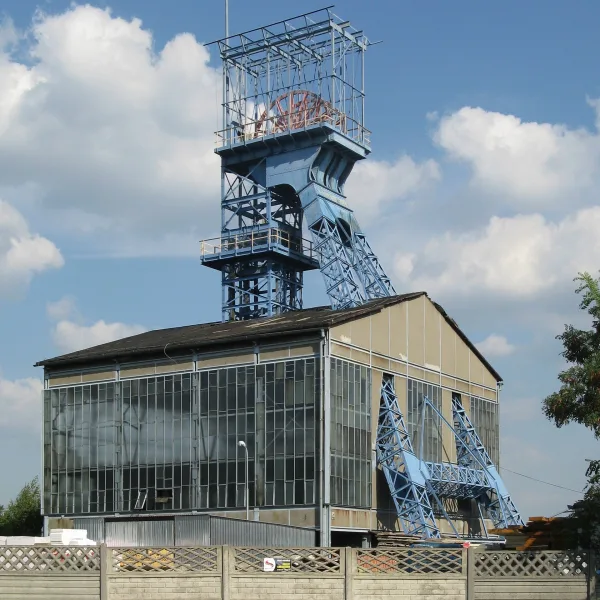
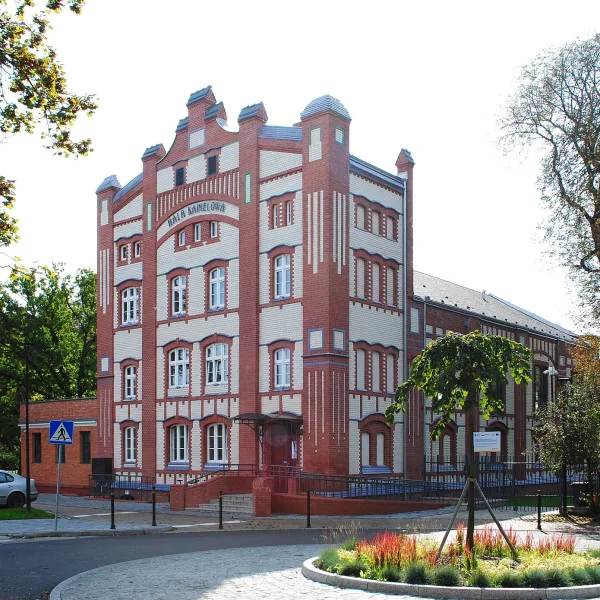
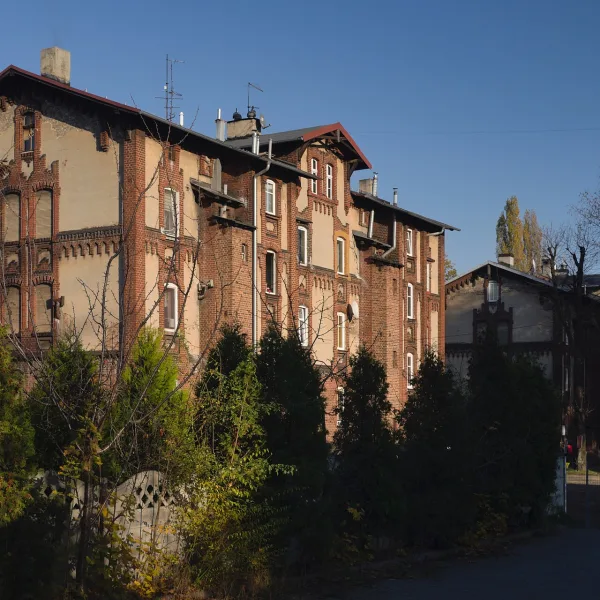
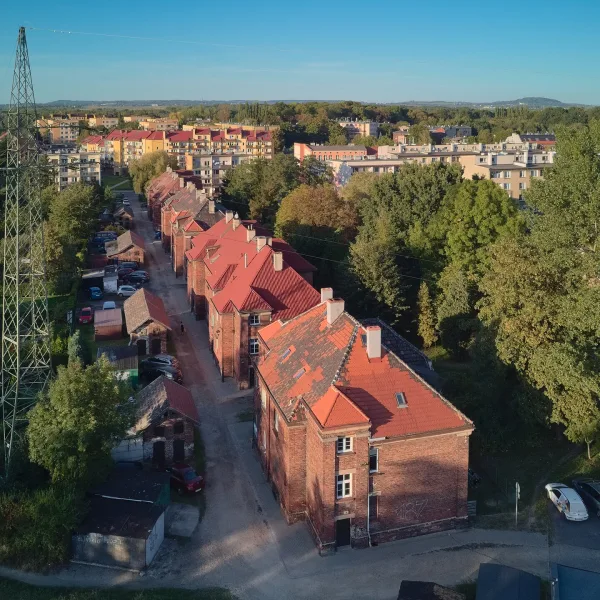
The steel Siemianowice III winding tower on Olimpijska Street is over thirty metres tall and marks the former Laura mine. On Składowa Street stand three historic buildings of a former mining works, now residential. The brick houses of the colony on Górnicza Street, called Bergmonka, were built around 1908 for mine employees. The former municipal baths of 1907-1908 now work as a swimming pool known as Badyhala.
Which public and religious buildings are worth seeing?
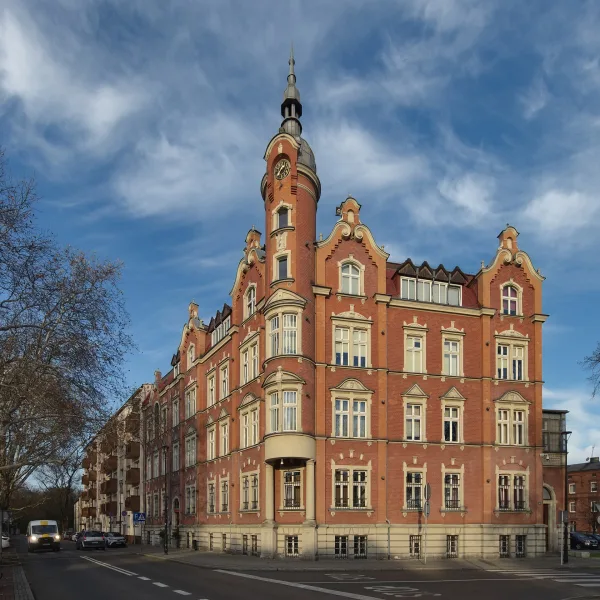
Two brick buildings dating from 1895 to 1904 stand in the centre and show civic taste of that era.
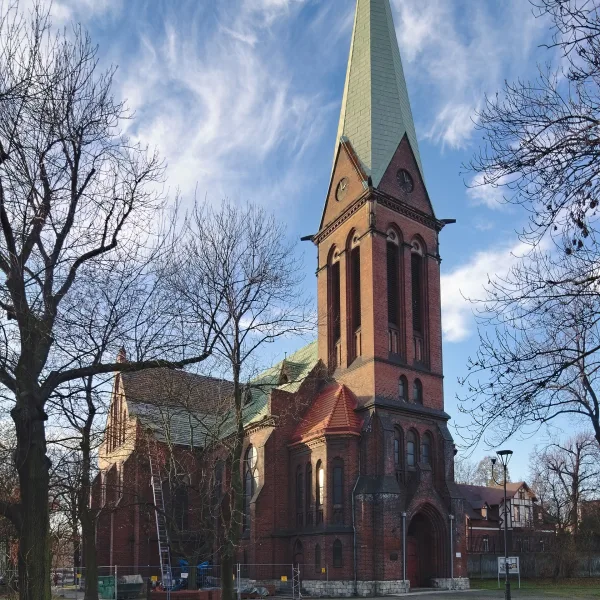
The town hall of 1904, designed by Johannes Seiffert, has a clock tower on the corner and stained-glass windows in the council chamber. The Martin Luther Church is a neo-Gothic red-brick building from 1895, still used by the Evangelical parish.
Is there a historic cemetery in Siemianowice?
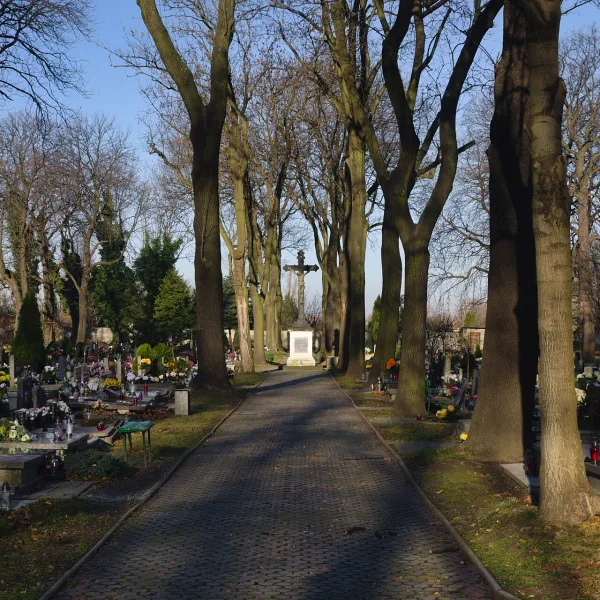
The Evangelical cemetery in the town dates back to 1886. It is an active burial ground with a five-metre crucifix and graves of local industrialists, so quiet and respect are expected. On other places of remembrance in the region, see the article on war cemeteries and mass graves.
Frequently asked questions
Which building makes the best first stop in Siemianowice?
In the centre: the palace, town hall and Martin Luther Church. Then go to Michałkowice, where the Rheinbaben Palace and the forester's house sit next to one another.
Are all buildings open to visitors?
No. Villas and palaces serve cultural functions, while workers' houses and the buildings on Składowa Street are residential, so you see them from the street.
Is the Badyhala pool a historic building?
Yes, the former municipal baths of 1907-1908 are on the heritage register and still work as a swimming pool.
Where can you see a workers' colony in Siemianowice?
On Górnicza Street, at numbers 6 to 9, stand four brick multi-family houses called Bergmonka.

 Historic sites