Solo in Siemianowice Śląskie: palaces, churches, a shaft tower and a museum. Seventeen places for a calm walk on your own in Silesia.
Siemianowice Śląskie is a town of industrialists and miners, so brick estates and a steel tower from a mine stand beside the palaces. Such a mix suits sightseeing without company: there is no rush and you set your own route. A broader overview is under things to do in Siemianowice Śląskie.
What can you see alone in Siemianowice Śląskie?
For one afternoon pick the town hall with its clock, the palace on Chopina Street and the Fitzner villa, and the municipal museum for rainy weather. If you like industrial scenery, add the shaft tower on Olimpijska Street and the brick colony called Bergmonka. The rest is churches and historic buildings in Michałkowice.
For a lone visitor it matters that most targets can be viewed from outside, at any pace, with no group booking. The set divides into residences, industrial buildings, churches and one museum. Similar ideas from across the region are under things to do alone in Silesia.
Which palaces and villas are worth seeing in Siemianowice?
The town has three residences and one villa: the palace on Chopina Street, the Little Castle in Michałkowice, the forester's and gardener's house, and the villa of the industrialist Fitzner. Two of them stand together in Górnik Park, so they are easy to combine.
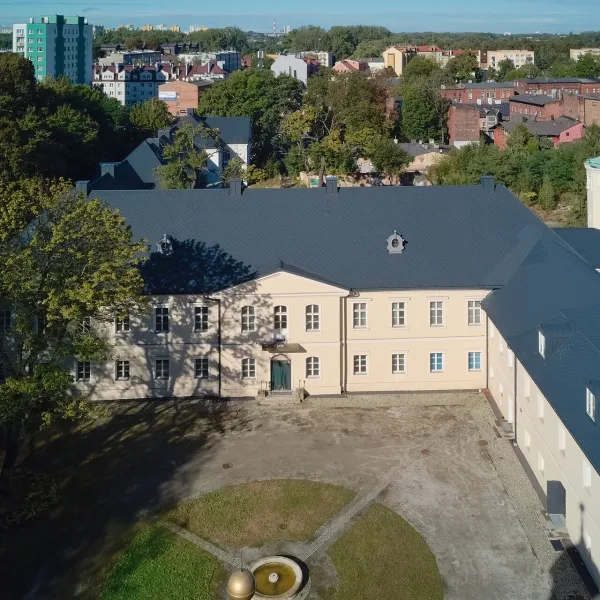
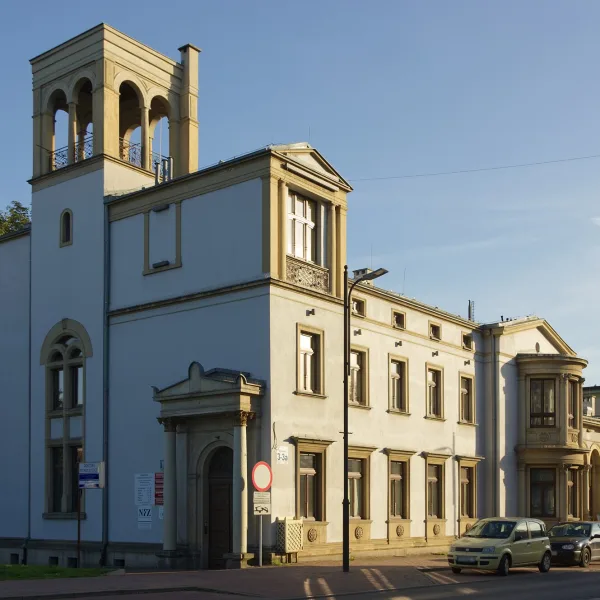
The palace in Siemianowice Śląskie at Chopina 15 once belonged to the Henckel von Donnersmarck magnates. One wing is Baroque, another Neoclassical, and the whole stands in the middle of town under monument protection. The first owners, the Mieroszewskis, started work in the 1600s, and over the centuries the house served many purposes.
The Fitzner Villa at Fitznerów 3 dates from 1859. The industrialist Wilhelm Fitzner built it, and today it houses the Siemianowice Cultural Centre. This eclectic house with a conservatory and reception rooms shows how factory owners lived in Upper Silesia.
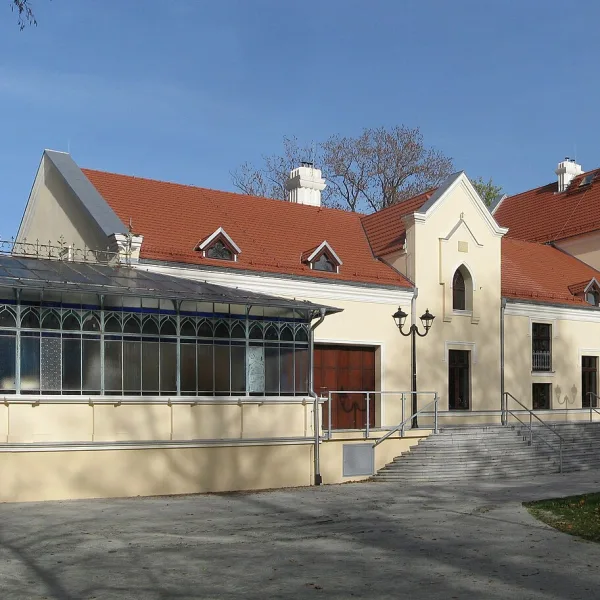
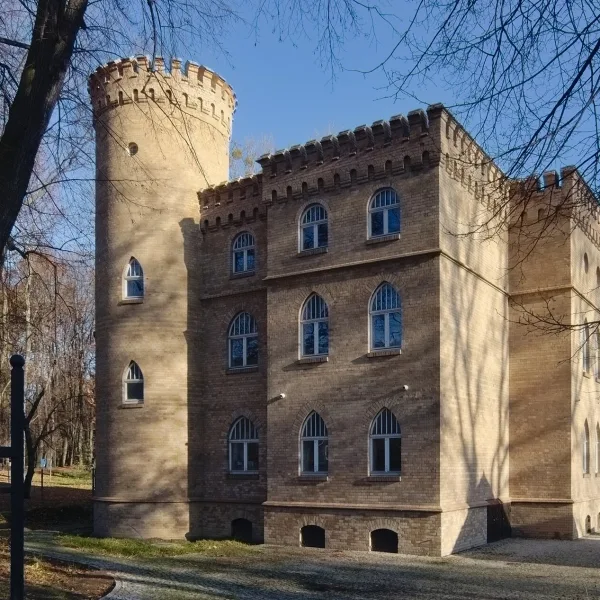
In Michałkowice, on Oświęcimska Street, two buildings stand side by side in Górnik Park. Rheinbaben Palace, called the Little Castle, has a conservatory and a mirror hall; one of the town's cultural venues now operates inside. At number 7 stands the forester's and gardener's house: a neo-Gothic brick building with a round tower, resembling a small castle, designed in 1906 for the Hohenlohe works.
What traces of industry remain in Siemianowice Śląskie?
Most visible are the shaft tower on Olimpijska Street, the workers' colony on Górnicza Street, the buildings of the former Laura mine on Składowa Street and the former baths of the ironworks. You see all of it from the street, so there are no opening hours or queues.
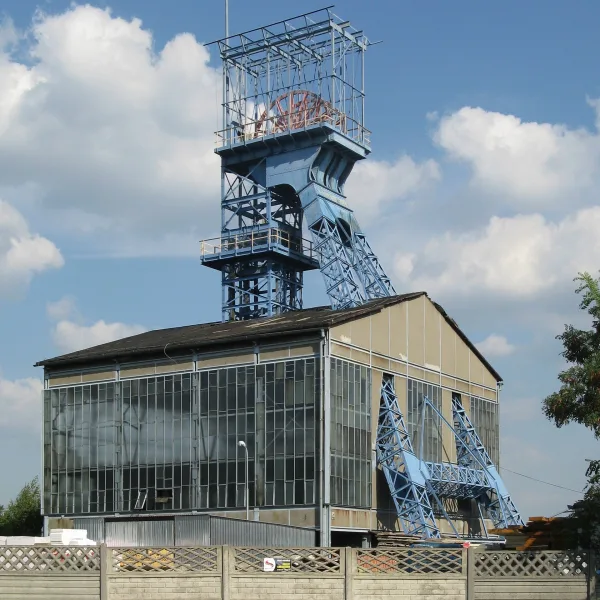
The Siemianowice III shaft winding tower is a steel structure from 1897, more than thirty metres high, topped with a spire bearing a miners' emblem. It is also known as the Richter shaft. It remains from the Laurahütte mine and is listed as a monument.
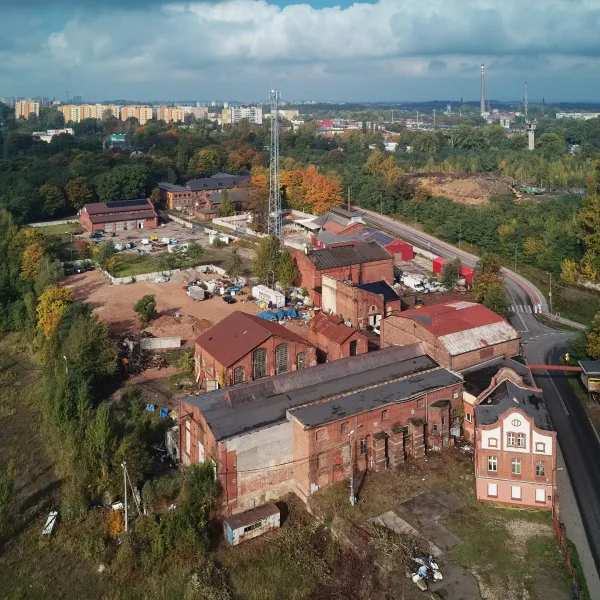
On Składowa Street you find two traces of the same mine. The three supervision and management buildings at numbers 1, 2 and 3 are homes today, so they can be admired only from the street. The mine was founded in 1871, and since 2012 the buildings have been in the register of monuments. The former Ficinus mine complex is what is left of a works closed in 1933; a repair workshop operates there now, so you cannot go inside.
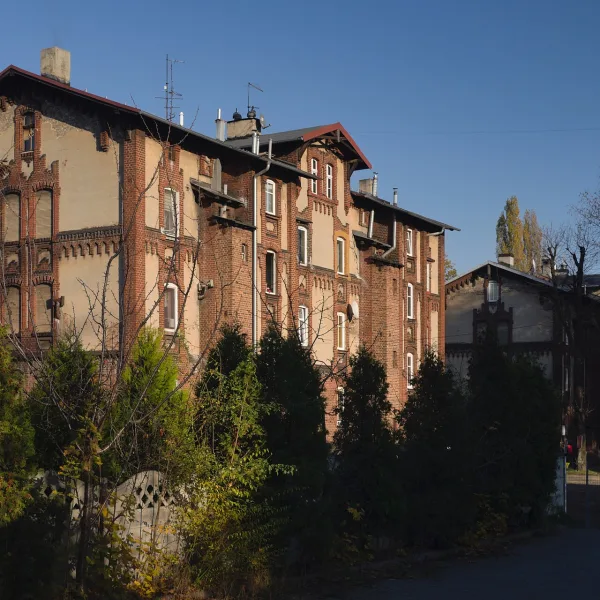
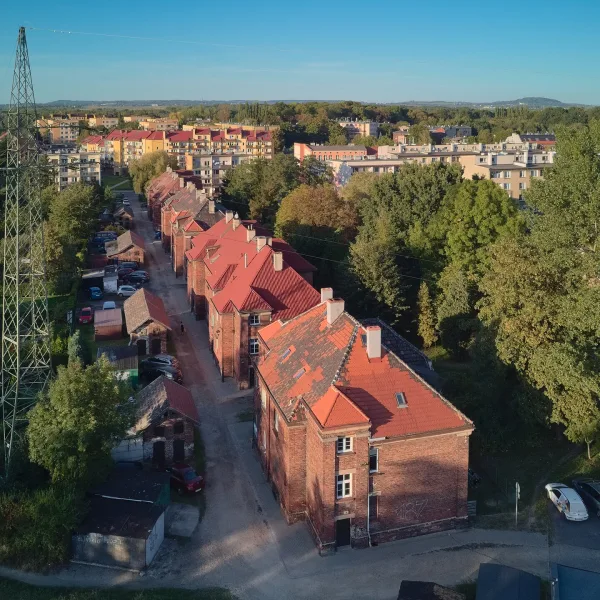
The workers' housing estate on Górnicza Street, known as Bergmonka, is made of four red-brick apartment houses where mining families lived. They went up around 1908, and few such colonies have survived in the town.
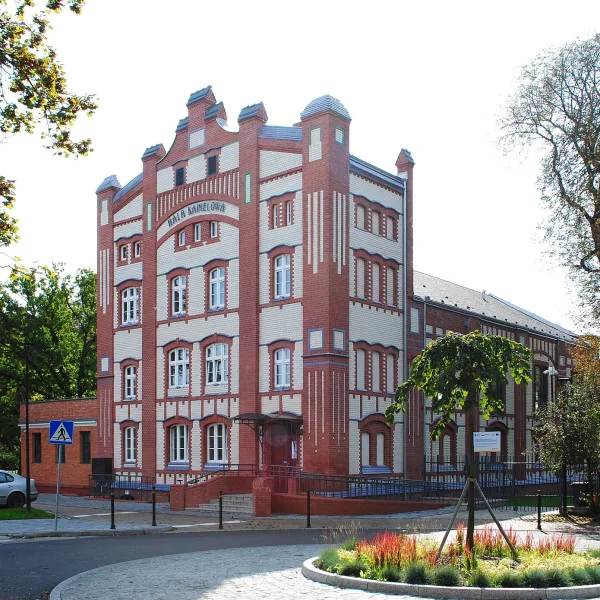
The baths of 1907-1908 were funded for ironworkers. The municipal baths at Śniadeckiego 11 work today as a swimming pool called Badyhala, one of the oldest operating indoor pools in Poland, and the building is a listed monument.
Where to shelter from rain and which churches to see?
Shelter from rain in the municipal museum, while churches suit a visit at any time of year. Churches here span several periods, from brick neo-Gothic to post-war neo-Renaissance.
The Municipal Museum is housed in a granary built in the 1700s among the palace gardens. It tells the story of Upper Silesia and the town through three sections of displays. The Society of Friends of Siemianowice Śląskie began collecting the exhibits in 1966.
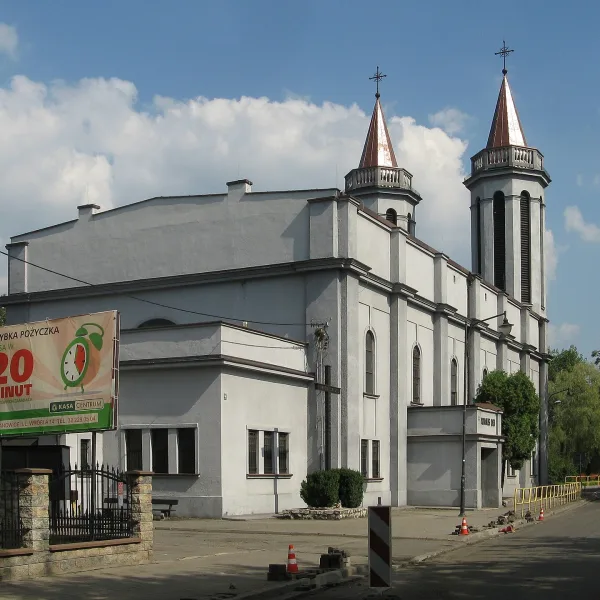
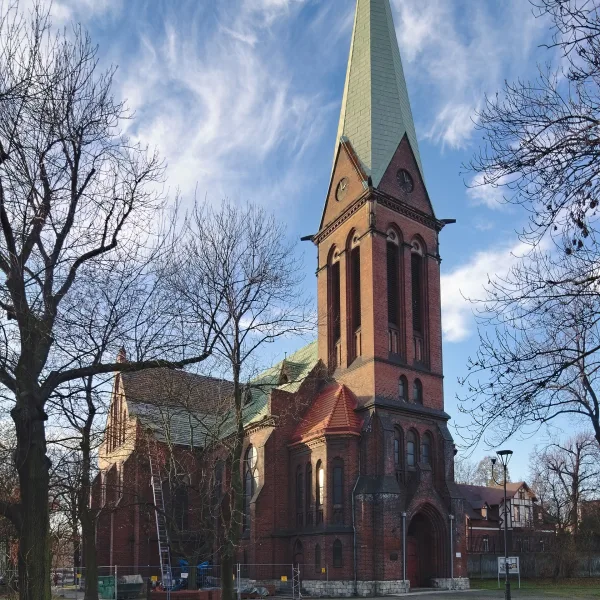
Three more churches in the centre date from around 1900. The Church of the Holy Cross on Powstańców Street is a three-aisled brick building of 1881-1884, designed by Paul Jackisch. The Martin Luther Church on Wyspiańskiego Street, from 1895, serves the Evangelical-Augsburg parish. The Church of St Anthony of Padua was fitted out in 1927-1931 in a former market hall of 1914, which sets it apart from typical churches.
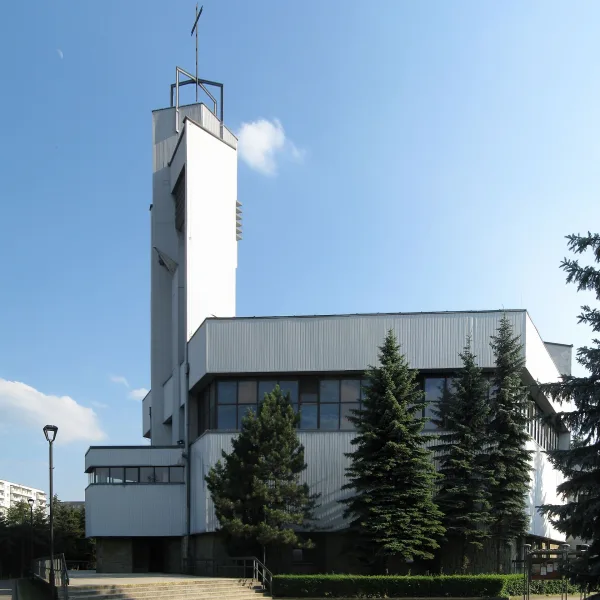
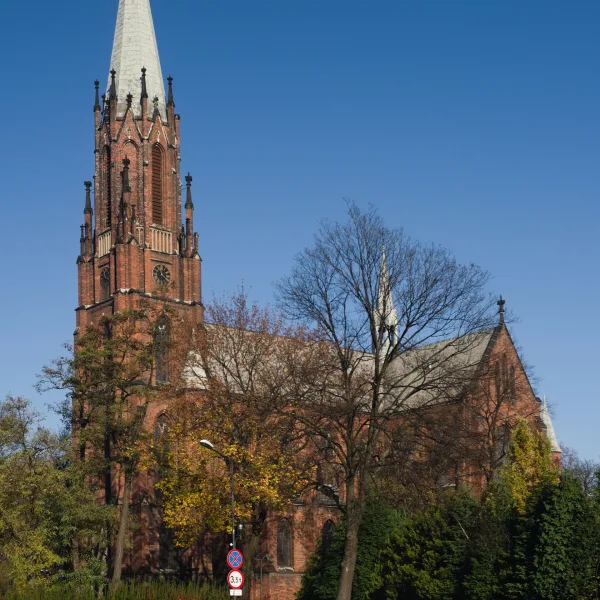
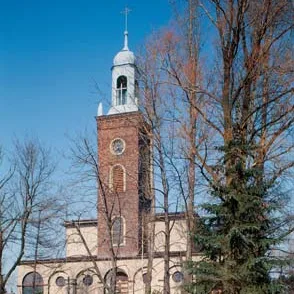
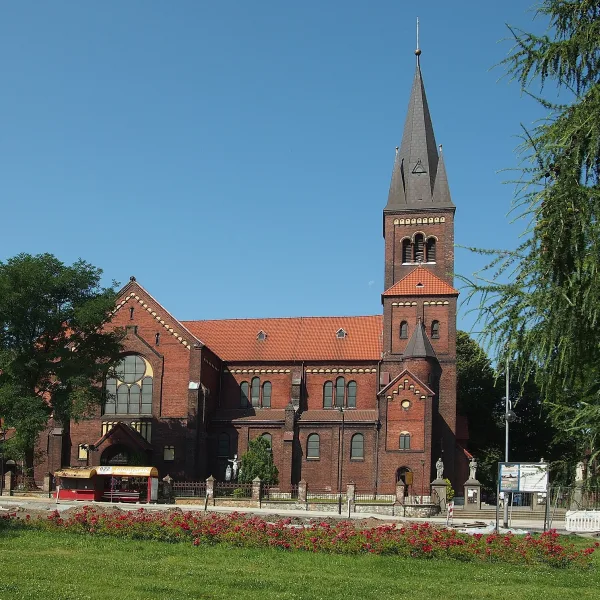
Outside the centre are three more parishes. In Michałkowice stands the Church of St Michael the Archangel, a neo-Romanesque brick building of 1902-1904 designed by the Opole architect Ludwig Schneider. In Bytków, on Węglowa Street, rises the Church of the Holy Spirit of 1977-1980, with stained glass and a pipe organ. In Przełajka you find the Church of the Assumption of the Blessed Virgin Mary, neo-Renaissance, consecrated in 1951.
How to plan a solo route around Siemianowice?
The simplest approach is to combine the centre with one district. Start at the town hall and Wolności Square, then move on to the churches of the centre. On a second day plan Michałkowice with the Little Castle and Górnik Park.
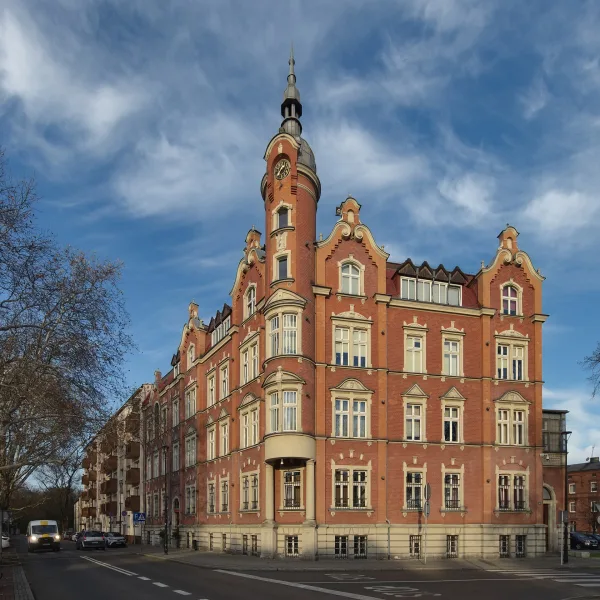
The town hall at Jana Pawła II 10 is a four-storey red-brick building from the early 1900s. A clock tower rises from its corner, and stained-glass windows survive in the council hall. The town government works there, and it faces Wolności Square, which makes it a handy start for the day.
Frequently asked questions
Is it comfortable to explore Siemianowice by yourself?
Yes. Most places are historic buildings viewed from outside, so you need no group or booking. Interiors, such as the museum or the culture centre, are open on general terms.
What to see in Siemianowice when it rains?
Choose the Municipal Museum. You can also shelter in churches, and the pool in the former baths works as a sports facility.
Which places in Siemianowice are close to each other?
In Michałkowice on Oświęcimska Street the Little Castle and the forester's house stand side by side. On Składowa Street are the buildings of the former Laura mine and the remains of Ficinus.
Can you enter the former Ficinus mine site?
No. A repair workshop operates there today, so the complex is seen from outside only.

 Historic sites