Free things to do in Gliwice: parks, the Las Dąbrowa reserve, cast-iron lions, monuments and walking trails. Nineteen places with no ticket.
Gliwice offers plenty that costs nothing: historic parks, a forest reserve, sculptures from the local ironworks and long trails through woodland. The selection has nineteen places, from the centre to the outskirts, so it is easy to build a walk for one afternoon or a full day out. More free ideas across the region are in the Free section, while the whole city is covered under attractions in Gliwice.
What can you see in Gliwice without a ticket?
It works best to combine three kinds of place: parks in the centre, sculptures and monuments scattered around town, and green areas on the outskirts. All belong to this selection and none charges for entry.
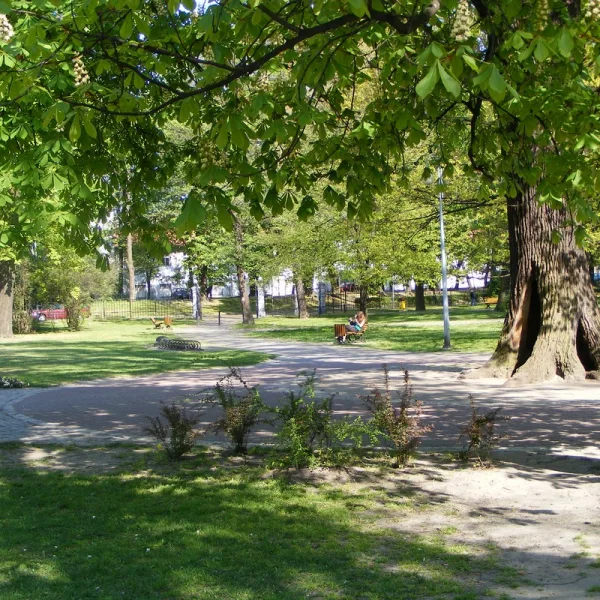
Parks and nature sites are the most numerous, seven in total. Ten sites are cemeteries and monuments, including lions cast at the Gliwice ironworks. Two walking trails complete the picture. Most places can be visited at any time of day, and the greenery simply calls for decent weather.
Which parks in Gliwice should you choose for a walk?
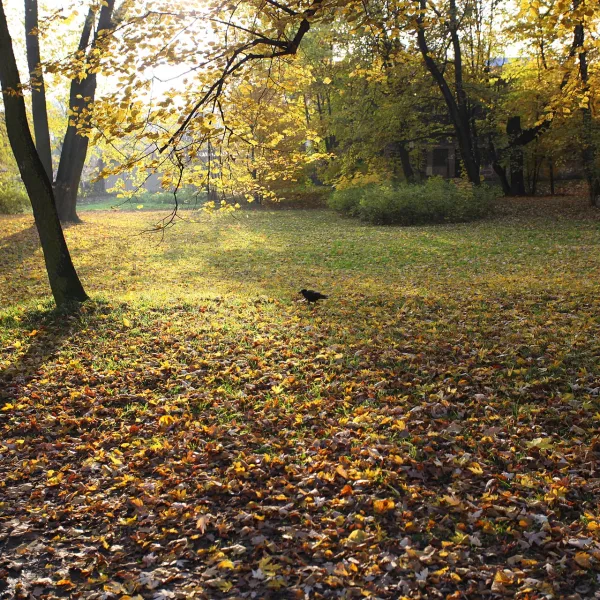
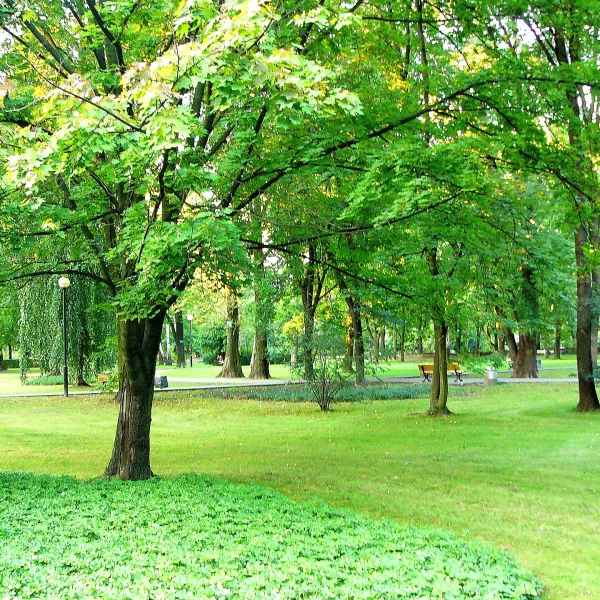
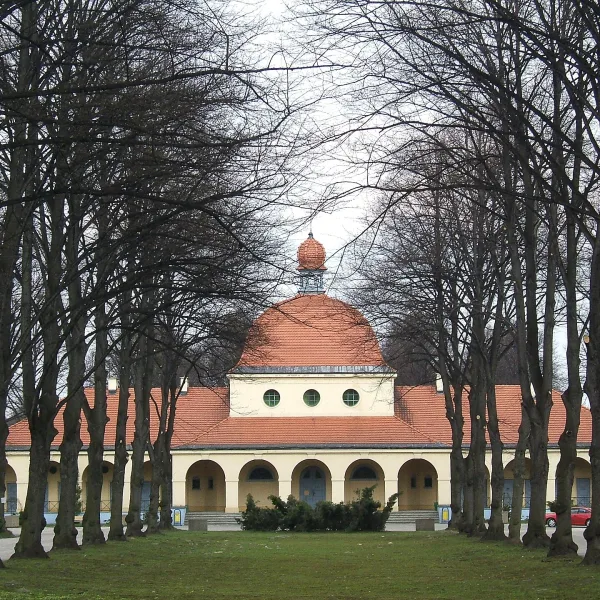
In the city centre lies Fryderyk Chopin Park, laid out around 1880. It has a monument to the composer, the Schadow lions and a protected tree, and a palm house stands next to it. Other gardens and arboreta of the region are described in the article on botanical gardens and arboreta of Silesia.
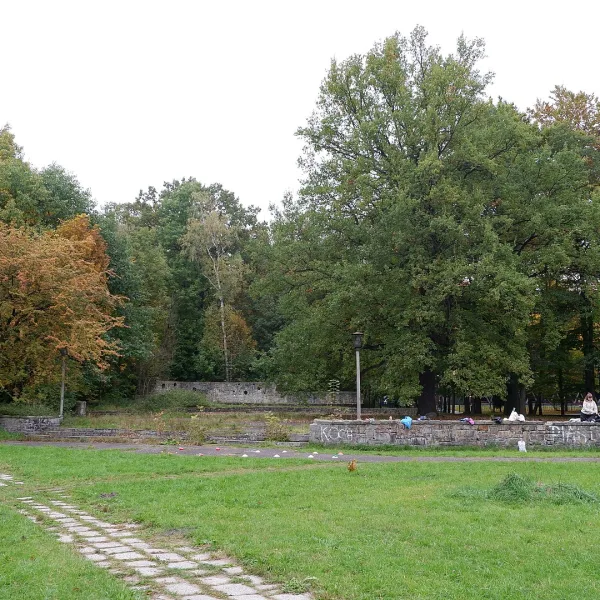
In the Politechnika district stretches Bolesław Chrobry Park, laid out in 1913-1915 and covering just over ten hectares. Szwajcaria Park dates from 1924 and opened in May 1926; it was modernised in 2008-2013. In Wójtowa Wieś lies Grunwaldzki Square Park, once known by its German name Preussenplatz. It was added to the monuments register in 2013.
Starokozielski Park, about six hectares, occupies ground where a cemetery for several denominations was established in 1858. Today it is a historic park by Kozielska Street. Of a quite different kind is the Park of Culture and Recreation in Zatorze: a natural forest owned by the city, close to two hundred hectares, with a teaching trail, children's playgrounds and a salt-water inhalation tower.
Where is the nature reserve in Gliwice?
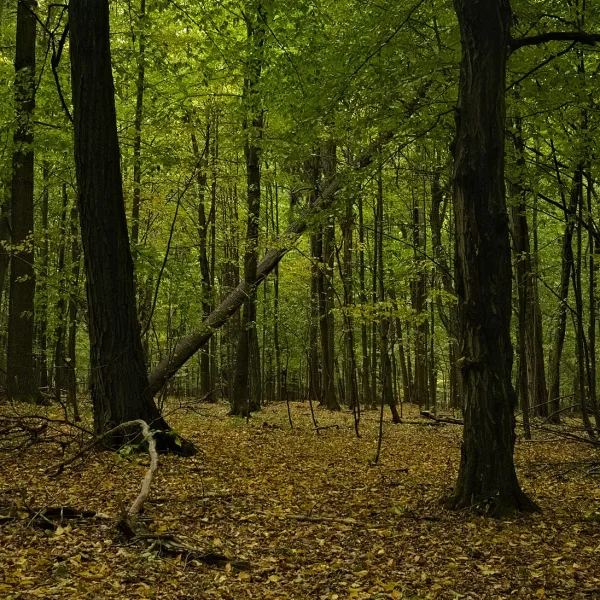
Yes. The Las Dąbrowa Nature Reserve was established in 2008 on the western edge of the city and lies partly in the municipality of Sośnicowice. It protects a forest with riparian woods and a currant alder wood, home to the white-backed woodpecker. It is a place for quiet and birdwatching, not for play. Similar green enclaves of the conurbation are presented in the article on reserves in the towns of the metropolis.
Where to look for lions and other sculptures in the city?
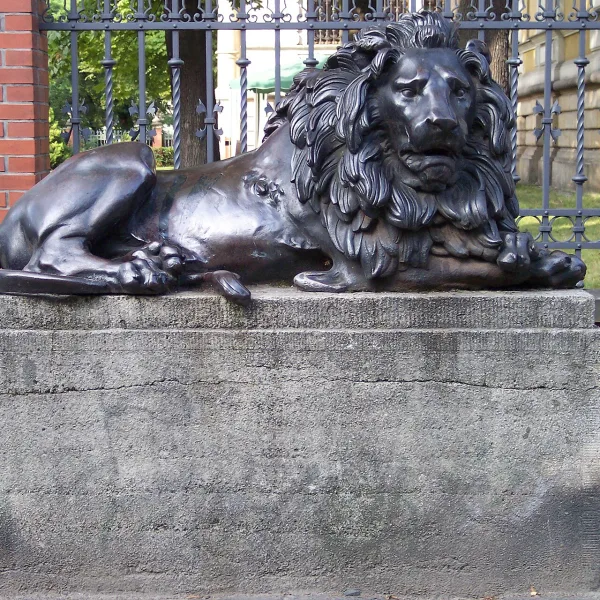
Gliwice is known for its cast-iron lions, and three of them can be seen without spending anything. The Watching Lion on Dolnych Wałów Street came out of the Gliwice ironworks in 1824, designed by Theodor Kalide. It lies with its head raised in front of Villa Caro, which the article on Villa Caro, the Silesian University of Technology and the Gliwice Canal covers.
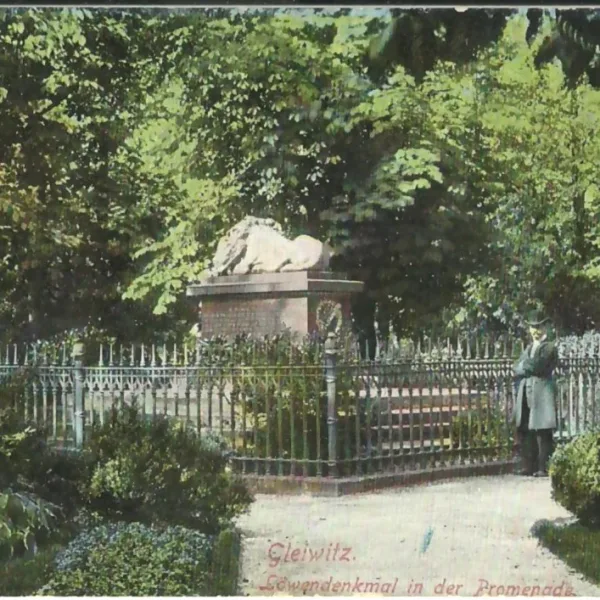
The Reclining Lions, a pair of cast-iron figures from 1830 modelled on Johann Gottfried Schadow, guard the City Palm House in Chopin Park. On Valenciennes Square lies the Sleeping Lion, cast in 2009 as a replica of the 1849 memorial to Prussian soldiers.
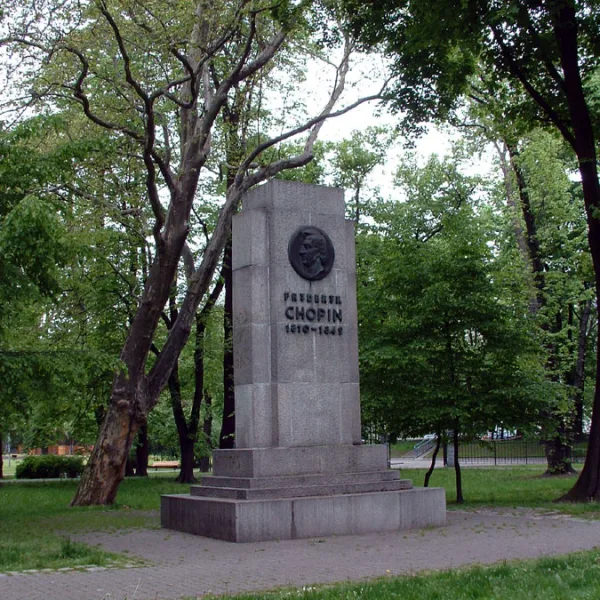
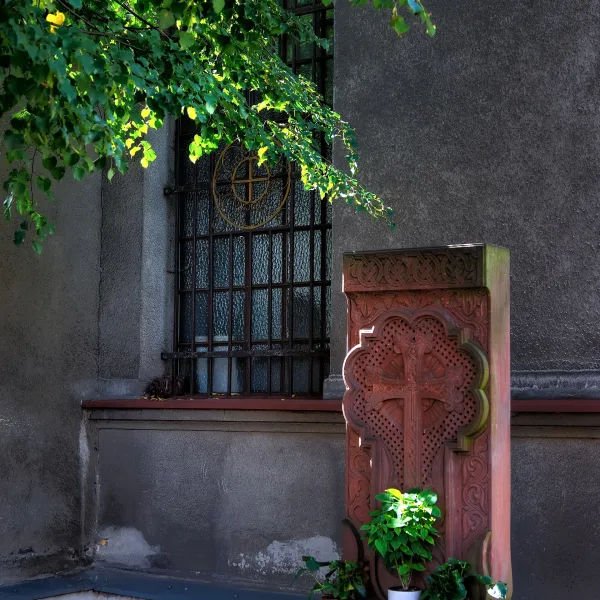
In Chopin Park you can also see the Frédéric Chopin Monument, made of carved from marble, with a bronze medallion, unveiled in 1949 a century after the composer died. In front of the Holy Trinity Church on Mikołowska Street stands the khachkar, an Armenian stele of red tuff commemorating the Armenian genocide.
Which Gliwice cemeteries have historical value?
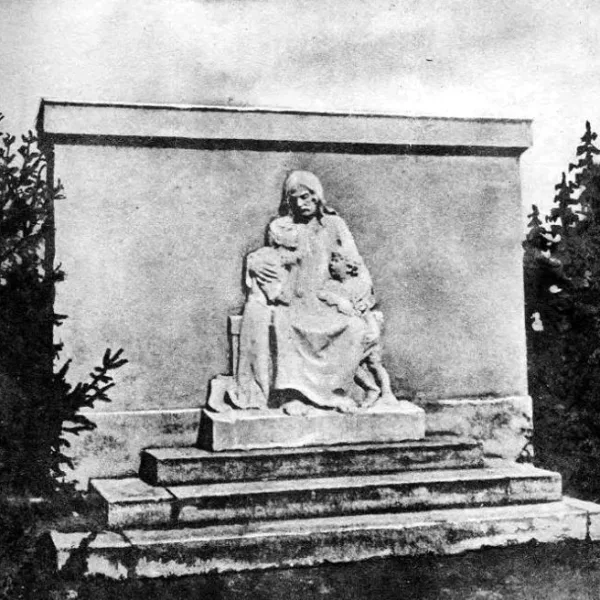
Cemeteries are resting places, so quiet is expected, but some of them are also monuments. The Central Municipal Cemetery on Kozielska Street dates from the 1920s. Its avenues form a Latin cross, and it includes the graves of death-march victims. The Lipowy Cemetery in Zatorze, founded in 1885 as a multi-faith burial ground, has war plots and the grave of fifty-six children.
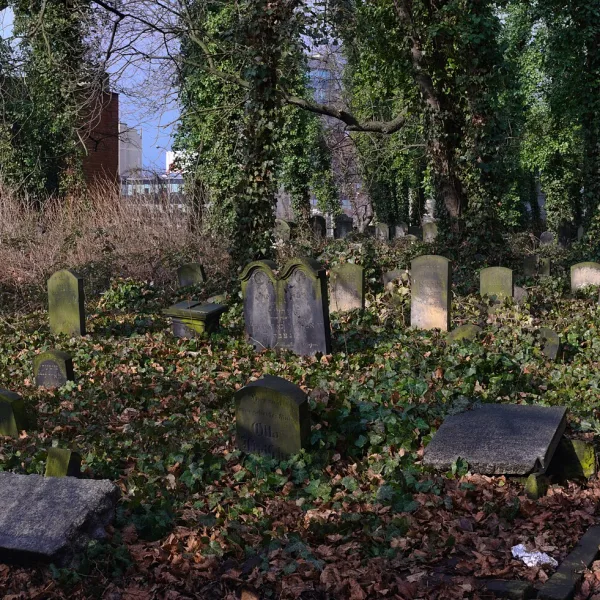
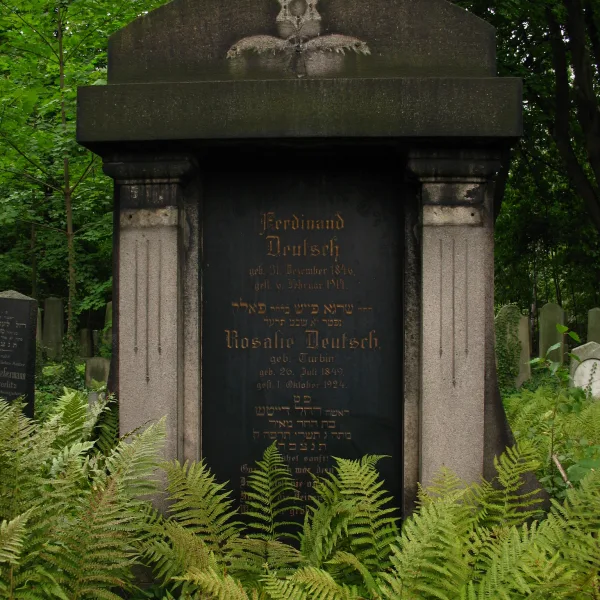
The Ironworkers' Cemetery is the oldest of this group, established in 1808 by the Royal Iron Foundry's administration. A local association has worked to bring it back since 2002. Jewish heritage is represented by two necropolises: the Old Jewish Cemetery of 1815 on Na Piasku Street, with about five hundred gravestones, and the New Jewish Cemetery of 1902-1903 on Poniatowskiego Street, still in use, with a pre-burial house. That building is discussed in the article on the pre-burial house and the House of Memory of Upper Silesian Jews.
Which walking trail should you choose?
Two marked trails start in or pass through Gliwice. The green Tourism Centenary Trail links Rybnik with Tarnowskie Góry and is approximately one hundred and forty-three kilometres long, leading mainly through forest. The yellow Gliwice Circular Trail forms a loop of roughly one hundred and thirty-seven kilometres through Toszek, Pyskowice and Mikołów. PTTK looks after it. Both are usually walked in stages.
How to arrange a free day in Gliwice?
The shortest loop goes through Chopin Park: the composer's monument, the Reclining Lions and the palm house are all in one park. The Watching Lion on Dolnych Wałów is a separate stop. The second part of the day can belong to Kozielska Street, where Starokozielski Park and the Central Municipal Cemetery lie.
Zatorze is a separate direction for a whole morning or evening: this district contains the big woodland of the Culture and Recreation Park as well as the Lipowy Cemetery. Keep the two walking trails for a day of good weather and an early start, since each has to be split into stages. The Las Dąbrowa reserve lies on the western edge of town, apart from the other places.
Frequently asked questions
Are there free attractions in Gliwice?
Yes. All the parks, the reserve, sculptures, cemeteries and trails described here can be visited without a ticket.
Where in Gliwice can you see the cast-iron lions?
The Watching Lion stands in front of Villa Caro on Dolnych Wałów Street, the Reclining Lions in front of the City Palm House, and the Sleeping Lion on Valenciennes Square.
What is the largest green area in Gliwice?
By area the Park of Culture and Recreation in Zatorze wins, though it is really a forest. Among ordinary city parks, Chrobry Park is the largest, with over ten hectares.
Where is the Chopin monument in Gliwice?
In the park named after him in the city centre. The marble monument was unveiled in 1949, and beside it stand the Reclining Lions and the City Palm House.
Where can you find wild nature in Gliwice?
In the Las Dąbrowa reserve to the west, set up in 2008. Riparian forest and alder wood grow there, and the white-backed woodpecker lives among the birds.

 Parks and nature