Architecture in Gliwice offers a Gothic castle, a market square with a town hall, Mendelsohn's modernism and Neo-Gothic churches, twenty-five places to see.
Gliwice has buildings of several periods, visible even in one walk: a medieval castle, Baroque and Neo-Gothic churches, tenements of the late 19th century and Modernist department stores. Below, places are grouped by district and style so that you can plan a route.
Where should you begin looking at the architecture of Gliwice?
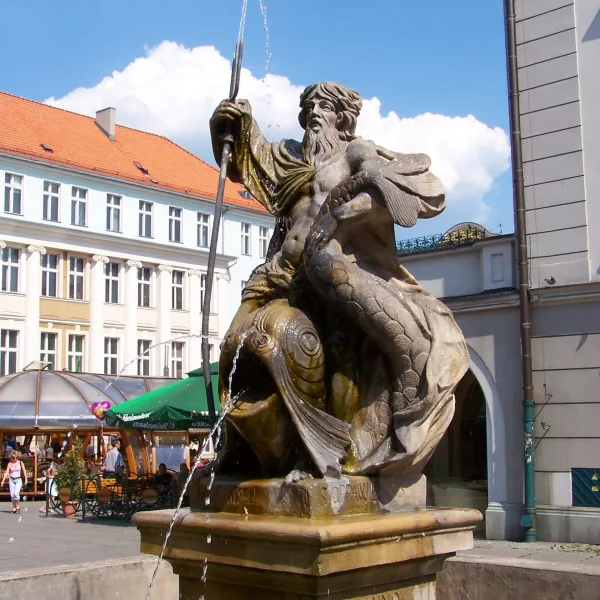
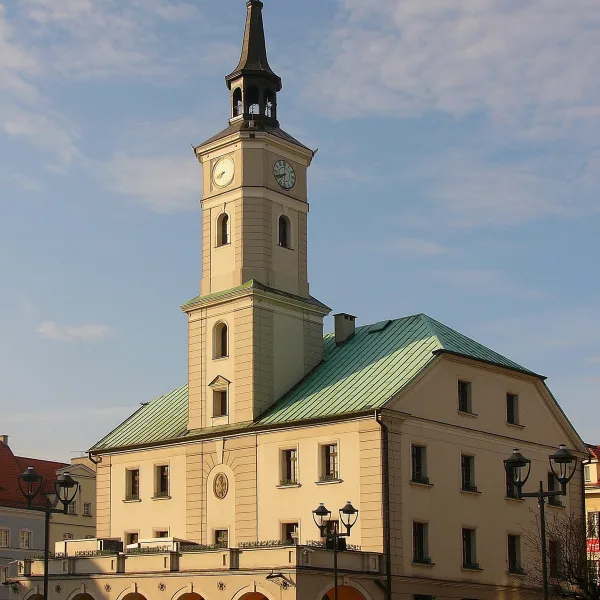
With the Old Town, because the largest number of buildings stands within a few dozen steps. The Town Hall at Rynek 1A rises in the middle of the square, and its clock tower is 41.5 m high. In front of the town hall your eye is drawn to a statue of the Immaculate from about 1726, and inside is the Wedding Palace. In the western part of the square stands the Neptune Fountain of 1794 with a sandstone figure of the god on a dolphin.
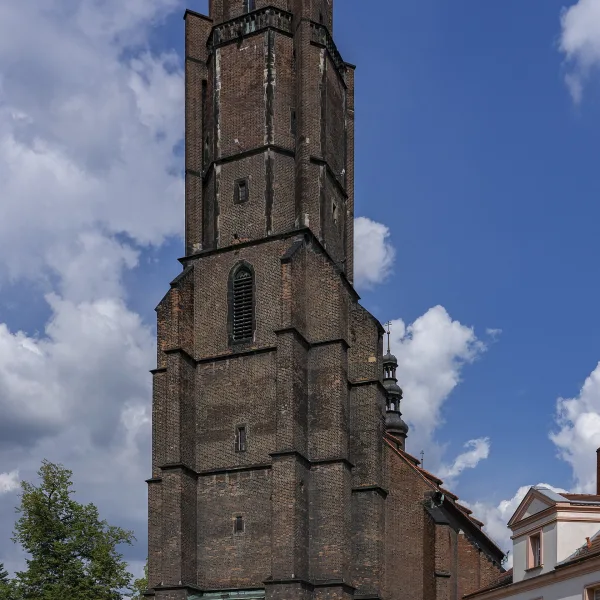
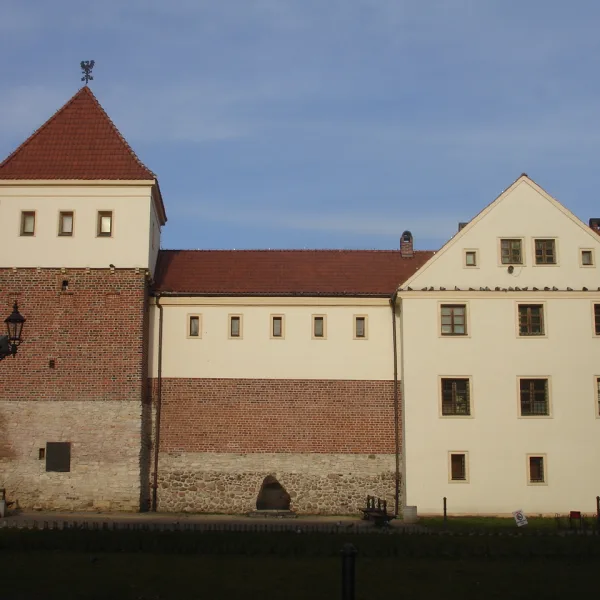
Close by rises the Church of All Saints, a Gothic hall church from the end of the 15th century. Its tower carries a viewing terrace above the Old Town. The Piast Castle at Pod Murami 2 was raised in brick in the mid-14th century. Since 1960 it has housed a museum branch telling the story of the city and its surroundings.
Where can you see Gliwice modernism and tenements from the turn of the century?
Along Zwycięstwa street you meet several buildings that are best taken in sequence.
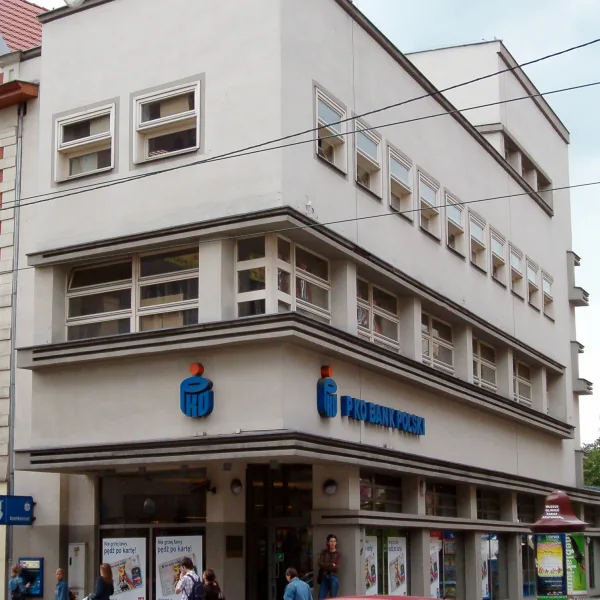
- The Weichmann Textile House at number 37, built in 1921-1922, is one of the first designs of Erich Mendelsohn.
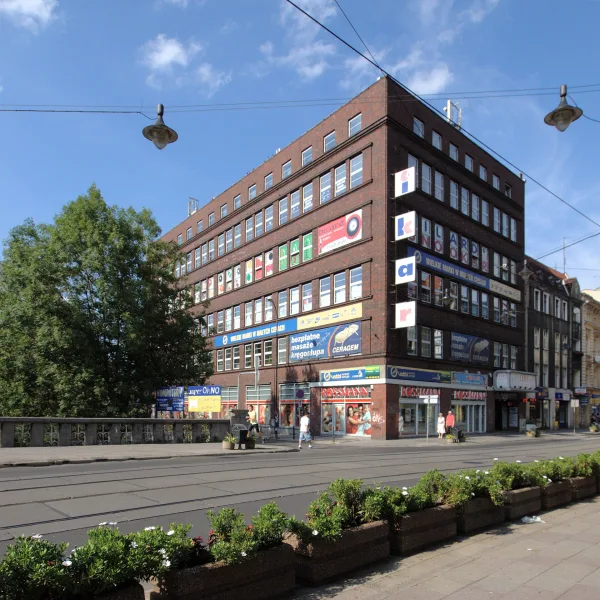
- The Ikar Department Store at number 23 was designed by Justus Fiegler and took from 1927 to 1930 to build.
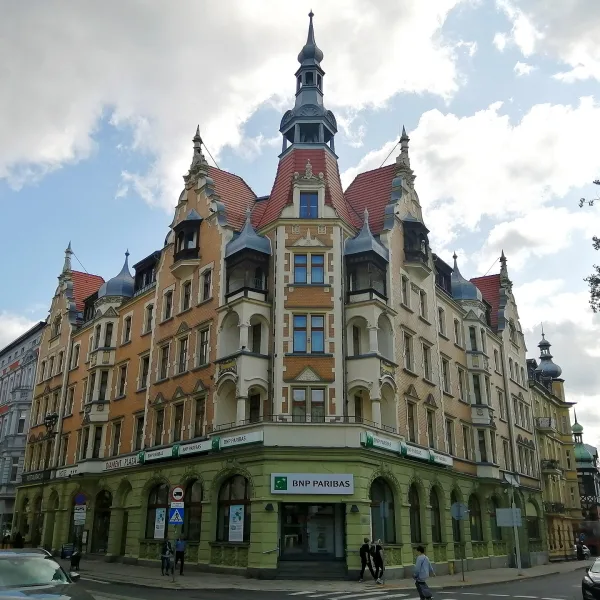
- The Hotel Diament at number 30 went up in 1895 in an eclectic manner. It was once called the Schlesischer Hof and is now in the monument register.
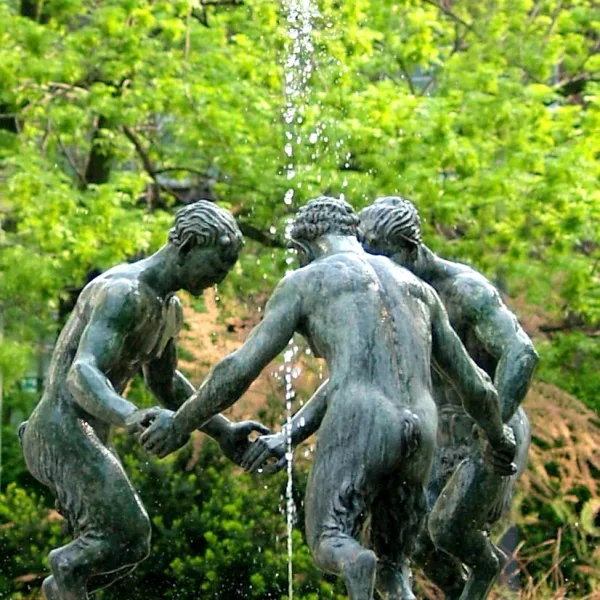
- The Fountain with Three Fauns in front of the City Hall is a cast-iron work of 1928, called Diabełki by the locals.
Modernism does not end with Zwycięstwa street, but this street lets you compare two realisations of the 1920s in one place.
Which Gliwice buildings are linked with industry?
Technology also gave the city historic structures, often less known than the town hall.
The Gliwice Radio Tower at Tarnogórska 127 was built in 1935. A wooden antenna tower, 111 metres tall, dominates it. The site is a branch of the Museum in Gliwice, a historic monument of national rank and the place of the Gleiwitz provocation of 1939, so it is visited in a sober manner.
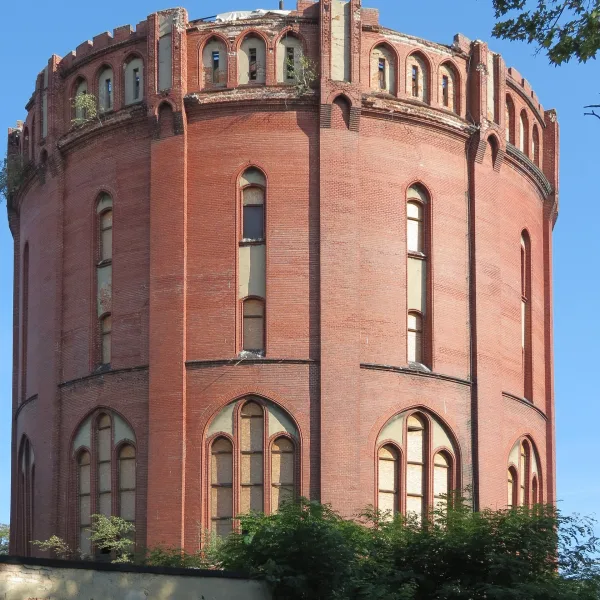
The Water Tower at Sobieskiego 20a is fifty metres tall, made of brick in Neo-Gothic form, and withdrawn from service in 1985. The narrow-gauge bridge over the Kłodnica dates from 1907; it is a reinforced-concrete truss rebuilt after the Second World War.
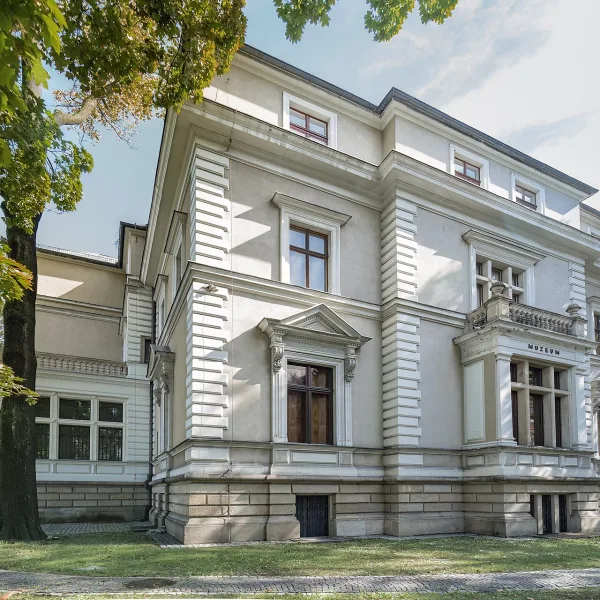
The industrialist Oscar Caro left the Villa Caro at Dolnych Wałów 8A: a Neo-Renaissance house put up in 1882-1885, where the museum has been based since 1934.
Which churches in Gliwice have the most interesting architecture?
Churches are the largest group, twelve addresses scattered across the districts.
Centre
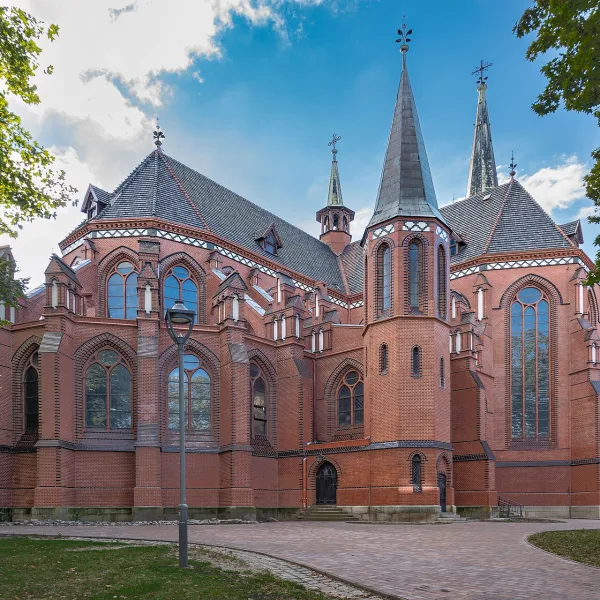
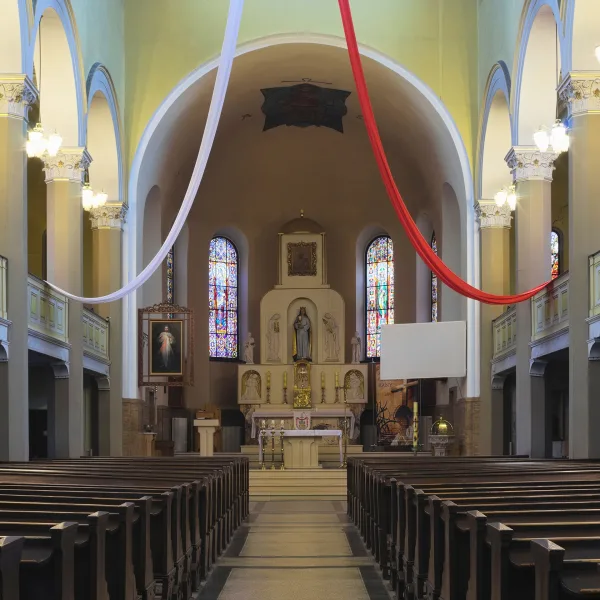
- The Cathedral of Saints Peter and Paul at Księcia Ziemowita 1a is a Neo-Gothic brick church built between 1896 and 1900. The tower reaches 75.5 metres, and the organ goes back to 1899.
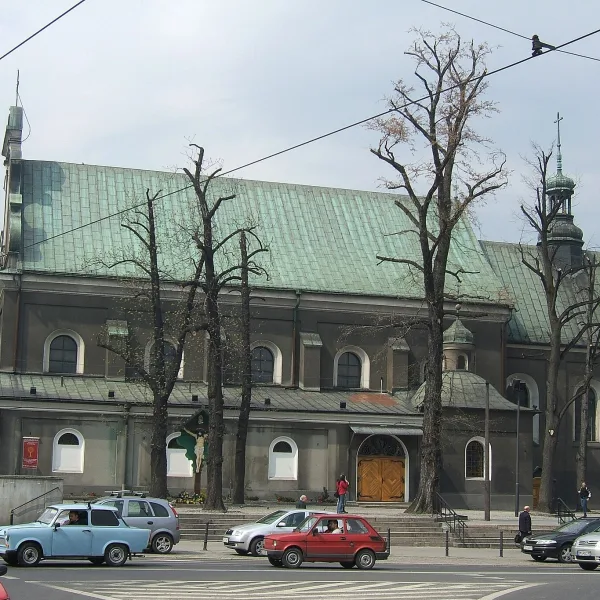
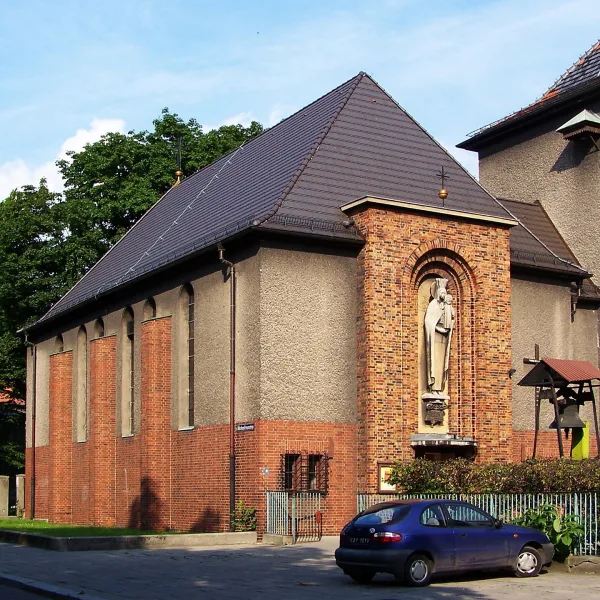
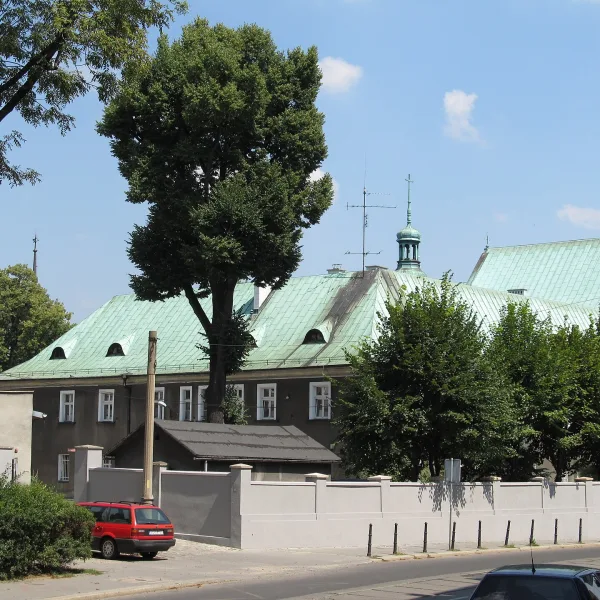
- The Church of the Exaltation of the Holy Cross together with the Redemptorist monastery forms a Baroque complex at Daszyńskiego 2. After a fire in 1677 the church was rebuilt; since 2015 it has served as a Marian sanctuary. The monastery, built round four wings in the 1600s, has been home to the Redemptorists from 1945.
- The Church of St Barbara at Dworcowa 39 was designed by Friedrich August Stüler in the Neo-Romanesque style; it was built in 1856-1859 as a Lutheran church and is a garrison church today.
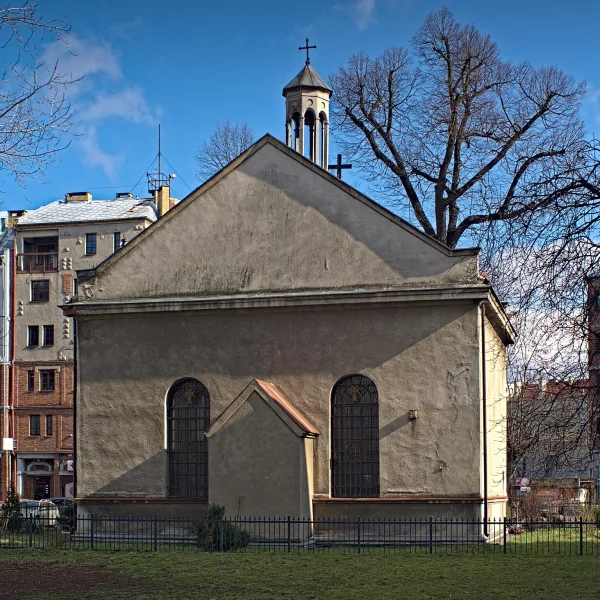
- The Church of the Holy Trinity on Mikołowska street is a Neoclassical church of 1836-1838 that houses the Armenian Catholic sanctuary of Our Lady of Łysiec.
- The Church of St Albert the Great was the chapel of the Albertinum boarding house of 1930-1931 and now serves as an academic church.
Szobiszowice, Ostropa and Łabędy
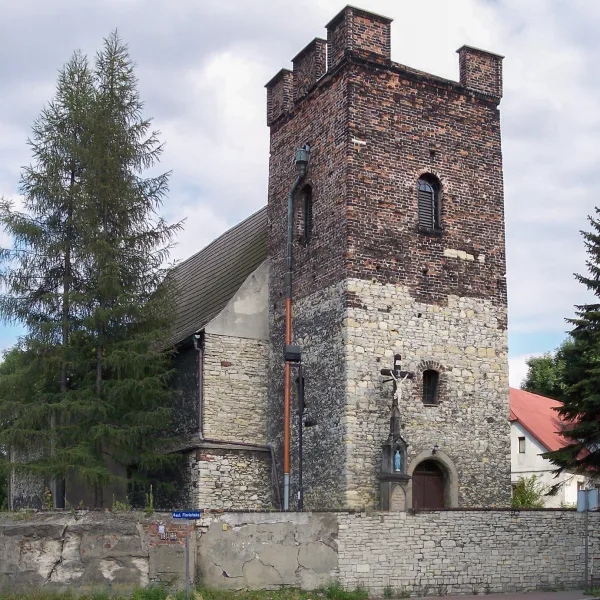
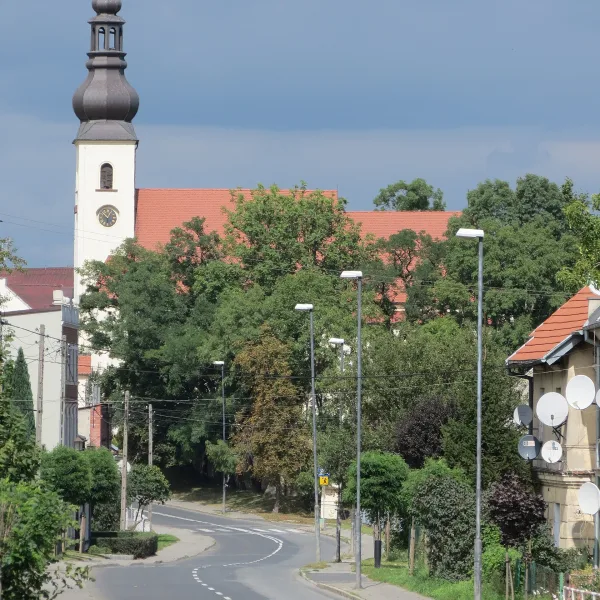
- The New Church of St Bartholomew in Szobiszowice is a Neo-Gothic structure of 1907-1911 with a tower 92 metres tall and an organ of sixty stops. Nearby you can find the older Gothic Old Church of St Bartholomew, surrounded by a wall, with polychromes of the 17th century.
- The Church of St George in Ostropa is wooden, with a masonry chancel, and its tower dates from about 1544.
- In Łabędy stands the Church of the Assumption, originally of the 15th century and later extended in the Baroque manner, with a wall and chapels.
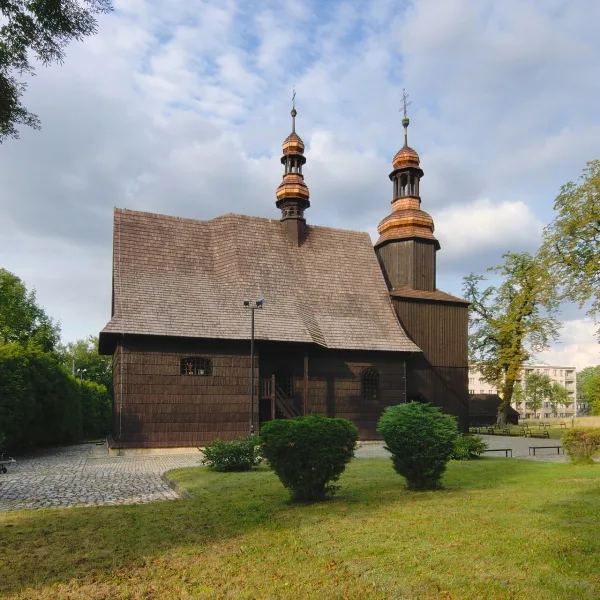
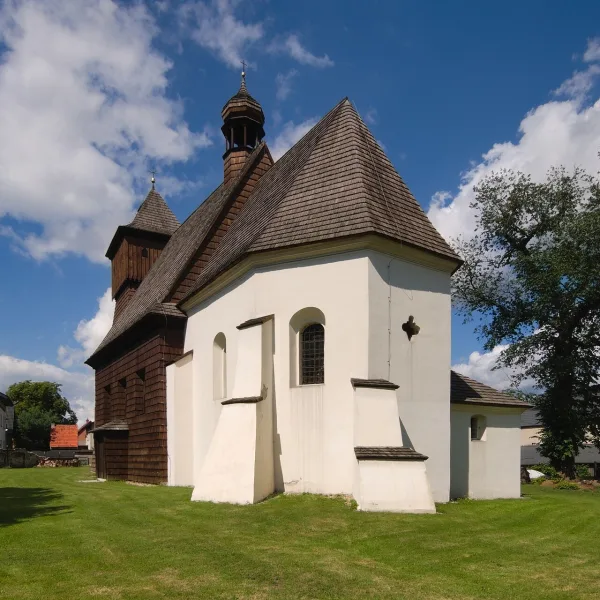
- The wooden Church of the Assumption at Kozielska 29 was built in 1493. It came from Zębowice in 1925 and was transferred a second time, to the Starokozielski Cemetery, between 1997 and 2000.
What is there to see in Stare Gliwice?
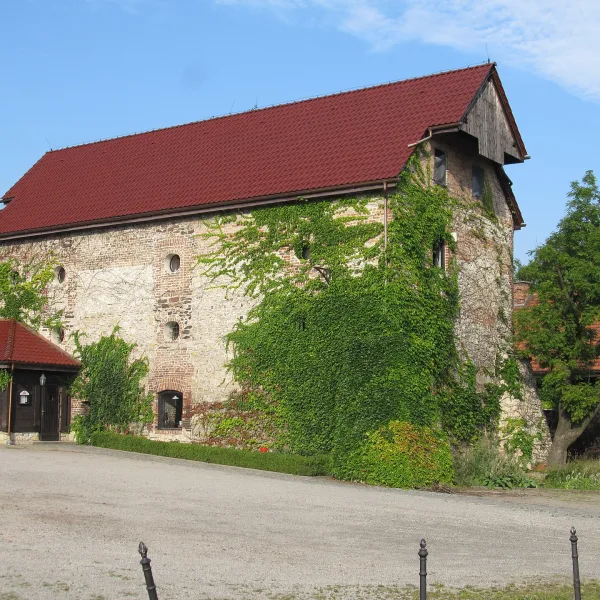
The former village, now a district, has kept two buildings on Wiejska street. The Knights' Castle at number 16B is a Gothic small castle of the 15th-16th centuries, converted into a granary in the 19th century. Not far off stands the granary of the 17th century, which belonged to the estates of the Franciscan monastery.
How can you plan a walk among Gliwice buildings?
Three addresses are easy to combine for practical reasons too: the square, the castle and All Saints lie within the Old Town, and the Weichmann house and Ikar are separated on Zwycięstwa street by a short stretch of numbers.
The layout of addresses suggests three routes. The first covers the Market Square, the Piast Castle and the Church of All Saints. The second follows Zwycięstwa street from the Ikar store through the Hotel Diament to the Weichmann house. The third links Szobiszowice with both churches of St Bartholomew. For greenery to round off the walk, see reserves and green enclaves in the GZM cities.
Frequently asked questions
Which Gliwice sites suit a lover of modernism?
On Zwycięstwa street stand the Weichmann house by Mendelsohn and the Ikar department store. This is a good start.
Which church in Gliwice has the oldest date?
The wooden church at Kozielska 29 comes from 1493, though it has been moved twice. The Old Church of St Bartholomew in Szobiszowice is Gothic as well.
What is the Gliwice radio station?
It is a branch of the Museum in Gliwice dating from 1935; its wooden antenna tower is 111 metres tall, and the site is a historic monument.
Where can you look for the rest of Gliwice's monuments?
The whole city is described on the page Gliwice, and buildings of other towns in the region are in the section Architecture.

 Historic sites