Architecture in Racibórz: a Gothic castle, a Renaissance tower, a parish church, a 1930s rotunda and a water tower. Sixteen buildings in town.
Racibórz has a layout that makes sightseeing easy: the main monuments cluster around Ostróg and the Market Square, while the rest lie in districts you reach separately. The buildings below are arranged by place and period. A broader overview of the town is in things to do in Racibórz.
What should you see in Racibórz if you care about architecture?
Begin on Ostróg, where a castle, a brewery, a prison tower and a neo-Gothic church stand side by side. Then walk to the Market Square, to the parish church and the Dominican church. Leave the district churches and the water tower for the second half of the day or another visit.
The set covers defensive and princely architecture, eight churches, civic and technical buildings. A regional list of monuments is gathered under architecture in Silesia.
Which buildings stand on Ostróg in Racibórz?
On Ostróg, once an island by the river, you will see the castle with its chapel, the castle brewery, a tower, the church of St John the Baptist and a bridge. All lie within a short walk, so this is the natural place to begin.
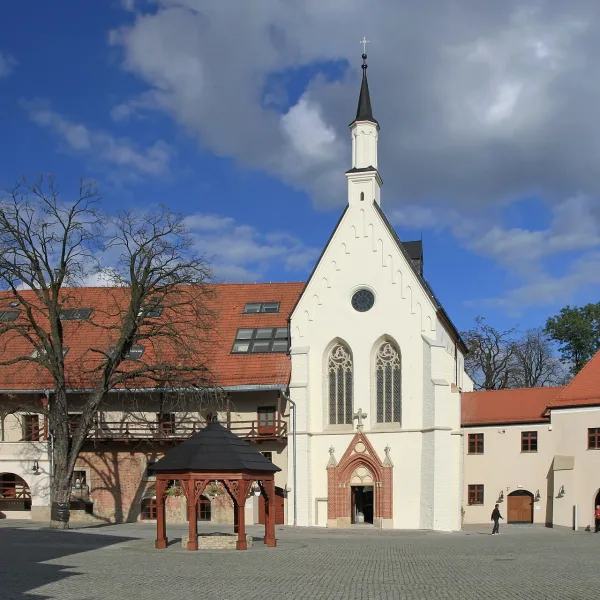
The castle in Racibórz at Zamkowa 2 is a brick ensemble: a Gothic chapel, the building called the princes' palace and a gate block. Museum exhibitions are housed here today, and the tower contains a dungeon. A stronghold once guarded the frontier on this spot. You can read about the chapel and the tale of the stone head in Racibórz castle: St Thomas's chapel and the legend of the stone head, and about other strongholds of the region in castles of Upper Silesia and the Zagłębie.
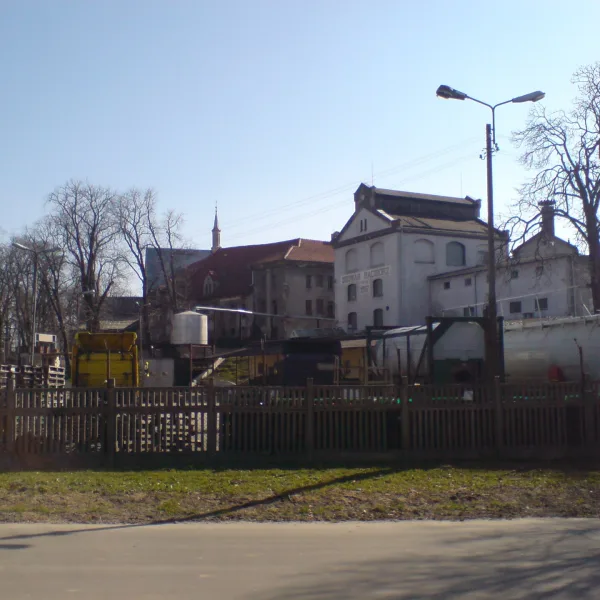
The Castle Brewery operates on the castle grounds. Beer was brewed by the castle from the early sixteenth century, but the present plant dates from the nineteenth, and visitors can look round. The article Beer from open vats discusses the particulars of brewing in Racibórz.
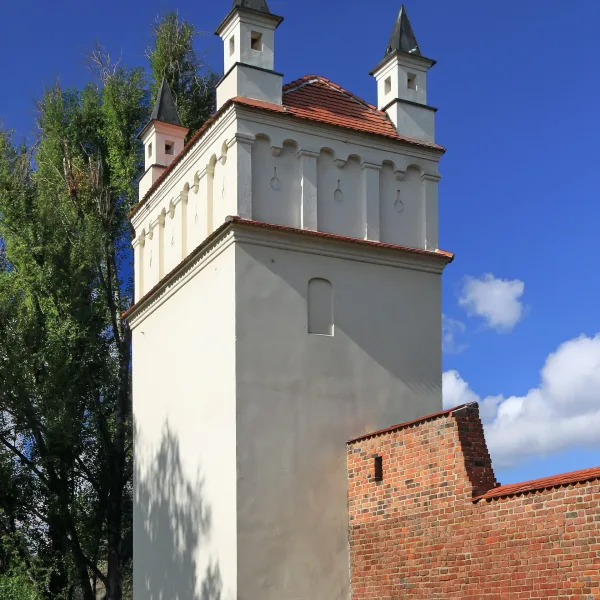
The Prison Tower on Basztowa Street dates from the Renaissance, roughly 1574. It served as a prison and remains one of the town's emblems, shown on a special two-zloty coin, in the city logo and on the badge of the 900th anniversary celebrations.
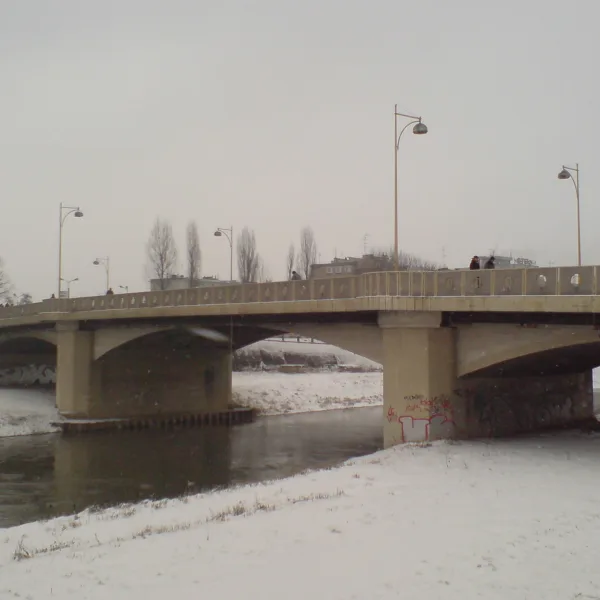
The Church of St John the Baptist at Morawska 1 stands right by the castle. The neo-Gothic church took a decade to build from 1856, with plans drawn by Vincenz Statz of Cologne; it keeps an image of Christ in Distress regarded as miraculous. The Castle Bridge over the Oder links it with the castle: a crossing has existed since 1299, first wooden and burnt in the town fire of 1637, while the present bridge was rebuilt after the war.
What to see around the Market Square and inside the old walls?
By the square and nearby lies the heart of the old town: a Marian column, the Dominican church of St James, the parish church, a court building and sections of wall. It is the best stretch for a walk with a notebook on styles, from Gothic to Neoclassicism.
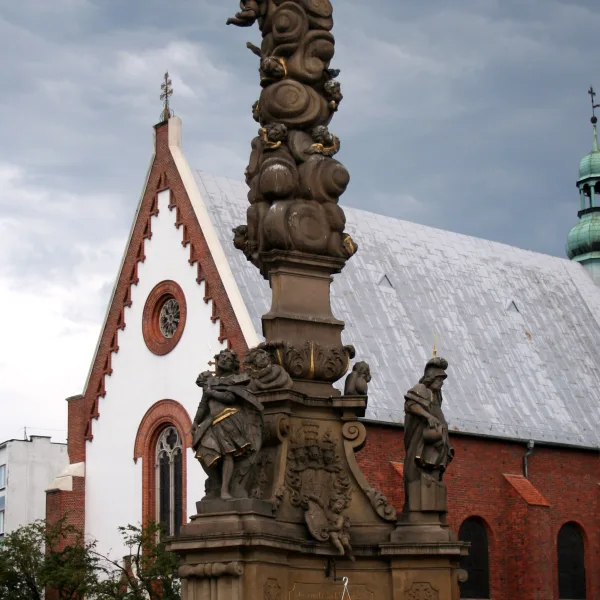
The Marian Column rises from the centre of the square. The Austrian artist Johann Melchior Österreich carved the late Baroque sandstone sculpture in 1725-1727 as a thanksgiving after a plague. St James's Church at Rynek 1 is the only remnant of the Dominican monastery. It was begun in the thirteenth century and owes its present Gothic form to a rebuilding at the start of the fifteenth. Inside, seek out the Rosary altar and the tomb chapel of a noble family, the von Gaschins.
The parish church on Mickiewicza Street is the oldest church in town and the former seat of a collegiate chapter. It is a single-nave brick Gothic building with one tower and star vaults. A Baroque altar and choir stalls adorn the interior.
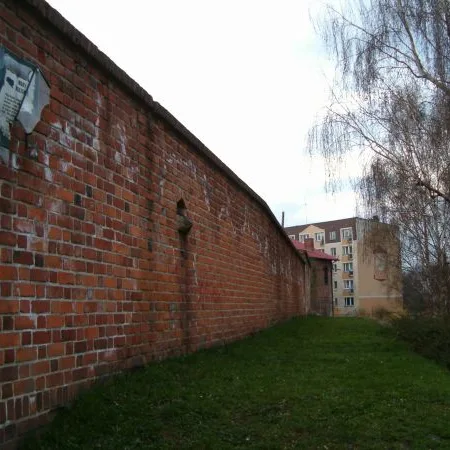
Little remains of the town fortifications. The town walls survive in several sections, among others along five streets, including Drzymały and Batorego; they are dated between the thirteenth and seventeenth centuries. The first defences took the form of an earthen rampart, replaced later by brick walls.
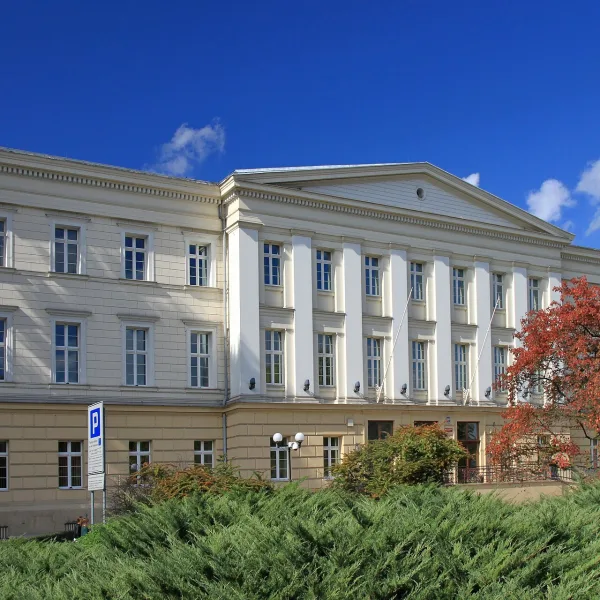
At Nowa 29 stands the historic court building. The Neoclassical edifice was put up in 1823-1826 for the Higher Regional Court of the Province of Upper Silesia to plans by Karl Friedrich Schinkel. A district court still sits here, so you see it from outside.
Which district churches in Racibórz stand out architecturally?
Outside the centre five churches stand out: a Baroque shrine and an Expressionist rotunda in Nowe Zagrody, neo-Gothic brick in Sudół and Markowice, and modernism in Ocice. Each represents a different era.
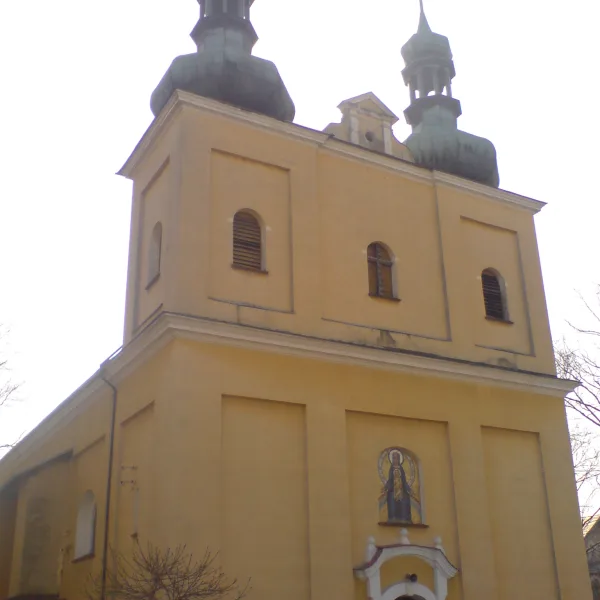
The Church of Our Lady stands in Nowe Zagrody and is a Marian shrine from the Baroque era. Masons worked from 1723 to 1736. Pilgrims come to the painting of Our Lady of Racibórz, which is older than the church.
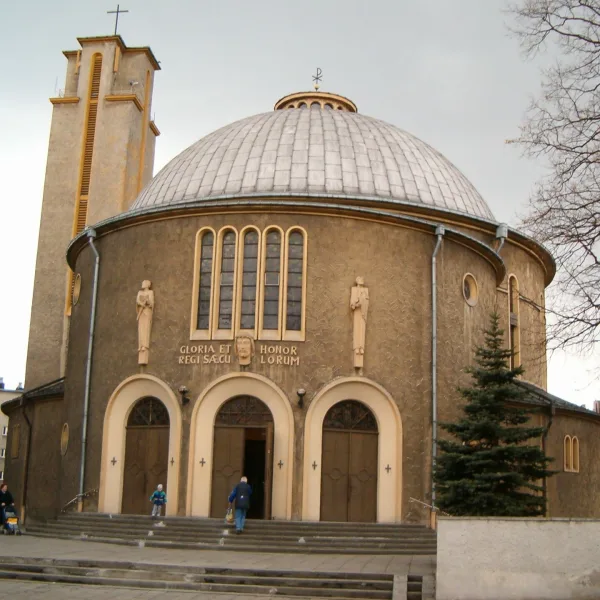
In the same district, at Warszawska 29, stands the Church of the Sacred Heart of Jesus: a rotunda with a large dome on twenty reinforced-concrete pillars, completed in the mid-1930s. Otto Linder of Stuttgart designed it, and Emil Sutor made the sculptures. It was consecrated on 20 October 1935.
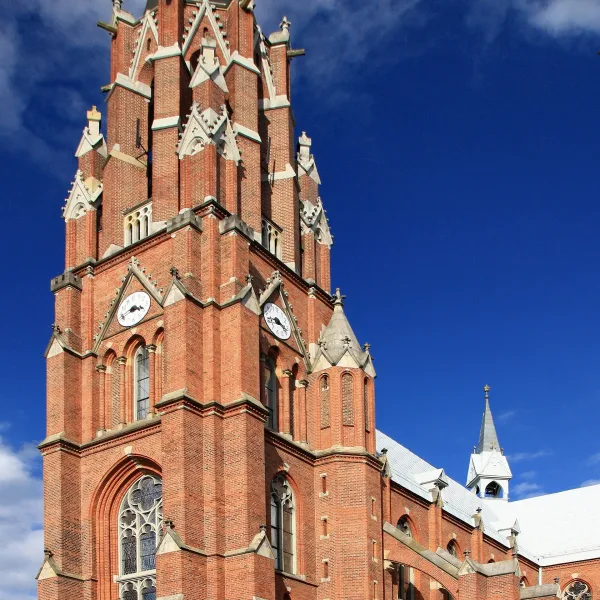
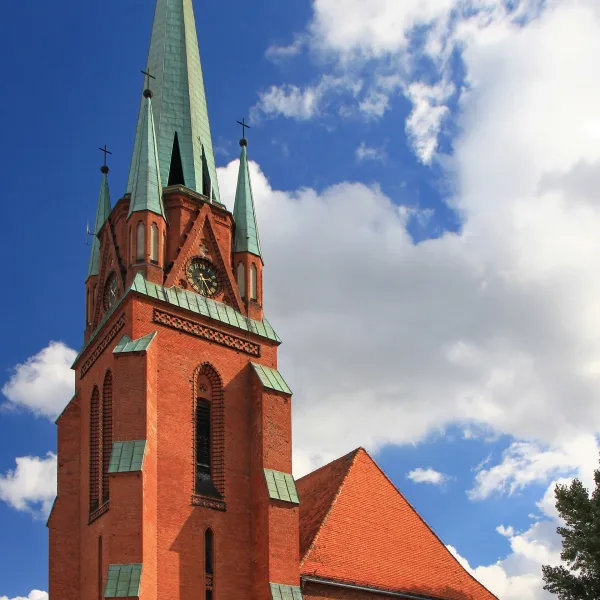
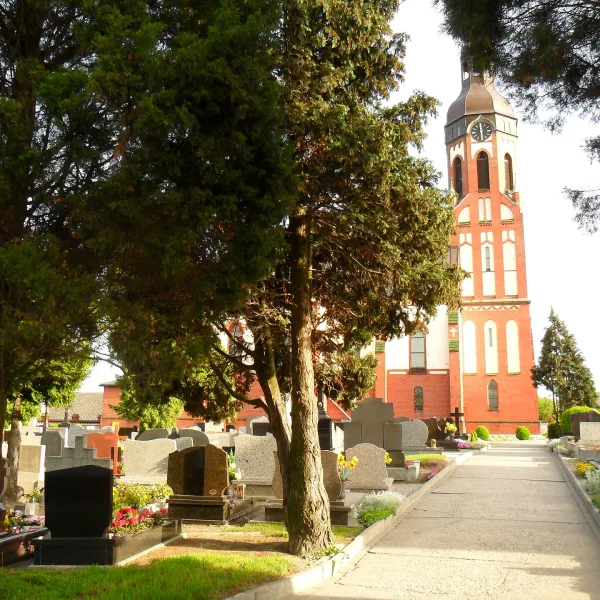
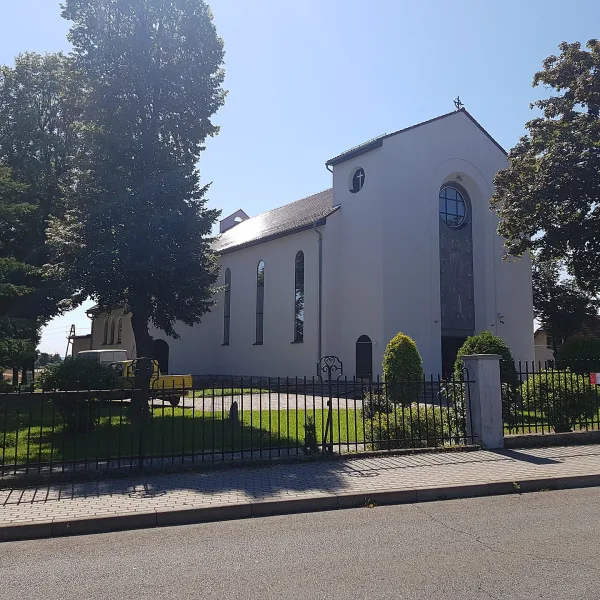
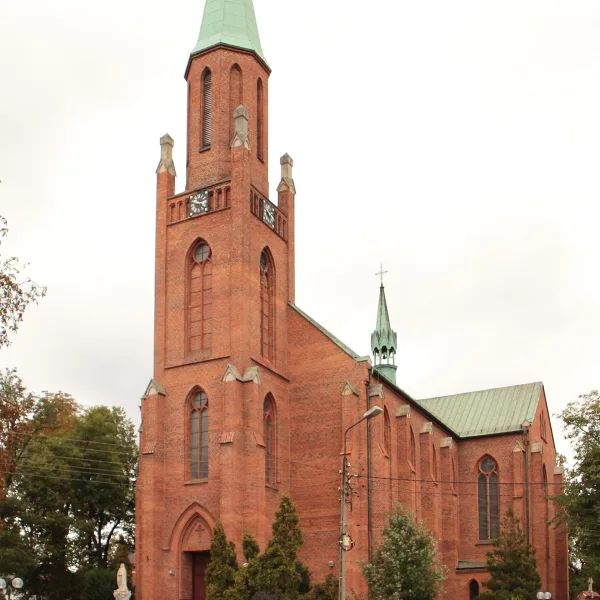
In the Sudół district you find the Church of Our Lady of the Rosary at Czynu Społecznego 8: brick neo-Gothic with one nave and a transept, consecrated by Cardinal Georg Kopp. In Markowice, on Powstańców Śląskich Street, stands St Hedwig's Church, neo-Gothic brick of 1874-1877; the parish was founded as early as the thirteenth century, so the present building replaced several wooden predecessors. In Ocice, at Gdańska 70, rises St Joseph's Church, brick modernism of the late 1930s by Felix Hinssen of Nysa, listed as a monument.
Is the Racibórz water tower worth seeing?
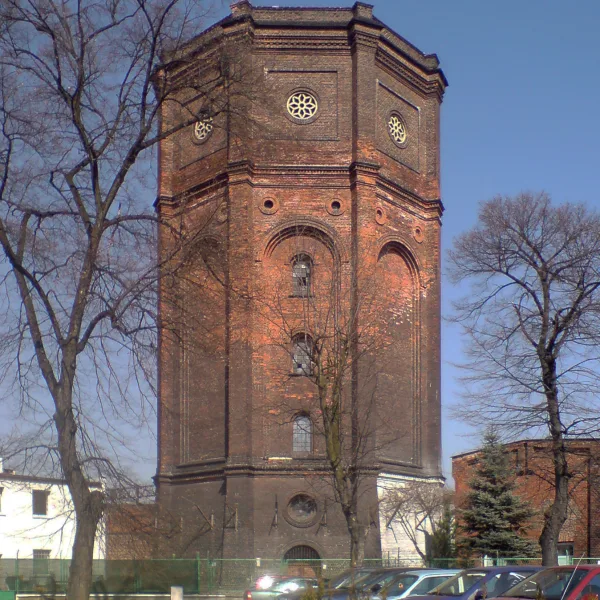
Yes, if you like industrial architecture. The brick tower on 1 Maja Street sits within the municipal waterworks and is one of the less obvious stops on the route. You look at it from outside.
The water tower was commissioned on 23 September 1874. It rises 25 metres, and the tank took half a thousand cubic metres of river water. The railway and the factories of the growing town relied on it for years. The other towers of the region are described in Water towers of Silesia.
Frequently asked questions
Where to begin sightseeing the architecture of Racibórz?
On Ostróg: the castle, brewery, tower, church of St John the Baptist and bridge lie close together. Then walk to the Market Square for the column, the parish church and the Dominican church.
Which buildings in Racibórz are the oldest?
The oldest are the parish church, regarded as the town's oldest, and the Dominican church of St James from the thirteenth century. A crossing of the Oder by the castle has existed since 1299, and sections of the walls date from the thirteenth century.
Can you go inside the historic court building?
It is a working court, so you do not tour the interior. You admire the Neoclassical edifice from Nowa Street.
Can tourists enter every church in Racibórz?
These are active parish churches, so a visit depends on services. Keep quiet and avoid the time of Mass.

 Historic sites