Cemeteries and monuments in Sosnowiec: a multi-faith necropolis on Smutna Street, two Jewish cemeteries and monuments to Jan Kiepura and John Paul II.
Seven cemeteries and two monuments tell the story of an industrial town of factory owners, workers and merchants of many faiths. Some places are still in use and others were devastated, so it helps to know what to expect before you go.
Which cemeteries in Sosnowiec should you see first?
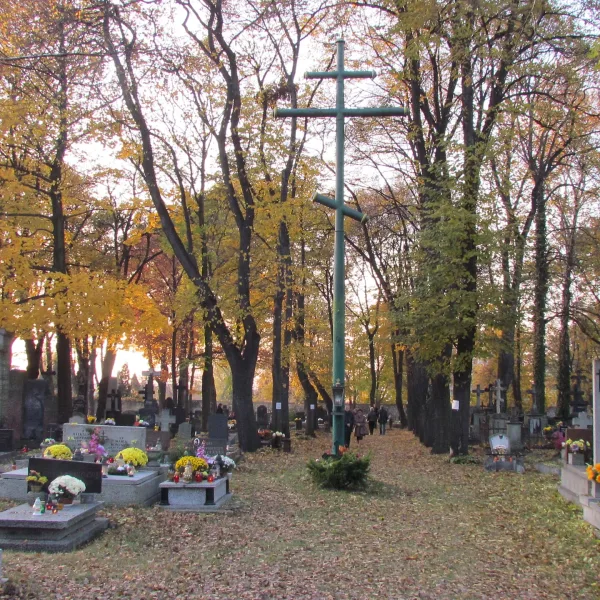
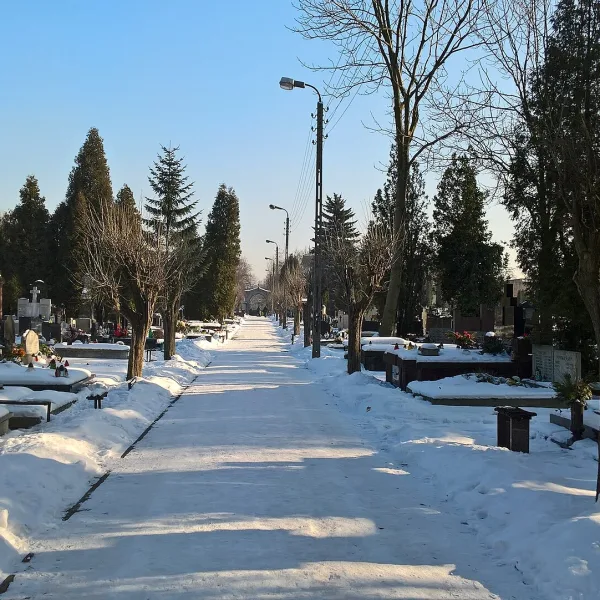
Start with the group on Smutna Street, where the Lutheran, Orthodox and Roman Catholic cemeteries lie side by side. The easiest way to take them in is as a whole, under the name Multi-Faith Cemetery in Sosnowiec, and only then look at each part.
What do the Lutheran, Orthodox and Catholic cemeteries hold?
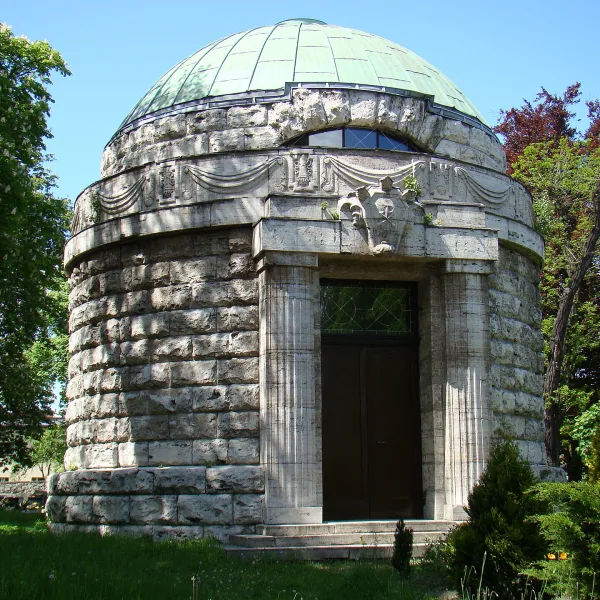
The Lutheran Cemetery in Sosnowiec is divided into seven sections, and its main monument is the mausoleum of the Dietel family. You can read more about the Dietels and their palaces in the article on the palaces and mausoleum of Sosnowiec industrialists.
The Orthodox Cemetery in Sosnowiec was founded in 1894 on less than a hectare. An Orthodox church is linked to the site. It is the only Orthodox cemetery in the whole Upper Silesian-Zagłębie Metropolis.
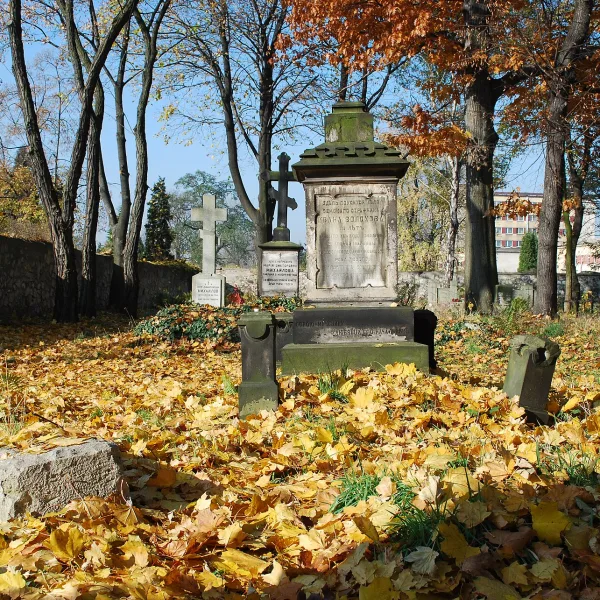
The Roman Catholic cemetery on Smutna Street was consecrated in 1895. It has historic family tombs and stone sculpture. In 1920 a mausoleum was raised here to thirteen participants of the first Silesian Uprising; today only the place remains.
Where are the Jewish cemeteries in Sosnowiec?
There are three, in different districts, and each is preserved differently. All suffered during the Second World War, and their present state shows the scale of the losses.
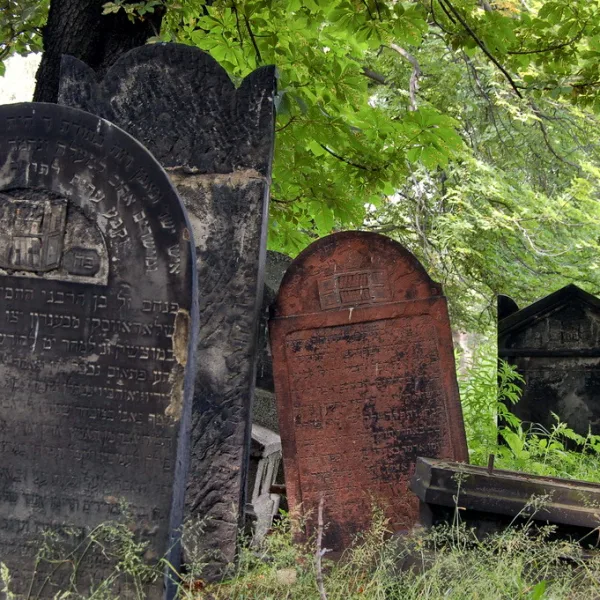
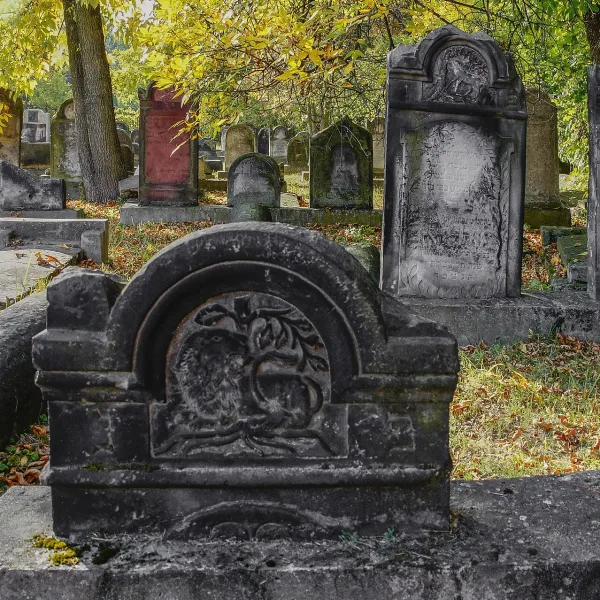
The Old Jewish Cemetery lies on Pastewna Street in Modrzejów. It existed already in the eighteenth century, and the oldest surviving gravestone dates from 1790. About three hundred gravestones or fragments survive.
The Jewish Cemetery in Rudna at Gospodarcza 1 covers about a hectare. Around three hundred gravestones remain, and a monument to the murdered Jews stands on the site.
The newest Jewish cemetery in Milowice on Stalowa Street was probably created between the wars. A few dozen gravestones survive. For wider context, see the article on the ghettos in Będzin, Sosnowiec and Zawiercie.
Which monuments in Sosnowiec are worth knowing?
Two large monuments stand on city squares and are easy to combine with a walk through the centre.
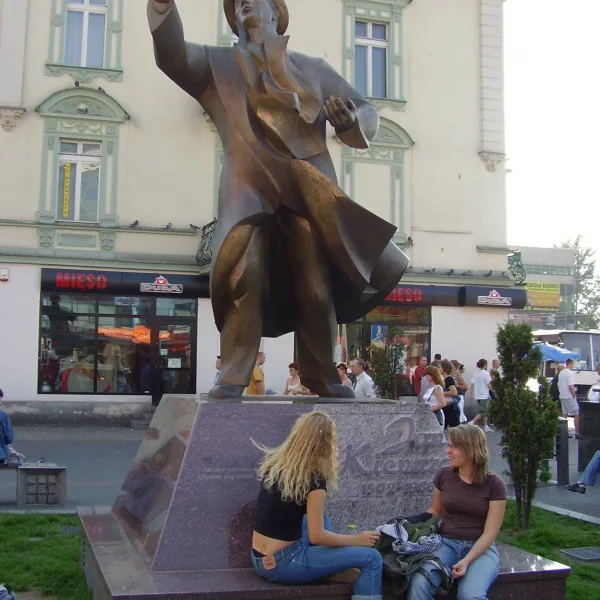
The Monument to Jan Kiepura on Plac Stulecia was unveiled on 15 May 2002, the day before the singer's hundredth birthday. It is a bronze figure of nearly three metres on a granite plinth.
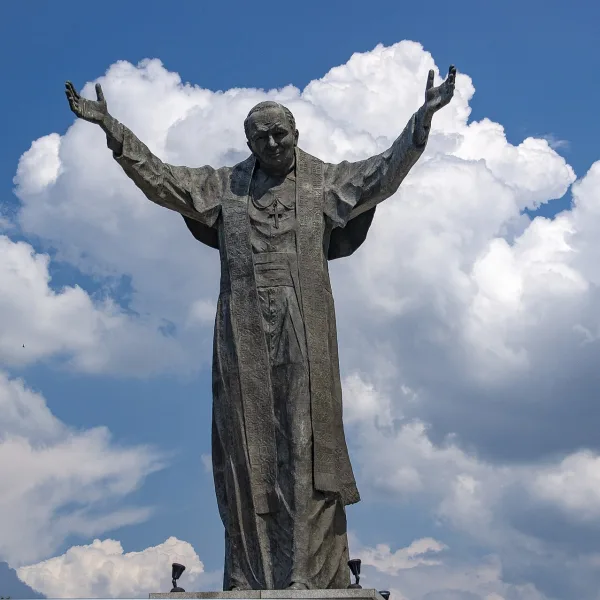
The John Paul II Monument stands on Plac Papieski near Gwiezdna Street. It commemorates the Pope's visit of 14 June 1999. The cast-iron figure is 4.5 metres tall, and with its pedestal the whole monument is about nine metres high.
What else can you see in Sosnowiec nearby?
After a cemetery visit it helps to change the mood: parks and nature in Sosnowiec offer greenery, while churches and monasteries and historic sites in Sosnowiec complete the picture of the town. Everything else in town is under things to do in Sosnowiec, and similar places across the region are gathered under cemeteries and monuments in Silesia.
Frequently asked questions
Are the cemeteries in Sosnowiec still in use?
The Lutheran, Orthodox and Roman Catholic cemeteries on Smutna Street are in use. The Jewish cemeteries were devastated in the war and keep only part of their gravestones.
Where is the Jan Kiepura monument in Sosnowiec?
On Plac Stulecia. The bronze sculpture is nearly three metres tall and stands on a granite plinth.
Which cemetery in Sosnowiec is Orthodox?
The only Orthodox one lies on Smutna Street. It was founded in 1894.
Where is the John Paul II monument in Sosnowiec?
On Plac Papieski near Gwiezdna Street. The cast-iron figure is 4.5 metres tall.

 Cemeteries and monuments