Free in Częstochowa: the parks beside Jasna Góra, Lisiniec Park, old cemeteries and monuments that you can see without a ticket.
In a city known for its shrine, many places need no paid entry. They include green parks, historic burial grounds and sculptures in public space, a solid base for a walk around Częstochowa. Similar ideas from the whole region are collected among the free places in Silesia.
Where can you walk for free in Częstochowa?
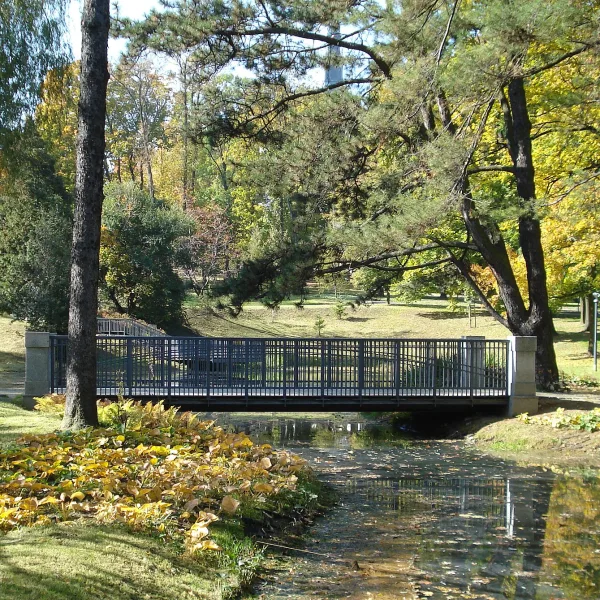
The largest green area is the Jasna Góra parks: the Stanisław Staszic Park and the 3 Maja Park, which wrap round the monastery from the east. Together with Sienkiewicz Avenue they take in 11.8 ha, and since 1994 they have been protected as a Monument of History. On a stroll you pass pavilions left from the 1909 exhibition and the entrance to an underground mining museum.
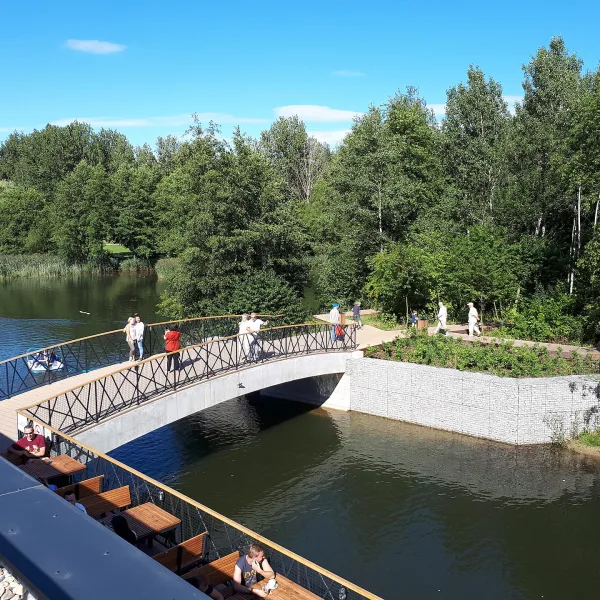
For water and a beach, pick Lisiniec Park. The park covers 41.23 ha and is built around three reservoirs (11 ha together), with a beach, rental of boats and similar equipment, and a rope park. Parkitka Park in the Częstochówka-Parkitka district is smaller and neighbourhood in character. It was laid out in 2002 on 1.8 ha, on land the city took over for a housing estate of the 1980s.
Which monuments and bench sculptures are worth seeing in Częstochowa?
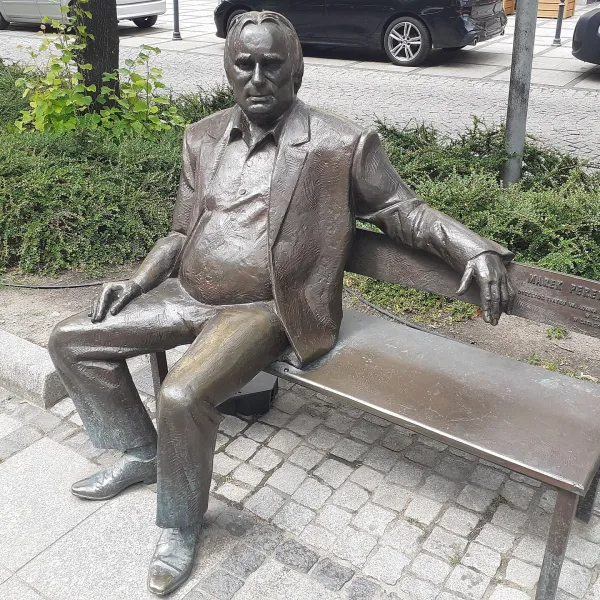
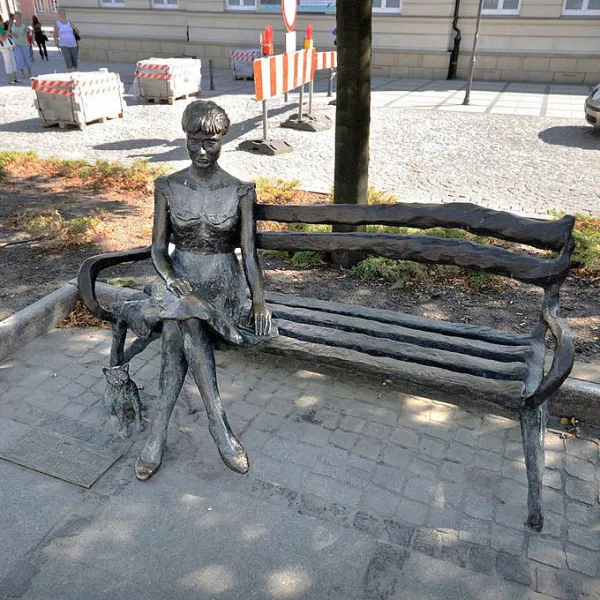
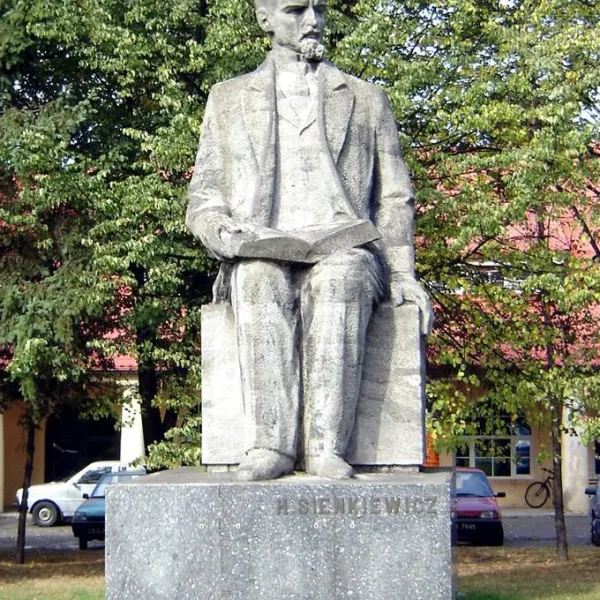
Three bronze benches stand along Aleja Najświętszej Maryi Panny: the poet Halina Poświatowska with a cat at her feet (Robert Sobociński, 2007), the actor Marek Perepeczko (Wojciech Pondel, 2014) and the physician Władysław Biegański (also by Pondel, 2008), shown with a book and stethoscope. On the same avenue, by the school that bears his name, Henryk Sienkiewicz sits in a sculpture by Stefan Policiński from 1973.
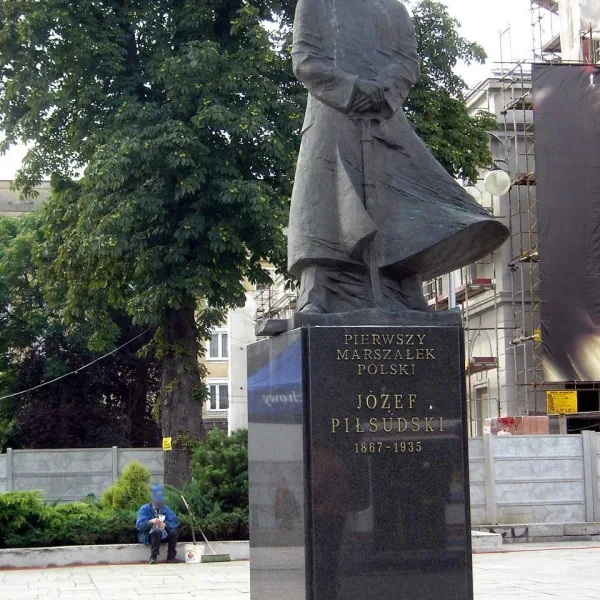
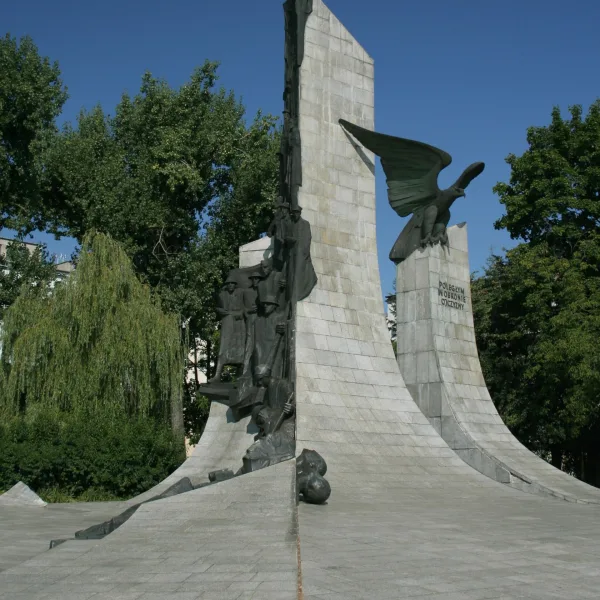
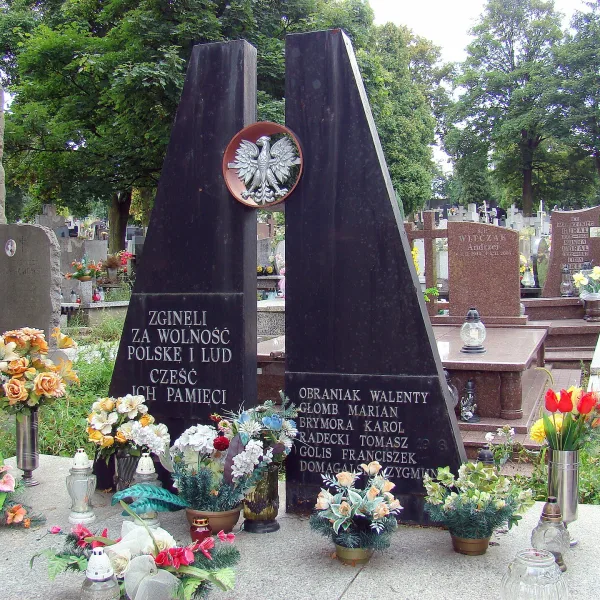
In the centre there are two larger monuments. The Piłsudski monument on plac Biegańskiego was unveiled in 1997 and is the work of Stanisław Słonina. The Monument to Those Who Fell in Defence of the Homeland, from 1985 on plac Pamięci Narodowej, consists of two granite columns and 185 sculptures.
Which cemeteries in Częstochowa are of historical value?
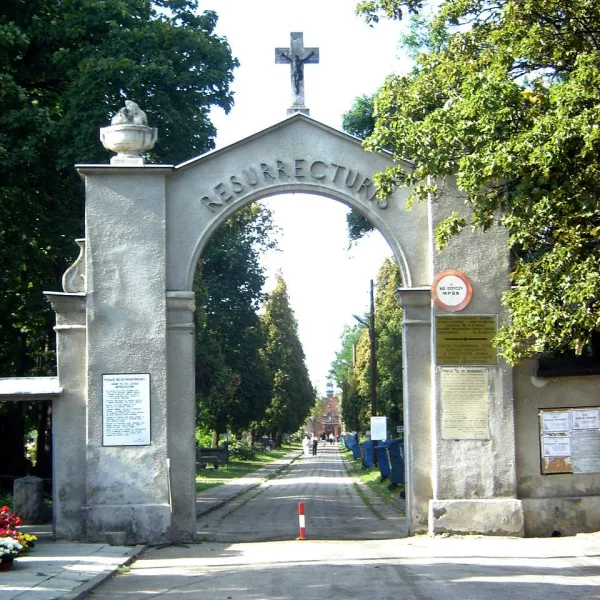
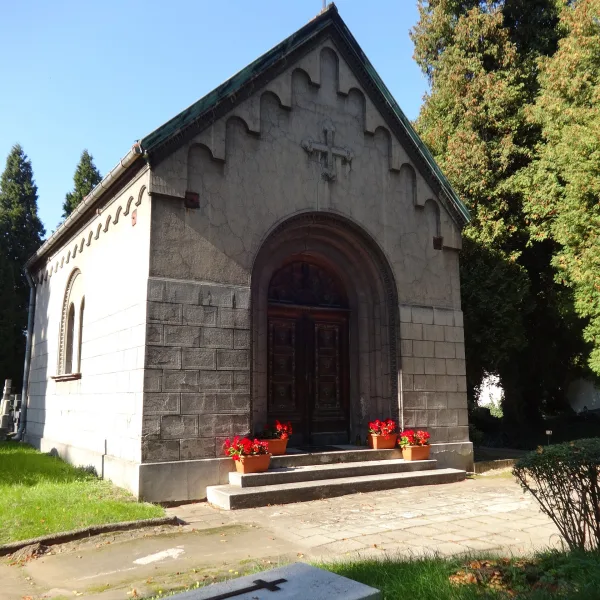
Today the cemeteries draw visitors with their history and the architecture of their tombs, so visit them with respect. Kule Cemetery on Cmentarna street, founded in 1882, kept around a thousand headstones from the time before 1939, plus tomb chapels and war graves. St Roch's Cemetery has served since 1641; it has a Baroque chapel and sections for insurgents and war victims. Next to it lies the Evangelical-Augsburg cemetery of 1860, the only one in the city for members of that Church, where First World War soldiers are buried.
Rakowski Cemetery lies at Palmowa 22 on the slope of Błeszno hill. It was founded in 1910, and prewar headstones and mass graves survive.
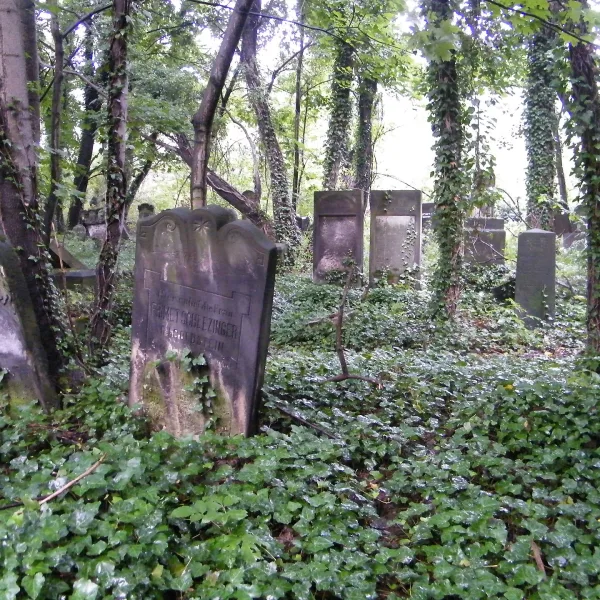
The Jewish cemetery on Złota street is a place of a different, sober character. The site, about 8.5 hectares, is listed among monuments, is covered by forest, and hides thousands of matzevot and mass graves from 1943. For the wartime story, see the article on the ghetto in Częstochowa and the HASAG works.
Frequently asked questions
Which green spaces in town charge no entry?
The Jasna Góra parks, Lisiniec Park and Parkitka Park. The first lie by Jasna Góra, the second has reservoirs and a beach, the third is a neighbourhood park from 2002.
Where is the Halina Poświatowska bench?
On Aleja Najświętszej Maryi Panny, near the Pilgrimage Museum. It was unveiled on 11 October 2007.
How large is the Jewish cemetery in Częstochowa?
At roughly 8.5 hectares it ranks among the biggest Jewish burial grounds in the country. You will find it in Dąbie district, on Złota street.
Is there a park with a beach in Częstochowa?
Yes, Lisiniec Park. It has three reservoirs and a rental of water equipment.

 Parks and nature