Architecture in Częstochowa goes beyond Jasna Góra: neo-Gothic churches, early twentieth-century townhouses, a palace in Raków and old necropolises.
Częstochowa is associated with pilgrimages, yet its buildings show far more: a Gothic church in the Old Town, a former Orthodox church, Art Nouveau banks along the main promenade and a historic brewery. The selection has nineteen places arranged so that they can be seen on foot or in a few short trips. More buildings of this kind across Silesia are gathered under Architecture, and a broader overview of the city is in the list of attractions in Częstochowa.
What else is there in Częstochowa apart from Jasna Góra?
First the monastery hill, then the Alley of the Blessed Virgin Mary with its townhouses, and finally the former Częstochówka and the districts where churches of various eras stand. This plan fits into two days and needs no car if you choose sites on the same streets.
The nineteen sites are ten churches and places of worship, five secular monuments and four cemeteries. Add two bank buildings, a small palace and a brewery, and even someone with no taste for sacred architecture will find plenty to look at. In the rain, church interiors and the banking hall in the townhouse on Piłsudskiego Street work best.
How to combine Jasna Góra with other buildings?
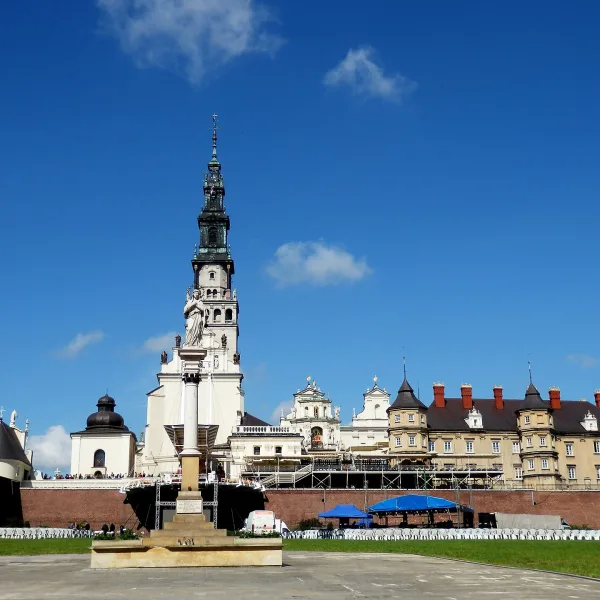
Jasna Góra is a Marian shrine and a Pauline monastery on a hill, where the painting of Our Lady of Częstochowa is kept. The complex also holds a fortress from the 1600s, a treasury and an observation tower. The history of its fortifications is described in the article on Jasna Góra as a fortress and the siege of 1655.
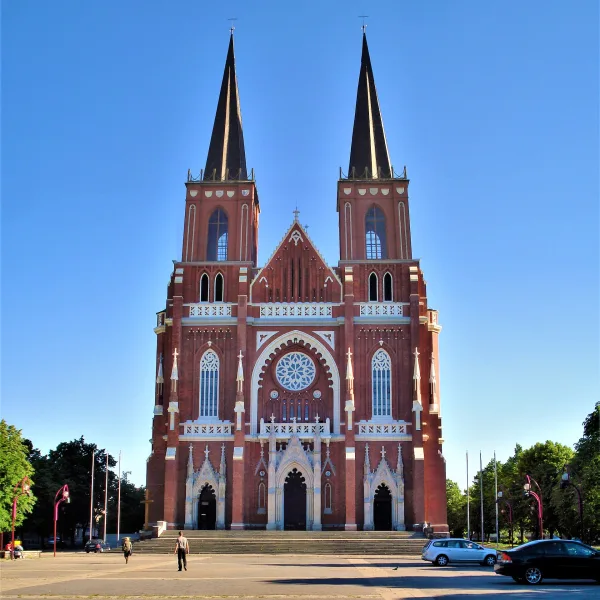
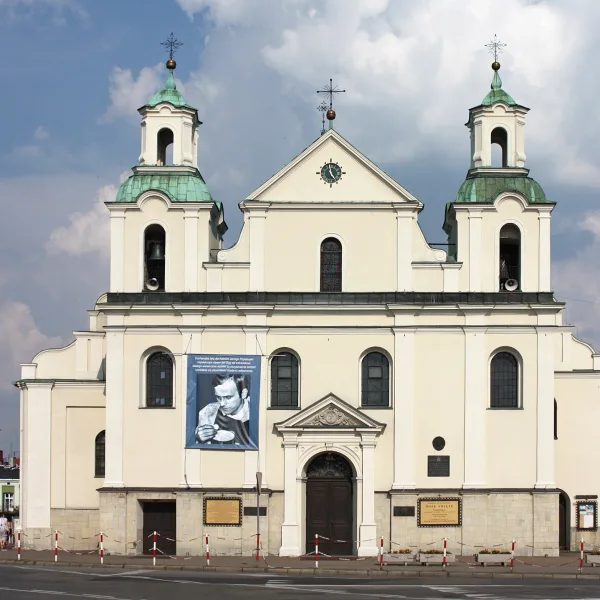
Six hundred metres from the monastery, on the corner of St Barbara and St Augustine streets, stands St Barbara's Church, a Baroque shrine. A spring beside it is connected with the story of the image. The Archcathedral of the Holy Family on Krakowska Street is a neo-Gothic brick basilica with three naves, built between 1901 and 1927. Its organ has one hundred and one stops, and the bishops of Częstochowa are laid to rest in the crypt.
What is there to see along the Alley of the Blessed Virgin Mary?
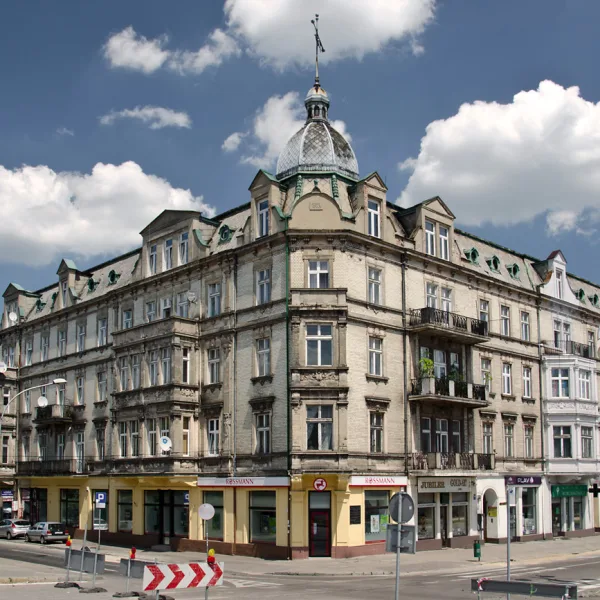
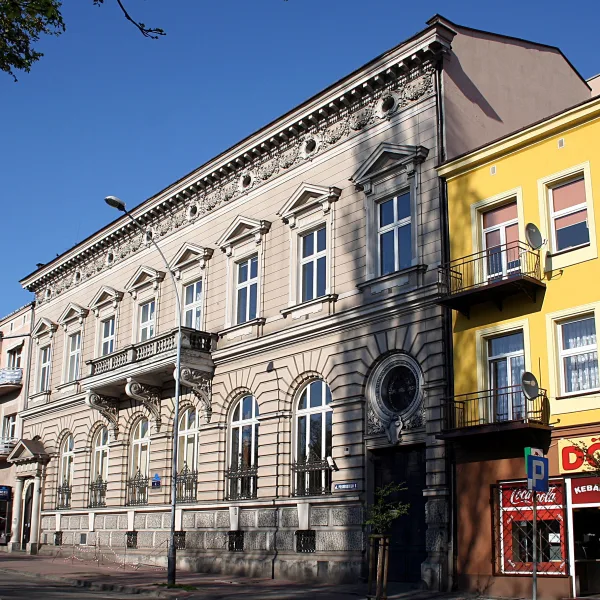
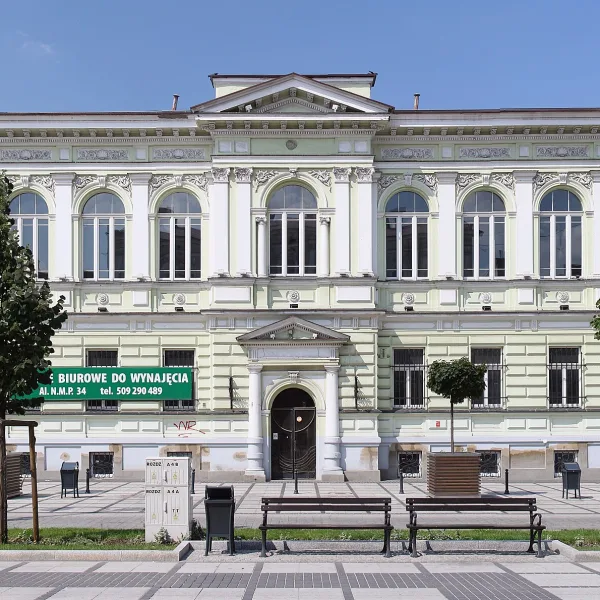
The Alleys are the city's main promenade and a good place to walk from number to number. At number 14 stands Franke House, a four-storey eclectic townhouse of 1901-1903 built for Adolf Franke. At number 34, in the Second Alley, you can see the Bank Polski building of 1903-1904, finished in a blend of Renaissance and Art Nouveau.
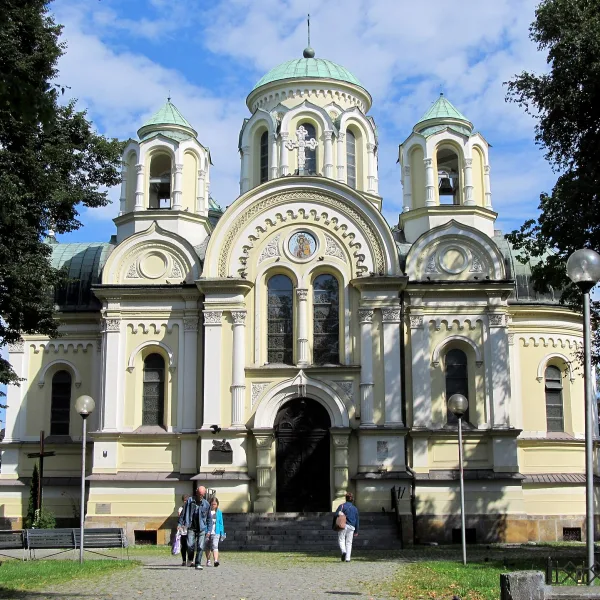
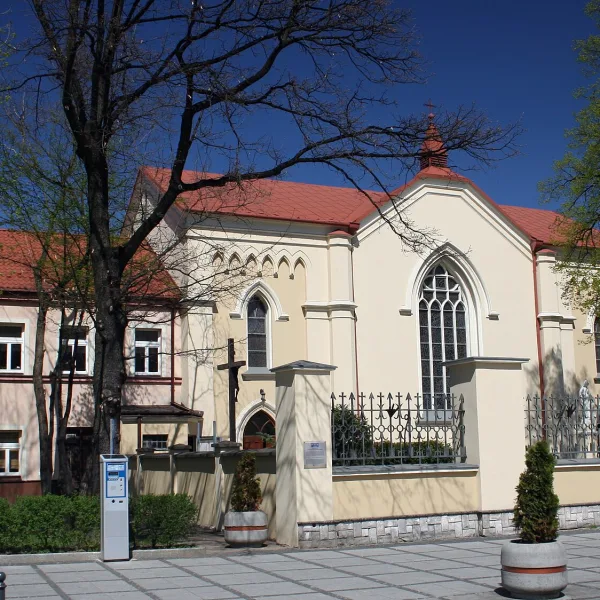
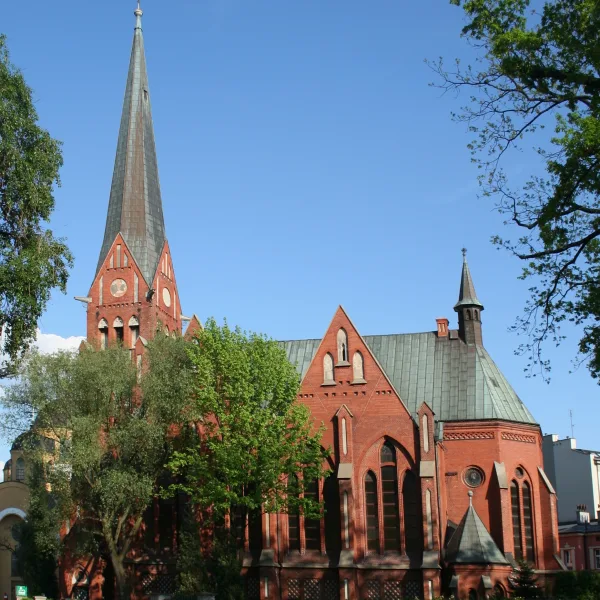
At number 44, by Biegański Square, rises St James's Church. Originally an Orthodox church raised in 1870-1872, it serves today as a Catholic parish church and keeps Neo-Byzantine traits. At 56a look into the Church of the Most Holy Name of Mary: a neo-Gothic church built in 1859-1862 for a religious order; inside are modernist paintings and an organ installed in 1936.
From the Alleys it is worth turning to Piłsudskiego 5, where the Bank Handlowy building of 1904-1905 stands. Its facade echoes neo-Renaissance, and inside is a banking hall with a mezzanine.
Which buildings recall old Częstochówka and the Old Town?
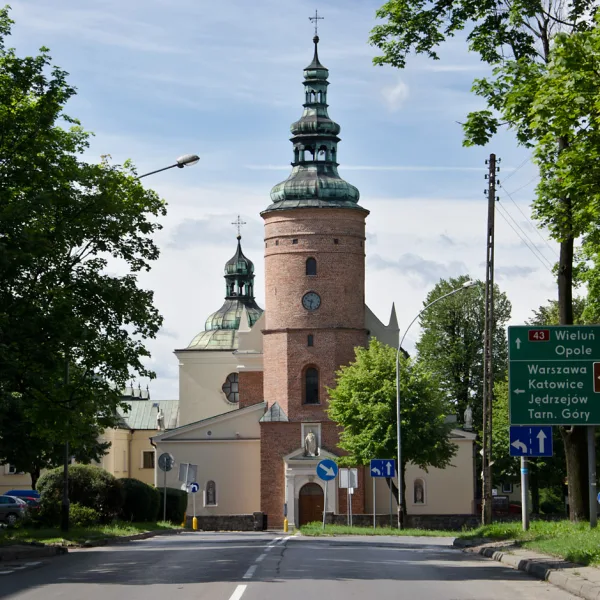
The oldest church in the city is St Sigismund's Church at Daszyńskiego Square 8 in the Old Town. It is a Gothic brick building, first mentioned in 1474, with a twin-towered facade of 1783.
The neo-Gothic Church of the Dying Lord Jesus, from 1906 occupies number 29 on Wieluński Market Square, once the centre of Częstochówka. At Śląska 20 is the brick Lutheran Church of the Ascension of 1913, with a single pointed tower.
Where to look for twentieth-century and industrial architecture?
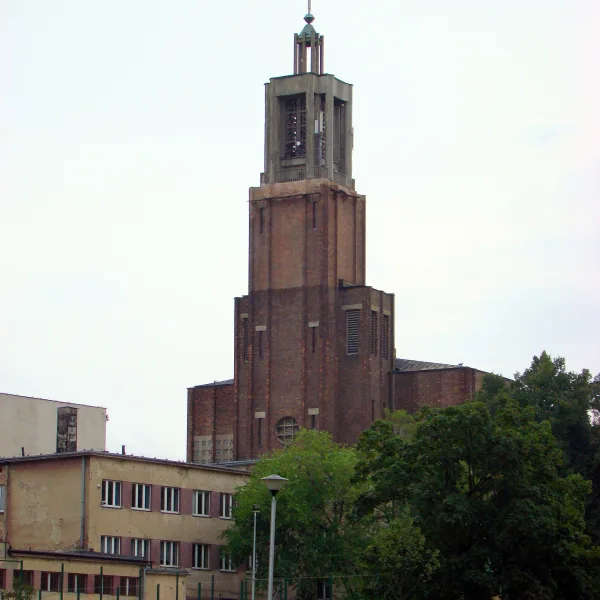
In the Ostatni Grosz district at Szczytowa 15 stands the Church of St Anthony of Padua, a modernist brick structure crowned by a tower fifty metres tall. It was built between 1938 and 1956 and has held the rank of shrine since 1997.
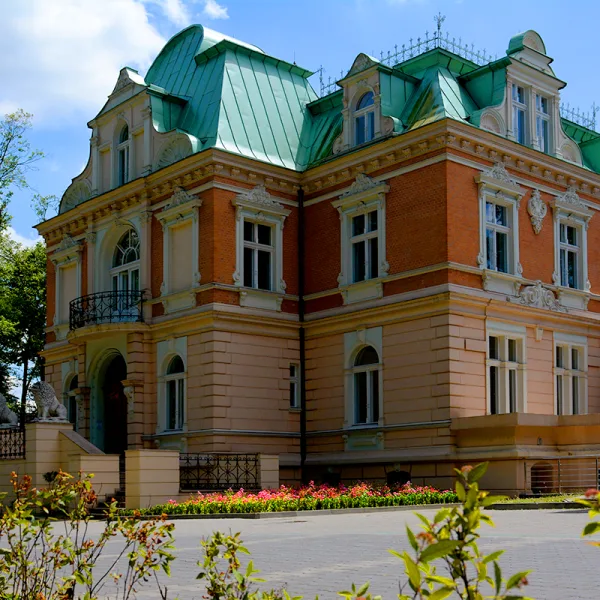
In Raków, at Łukasińskiego 50/68, is the Hantke Villa, a neo-Baroque house of 1900-1903 with a park, now the seat of the Municipal Cultural Centre. Its story is bound up with industry, covered in the article on the Częstochowa steelworks.
Right next to the cathedral and the railway station, at Ogrodowa 18/22, stands the Kmicic Brewery, a historic complex from 1840. It stopped operating in 2004 and now stands empty, so it is seen from the street.
Which cemeteries are also architectural monuments?
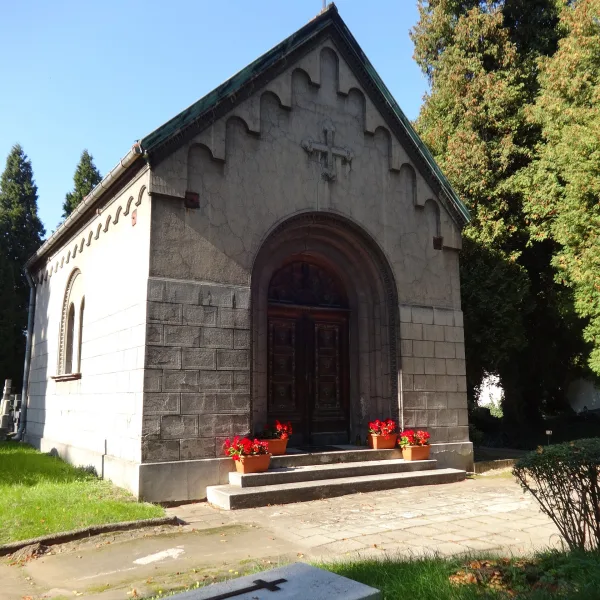
Four necropolises have historical value, but they are burial places and silence is expected. Kule Cemetery, at Cmentarna 47, occupies a low hill north of the centre and has been in use since 1882. It contains tomb chapels and war graves.
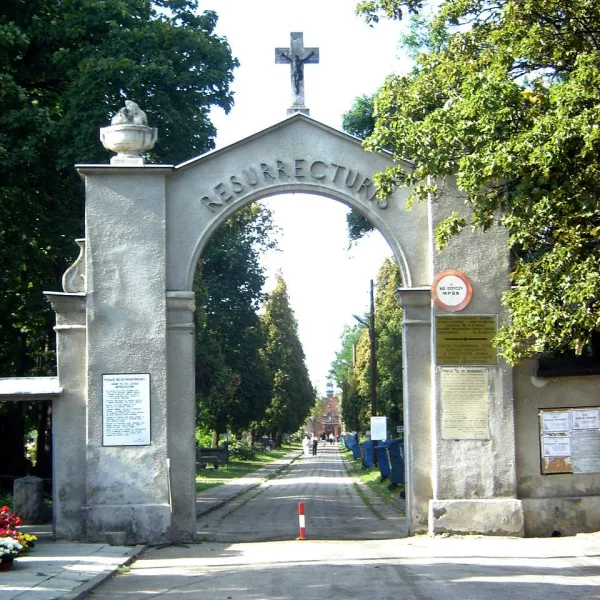
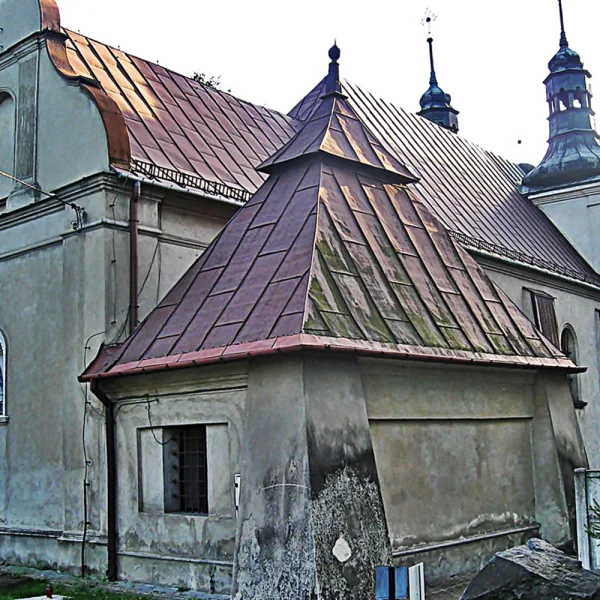
Three sites lie side by side on St Roch Street: St Roch's Cemetery, in use since 1641, whose Baroque chapel stands among graves of insurgents and victims of wars; the Church of St Roch and St Sebastian of 1680, rebuilt in 1783-1785; and the Lutheran cemetery, active since 1860, which has a plot for First World War casualties.
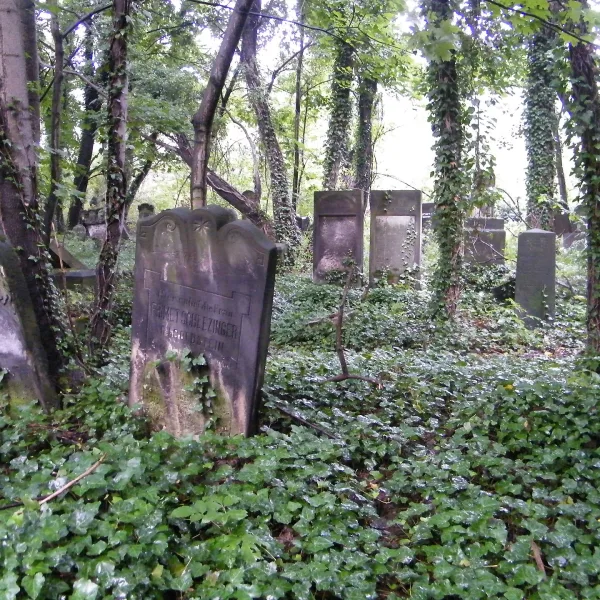
In the Dąbie district, at Złota 245, beside the steelworks grounds, lies the Jewish cemetery. It covers about eight and a half hectares, with several thousand gravestones and mass graves from 1943. The wartime history of the city's Jewish population is explained in the article on the ghetto in Częstochowa and the HASAG plants.
A two-day route through the city
Give the first day to the hill and its surroundings: Jasna Góra, St Barbara's, then the archcathedral on Krakowska Street and the Kmicic Brewery, which stands right beside the cathedral. In the evening walk the Alley of the Blessed Virgin Mary from number 14 to 56a.
The second day is the Old Town with St Sigismund's, Wieluński Market Square, Śląska 20 and a trip to the districts: Raków with its small palace, Ostatni Grosz with the shrine of St Anthony and Lisiniec with the group of sites on St Roch Street. If time is short, skip the district churches and stay on the Alleys.
Frequently asked questions
Which buildings suit an architecture-minded visitor to Częstochowa?
Choose the Alley of the Blessed Virgin Mary with Franke House, the Bank Polski building and the former Orthodox church of St James, plus St Sigismund's Church in the Old Town and the Hantke Villa in Raków.
How can you tell the oldest church in Częstochowa?
St Sigismund's on Daszyńskiego Square holds the title. This Gothic church appears in records from 1474.
Can you tour the Kmicic Brewery?
No, the complex of 1840 has been out of use since 2004 and stands abandoned. It can be seen from Ogrodowa Street, next to the cathedral.
Where in Częstochowa is the former Orthodox church?
The church of St James, at number 44 of the main avenue, began in 1870-1872 as an Orthodox place of worship and today serves Catholics.
Are Częstochowa's historic cemeteries open?
The Kule, St Roch and Lutheran cemeteries are in use, while the Jewish cemetery on Złota Street is in Dąbie. Visitors should keep quiet and view the gravestones with respect.

 Churches and monasteries