Architecture in Żywiec means the Habsburg New Castle, a Gothic co-cathedral, the town hall on the Market Square, ruins on Grojec and historic cemeteries.
Żywiec lies at the fork of the Soła and Koszarawa rivers, and its monuments are spread from the castle park through the Market Square to the districts of Zabłocie, Ruda and Moszczanica. The overview below follows building type to help plan a route around Żywiec. A wider look at the subject is in the section on architecture in Silesia.
Which monuments in Żywiec come first on a route?
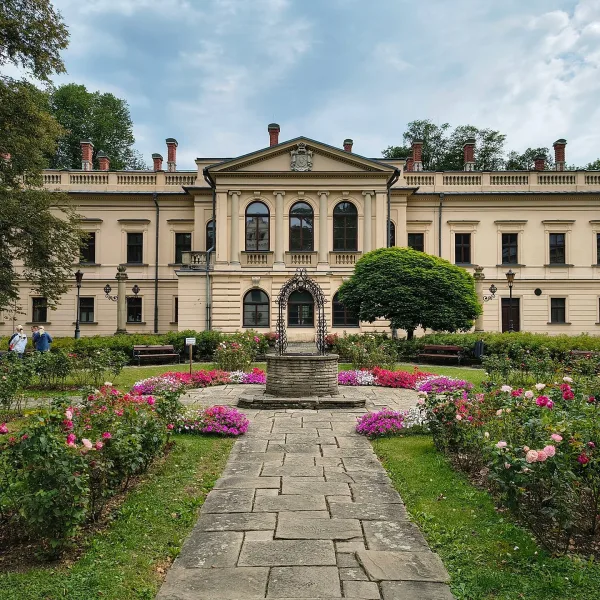
The starting point is the castle. Work on the New Castle, the Habsburg palace, ran from 1871 to 1885 for Archduke Albrecht; Karol Pietschka drew the plans, and enlargement continued until 1911. The residence is of brick and Classicist in style. In the neighbouring park is tucked the Chinese House, an eight-sided garden pavilion that the Wielopolski family had put up in the later 1700s. The story of the dynasty and the brewery is told in the article on the Habsburgs and the Archducal Brewery.
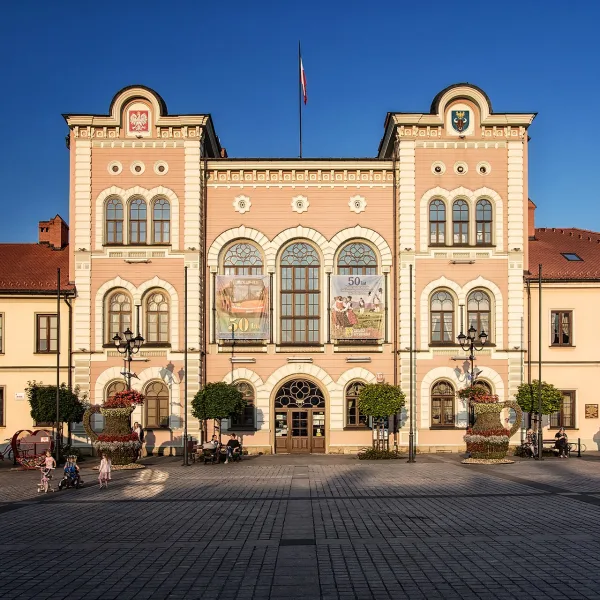
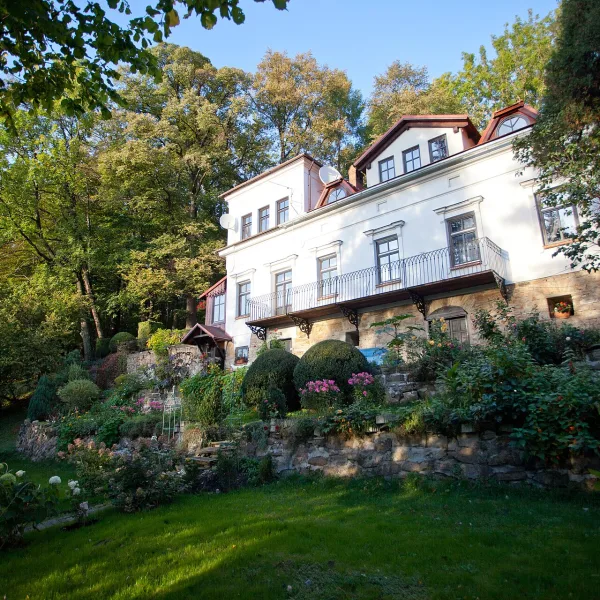
At Rynek 2 is the town hall, a four-storey eclectic brick building developed from the townhouse of the Kantorowski family in the late 1800s. The City Office works in it. Villa Klementynka stands at Paderewskiego 10. Originally a manor of 1720, it was converted into a villa in 1887. The surrounding park has a white poplar 40 metres tall.
Which churches in Żywiec are the oldest and most interesting?
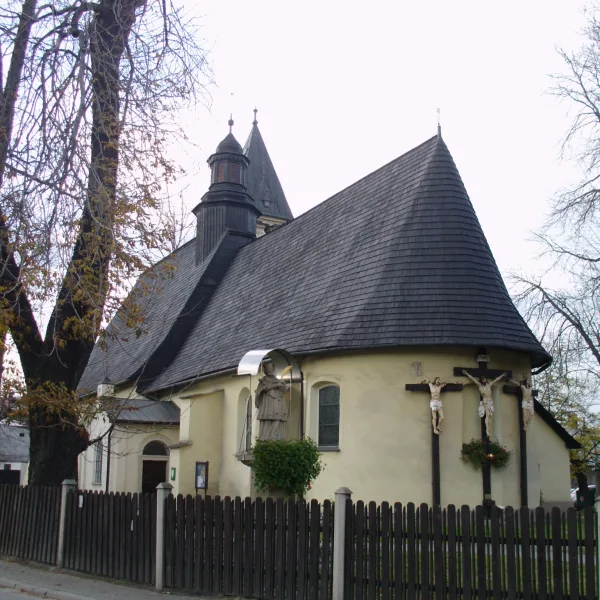
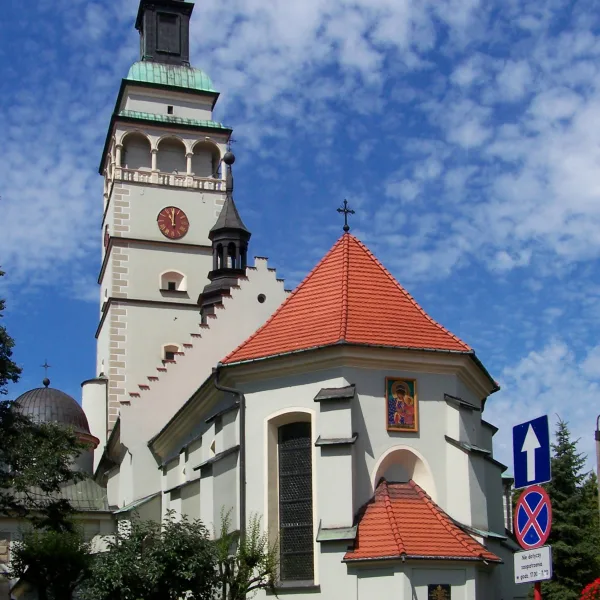
The Co-Cathedral of the Nativity of the Blessed Virgin Mary on Zamkowa street was built in the Gothic style in the 1400s and extended several times. Its tower has a Renaissance gallery, and the interior keeps Baroque fittings. The Bielsko-Żywiec diocese gave it co-cathedral rank in 1992. The earliest church in town is the Church of the Holy Cross in Ruda, Gothic, of about 1380. People often call it the Church of Three Crosses: on the outer wall of the apse are figures of Christ and the two thieves.
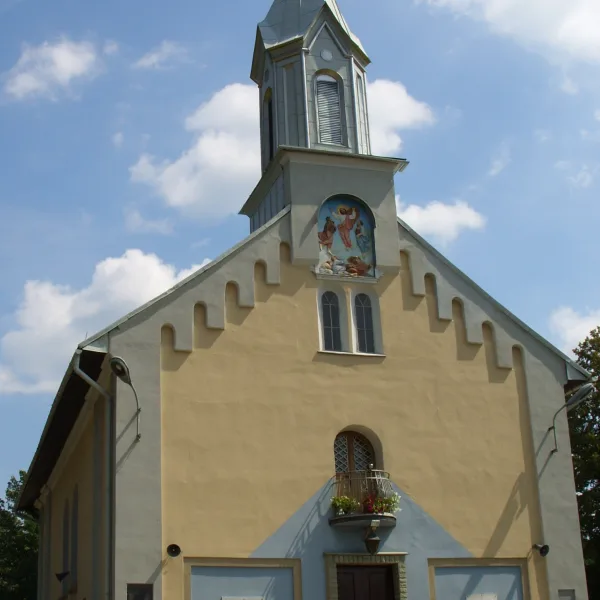
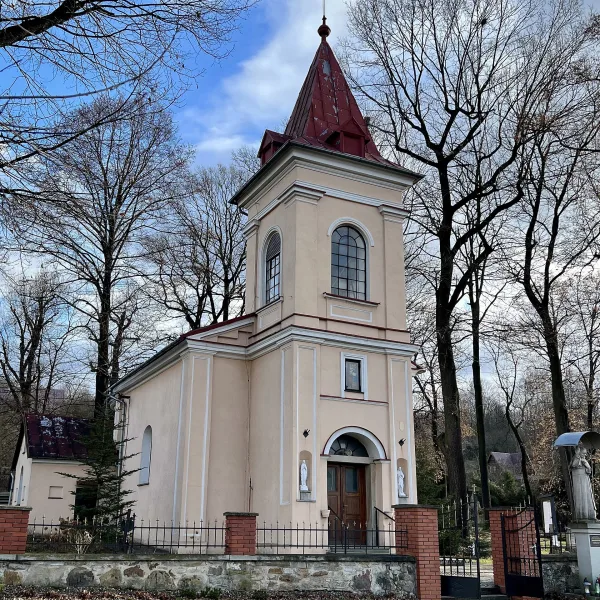
Two more churches stand beside cemeteries. The Church of the Transfiguration at Komonieckiego 23 was built in 1850-1856 as successor to a wooden chapel of 1701, and St Mark's Church at Sienkiewicza 76B, a masonry church of 1885, replaced a wooden chapel of 1591 raised as a plague votive offering.
Where can you see the ruins of a medieval castle in Żywiec?
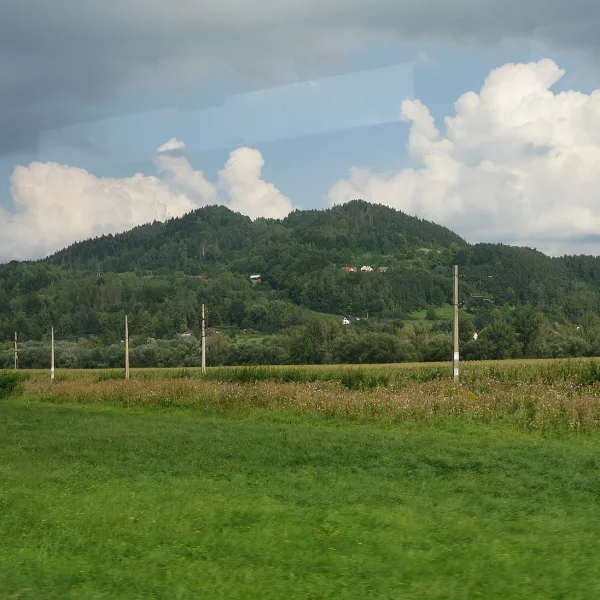
The castle on Grojec hill consists of the remains of a medieval stronghold on the top of a hill (612 m) where the Soła meets the Koszarawa. The castle was pulled down in 1477, and the monuments register now protects it as a ruin.
Which cemeteries in Żywiec have monument value?
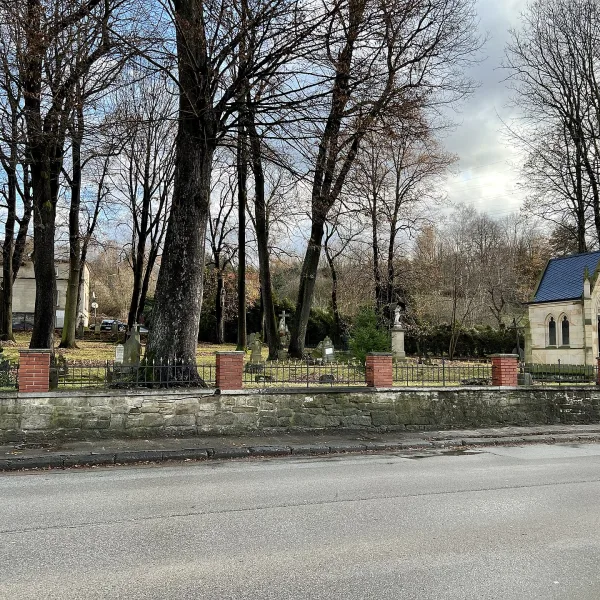
The Transfiguration Cemetery is the town's oldest working necropolis. Reeve Andrzej Komoniecki founded it early in the 1700s and built its chapel in 1705. Distinguished townspeople lie here, along with war graves. The cemetery on Sienkiewicza street, dating from 1784 and lying around St Mark's Church, no longer takes new burials. It retains a neo-Gothic tomb chapel and iron crosses.
In Zabłocie district, on Stolarska street, lies the nineteenth-century Jewish cemetery. The plot is roughly half a hectare, with some 500 matzevot, the earliest from 1853. Renovation took place in 2018-2020, and the site is a registered monument.
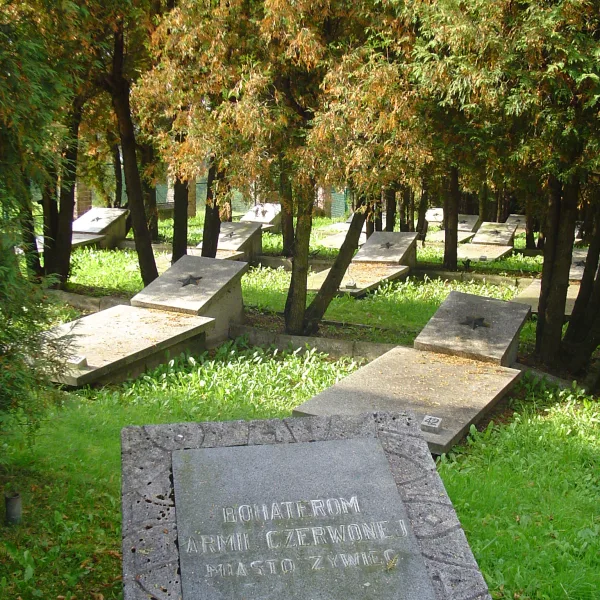
A separate character belongs to the Soviet Soldiers' Cemetery in Moszczanica, on Moszczanicka street. The cemetery was established in 1951 and contains the graves of 1,120 Soviet soldiers killed in the battles for the Żywiec region in 1945.
Frequently asked questions
How old is the town's earliest church?
The Gothic Holy Cross church in Ruda, built about 1380, also known as the Church of Three Crosses.
Who built the New Castle in Żywiec?
It was raised on the order of Archduke Albrecht in 1871-1885 to a design by Karol Pietschka.
How high is the castle on Grojec?
The hill is 612 m above sea level and lies between two rivers, the Soła and the Koszarawa.
How many matzevot are in the Jewish cemetery in Żywiec?
Around 500 survive. The oldest bears the date 1853, and the grounds were put in order in 2018-2020.

 Churches and monasteries