
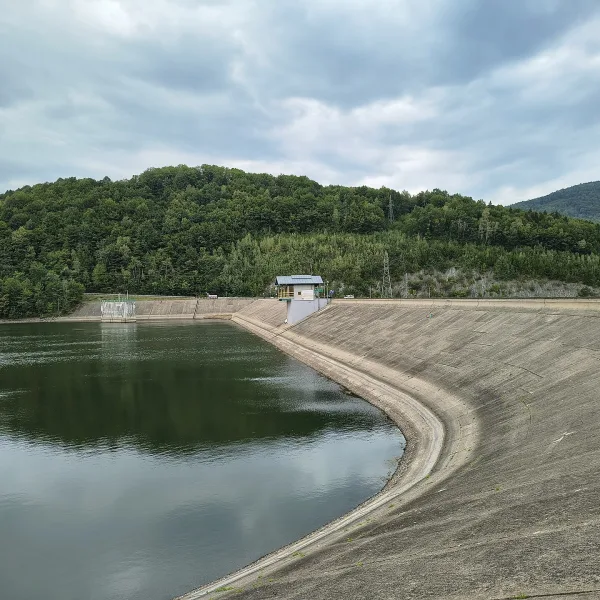
 Lakes
Lakes
 Museums
Żywiec Brewery Museum
Żywiec
museum in the brewery's rock-cut lagering cellars, with 18 rooms and a tasting at the end of the route
 Museums
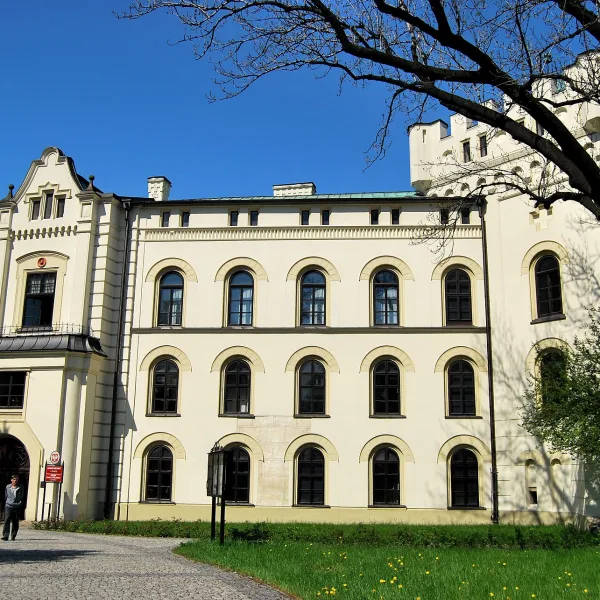
Żywiec Municipal Museum
Żywiec
a museum in the Old Castle with exhibitions on highland culture, archaeology and old court sentences
 Churches and monasteries
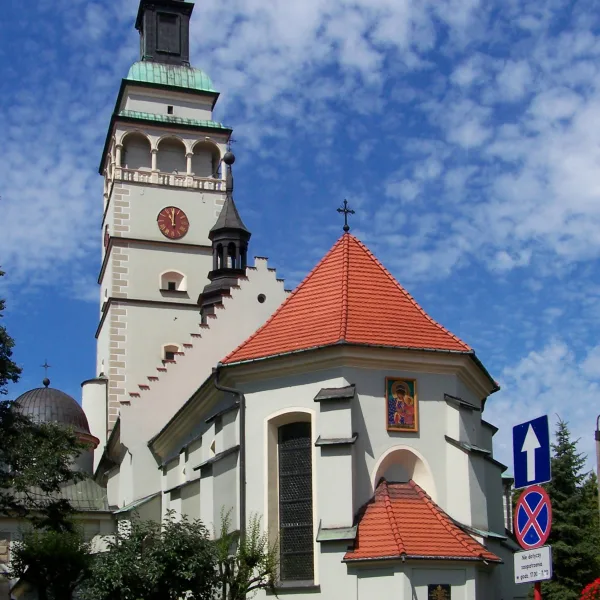
Co-Cathedral of the Nativity of the Blessed Virgin Mary in Żywiec
Żywiec, Zamkowa 6
Gothic church from the 15th century with a Renaissance tower and Baroque altars, a co-cathedral since 1992
 Historic sites
Chinese House in Żywiec
Żywiec, Zamkowa 4
octagonal 18th-century park pavilion with the Wielopolski coat of arms
 Historic sites
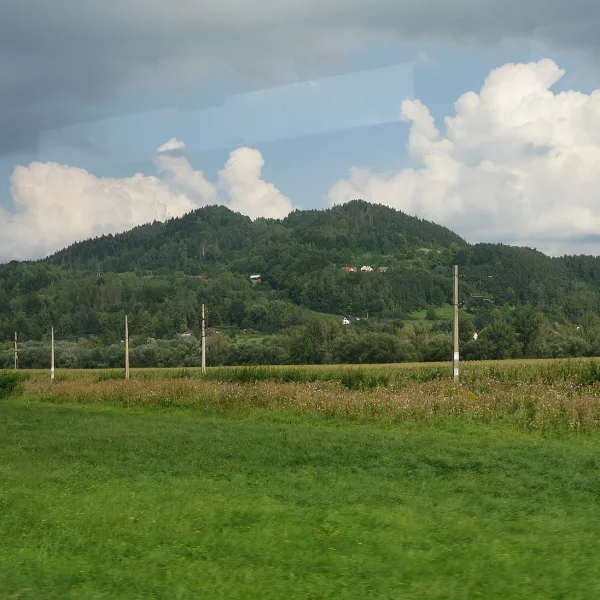
Castle on Grojec Hill
Żywiec
ruins of a castle from the early 15th century at the top of a hill between the Soła and the Koszarawa
 Churches and monasteries
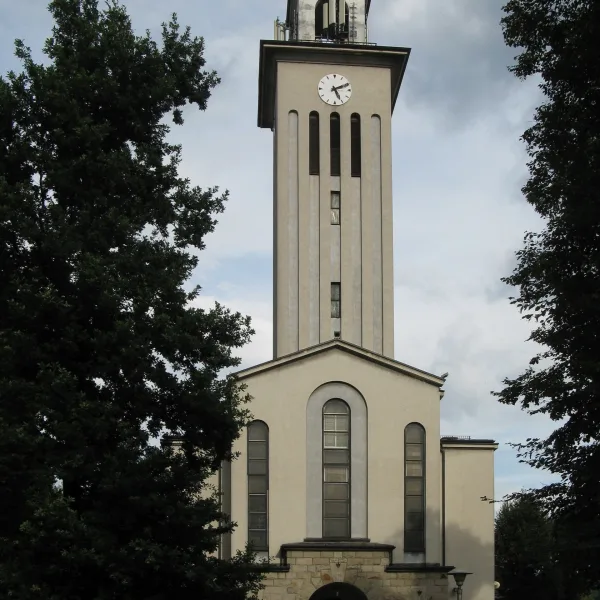
Church of St Florian in Żywiec
Żywiec
Romanesque church on a cross plan, mosaics by Bogdana Drwal and an organ from 1961
 Churches and monasteries
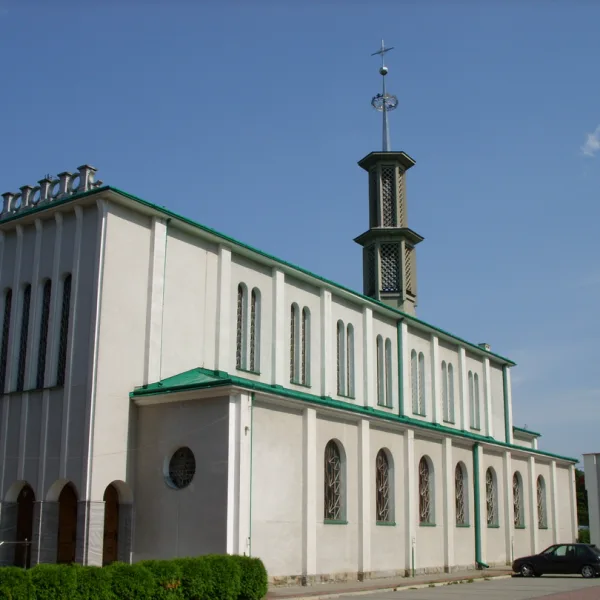
Church of Christ the King in Żywiec
Żywiec
post-war church in Sporysz consecrated by Karol Wojtyła, with mosaics by Wiktor Zin
 Churches and monasteries
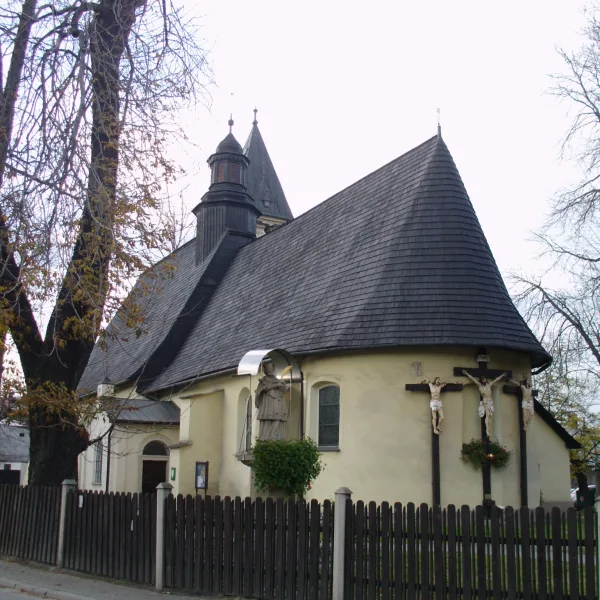
Church of the Holy Cross in Żywiec
Żywiec, Świętokrzyska 1A
Gothic church from the late 14th century, known to locals as the Church of the Three Crosses
 Historic sites
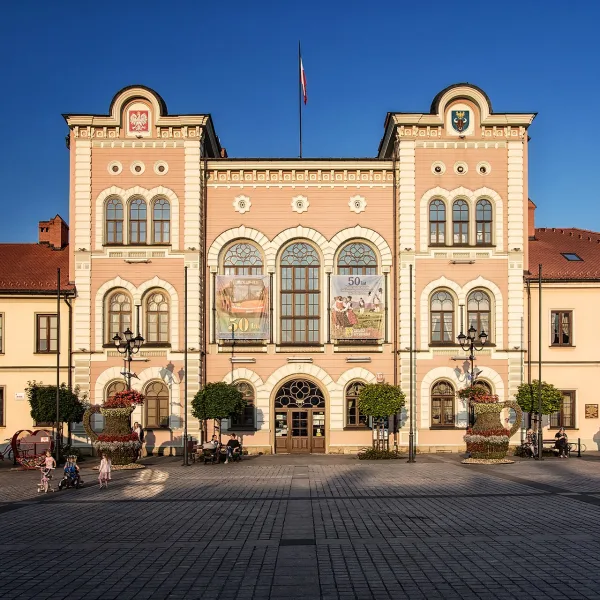
Town Hall in Żywiec
Żywiec, Rynek 2
brick building from the late 19th century in the frontage of the Żywiec Market Square, still the seat of the town office
 Churches and monasteries
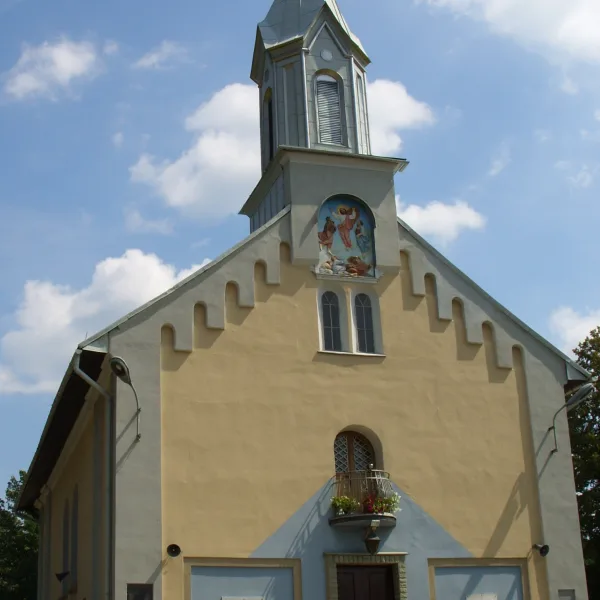
Church of the Transfiguration in Żywiec
Żywiec, Komonieckiego 23
a masonry church from 1856 in a cemetery, successor to the wooden chapel of the chronicler Komoniecki
 Churches and monasteries
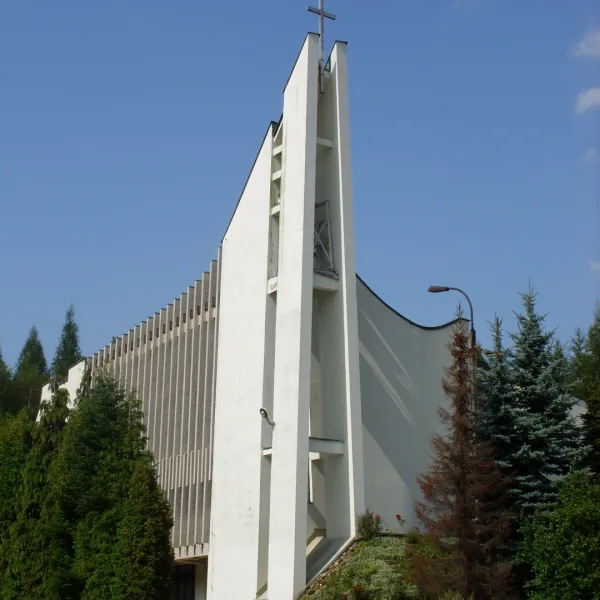
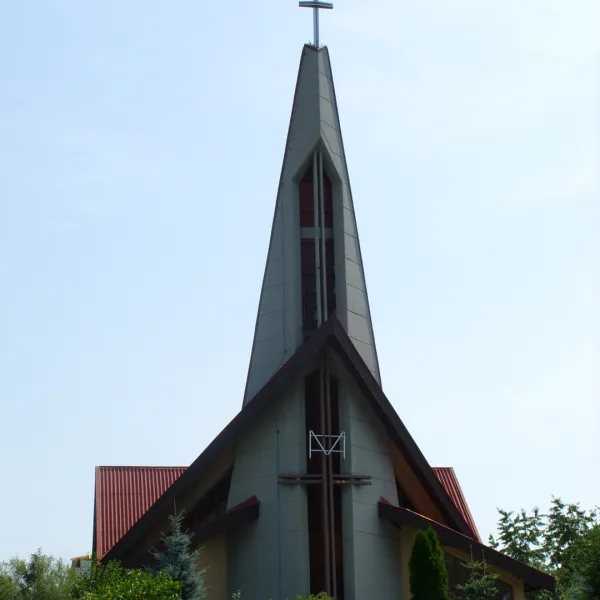
Church of St Maximilian Kolbe in Żywiec
Żywiec
church of the 1980s with an openwork tower, set on concrete wells on sloping ground
 Historic sites
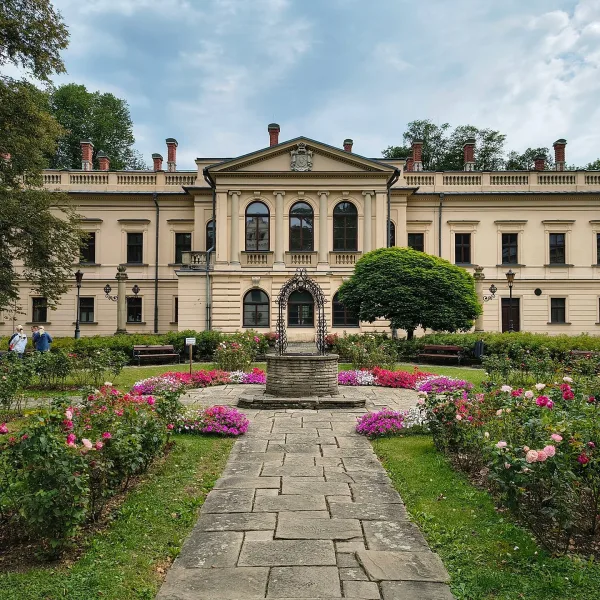
New Castle in Żywiec
Żywiec, Zamkowa 4
the Habsburg palace from 1871-1885 with a Hall of Mirrors and a coat of arms on the projection
 Churches and monasteries
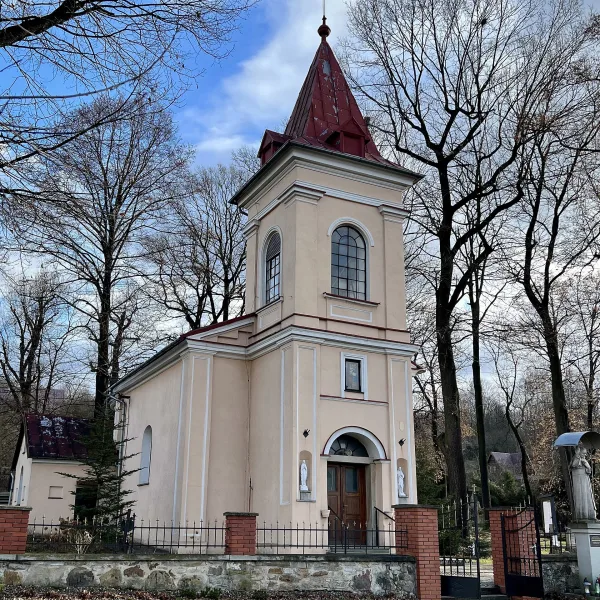
St Mark's Church in Żywiec
Żywiec, Sienkiewicza 76B
a church from 1885 on the site of a wooden plague votive church, with a historic cemetery
 Churches and monasteries
Church of Divine Mercy in Żywiec
Żywiec
a church from the 1980s with a foundation stone blessed by John Paul II
Museum of Armed Effort of the Żywiec Region in Żywiec
Żywiec
an exhibition on the fighting and occupation of the Żywiec region, set in a shelter from 1944
 Historic sites
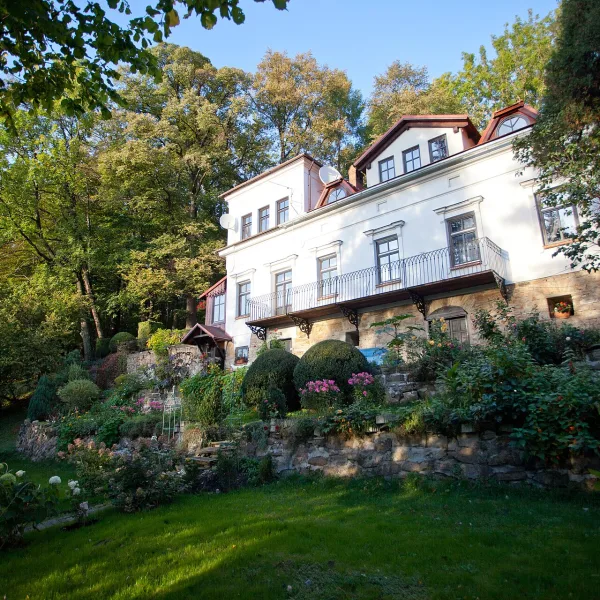
Klementynka Villa in Żywiec
Żywiec, Paderewskiego 10
manor house of 1720 rebuilt as a villa, with a park with a pond and a 40-metre white poplar
 Churches and monasteries
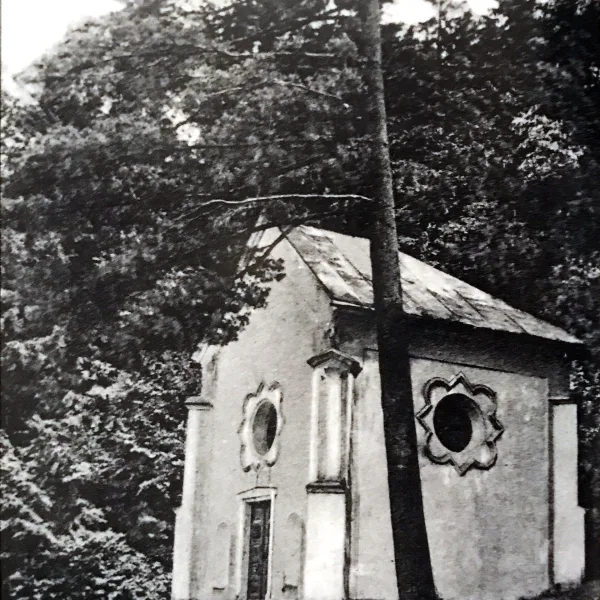
Chapel of St Vitus in Żywiec
Żywiec
a vanished chapel by a spring, of which the stone casing remains on a wooded slope
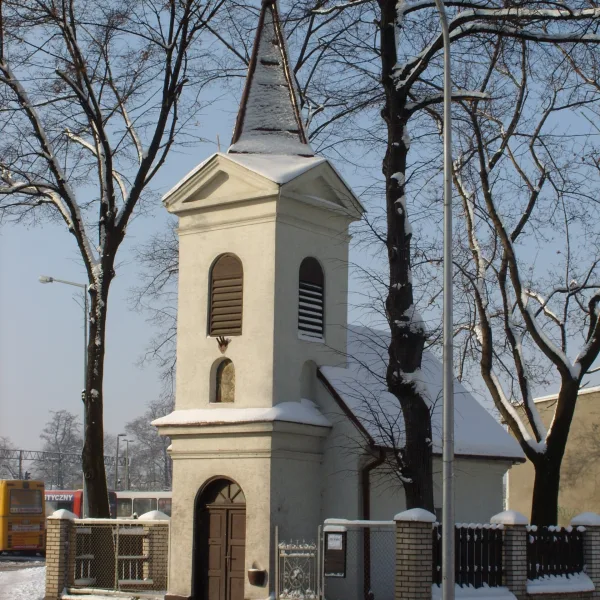 Churches and monasteries
Chapel of St Florian in Żywiec
Żywiec
brick chapel from the early 19th century by a spring, with an altar and a painting of St Florian
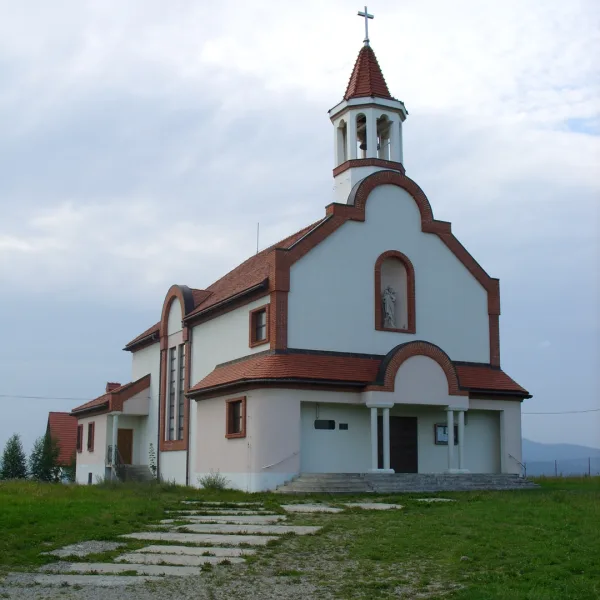 Churches and monasteries
Church of Our Lady of Perpetual Help in Żywiec
Żywiec
church from 1996 in Kocurów, linked to a foundation stone blessed by John Paul II
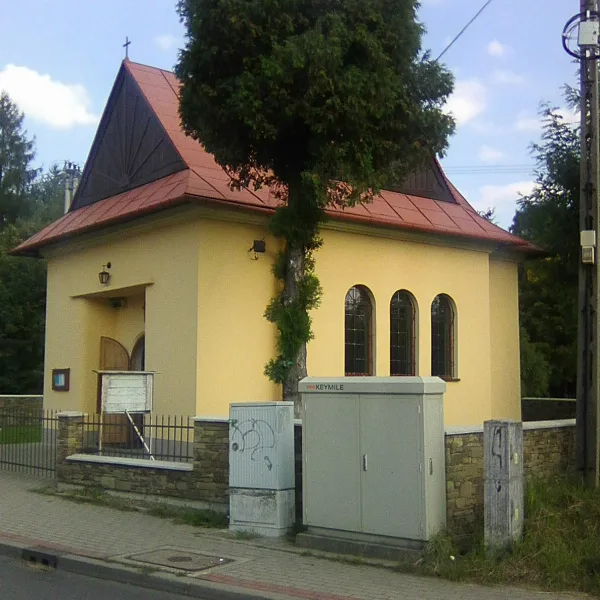 Churches and monasteries
Chapel of the Exaltation of the Holy Cross in Żywiec
Żywiec
chapel from 1936-1938 with a former cross from the co-cathedral and sculptures from around 1780
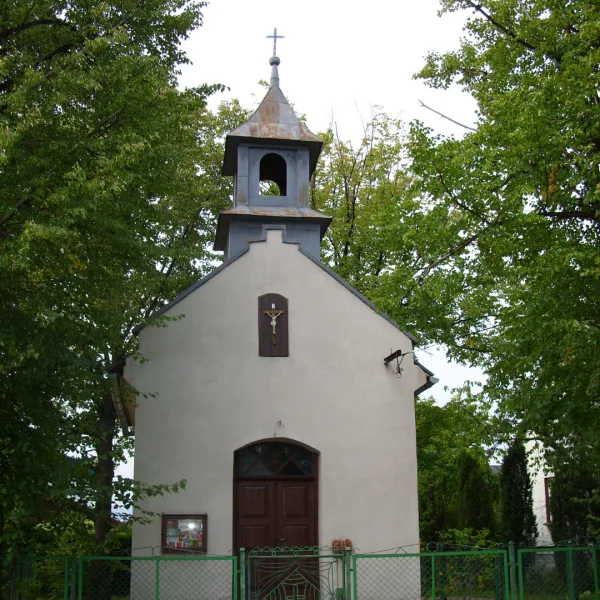 Churches and monasteries
Chapel of Our Lady of Perpetual Help in Żywiec
Żywiec
small chapel from 1933 with a ridge turret, built on the site of a wooden bell tower
 Churches and monasteries
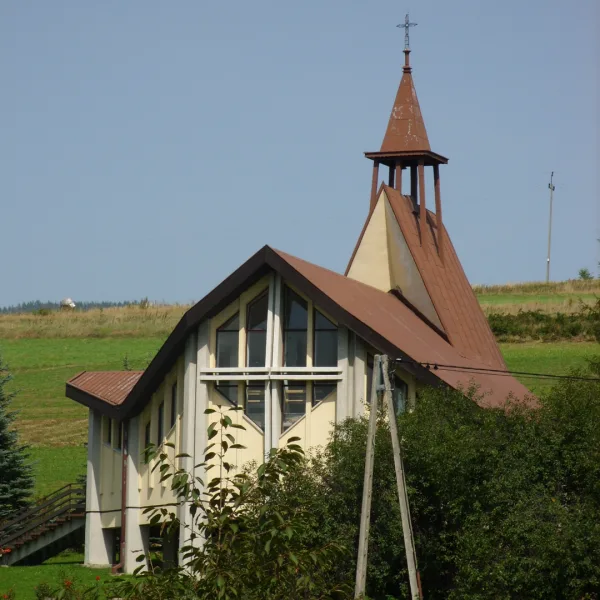
Chapel of Our Lady of the Rosary in Żywiec
Żywiec
a chapel in Rędzina with an altar from 1708 and Gothic sculptures from around 1400