Free places in Żywiec include the castle park, Lake Żywiec, the Grapa reserve, a manor in Moszczanica and several historic cemeteries.
Żywiec lies in a basin at the foot of the Beskids, and many of its monuments can be seen without a ticket, from the garden by the Habsburg castle to monuments in the centre. For the regional picture see free things to do in Silesia; the town's full set of places is on the Żywiec page.
Which parks and waters in Żywiec cost nothing to stroll?
First the park by the castle, then the reservoir on the Soła or the forest of the reserve. Entry to each of these places is free.
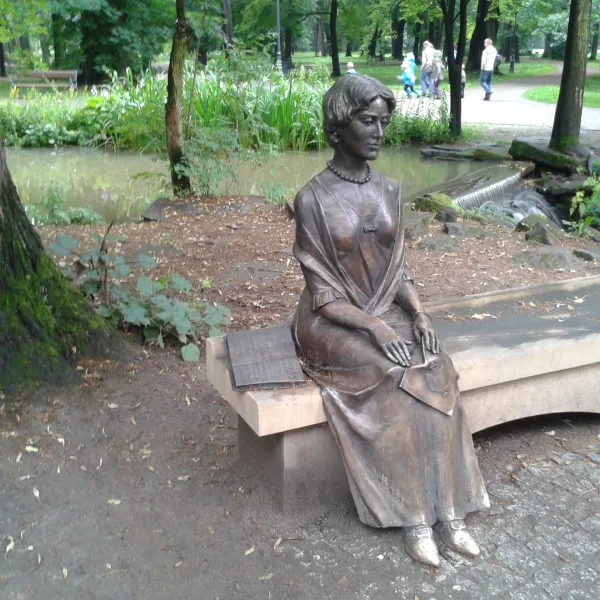
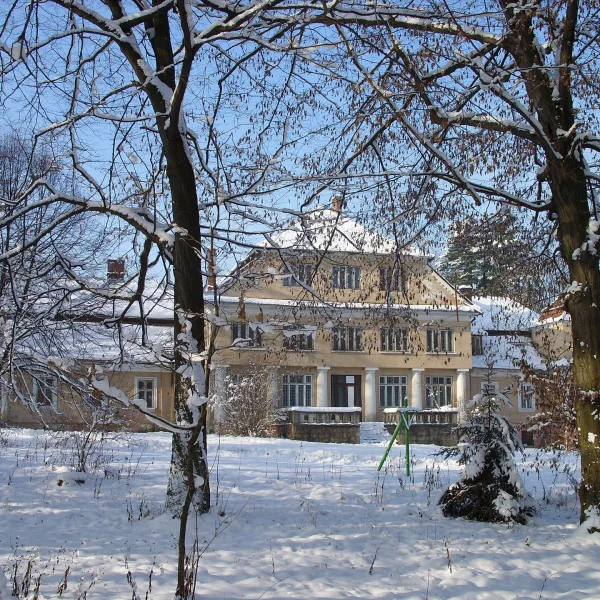
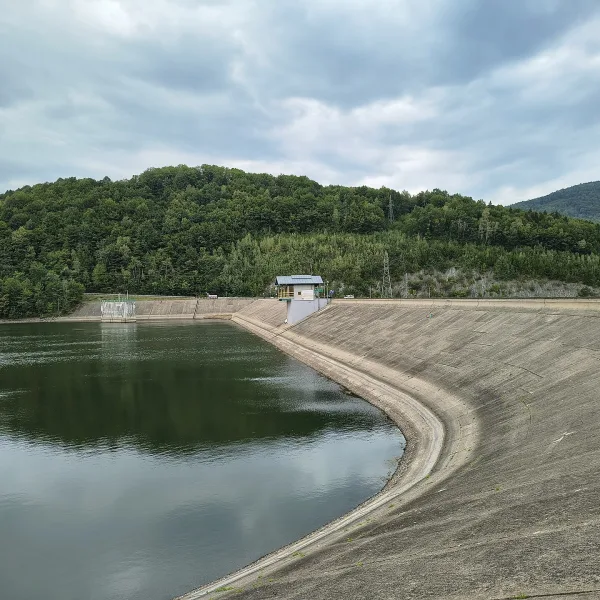
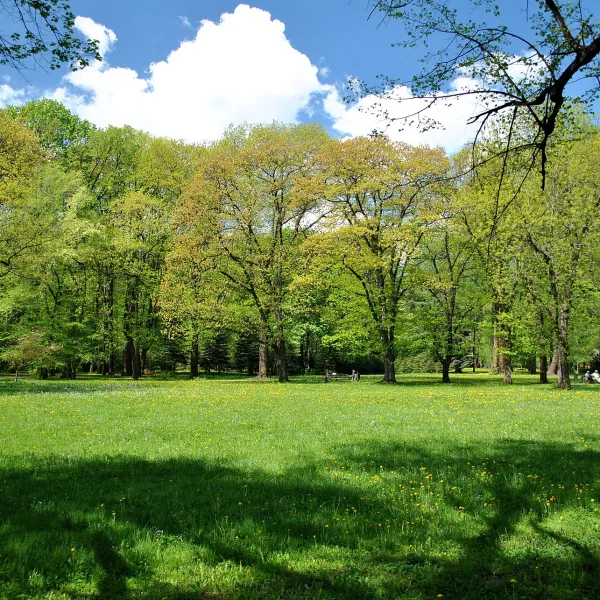
The castle park stretches over roughly 26 hectares; it began in 1712 as an Italian-style garden, was later given a landscape look, and the Chinese House rises on an island. Within it, near the Miniature Park, is the bench of Alice Habsburg, a resident of Żywiec in 1920-1945. In Moszczanica waits a manor and park complex with a neoclassical manor of 1828. For water, choose Lake Żywiec, a dam reservoir on the Soła from 1966, up to 6.6 km long; the villages flooded for its construction are covered in the article on lakes Żywiec and Międzybrodzie.
What do we know about the Grapa reserve?
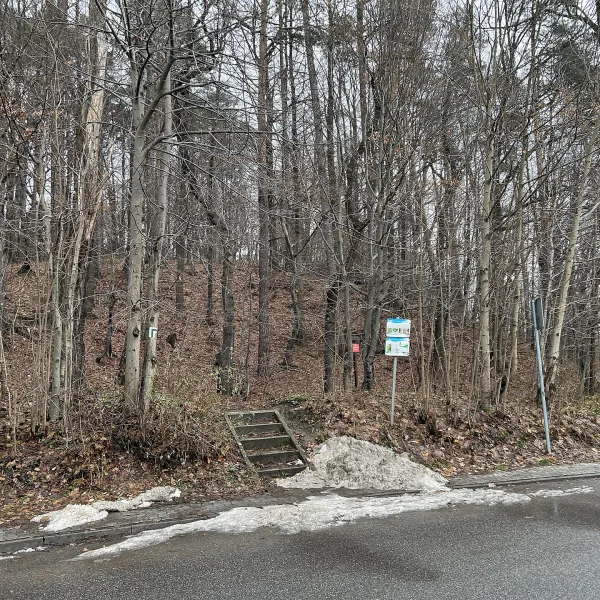
Grapa is a strict forest reserve set up in 1996 on 23.23 ha to safeguard the broadleaf woods of the Żywiec Basin: hornbeam-oak stands and ash floodplain forest. Strict protection means nature takes precedence over walkers. Other reserves of the region are in the text on nature reserves of the Beskids.
Which monuments and cemeteries can you visit in Żywiec?
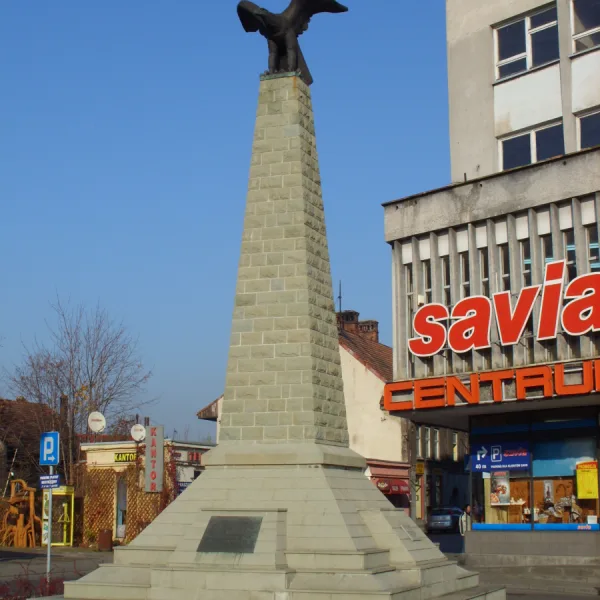
In the centre stands the Grunwald Monument, an eagle of 1910 destroyed during the war and rebuilt in 2005. Four cemeteries differ entirely in character; each is a place of remembrance, so keep your voice down there.
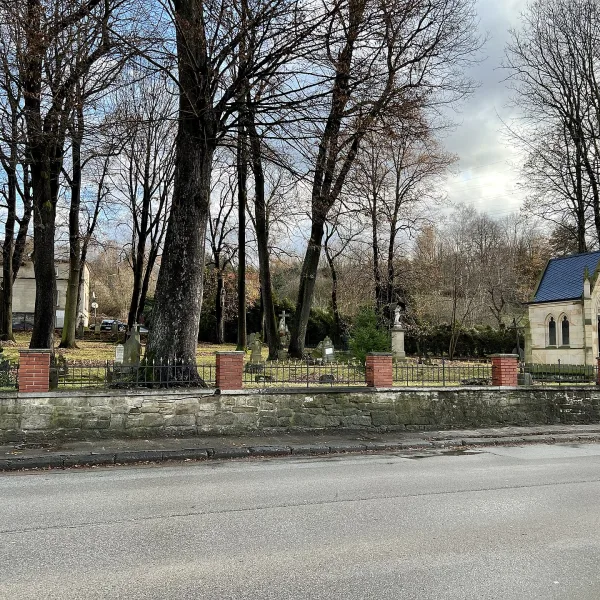
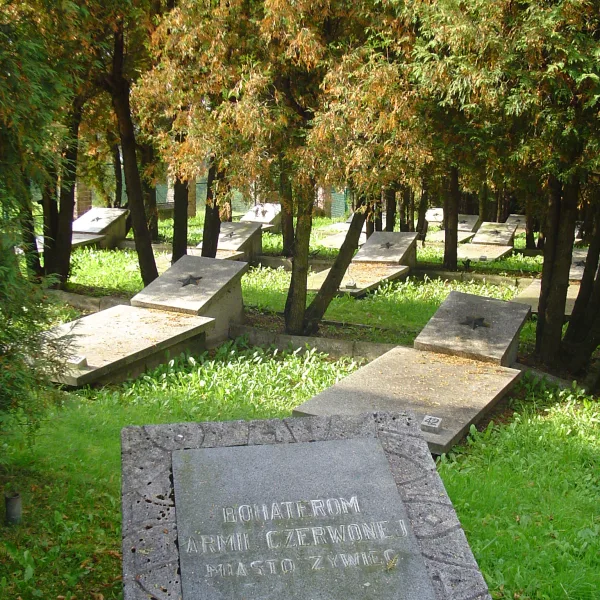
The Transfiguration Cemetery is the oldest necropolis in town still in use; a chapel built in 1705 stands there. The cemetery on Sienkiewicza Street dates from 1784 and grew by St Mark's church; it no longer accepts new burials. The Jewish cemetery on Stolarska Street has about five hundred gravestones and was renovated in 2018-2020. The Soviet Soldiers' Cemetery in Moszczanica is a war cemetery from 1951 where Soviet soldiers who fell in 1945 fighting for the Żywiec region are buried.
Frequently asked questions
How should you start a free stroll in Żywiec?
In the castle park in the centre, then Grunwald Square with its monument. Other places lie in different districts.
Is the castle park in Żywiec free to enter?
Yes, the park is free. You can read about the Habsburg castle and brewery in the article on the Habsburgs and the Archducal Brewery.
Which places in Żywiec are places of remembrance?
The cemeteries: Transfiguration, Sienkiewicza Street, the Jewish one and the Soviet Soldiers' one.
Where else can you look for free ideas nearby?
In articles on the Beskids with children and on huts of the Żywiec Beskids.