Cemeteries and monuments in Częstochowa: Kule and St Roch cemeteries, a vast Jewish cemetery and bronze benches on the main avenue. See what to visit.
Besides Jasna Góra, Częstochowa has several necropolises with historic gravestones and over a dozen monuments, mostly in the centre. Cemeteries are burial places, so visit them quietly. The bronze benches and monuments can be seen on a single walk along the avenue.
Which cemeteries in Częstochowa are worth seeing?
The most interesting are Kule cemetery with its tomb chapels, St Roch's cemetery with a Baroque chapel, the Lutheran cemetery beside it and Rakowski Cemetery on Błeszno hill. All four are still in use.
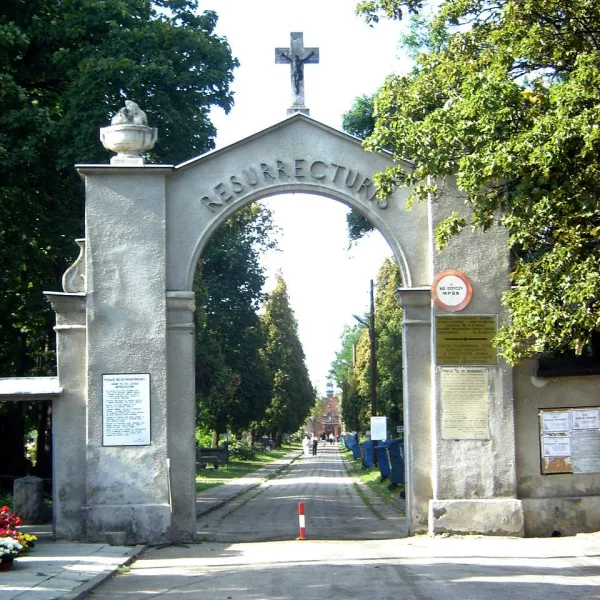
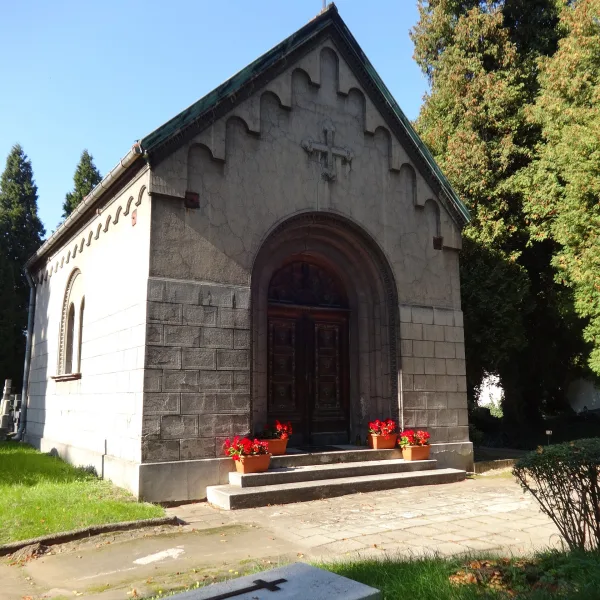
Kule Cemetery at Cmentarna 47 was founded in 1882 on a hill north of the centre. About a thousand gravestones from before 1939 survive, along with tomb chapels and war plots. St Roch's Cemetery has been in use since 1641 and has a Baroque chapel-church and graves of insurgents and of people killed in wars. Right next door, at the same address, lies the Evangelical-Augsburg cemetery, opened in 1860, with a plot of First World War soldiers.
Rakowski Cemetery at Palmowa 22 was set up in 1910 on the slope of Błeszno hill, in the Wrzosowiak district. It has pre-war gravestones, a funeral chapel and mass graves from the Second World War and the post-war years.
What is known about the Jewish cemetery in Częstochowa?
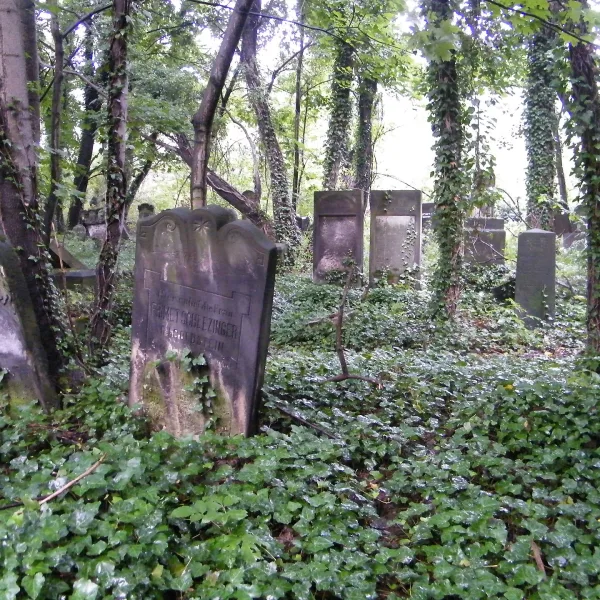
The Jewish burial ground on Złota Street, in Dąbie, ranks among the biggest in the country, at roughly eight and a half hectares. Forest covers the site, and thousands of matzevot stand among the trees.
The Jewish community founded the Jewish Cemetery in the late 18th century, probably in 1799. It was rebuilt and fenced in 1907. The grounds hold gravestones and mass graves from 1943, and the whole site is listed as a historic monument. It lies by the grounds of the Częstochowa steelworks, whose history is told in an article on the works from Hantke's plant to the rolling mill.
Where are the monuments and benches in Częstochowa?
The biggest cluster is the main avenue, where four sculptures stand close together: a poet, an actor, a doctor and a writer. Two military and patriotic monuments are on squares in the centre.
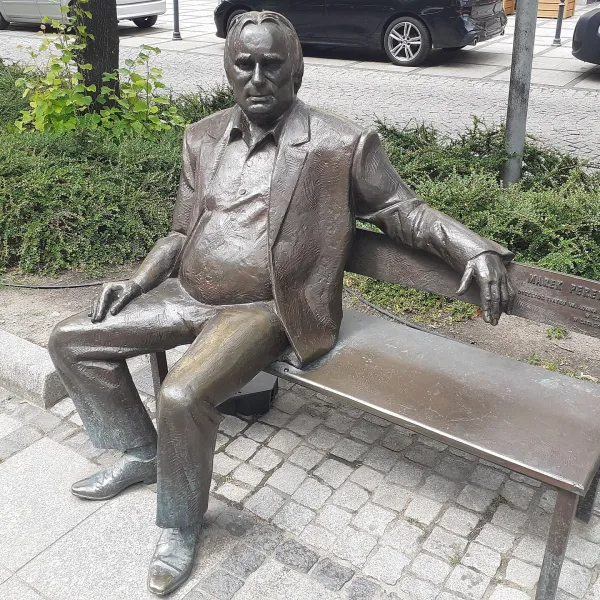
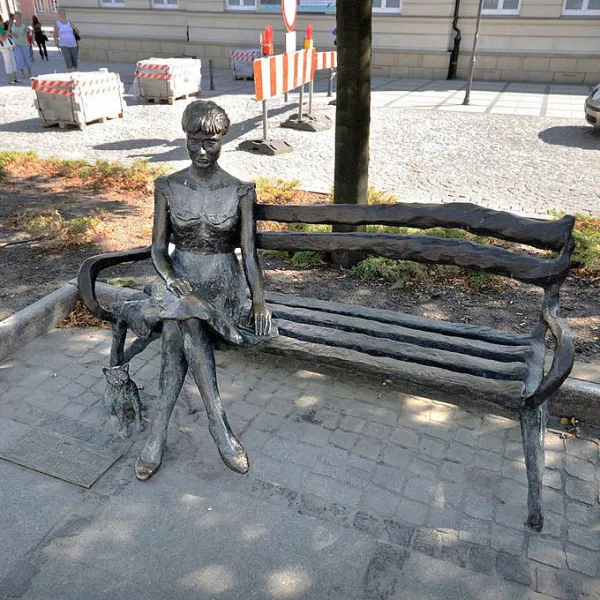
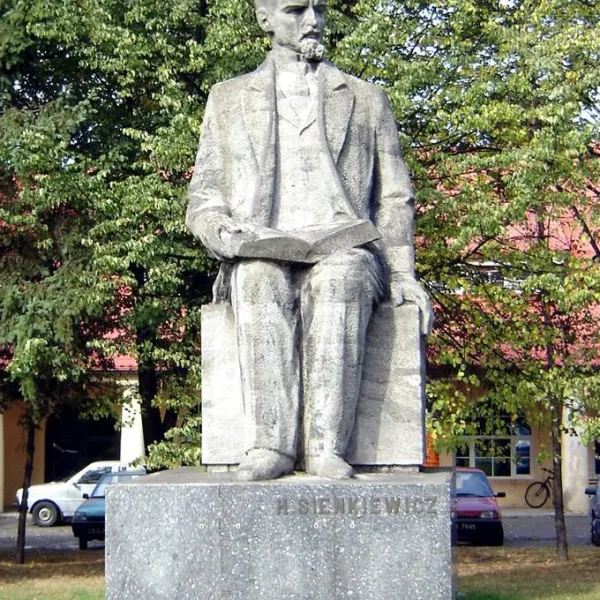
The Halina Poświatowska Bench of 2007 shows the poet on a bench with a cat at her feet, and the Marek Perepeczko Bench of 2014 is by Wojciech Pondel. The same sculptor made the Władysław Biegański Bench, honouring a doctor and community worker, unveiled in 2008. Beside the fourth secondary school sits Henryk Sienkiewicz with a book, a sculpture by Stefan Policiński from 1973.
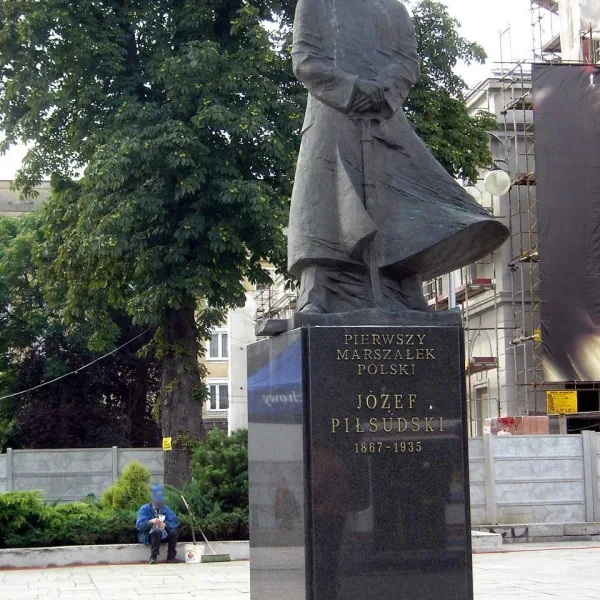
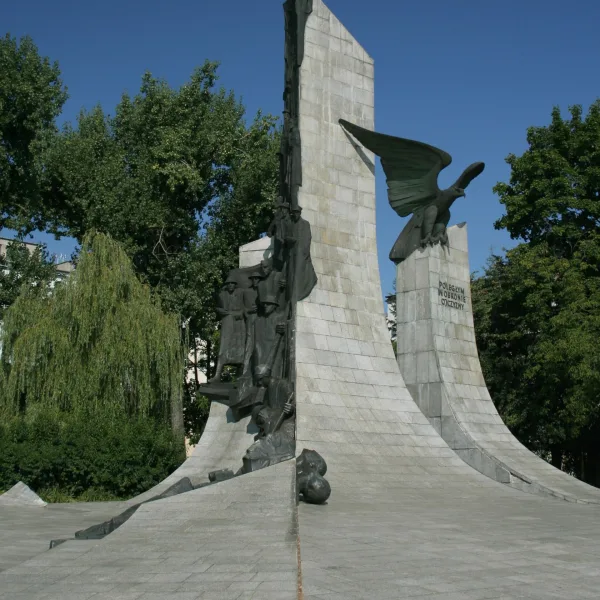
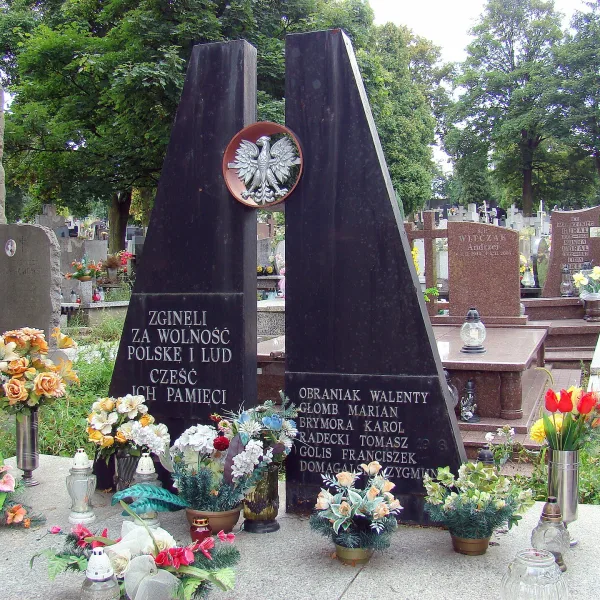
On Biegański Square stands the Piłsudski monument of 1997, the third monument to the Marshal on that square, by Stanisław Słonina. On National Remembrance Square, a monument to those who fell defending the homeland was unveiled in 1985: two granite columns and one hundred and eighty-five sculptures.
After the cemeteries and monuments, check the historic sites of Częstochowa, its museums and its churches and monasteries. Ideas for a day beyond the pilgrimage are in the article on museums and parks around Jasna Góra.
Frequently asked questions
Which cemetery in Częstochowa is the oldest?
The oldest is St Roch's cemetery, in use since 1641. Nobody knows for sure how it began: it may have served pilgrims or victims of an epidemic.
Where is the Jewish cemetery in Częstochowa?
At Złota 245, in the Dąbie district, beside the grounds of the steelworks. Its area is close to nine hectares, and it is listed as a monument.
Where can I find the bronze benches in Częstochowa?
On the main avenue stand the benches of Halina Poświatowska, Marek Perepeczko and Władysław Biegański, and the monument to Henryk Sienkiewicz.
Can you enter the cemeteries in Częstochowa?
The Kule, St Roch, Lutheran and Rakowski cemeteries are in use and open to visitors. Quiet and respect for the graves are expected.

 Cemeteries and monuments