Solo in Pszczyna: the Market Square with its town hall, the castle and park, an open-air museum and small museums make a calm day at your own pace.
Pszczyna is compact, so exploring on your own comes naturally: several sights lie by the Market Square, and more in the castle and park right beside it. The section on things to do alone in Silesia lists further solo trips; for the town as a whole, turn to the Pszczyna page.
What to see in Pszczyna alone around the Market Square?
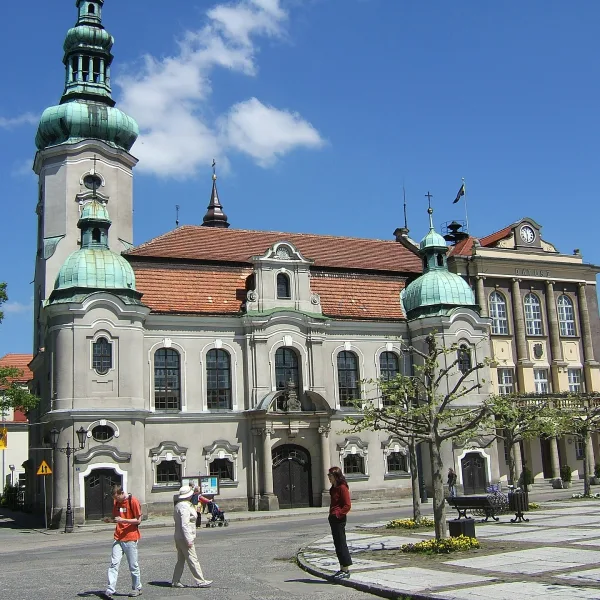
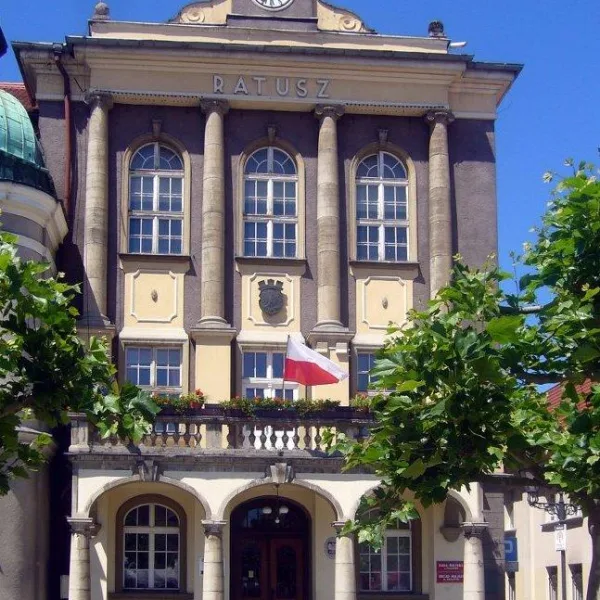
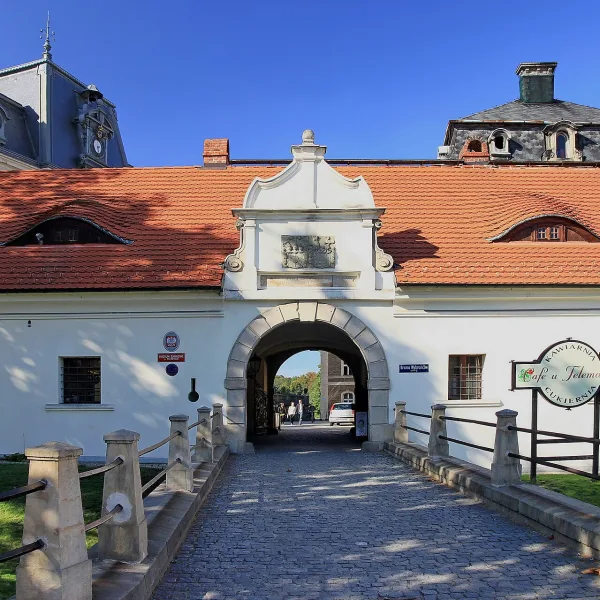
Start on the square. At number 2, in the northern frontage, stands the town hall with a clock tower, neo-Renaissance, seat of the municipal authorities since 1716; a bugle call sounds from it every day. Adjoining is the Evangelical church of 1743-1746, rebuilt in neo-Baroque forms after a fire in 1905. On the square's south-western side you will find the Wybrańcy Gate, also called the Guardhouse. Baltazar Promnitz commissioned it from the builder Consilio Milius in 1687, making it the earliest element of the castle complex that still looks as it did.
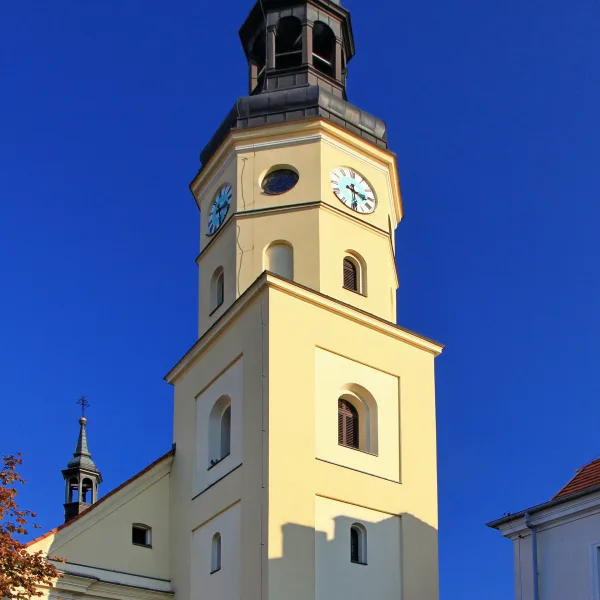
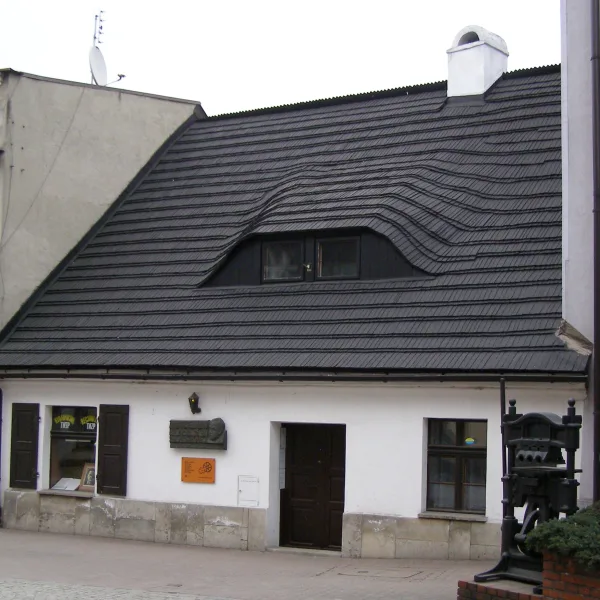
A few dozen metres from the castle, at plac ks. Kuczery 2, stands All Saints Church. It was first mentioned in 1326, and its present look results from rebuilding after a fire. The crypt holds the remains of thirteen Promnitz family members. On the main pedestrian street, at Piastowska 26, is the Museum of the Silesian Press in a townhouse from the turn of the nineteenth century. Exhibits include printing presses, a linotype and issues of Korfanty's papers; the museum opened on 5 July 1985 and lies on the Industrial Monuments Trail.
What to visit in Pszczyna's castle and park?
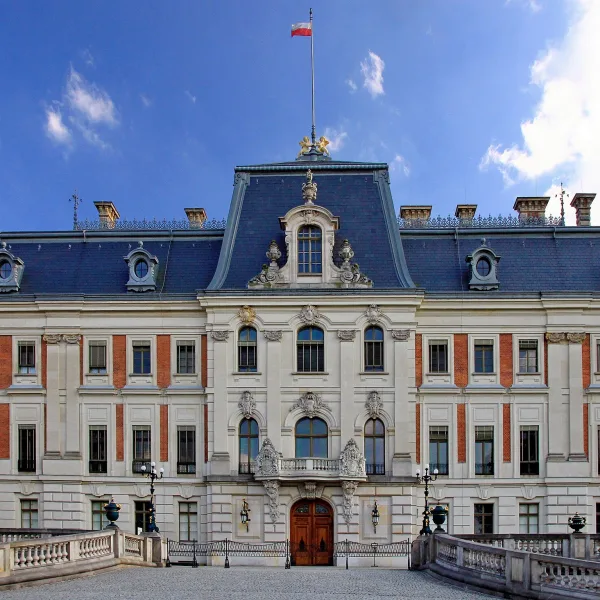
The castle served as a magnate residence; it began as a Gothic stronghold of the early 1400s, and today's palace holds the Castle Museum. The original Hochberg interiors survive, with the imperial apartment and the Mirror Hall, and a landscape park of 156 hectares surrounds it. The building's history and rebuilding are told in the article on the castle in Pszczyna, and ideas for a day among greenery are in the piece on the park, open-air museum and bison reserve.
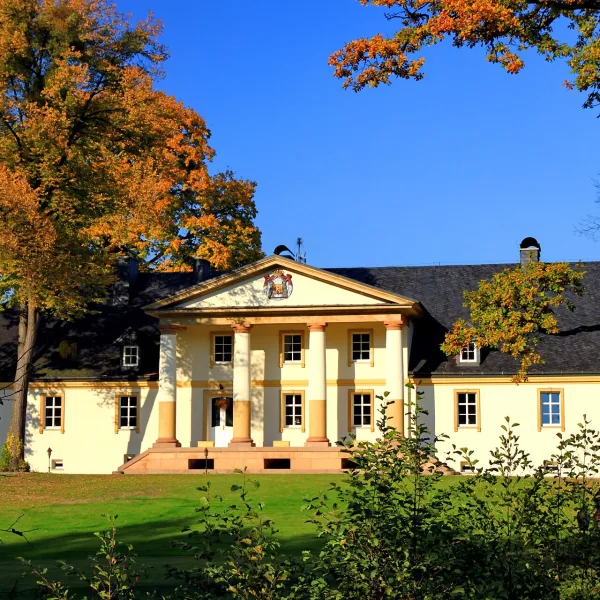
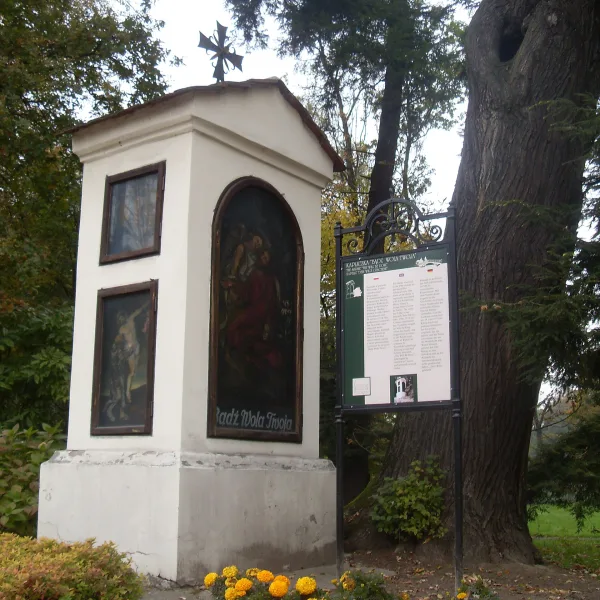
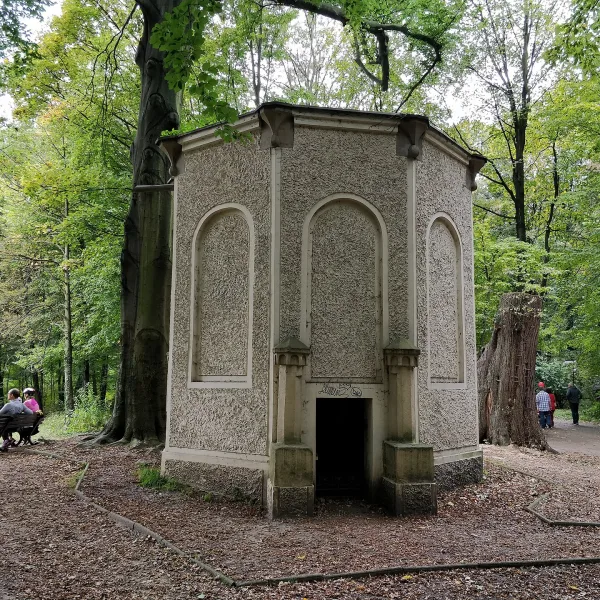
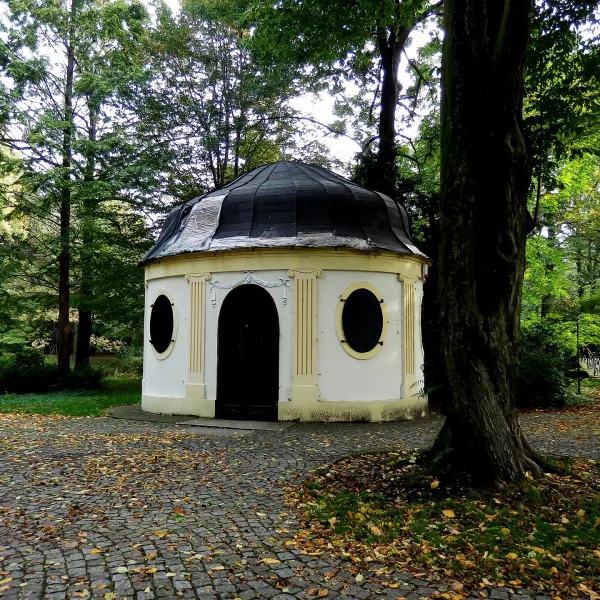
In the northern part of the park stands a neo-Romanesque ice house on a hexagonal plan, where ice cut from the Pszczynka ponds was stored. A tea pavilion hides on an island among the backwaters: Classicist, oval in plan, with a domed mansard roof and a seasonal tea room. At the northern margin of the old English-style park stands the Ludwikówka manor of about 1800, with a portico of Tuscan columns. In a corner of the park, at a fork of old trade routes, you will see the masonry "Thy Will Be Done" shrine.
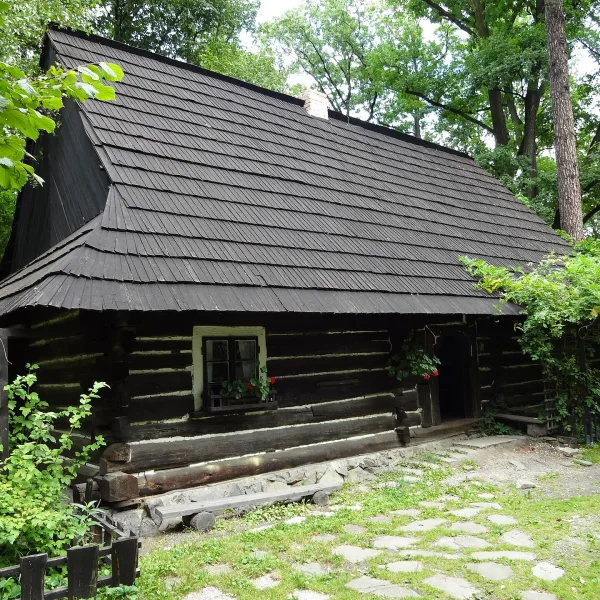
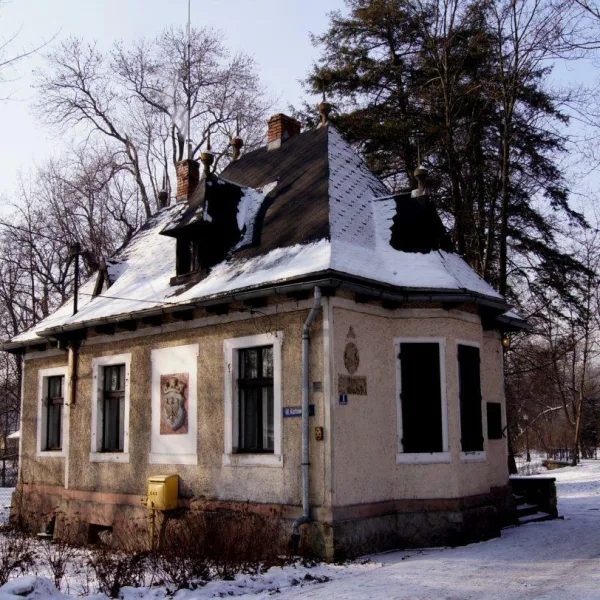
In the eastern part of the park lies the Pszczyna Village Farmstead, a skansen that welcomed visitors from 1975, with a dozen or so wooden examples of folk architecture. The neo-Baroque Gardener's Cottage houses the small Museum of the Military History of Silesia, opened on 9 November 2014.
Where to learn about Pszczyna's Jewish community?
The former synagogue stands on Bramkowa street, steps from the Market Square, and was erected in 1835. Worship no longer takes place there; during the war the interior and the facade were remodelled, and from 1941 it worked as a cinema. Only the outline of the original building remains. For more on that community, see the article on Jewish cemeteries of the Pszczyna and Rybnik lands.
Frequently asked questions
How to spend a day in Pszczyna alone?
The town hall, the Wybrańcy Gate and the churches by the Market Square, then the castle with its park and the open-air museum.
How many hectares is the park in Pszczyna?
The landscape park by the castle covers 156 hectares.
When did the Village Farmstead open?
In 1975, in the eastern part of the park. A dozen or so wooden monuments were gathered there.
Where is the Museum of the Silesian Press?
At Piastowska 26, on the town's main pedestrian street.

 Museums