What to do alone in Cieszyn? Walk the Castle Hill, visit churches of several faiths and spend a rainy day in museums, at your own pace.
Cieszyn suits a solo trip well: the old town is compact, churches and museums stand close together, and most places can be seen at your own speed. The list below covers a couple of dozen ideas, from a Romanesque rotunda to a working brewery. For wider context, see things to do in Cieszyn, and for solo ideas across the region see what to do alone in Silesia.
Where should a solo walk around Cieszyn begin?
Begin on Castle Hill, because the town started there and you can see how it is laid out. Set aside a separate hour for it, then walk down towards the Market Square. The article on the Rotunda of St Nicholas and Castle Hill tells the story of the hill.
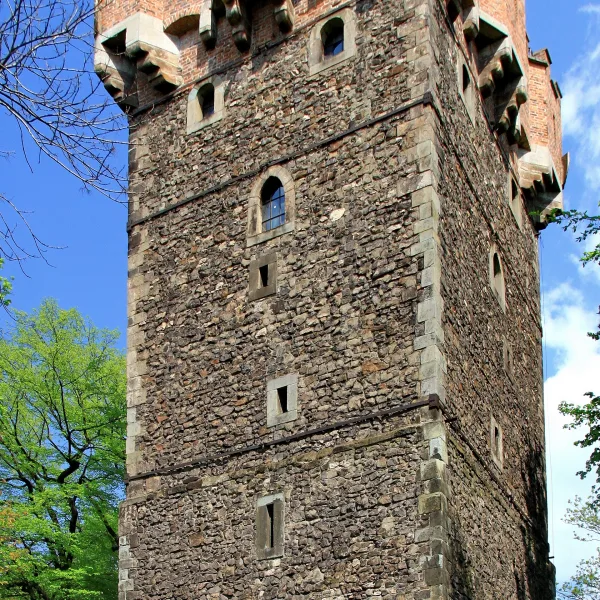
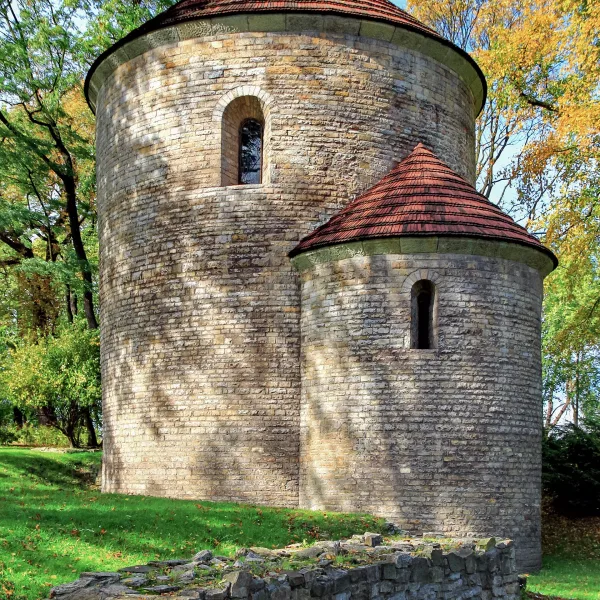
The Rotunda of St Nicholas is a round Romanesque building dated to the 11th or 12th century, counted among the earliest round churches in the country. The register of monuments lists it as a former castle chapel. Next to it rises the Piast Tower, a medieval defensive tower from the 14th century. The old castle had four such towers, but only this one survived. It is almost 30 metres tall and has a viewing terrace at the top, a good spot to look down on the town.
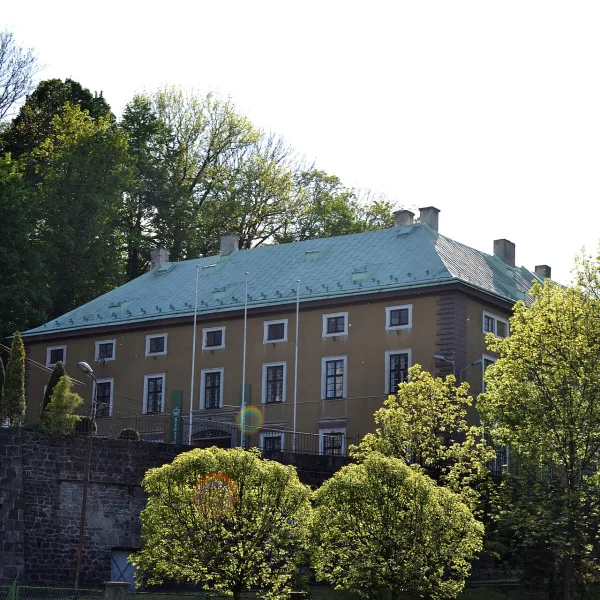
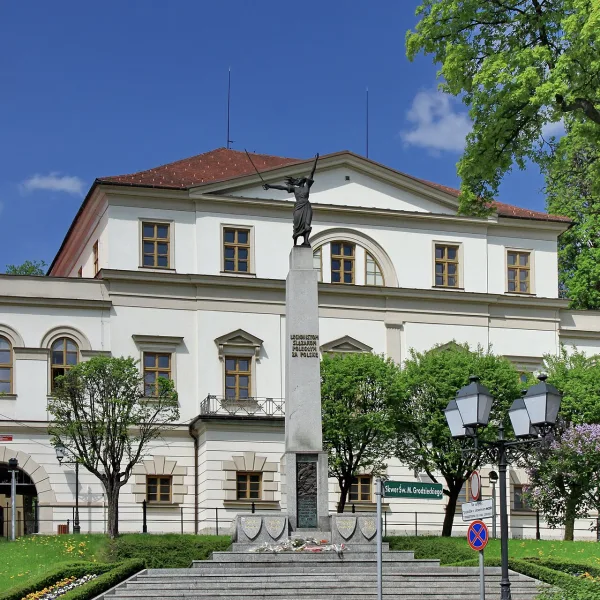
Below the hill you will find the Habsburg Hunting Palace, a classicist summer residence put up in 1838-1840 to plans by Joseph Kornhäusel. It now houses Zamek Cieszyn, a cultural institution that works as a design centre. Nearby, at Śrutarska 39, the Castle Brewery has been running since 1846 and is known as the country's longest continuously operating brewery, with cellars underground. Finally, look at the Three Brothers Well, a cast-iron gazebo of 1868 linked to the tale of three brothers who supposedly founded the town.
Which museums in Cieszyn suit a rainy day?
When it rains, four museums and a library do the job best, since each can fill a few hours and needs no company. Each has a different subject, so you can choose by interest.
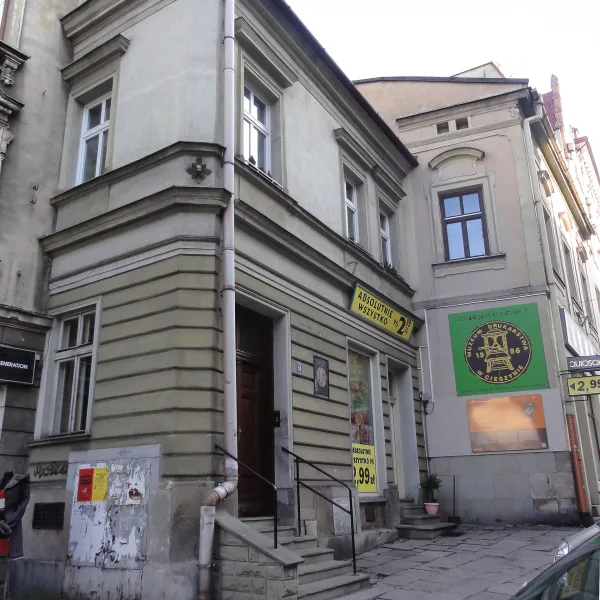
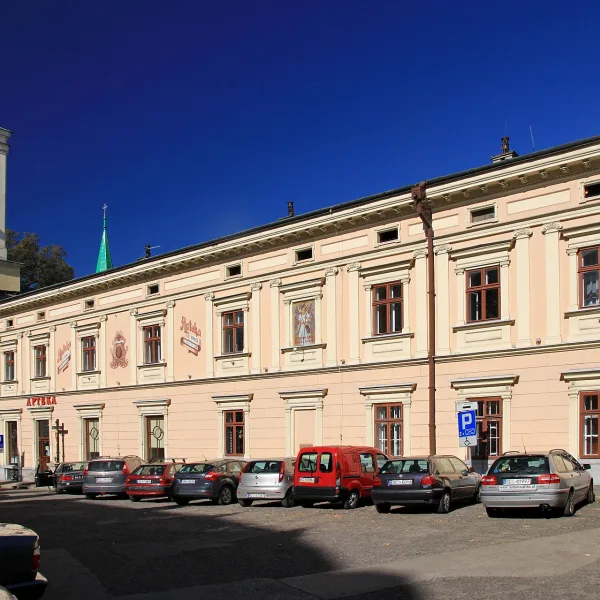
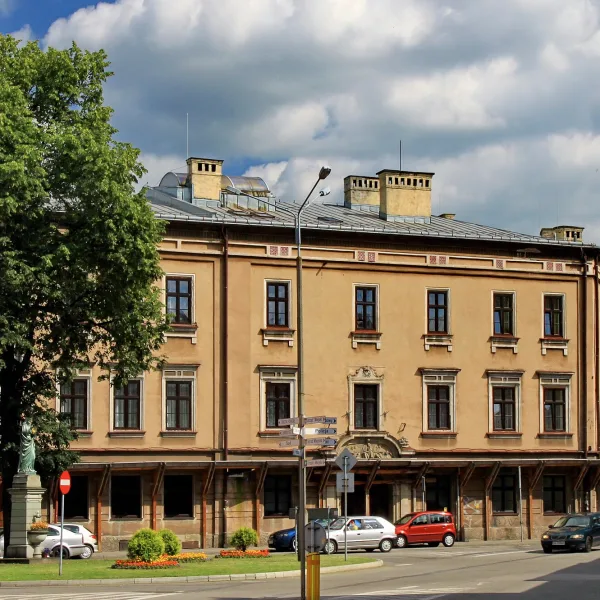
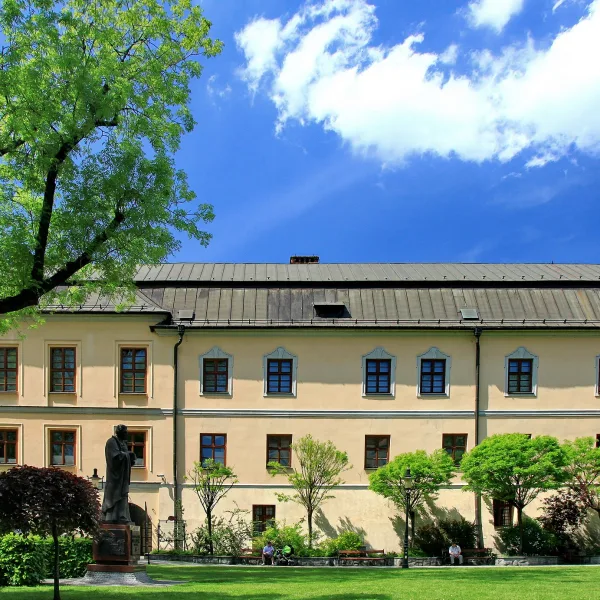
The Museum of Cieszyn Silesia at Regera 6 was founded in 1802 by the priest Leopold Szersznik and has been housed since 1931 in the Larisch palace, raised on the count's orders once the great town fire of 1789 was over. Its collections are archaeological, ethnographic and photographic, and the Egyptian Room holds items from distant lands. The Printing Museum opened in 1996 at Głęboka 50. It shows a typesetting machine with a set of type, plates and presses, and since 2022 it has belonged to Zamek Cieszyn. The Museum of Protestantism was set up on the gallery of the Jesus Church, where one of the oldest Lutheran libraries in the region sits next to Reformation memorabilia.
Anyone interested in military history should try the Museum of the 4th Podhale Rifles Regiment at Frysztacka 2, a private museum about the regiment stationed in the town from 1920, and about aviation in the region in 1937-1945. Książnica Cieszyńska at Mennicza 46 is a research library in a house known as the mint. Historic book collections of the town are kept here, and a gallery shows exhibitions.
Which churches in Cieszyn are worth seeing?
Cieszyn has churches of several faiths, so one walk takes in Catholic, Lutheran and monastic interiors from different eras. There are around fourteen on this list, and their layout on the map suits walking.
The oldest and most important
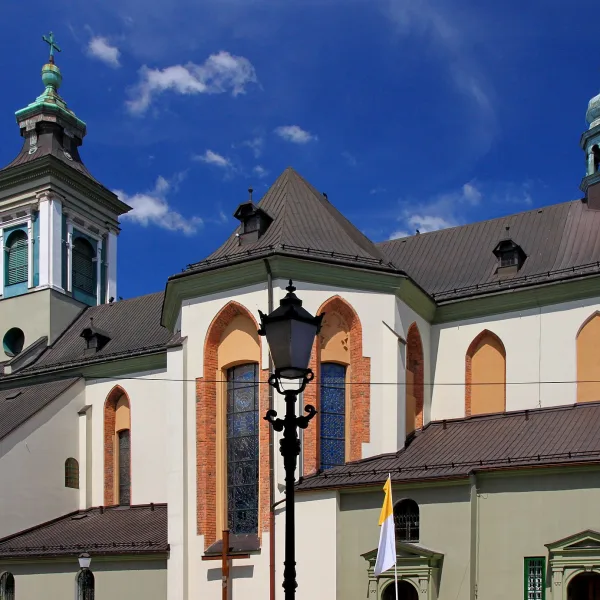
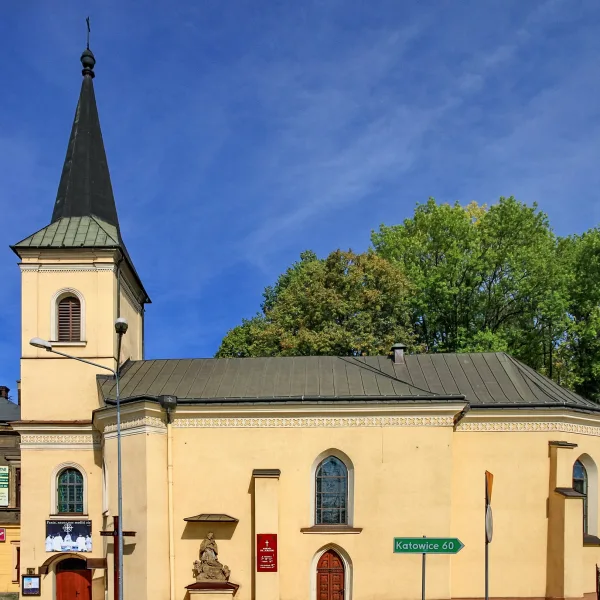
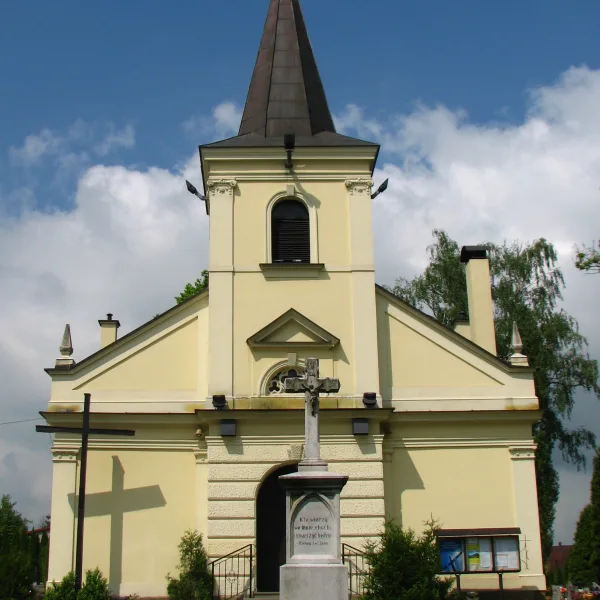
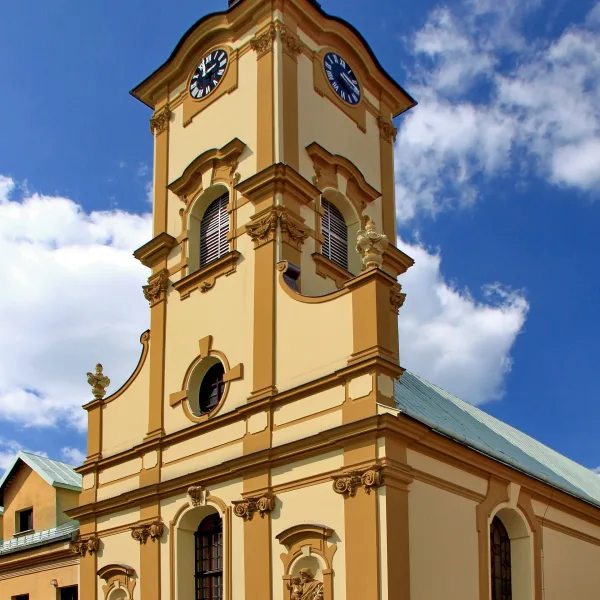
The Church of St Mary Magdalene on Plac Dominikański is the town's earliest Catholic church still standing, called the fara, and was begun in the 13th century as a Dominican house of worship. The Piast dukes of Cieszyn are buried in it. The Church of St George on Liburnia Street is a Gothic brick building from around 1400, once a hospice chapel, with the Piast emblem in its vault. The Church of the Holy Trinity on Londzina Square, in the Gothic-Renaissance style of 1594, was put up on burial ground following the plague of 1585, with the old graveyard around it turned into a park.
Baroque and monasteries
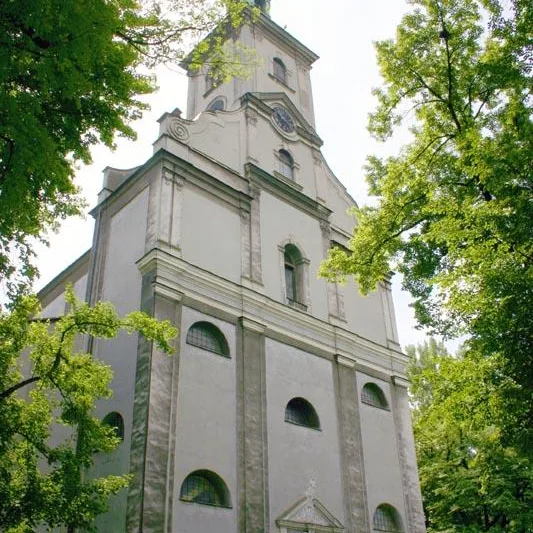
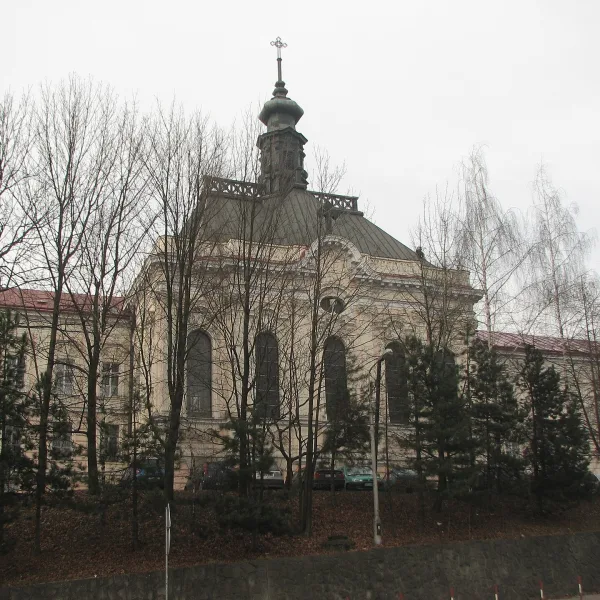
Londzina Square also has the Brothers Hospitaller monastery complex, Baroque-Neoclassical, built in 1697-1714 as a hospital of the order. The Holy Cross Church on Szersznika Street is a late Baroque building from the early 18th century, built by the Jesuits and run by Franciscans today. Right beside it is the Franciscan monastery in a former Jesuit building. The Borromeo sisters live in the complex on the Upper Market Square, in two town houses, where a Neo-Romanesque chapel was added in 1876. The Neo-Baroque Church of St Elizabeth of Hungary forms the centre of the Elizabethan sisters' complex of 1900-1903.
Lutheran churches and outlying districts
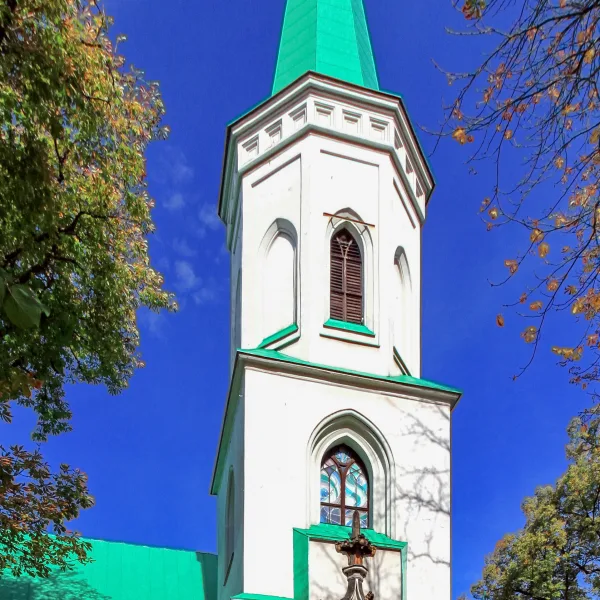
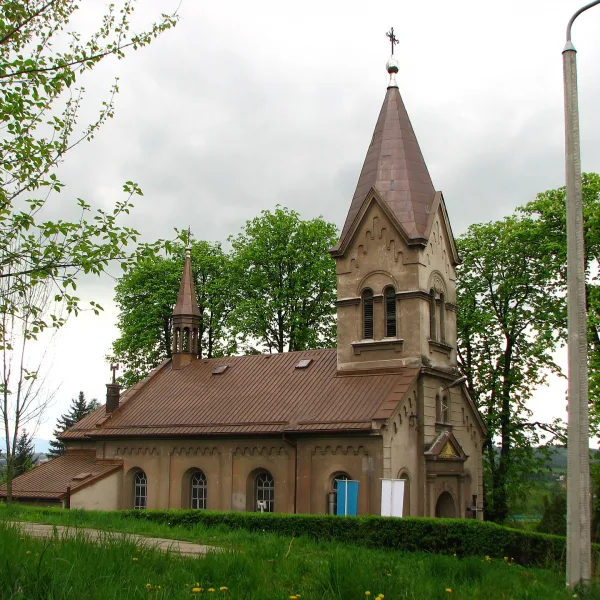
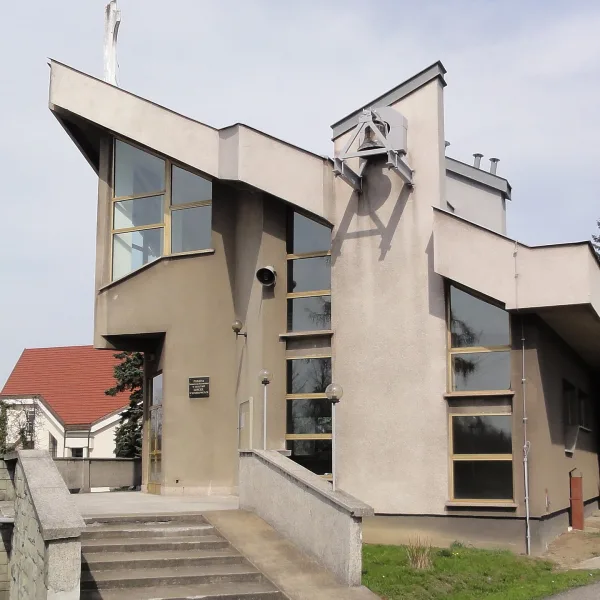
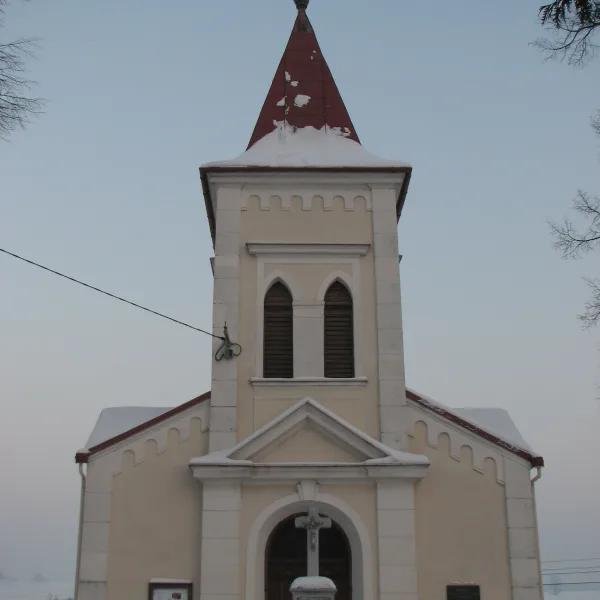
The Jesus Church, Plac Kościelny 4, is a Lutheran church with no equal in the country. It was built in 1709-1772 as a late Baroque church of grace with three-tier galleries, and seats 3,500 people. The article on Lutherans in the Beskids helps explain the story of local Protestants. Outside the centre, look at the Lutheran chapel in Krasna of 1910, built by parishioners themselves, and the church in Marklowice, consecrated in 1987. In Bobrek stands the Church of the Name of the Blessed Virgin Mary of 1908-1910, and, in the Pastwiska district, the Church of Divine Providence, built as a cemetery chapel to a design by Albert Dostal.
What else is there around the Market Square?
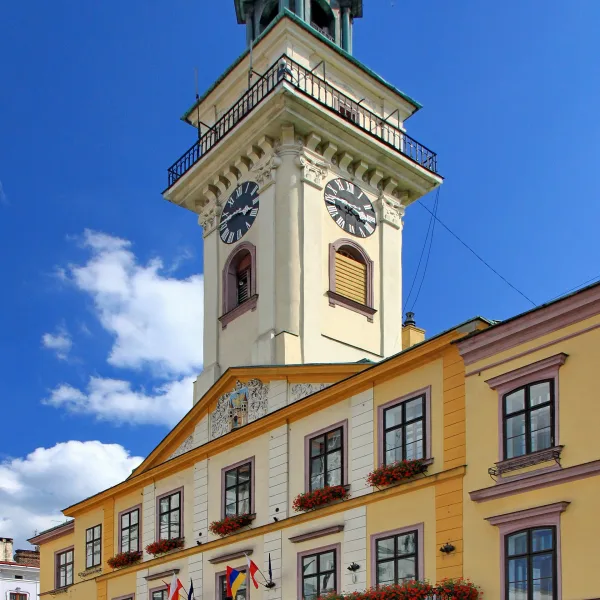
Leave the Market Square for the end, as a natural place to rest after the walk. In the middle stands the town hall, Neoclassical, with a clock tower, still the seat of the town authorities and listed as a monument. The present building rose after repeated fires that over three centuries destroyed earlier town halls on the spot. The division of Cieszyn along the Olza after 1920 is described in the article on the divided town on the Olza, worth reading before you set out.
Frequently asked questions
Is Cieszyn good for sightseeing alone?
Yes. The old town is compact, and the churches, museums and Castle Hill lie close together, so it is easy to plan your own route without a guide.
Where to go in Cieszyn in bad weather?
Pick a museum. Options include the Museum of Cieszyn Silesia, the printing one, the Protestant one and the regimental museum of the Podhale Rifles. Książnica Cieszyńska also has a gallery under cover.
What is the oldest monument in Cieszyn?
The Rotunda of St Nicholas, a Romanesque building on Castle Hill, dated to the 11th or 12th century, is among the oldest. Among churches, the oldest Catholic one is St Mary Magdalene, from the 13th century.
Where can you see a view of Cieszyn?
From the viewing terrace at the top of the Piast Tower, a nearly 30-metre defensive tower on Castle Hill.

 Churches and monasteries