What to do alone in Dąbrowa Górnicza? Go down a training mine, walk a trail past the lakes and look at churches, at your own pace.
In Dąbrowa Górnicza a solo traveller finds a museum, an underground route, water and woodland in one place. More than twenty sights are described below, from a building of the 1950s to reservoirs in former sand pits. The city's whole offer is shown on the page things to do in Dąbrowa Górnicza, and ideas for solo trips across the region are collected under what to do alone in Silesia. The beginnings of the town are told in an article on the path from Koniecpolska Wola to town rights in 1916.
What can you see under a roof in Dąbrowa Górnicza when it rains?
In wet weather the best choices are a museum with an underground route and a cultural centre where plays, film screenings and exhibitions are held. Either will fill half a day and needs no company.
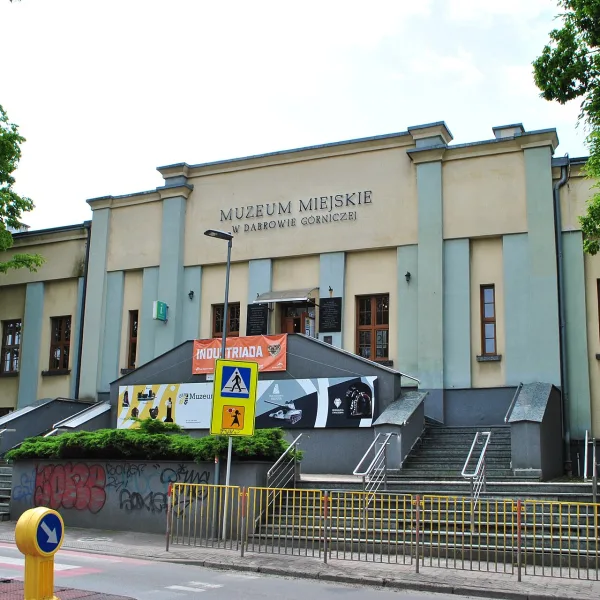
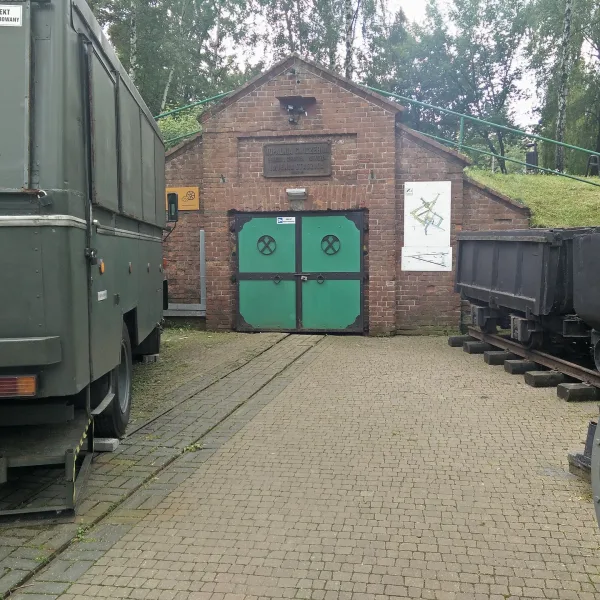
The "Sztygarka" City Museum is at Legionów Polskich 69, in a former mining school building. Its displays present the history of the Dąbrowa Basin, its industry, geology, the everyday life of miners and peasants, and travel. The museum includes the Training Mine, a tunnel route dug in the 1920s for the schooling of would-be miners. It shows how the training of mid-level mining staff looked and is one of few routes of this kind in the region.
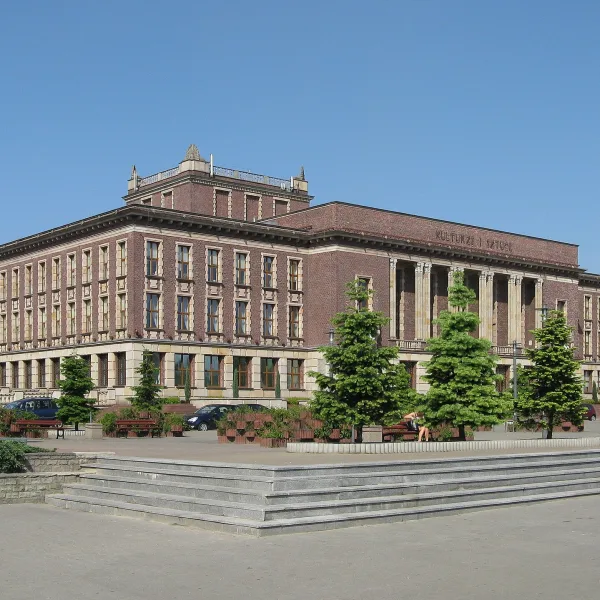
The Basin Palace of Culture at Plac Wolności 1 is a massive example of Stalin-era architecture completed between 1951 and 1958, and it is on the register of monuments. It houses a stage, a cinema for art films and a gallery, so after admiring the building you can stay for a screening or a show.
Where to go to the water and out into the countryside in Dąbrowa Górnicza?
The water is at two reservoirs created in former sand pits, and the countryside along a hiking trail to Sosnowiec. All three are free and good for a solo walk.
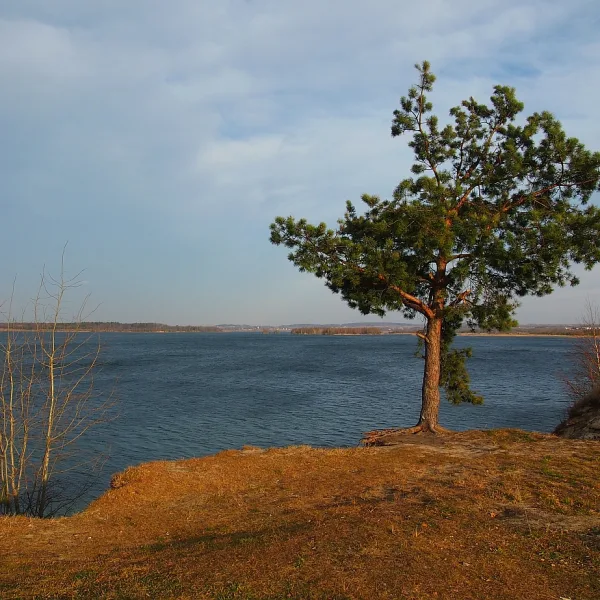
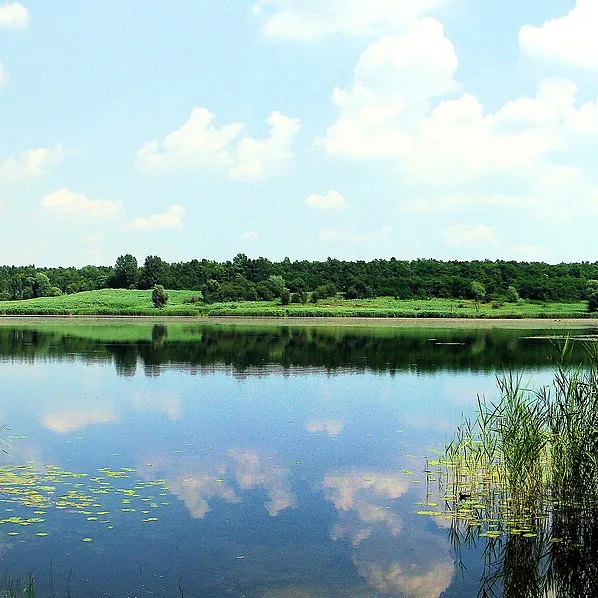
Pogoria II Reservoir was opened in 1976-1978, when a former sand pit was flooded. It serves walkers and anglers today and is covered by nature protection, and its banks are lined with reeds where a colony of black-headed gulls nests. Much larger is Kuźnica Warężyńska Reservoir, popularly called Pogoria IV. This artificial lake of 560 hectares was created in 2005 by flooding a sand-pit excavation in the Czarna Przemsza basin. Part of it lies in Siewierz municipality; the main beach has been laid out near Wojkowice Kościelne.
The Metallurgists' Trail is a hiking path marked in black and 18.2 kilometres long. The tourist map shows it joining Dąbrowa Górnicza to the south of Sosnowiec via Gołonóg Hill, so you can walk all of it or only a part.
Which churches in Dąbrowa Górnicza are worth seeing?
Most places on this list are churches, from Neo-Gothic basilicas to a wooden chapel. You need not see them all: pick an era or a district.
Basilicas and shrines
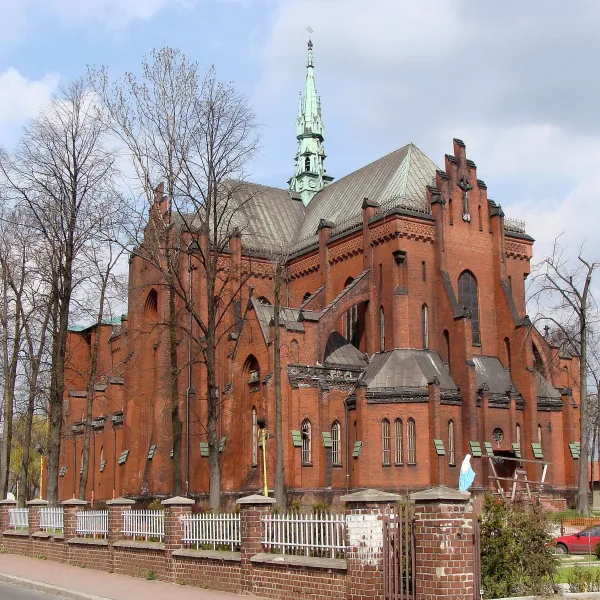
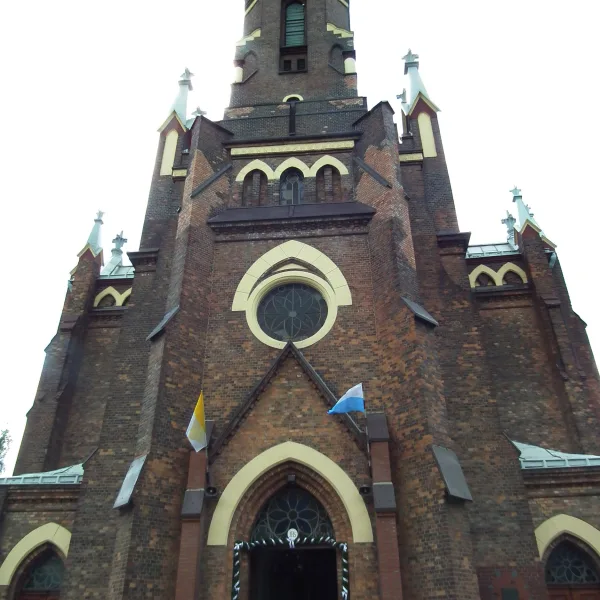
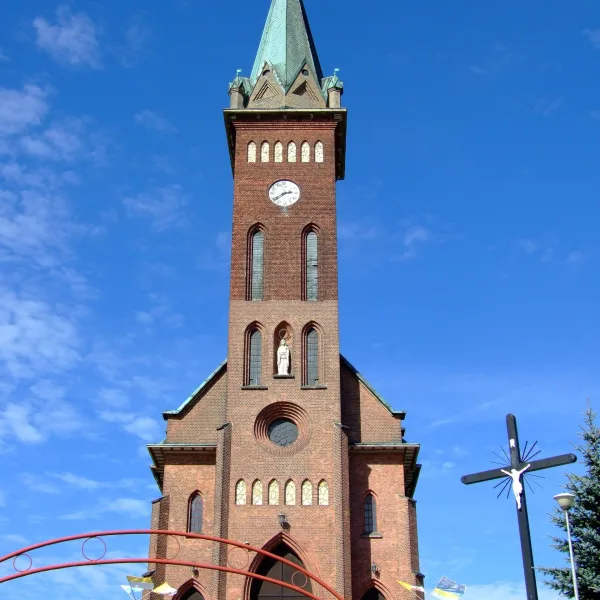
The Basilica of Our Lady of the Angels stands at Królowej Jadwigi 12. Work in the Neo-Gothic style went on from 1898 to 1912, has three towers in its façade, and the tallest measures 86 metres. It is also a shrine of the Sosnowiec diocese. In Strzemieszyce Wielkie you will find the brick Basilica of the Sacred Heart of Jesus, from 1903-1910; it gained the status of shrine in 2002 and the title of minor basilica six years later. In Gołonóg, on a limestone hill called Górka, rises the Baroque Church of St Anthony of 1675-1678, today a shrine of St Anthony of Padua.
Churches with an interesting past
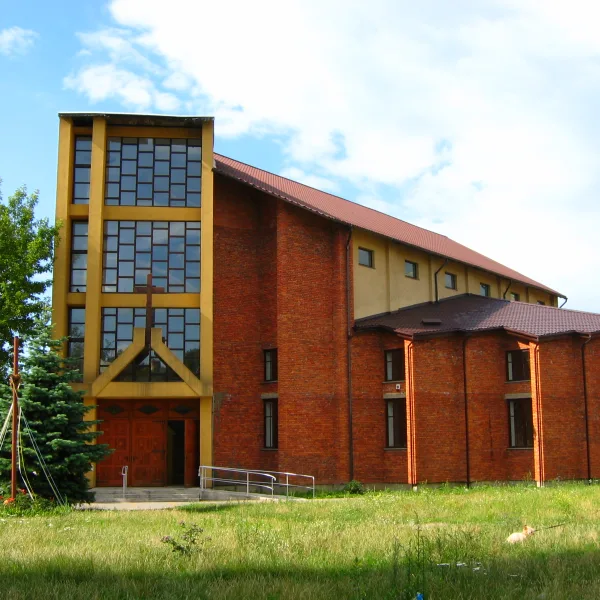
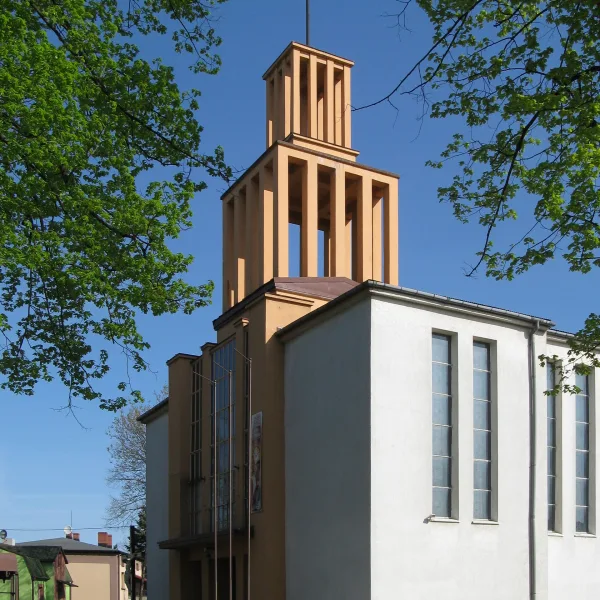
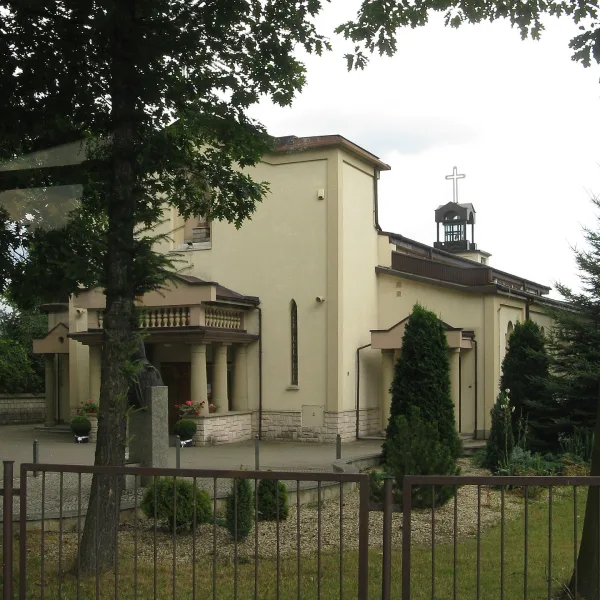
The Church of St Barbara at Legionów Polskich 36 dates from 1882, when Lutherans built it, and after 1945 Catholics took it over. The Church of St Joseph on Konopnickiej 62 is Modernist, from 1938-1948, with a tall openwork tower and windows decorated by Zofia Baudouin de Courtenay. The Neo-Romanesque Church of Our Lady of Częstochowa in Łęka went up in 1897-1905 and is furnished with a Neo-Baroque main altar and Neo-Gothic altars along the sides. The brick Church of Christ the King on 11 Listopada Street was begun in 1957 to a design by Wacław Moskalik and consecrated only in 2001.
Ząbkowice, Łosień, Błędów and Mydlice
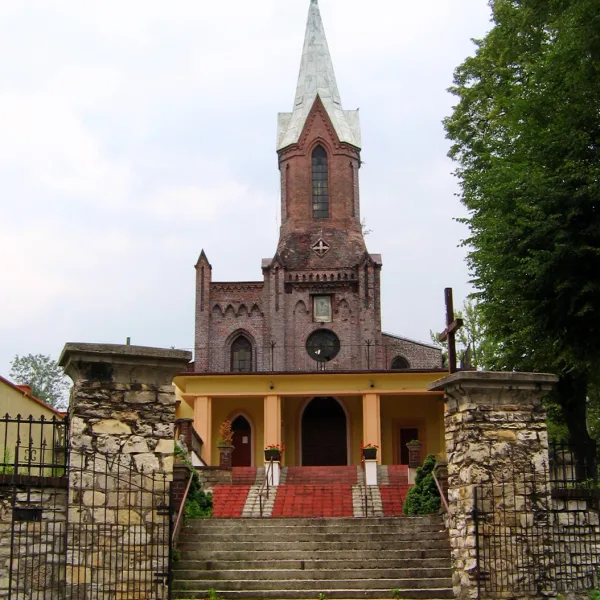
Ząbkowice has two churches of different character: the Neo-Gothic three-nave Church of the Descent of the Holy Spirit, consecrated in 1905, and the modern Church of St Mary Magdalene on Oświecenia Street, which parishioners built from 1987 to 2010, with stained glass of the Stations of the Cross. In Łosień you will find the Church of the Exaltation of the Holy Cross of 1890-1910, consecrated in 1960. Błędów has the Church of the Most Holy Trinity of 1952-1960. A contemporary church on the Mydlice estate is the Church of the Most Holy Body and Blood of Christ on Żeromskiego Street, consecrated in 2005.
Which small chapels and monuments stand in the districts?
Outside the centre a few small chapels survive, often older than the nearby churches, and they make a good target for a short bike ride or walk.
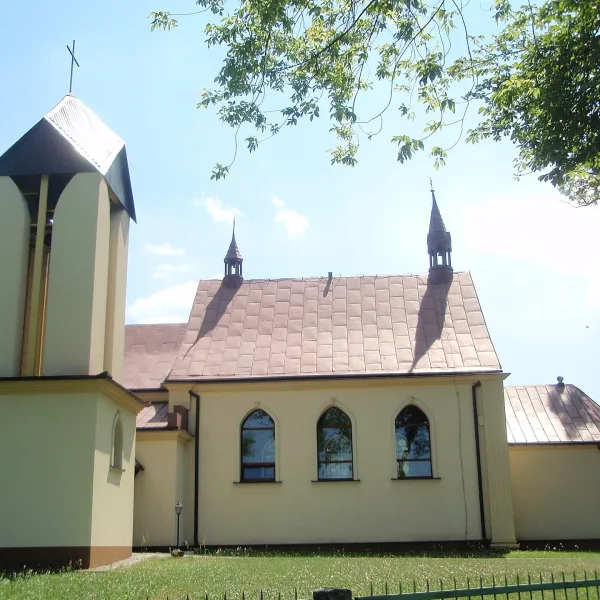
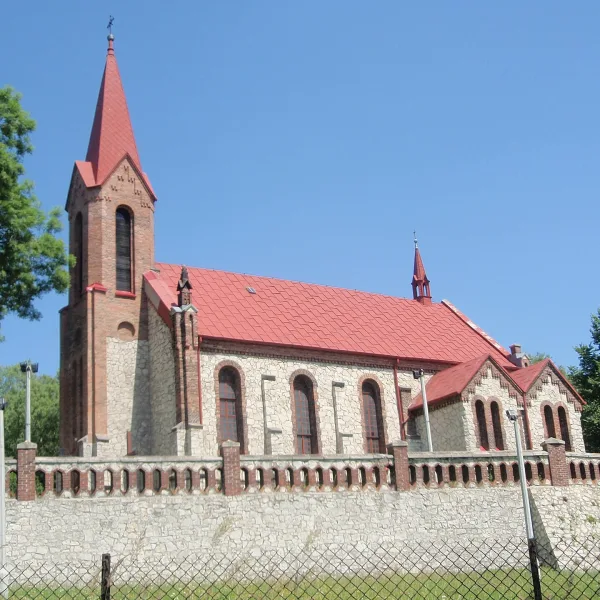
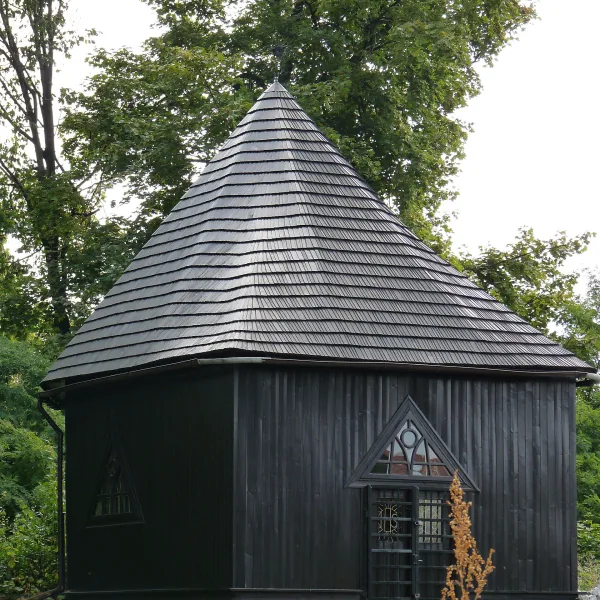
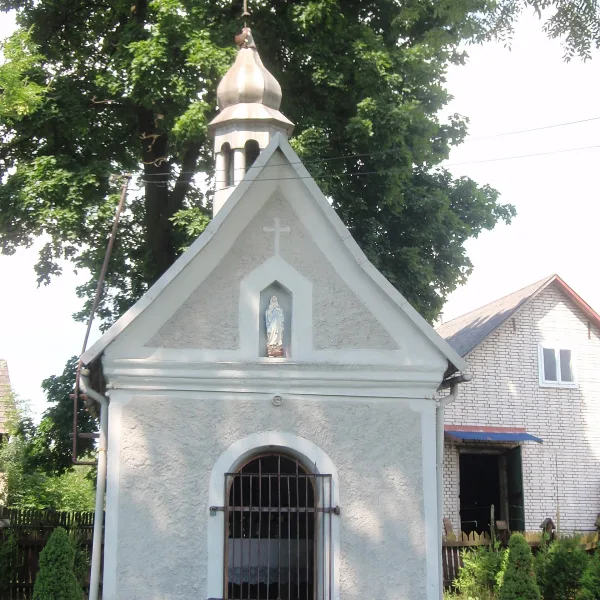
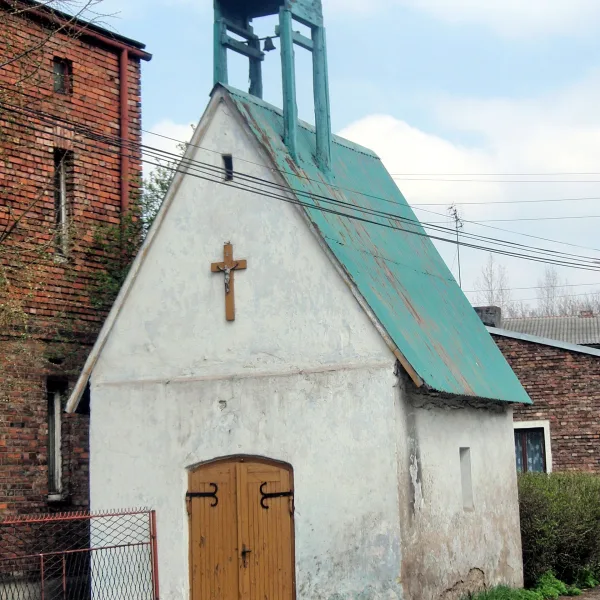
St Catherine's Chapel on Kryniczna Street in Ujejsce is a wooden building with a shingle roof and a Baroque altar, founded in 1784. Two others are stone: the Chapel of Our Lady of Mount Carmel in Strzemieszyce Małe, from around 1800, and the Chapel of Our Lady of Sorrows in Błędów, consecrated in 1919. In Trzebiesławice stands a red-brick Chapel of Our Lady Help of Christians, on the monument register since 1967, with a bell and furnishings from the 18th century.
In the centre, beside the City Centre Park, stands Dezon's Little Palace, put up ahead of 1883 at the request of the wife of a French-Italian Company director. During the war it served as a Gestapo seat, and its exterior was renovated in 2008. It is a place to view calmly from outside, with no invitation to enter.
Frequently asked questions
Is Dąbrowa Górnicza good for a solo trip?
Yes. There is a museum with an underground route, reservoirs with free access, a hiking trail and over a dozen churches that you can see at your own pace, district by district.
What to do in Dąbrowa Górnicza when it rains?
Try the "Sztygarka" museum together with the Training Mine, or the Palace of Culture with its screenings, stage and gallery.
Where is the water in Dąbrowa Górnicza?
At the Pogoria II and Kuźnica Warężyńska reservoirs, created in former sand pits. The second has the main beach.
How long is the Metallurgists' Trail?
By the tourist map it measures 18.2 kilometres, is waymarked in black and runs from Dąbrowa Górnicza to Sosnowiec via Gołonóg Hill.

 Lakes