Industrial heritage in Tarnowskie Góry: the Royal Fryderyk Mine, drainage adits, a steam machinery open-air museum and a UNESCO listing.
Tarnowskie Góry was a centre of lead, silver and zinc mining, and traces of that work survive both above and below ground. The six sites here explain how the mines were drained and what the town's World Heritage listing actually covers.
Where should an industrial visit to Tarnowskie Góry begin?
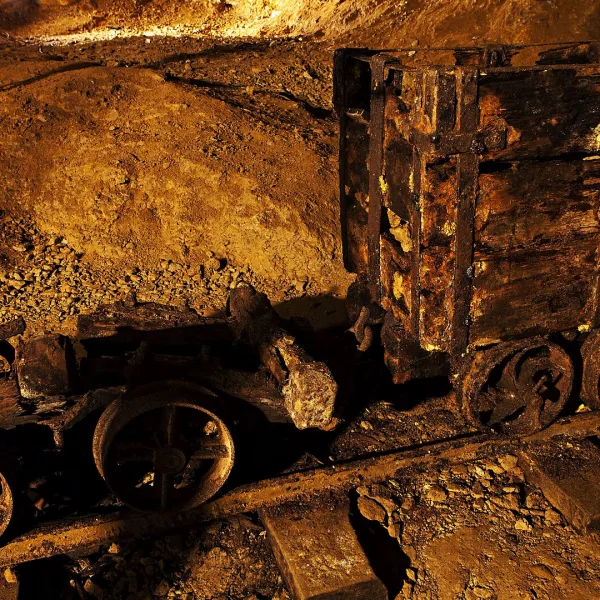
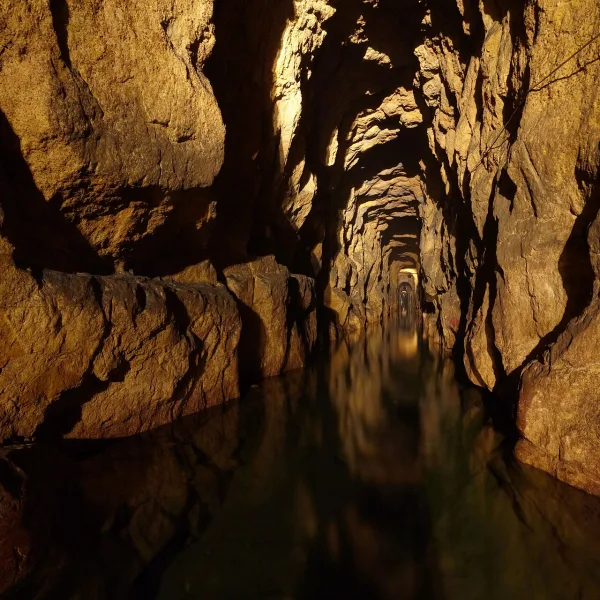
At the Royal Fryderyk Mine, a former lead and silver mine that operated from 1784 into the early twentieth century. Lead was first struck in July 1784, close to the Rudolphine shaft. Part of the workings is open to visitors as the Historic Silver Mine, and the whole complex of underground works joined the UNESCO list in 2017. An article on the underground route tells more.
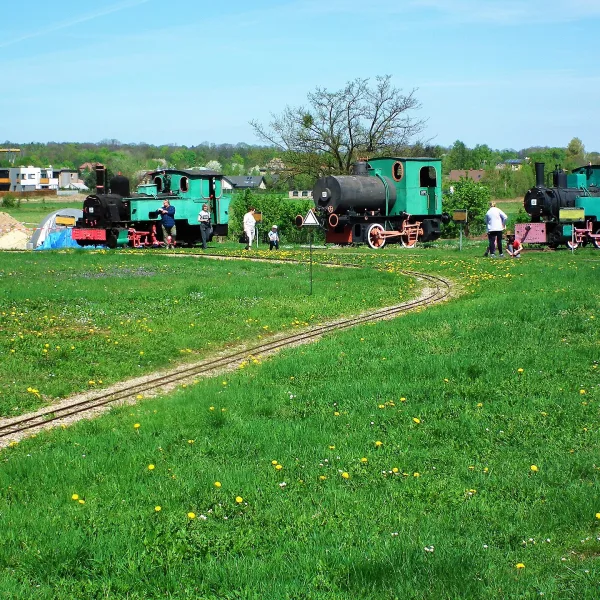
On the mine grounds, beside the headframe building of the Anioł shaft, stands the Steam Machinery Open-Air Museum. It is an outdoor collection of locomotives and engines opened in 1976, covering about a hectare. Exhibits include a portable steam engine, a road roller, a railway crane and steam pumps, and a heritage railway with a 184 mm gauge runs across the site.
What exactly does the UNESCO listing cover?
The UNESCO listing of 2017 is not a single mine but twenty-eight post-industrial sites in Tarnowskie Góry, Bytom and Zbrosławice. What ties them together is an underground drainage system, regarded as a major feat of water engineering. The listing includes shafts, galleries, adits dating from the sixteenth century and post-mining landscapes.
How were the mines of Tarnowskie Góry drained?
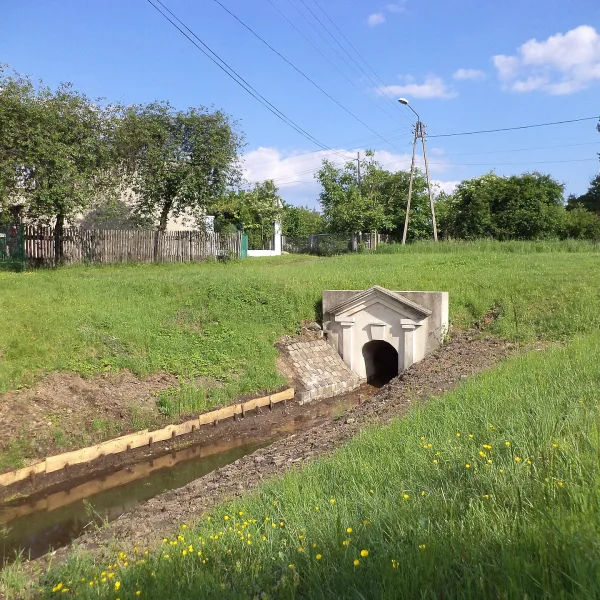
The answer was adits. The Deep Fryderyk Adit is seventeen kilometres long and was driven in 1821-1834. Water flows through it by gravity and then along a 1400-metre channel to the river Drama. Its neoclassical portal is in Zbrosławice, and the adit is entered in the register of monuments.
An older adit is recalled by the Portal of the “Boże Wspomóż” Adit in Strzybnica, on Artura Zawiszy street. The first adit of that name was dug in 1652-1695, and a new one, called Gotthelf, was started in 1786 on the initiative of Friedrich Wilhelm von Reden; his role is covered in a text about Reden. From the time of the Deep Adit works comes the Adit Machine Shaft No. 22, known as “Karlik”: a stone shaft house of 1824 on Witosa street, where a steam engine drained the works.
Other places in town are gathered among the attractions of Tarnowskie Góry, in the list of local museums and in the roundup of industrial sites in Silesia.
Frequently asked questions
How many sites does the UNESCO listing in Tarnowskie Góry include?
Twenty-eight, located in Tarnowskie Góry, Bytom and Zbrosławice. They are joined by an underground drainage system.
What can you see on the grounds of the Royal Fryderyk Mine?
Part of the workings as the Historic Silver Mine, plus the Steam Machinery Open-Air Museum with locomotives, a portable engine and steam pumps.
How long is the Deep Fryderyk Adit?
About seventeen kilometres. It was driven in 1821-1834, and water flows through it by gravity to the river Drama.
Where is the Karlik shaft?
On Wincentego Witosa street. It is a stone shaft house from 1824, entered in the register of monuments.

 Industrial heritage