Parks and nature in Tarnowskie Góry: a park on mining spoil heaps, a UNESCO heap, the Repty landscape park and the Doły Piekarskie pits.
Green space in Tarnowskie Góry has a distinct character, because most parks grew on the remains of old lead, silver and iron-ore mining. Alongside small squares there is a landscape park of around two hundred hectares and old oak trees. A walk is easy to combine with sightseeing of the mining monuments.
Which parks in the centre of Tarnowskie Góry are worth visiting?
Three parks of different kinds lie in or beside the centre: the Municipal Park on former spoil heaps, the small Reden Park with a historic pithead building and a quiet monastery park of the Camillians. The first is the largest and best laid out.
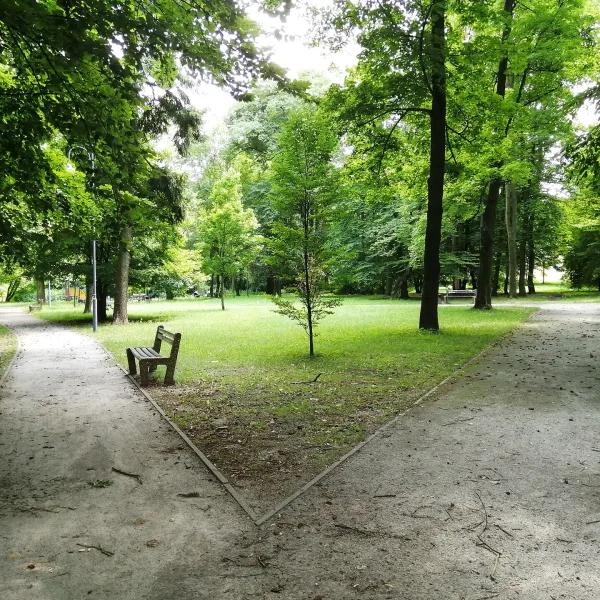
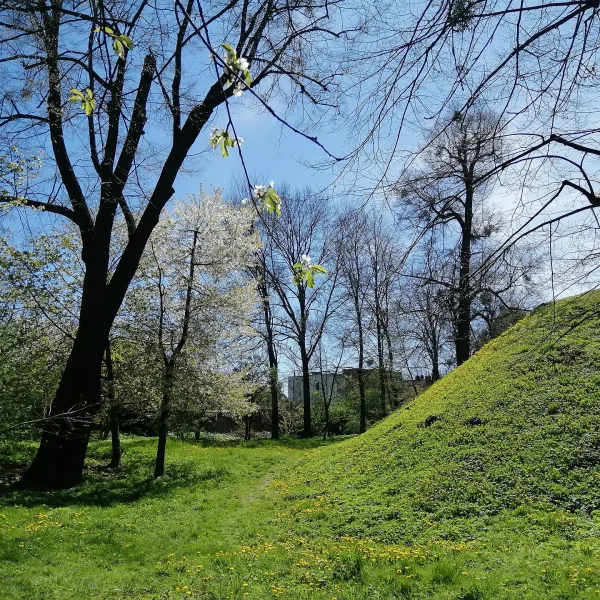
The Municipal Park covers 21.5 hectares in the town centre. Its origins go back to 1903, when it was laid out on warpie, the spoil heaps of old ore mines. Today it is a listed monument and part of the UNESCO site, and visitors climb its viewing tower or sit by the fountain pond. Reden Park on Opolska Street, of about 2.8 hectares, grew up in the 1830s on old workings. It contains a miners' pay-hall of 1812 and a forge of around 1815.
The Camillian Fathers' Park is a monastery park of about five hectares from 1910, on a former gallows hill. A lime avenue grows there and a Lourdes Grotto stands in it. The grounds also include a monastic cemetery, so keep the peace.
Where can you see traces of mining among the greenery?
Most traces of mining are on the washing-plant heap, in Kunszt Park and in Piny Park. Doły Piekarskie and the former Paulsborn garden with a karst spring add to them.
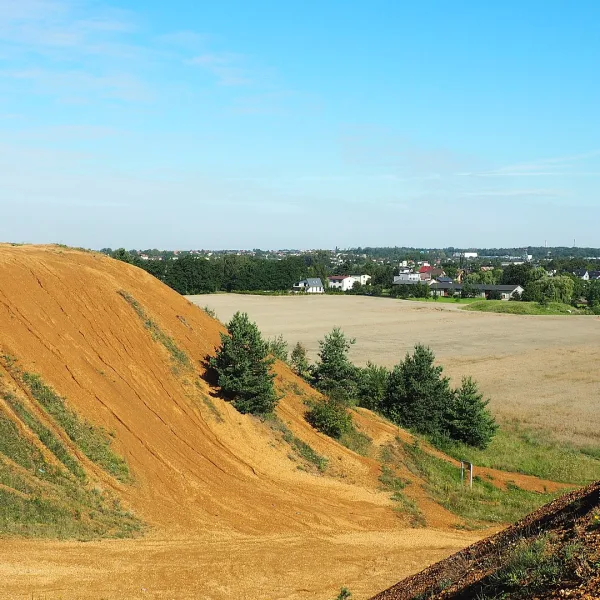
The washing-plant spoil heap in the south of town was formed from waste left after the ore was washed at the Fryderyk mine. Since 2017 it has belonged to the UNESCO World Heritage site, with calamine grasslands and a view over the town. Kunszt Park in Bobrowniki Śląskie surrounds the heap of the Rudolphine shaft, where the first deposits of silver and lead ore were found in 1784. In Osada Jana lies Piny Park, laid out in the mid-1970s with varied terrain: the name refers to pingi, shallow funnel-shaped hollows.
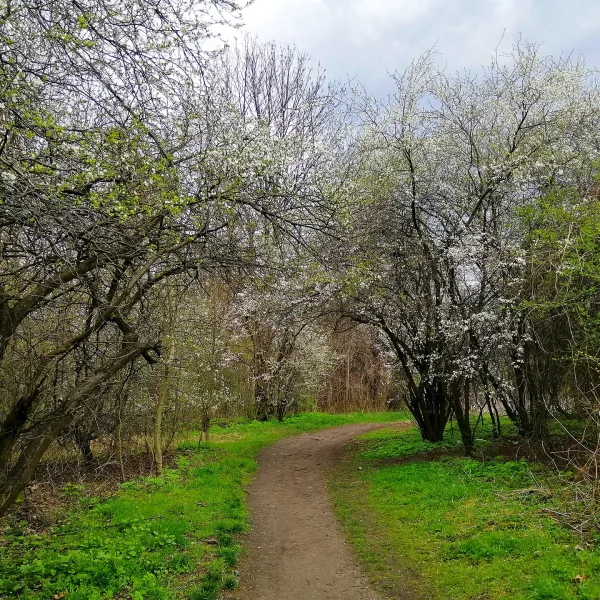
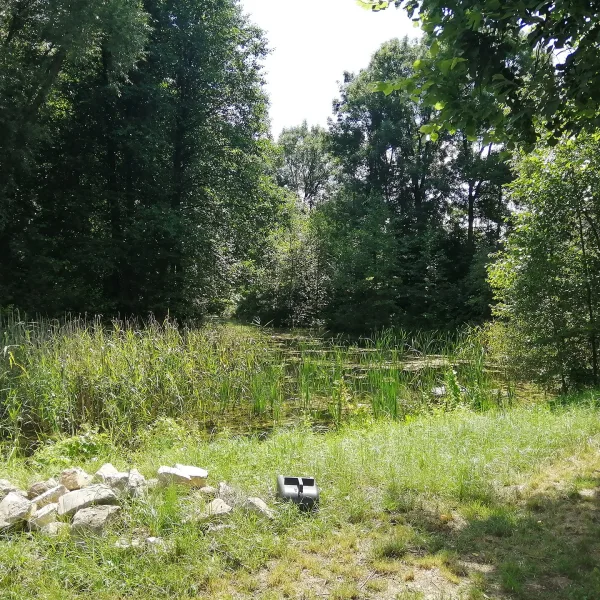
Doły Piekarskie in Piekary Rudne is a landscape reserve left by an open-cast mine, with hollows, valleys and steep ridges around Sucha Góra. An educational trail leads through it. Dr Paul Wossidlo founded Paulsborn on Cegielniana Street in 1895. A pond and a karst spring survive.
Where should you go for a longer walk or into the woods?
For a longer outing choose Repty park, which covers around two hundred hectares, or the Boruszowice oaks in a former nature reserve. For a shorter rest there is Hutnik Park in Strzybnica.
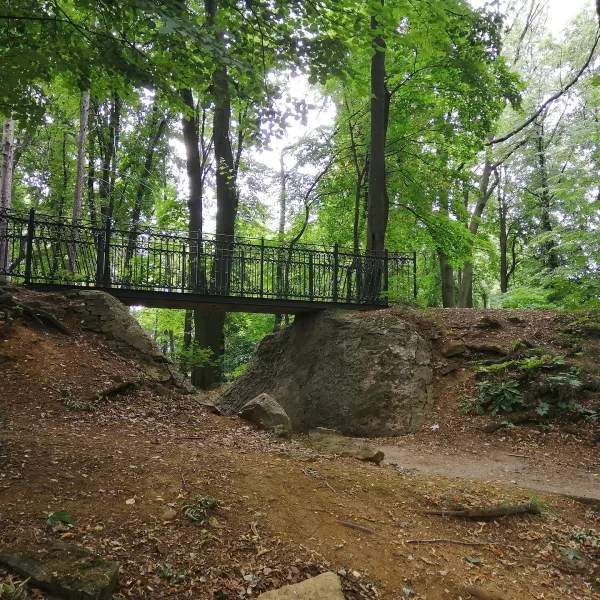
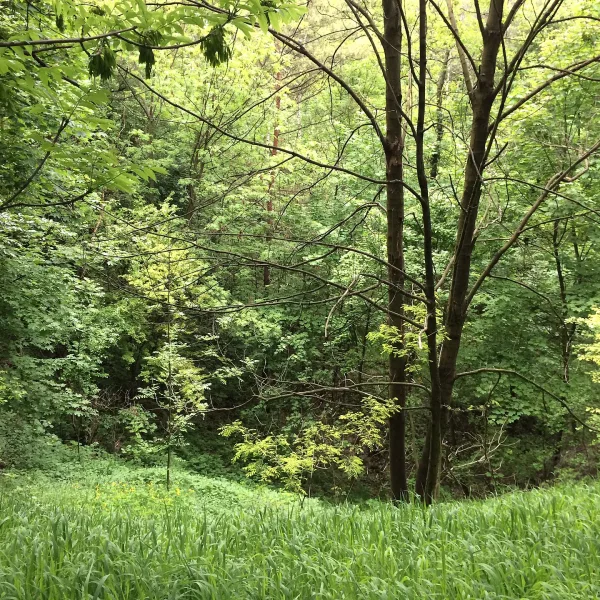
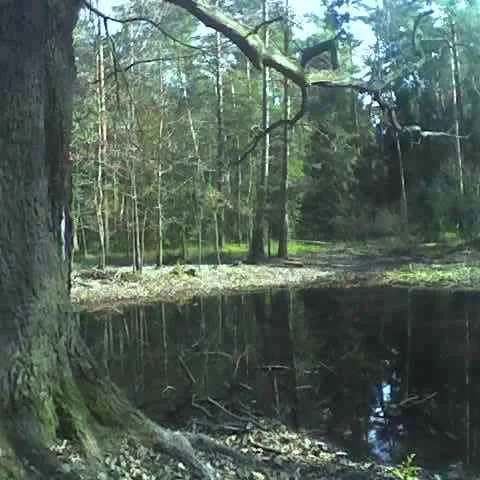
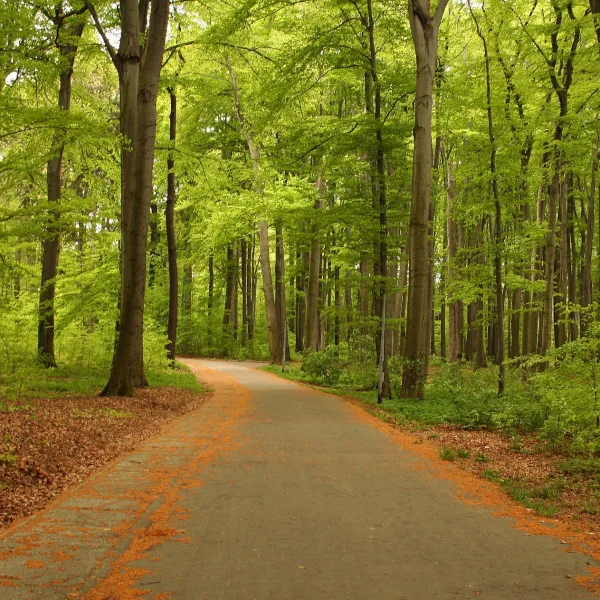
Repty Park is a former game park of the Henckel von Donnersmarck family, a landscape park since the end of the 19th century and listed as a monument since 1966. The Boruszowice Oaks in the Woda Graniczna valley were a nature reserve in 1953-1992. The old oaks still grow there. Hutnik Park in Strzybnica covers 2.57 hectares and has an amphitheatre and a bandshell from 1975.
When planning your day, look at the monuments of Tarnowskie Góry, its industrial sites and museums. The underground route is described in an article on the Historic Silver Mine.
Frequently asked questions
Which park in Tarnowskie Góry is the biggest?
The biggest is Repty park, at around 200 hectares. Among the town parks, the Municipal Park is the largest, with 21.5 hectares.
Which green spaces belong to the UNESCO site?
The Municipal Park, laid out on spoil heaps of ore mines, and the washing-plant heap, inscribed in 2017.
Where do old oak trees grow in Tarnowskie Góry?
In the Boruszowice Oaks, in the Woda Graniczna valley. The former reserve was liquidated in 1992, but the old trees still grow there.
Where can you walk through a former mining area?
In Doły Piekarskie in Piekary Rudne. Gullies and hillocks remained after the ore was dug out, and a teaching trail runs through them.

 Parks and nature