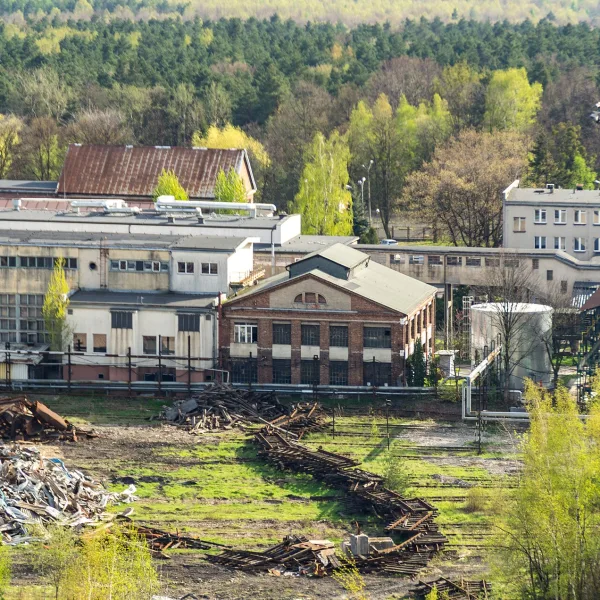
Industrial heritage in Katowice: Nikiszowiec, the former Katowice colliery, water towers and workers' housing. Over a dozen traces of mining and smelting.
Katowice grew out of coal and zinc, and traces of that history survive in brick estates, winding towers, water towers and directors' villas. This list is for readers who want to understand what industrial Upper Silesia looked like and where to see it today, usually from the outside and on a walk.
Where to begin with industrial Katowice?
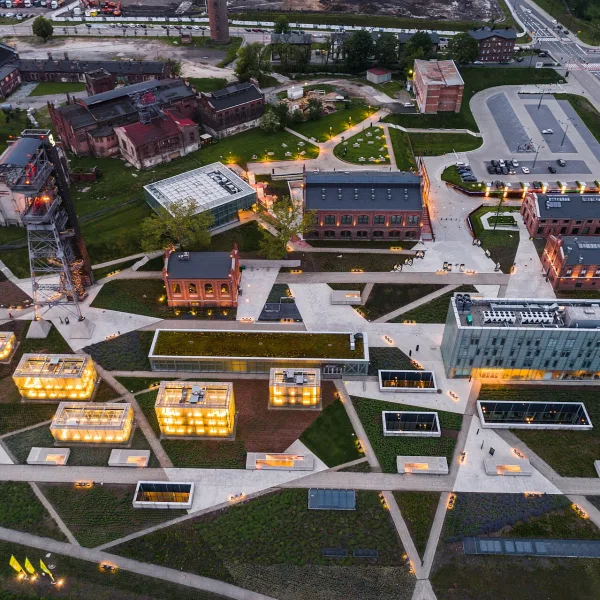
Begin with Nikiszowiec, the best-preserved workers' estate, and with the former Katowice colliery in Bogucice, whose buildings now form the Culture Zone. Then head to Giszowiec and Szopienice, where colonies and water towers form legible ensembles.
What is left of the Katowice colliery in Bogucice?
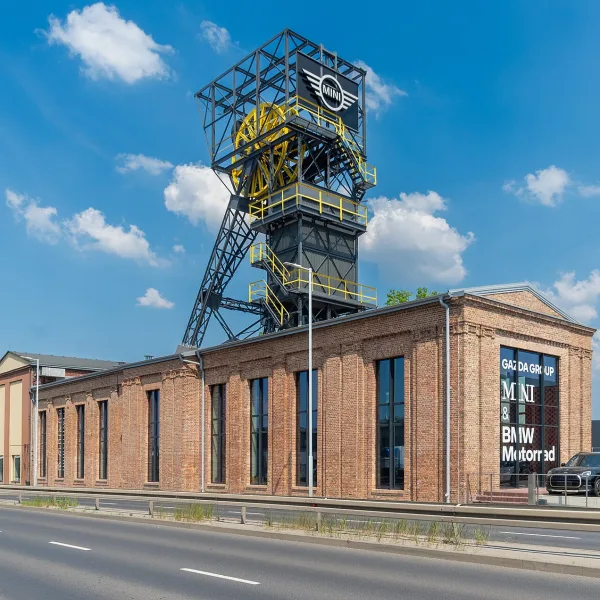
The mine produced coal from 1823 to 1999. It began as Ferdinand and received its later name in 1936. The surviving brick structures, shafts and headframes belong today to the Culture Zone; inside former halls you will find a museum and a restaurant.
Another surviving piece of the old colliery is the Bartosz shaft complex, formerly Beniamin, at 6 Kopalniana Street. It comprises a headframe over the shaft, an engine house, a power house and a compressor hall, put up between 1881 and 1928. If you want to see what a serious works at the turn of the century looked like, this address is the clearest.
What do the company estates of Nikiszowiec and Giszowiec look like?
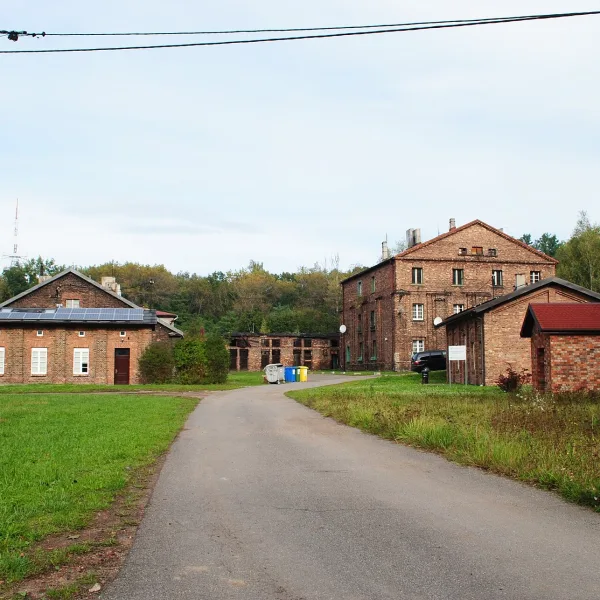
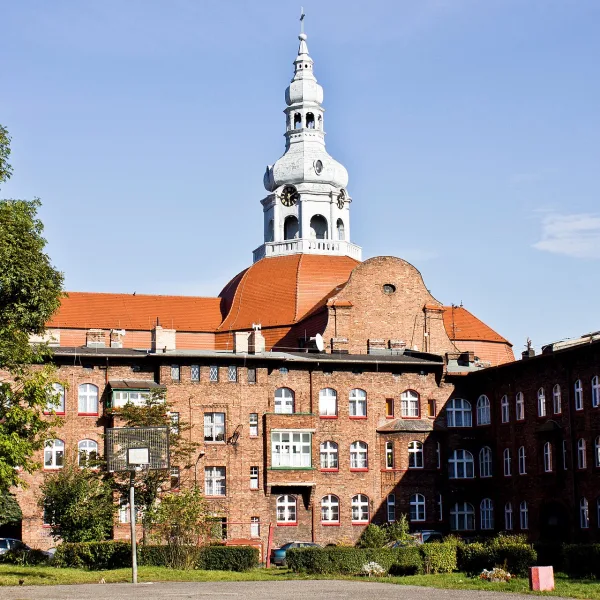
Nikiszowiec was built between 1908 and 1919 by the Georg von Giesches Erben concern for the miners of the Giesche colliery, later called Wieczorek. Georg and Emil Zillmann designed it, and since 2011 it has held the status of a Historic Monument of Poland. Tight red-brick housing gathers around Wyzwolenia Square and the neo-Baroque church of St Anne.
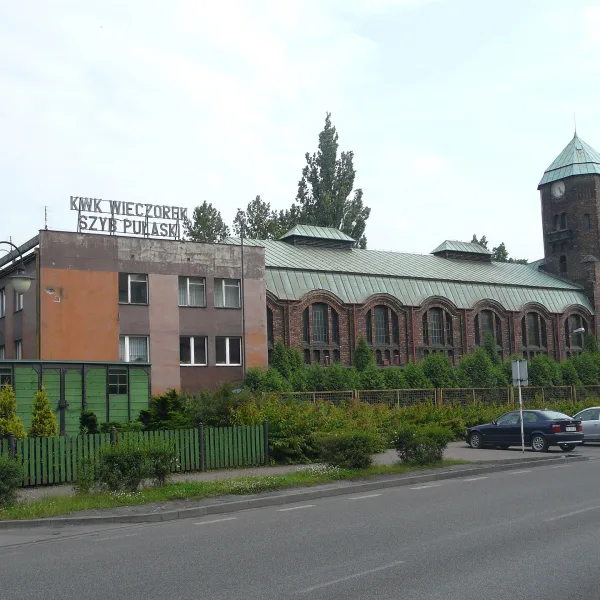
On Szopienicka Street stands the Pułaski shaft complex of the Wieczorek colliery, from 1903-1911, also by the Zillmanns. It is marked by a forty-metre steel headframe. Seeing it next to the estate shows what kind of works fed it.
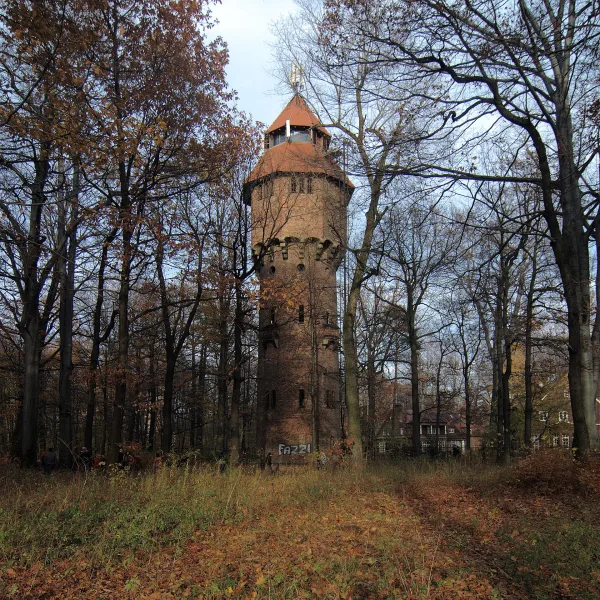
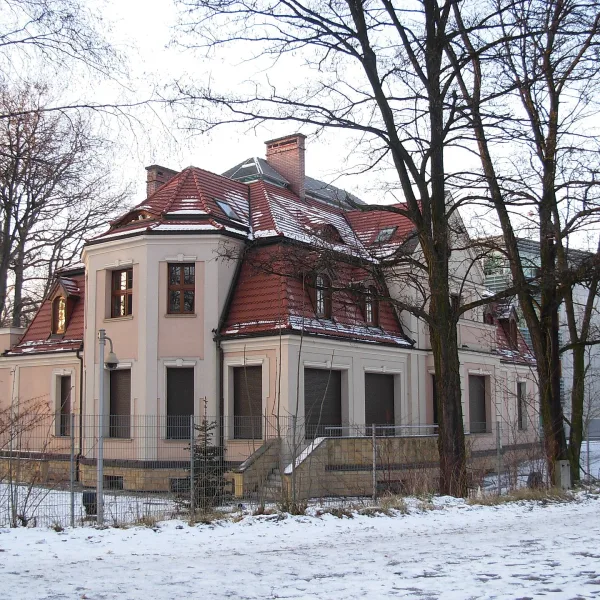
In Giszowiec industry and housing form a single scheme. At the highest point of the estate, where Górniczego Stanu meets Pszczyńska, rises a brick water tower about thirty-three metres tall, built to supply the miners' homes. Number 10 Pszczyńska is the villa of the Giesche colliery director, a brick house dating from 1910 that the Zillmanns also designed; it is a listed monument.
What industrial sites are there in Szopienice-Burowiec?
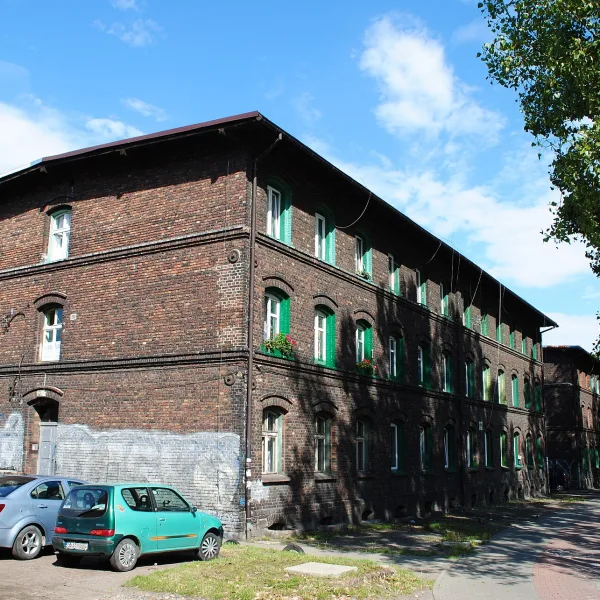
Szopienice developed around zinc smelters. Wilhelmina colony grew beside the works founded in 1834. The first workers' houses, with no running water or sewers, were begun in 1846, and on Krakowska Street houses from the 1870s survive along with a former small palace.
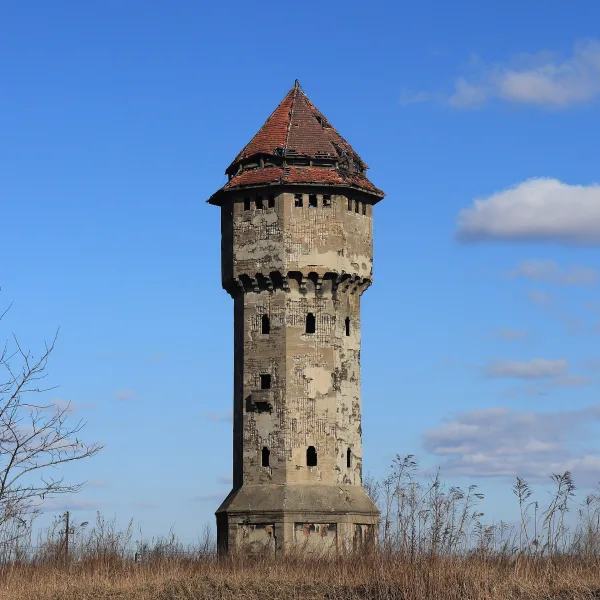
Helgoland on Lwowska Street is a group of brick workers' houses built around 1890-1905. The name comes from the island of Heligoland, because the estate stands on a high bank, and it appears on maps as early as 1898. On the site of the former zinc works also stands a water tower of 1912, made of reinforced concrete, no longer in use and on the heritage register since 1978. You can view it from outside only. It once belonged to the Saeger works, which housed a zinc-blende roasting plant and a sulphuric acid factory.
Where in Załęże, Osiedle Witosa and Wełnowiec can you see traces of mining?
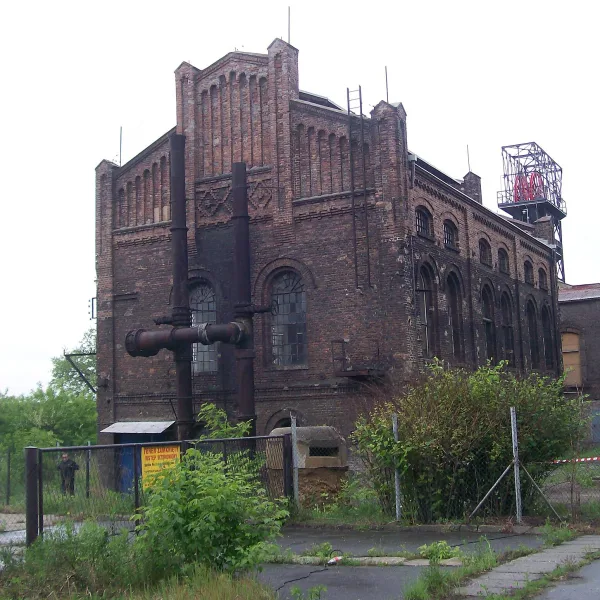
The Kleofas colliery operated from 1840 to 2004, first under the name Cleophas. Today it is the site of a closed mine with protected structures dating from around 1900, among them shaft buildings, a boiler house and a power plant. The colliery also owned the Wschodni II shaft on Bocheńskiego Street, built in 1913-1916, with a steel winding tower, a brick shaft building and an engine house.
For Kleofas workers, a workers' colony was built in 1890-1914 between Wiśniowa and Bocheńskiego streets; some buildings follow plans by the Zillmanns. In Wełnowiec-Józefowiec another example of mine housing is Alfred colony, the former estate of a colliery that started up in 1834 and closed in 1933. It came under protection in 1978.
What technical sites are there in Murcki, Kostuchna and at the station?
In Murcki the birch avenue linked a railway station of about 1870 with the Emanuelssegen colliery, later Murcki colliery. It has been registered as a monument since 1949. In Kostuchna the Boże Dary colliery was built for the Princes of Pszczyna in 1901-1903 and was called Böer until 1937.
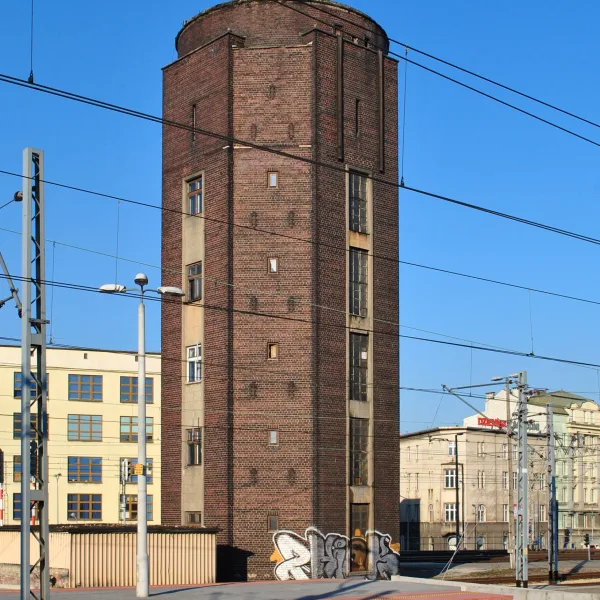
In the city centre, within the main railway station, stands a brick railway water tower thirty metres tall, completed in 1951 to replace an older one. Until the mid-1970s it supplied water to the rail junction.
How to plan a route through industrial Katowice?
Most of the sites are former works, estates and buildings that are viewed from the outside. Not everything is open to visitors, so treat these addresses as goals for a district walk, not as a museum visit.
A good split is three outings: Bogucice with the Culture Zone, Nikiszowiec with Giszowiec, and Szopienice. Themed museums are on the page museums in Katowice, and the city's atmospheric places on the page atmospheric places in Katowice. Monuments from other periods are under monuments in Katowice.
Frequently asked questions
Which workers' estate in Katowice is the best preserved?
Nikiszowiec is considered the best preserved and has been a Historic Monument of Poland since 2011. Giszowiec is the other estate tied to the Giesche works.
What is Helgoland in Szopienice?
A group of brick workers' houses on Lwowska Street, built around 1890-1905 for employees of the Wilhelmina zinc works. The name comes from the island of Heligoland, because the estate stands on a bank.
Can you enter the grounds of former mines?
Not everywhere. The Katowice colliery has become the Culture Zone, but the other complexes, such as Kleofas, Wschodni II or Boże Dary, are mostly viewed from outside.
Where can you see historic water towers in Katowice?
In Giszowiec on Pszczyńska Street, in Szopienice on the site of the former works, and at the main railway station in the centre.
Who designed Nikiszowiec and Giszowiec?
Both estates were designed by the Berlin architects Georg and Emil Zillmann, working for the company Georg von Giesches Erben.

 Industrial heritage