What to see in Gliwice on your own: Piast Castle, the Radio Station, Villa Caro and dozens of churches, from the cathedral to a timber church of 1493.
This is a selection for someone who explores at their own pace, without agreeing a plan with company. It includes a museum with five branches, Art Nouveau and modernist tenements, viewing towers and more than twenty churches of different denominations. More places from across the region that work for a solo traveller are gathered under solo in Silesia, while the remainder of the town is covered by the guide to things to do in Gliwice.
Where should I start exploring Gliwice by myself?
Best at the Market Square and the Old Town: the town hall, All Saints' church and Piast Castle stand there, and the main museums are close by. Everything lies in one compact part of the city.
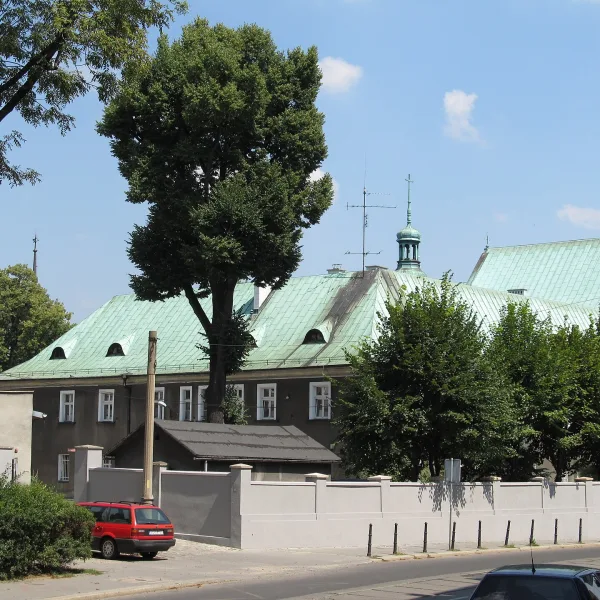
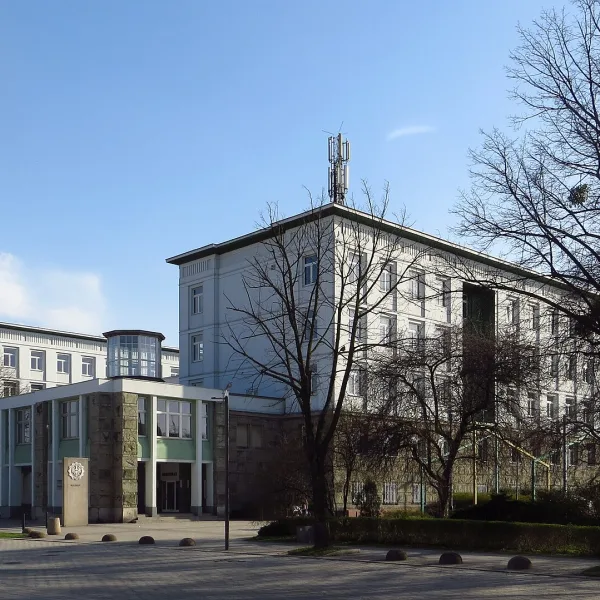
In the centre of the square-shaped Market Square rises the Town Hall. A clock tower 41.5 metres high crowns it, and a sculpture of the Immaculata from around 1726 stands in front of the building. The Palace of Weddings operates inside. A few steps away rises All Saints' church, a late fifteenth-century Gothic hall. Its tower, together with the cross, measures roughly sixty-four metres, and inside there is a viewing terrace above the Old Town. On ulica Pod Murami, within the line of the former town walls, lies Piast Castle. This brick building from the mid-fourteenth century houses a branch of the Museum in Gliwice that tells the story of the Gliwice region.
Which Gliwice museums suit a solo visit?
The Museum in Gliwice opened on 22 March 1905 under the name Upper Silesian Museum. Today it has five branches scattered around town, so the route depends on your interests.
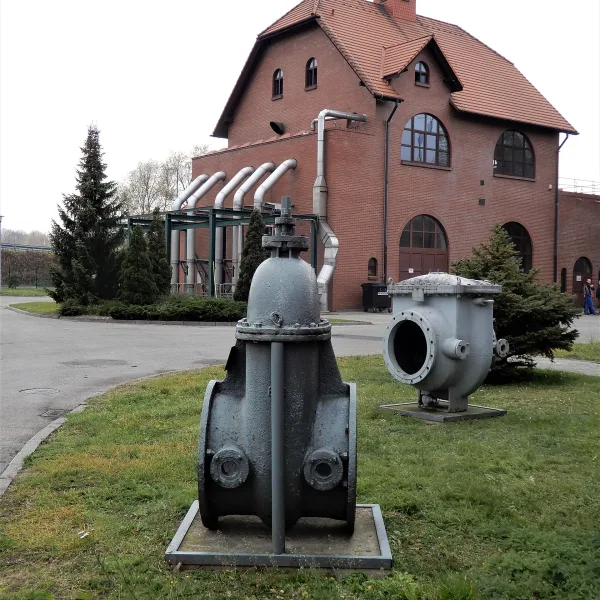
The headquarters sit in Villa Caro at Dolnych Wałów 8a, a home in neo-Renaissance style that the industrialist Oscar Caro had put up between 1882 and 1885. The museum has occupied it since 1934. Two further branches are Piast Castle and the radio station, and a fourth is the House of Memory of Upper Silesian Jews. The fifth, the Department of Artistic Casting, works in Nowe Gliwice at ulica Bojkowska 37. It occupies the former engine house of the "Gliwice" colliery and shows cast iron and bronze pieces along with the story of the Gliwice foundry. A separate institution is the Sanitary Technology Museum, founded in 2005 in a sewage pumping station from the early twentieth century. It forms part of the voivodeship's route of industrial heritage sites, but visits there are temporarily suspended, so check before you travel whether they take place.
How should I approach the Radio Station and the House of Memory?
These are two places devoted to history, not entertainment, and both belong to the Museum in Gliwice. Give them more time and attention than other stops on the route.
The Gliwice Radio Tower at ulica Tarnogórska 127 consists of three buildings plus a wooden antenna tower, put up in 1935 in what was then Gleiwitz. The tower is 111 metres tall and is regarded as the tallest wooden antenna tower in the world. The complex has the status of a Historic Monument. This is where the Gleiwitz provocation of 31 August 1939 took place, described in a separate article on the radio station and the events of 1939. The House of Memory of Upper Silesian Jews at ulica Poniatowskiego 14 occupies a former pre-burial house from 1903, next to the new Jewish cemetery. The permanent exhibition is about the history of Jews in Upper Silesia. You can read about the building itself and Gliwice's Jewish cemeteries in the piece about the pre-burial house.
Which churches in Gliwice should I see first?
Almost thirty churches and monasteries form the biggest category in this guide. Begin with the cathedral, then move on to the Old Town and Szobiszowice.
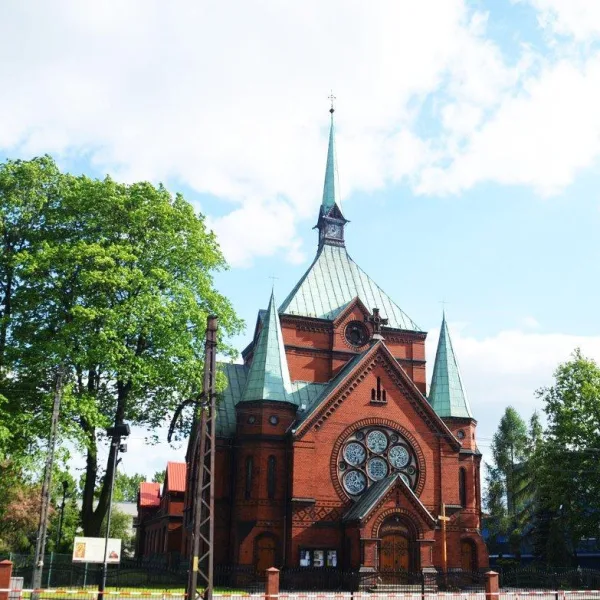
The Cathedral of Saints Peter and Paul on ulica Księcia Ziemowita is a neo-Gothic brick church raised between 1896 and 1900. The tower rises 75.5 metres, and the organ is from 1899. Since 1992 it has served as seat of the Gliwice bishop. Close to the Market Square you can enter the Baroque Holy Cross church, whose monastery belongs to the Redemptorists. It was restored following the fire of 1677 and became a Marian shrine in 2015. The Kopernik estate has the Church of Our Lady of Kochawina, run by the Jesuits and echoing the Baroque. Since 2020 it has housed a diocesan shrine to Our Lady of Good Journey.
Szobiszowice: two churches of St Bartholomew
Two buildings of the same name but from different eras stand in Szobiszowice. The New Church of St Bartholomew at ulica Bernardyńska 19 is a neo-Gothic church from 1907-1911, counted among the largest in Silesia. Its brick tower reaches ninety-two metres, and the organ has sixty stops. The Old Church at ulica Toszecka 38 is Gothic, surrounded by a wall, with seventeenth-century wall paintings. It served as the parish church until 1911.
Where in Gliwice are the timber and relocated churches?
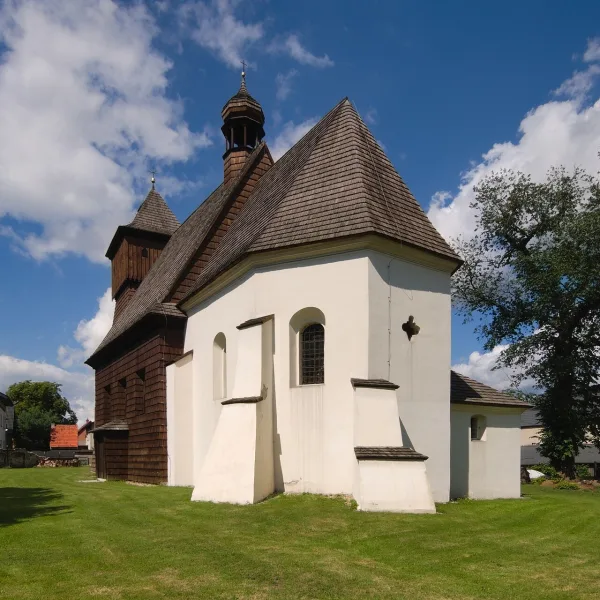
Two timber churches are the Church of the Assumption at Kozielska 29 and the Church of St George in Ostropa. The first has moved twice.
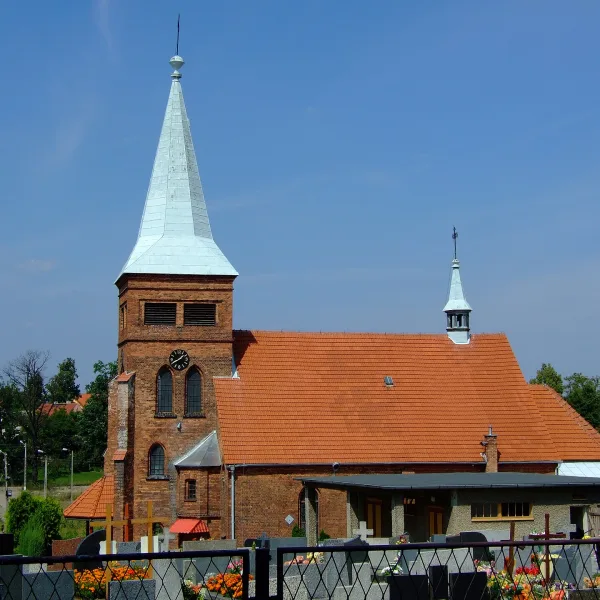
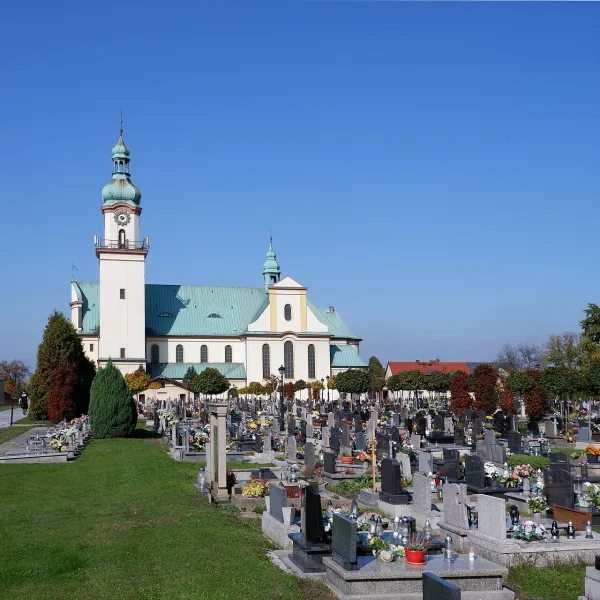
The church on Kozielska originally went up in 1493, in Zębowice near Olesno. In 1925 it came to Gliwice, and in 1997-2000 it was moved again, to the Old Kozielska Cemetery. St George's lies in Ostropa, about six kilometres west of the centre. It is a timber church with a brick chancel, and the tower dates to around 1544. Baroque wall paintings of 1667-1668 decorate the interior, and the church is part of the Wooden Architecture Route of the Silesian Voivodeship. Yet another oddity is St John the Baptist's in Żerniki, fitted out in 1931 inside a converted barn.
What sets the Protestant and modernist churches apart?
Gliwice has three Protestant churches, one of them now military, and several twentieth-century buildings with unusual forms. They show that the town was multi-denominational and built boldly.
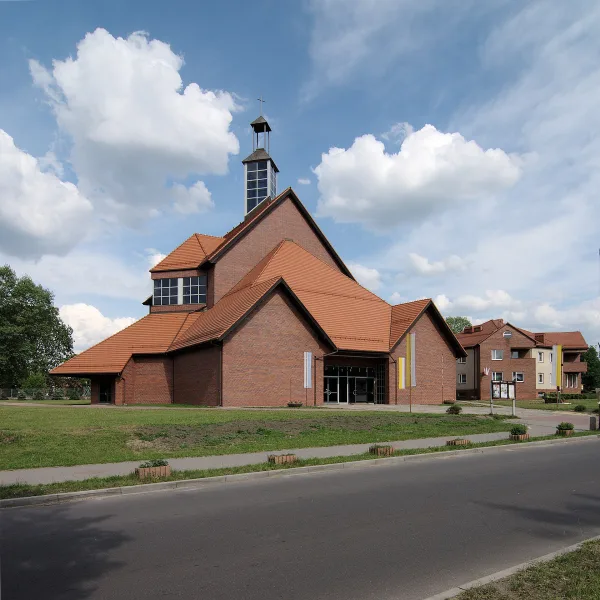
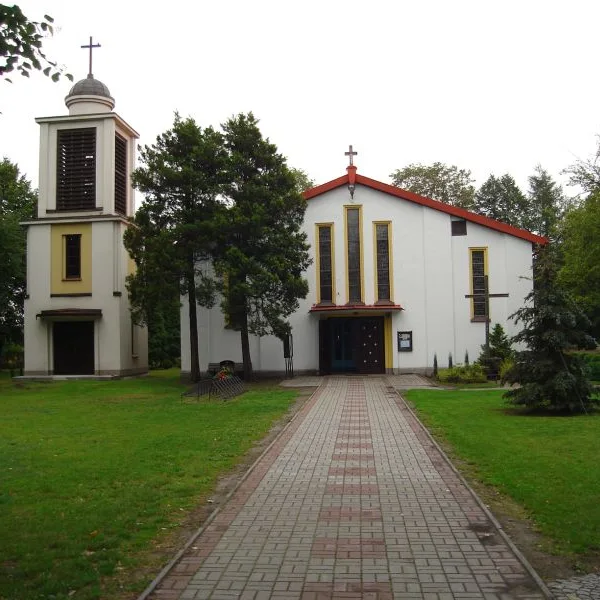
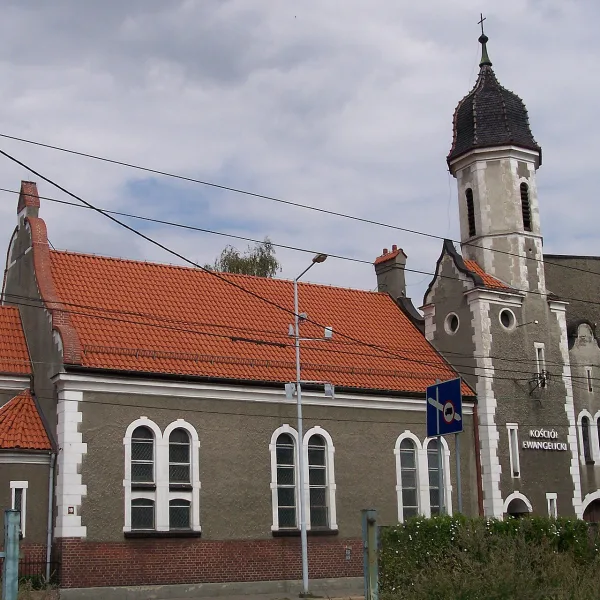
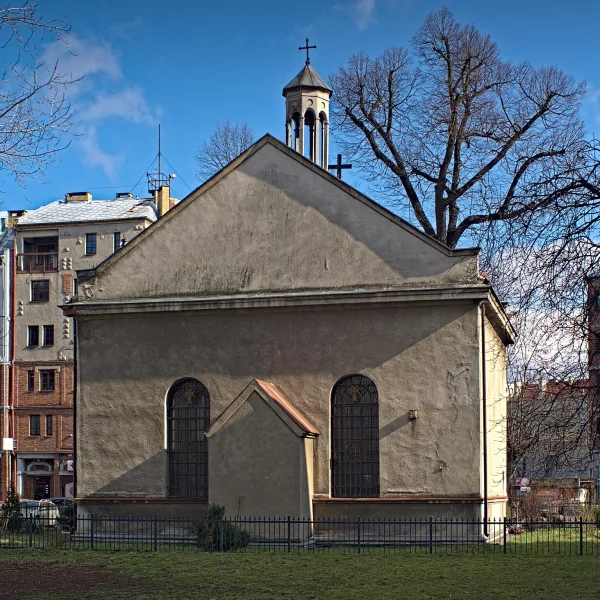
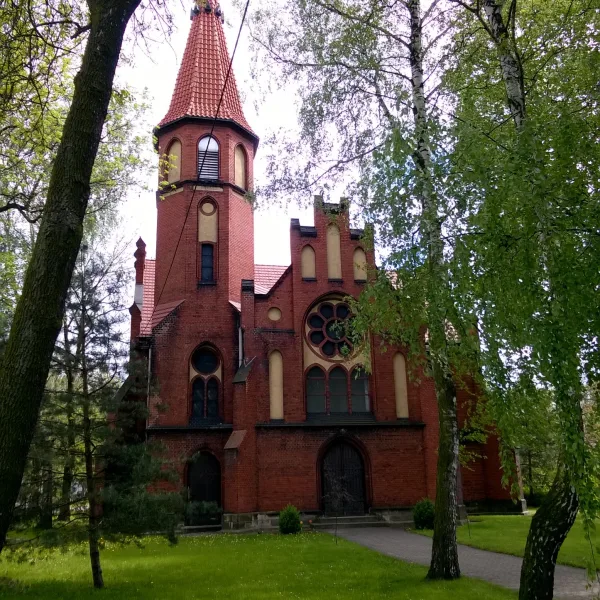
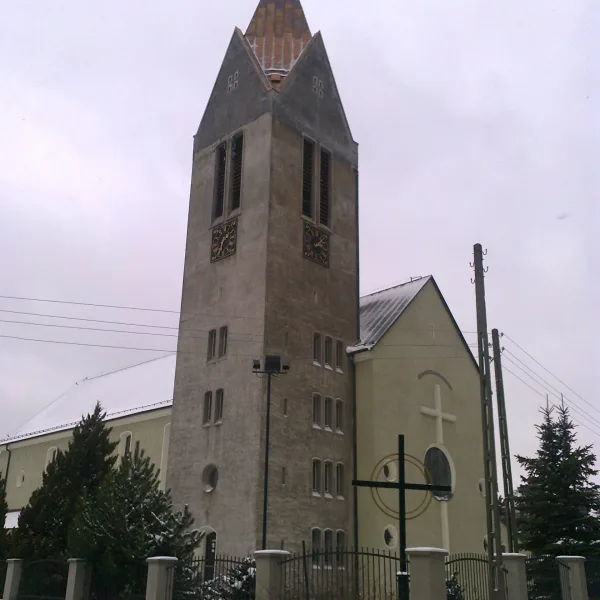
The Church of the Saviour on ulica Jagiellońska was consecrated in September 1902. In Łabędy stands the brick Martin Luther church of 1900-1902, used as a forge during the war and a church again today. At Dworcowa 39 stands St Barbara's, a neo-Romanesque basilica of 1856-1859 by the Berlin architect Friedrich August Stüler. It was built for Lutherans and now serves a military parish. In Zatorze waits the reinforced-concrete Church of Christ the King, finished in 1935 to a design by Karl Mayr, its bulk recalling a ship. On the same estate stands the neo-Gothic Church of the Holy Family, built with money from the owner of the nearby steelworks. Classicist and dated 1836-1838, the Holy Trinity church by ulica Mikołowska has been linked with Armenian-rite Catholics since 1945.
Where can I climb for a view in Gliwice?
The terrace of All Saints' in the Old Town offers a view, and so does St Anthony's church on Herman's Hill in Wójtowa Wieś.
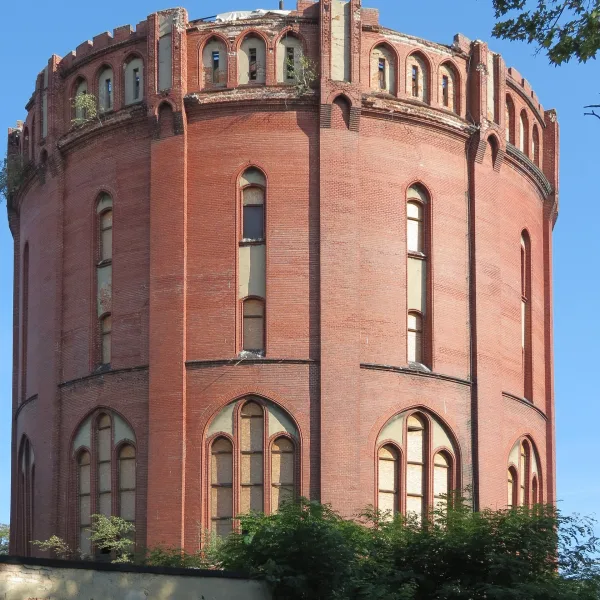
The church of 1927 is distinguished by a tower fifty-one metres high, with a terrace, and by its position on a rise. It contains an organ from 1936. On a hill in the same part of town stands the water tower on ulica Sobieskiego, worth a look from outside. It is a neo-Gothic brick structure fifty metres high that stands on a hill and once supplied the southern districts with water. It was taken out of use in 1985.
Which nineteenth- and twentieth-century buildings along ulica Zwycięstwa are worth seeing?
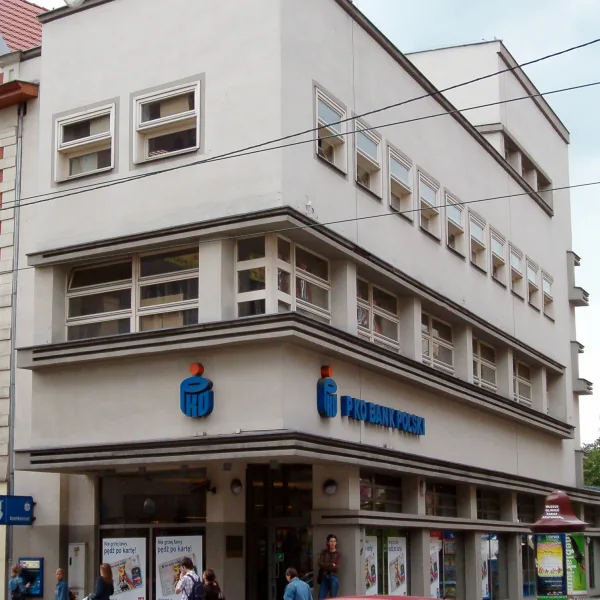
Two addresses on ulica Zwycięstwa combine easily in one walk: the Diament hotel at number 30 and the Weichmann textile house at number 37.
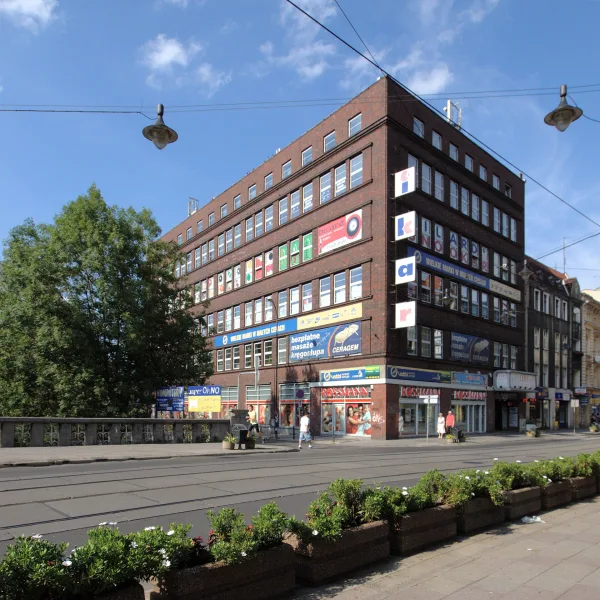
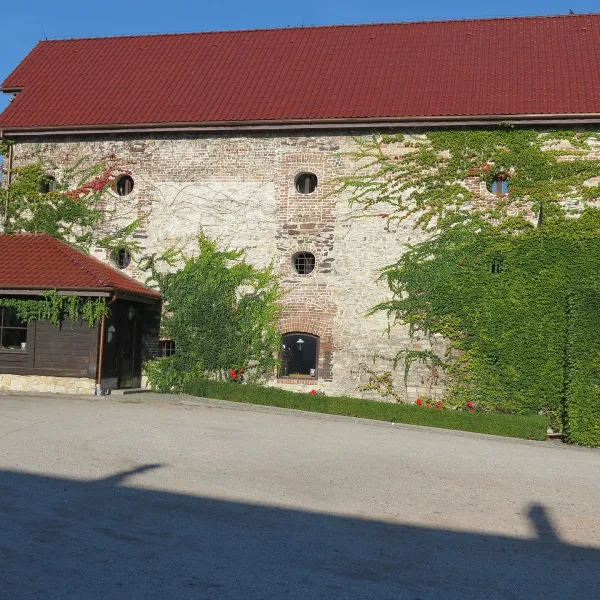
The Diament Hotel is an eclectic edifice of 1895, formerly the Schlesischer Hof, or Silesian Court, entered in the register of monuments. The Weichmann Textile House of 1921-1922 is one of Erich Mendelsohn's first designs. It ranks among the important works of German modernism in Poland. In Stare Gliwice on ulica Wiejska you can also look in at the seventeenth-century granary, once part of the Franciscan monastery's estate.
Is there a trail for a solo walker?
The Tourism Centenary Trail is a green waymarked hiking route of about 143 kilometres. It links Rybnik with Tarnowskie Góry and runs for much of its length through forests.
The route leads through Wilcza, Kuźnia Nieborowska, Nieborowice, Smolnica, Sierakowice and Bojszów, and on through Pławniowice by the lake, Ligota Toszecka, the Płużnica and Hubert reserves, and Tworóg. It ends at Lake Chechło-Nakło and in the town itself. It suits those who enjoy marches of many hours and need no company. Green space at the heart of the conurbation is the subject of an article on reserves in the GZM towns.
Which other parish churches deserve a short stop?
Besides the main stops there are churches in several districts, each with its own history. You may pass some of them on the way to bigger destinations.
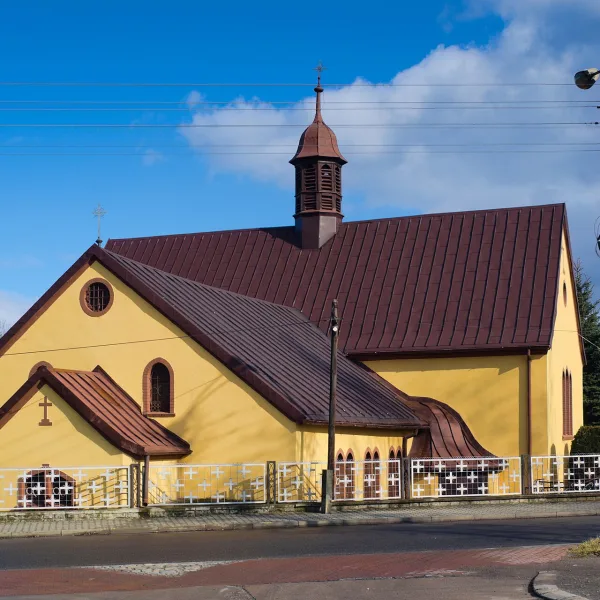
On the Ostropa estate you will see the neo-Baroque Holy Spirit church, built 1925-1927, with a Rieger organ of 1927. Bojków has the church of the Nativity of Mary, heavily remodelled in 1898-1911. Sośnica offers a brick church dedicated to St Hyacinth, finished in 2003, while Brzezinka has St Hedwig's, a neo-Gothic successor to a timber church from 1551. Łabędy has the Church of the Assumption, fifteenth-century in origin and extended in the Baroque manner in 1716-1719, with a wall and chapels. Among newer buildings the Church of St Albert the Great stands out, the former chapel of the Albertinum boarding school from 1930-1931, entered in the register of monuments in 2023.
How can I plan a one-day route around Gliwice?
The simplest way is to group places by address. That way you waste no time on transfers, and each stage is filled with several stops close together.
Spend the morning on the Old Town: the Market Square, All Saints' church and ulica Pod Murami with the castle. Then walk to Dolnych Wałów 8a, where Villa Caro waits, and to ulica Poniatowskiego 14, where the House of Memory is housed. Midday fits ulica Zwycięstwa, with the Diament hotel at number 30 and the Weichmann house at number 37. Leave the afternoon for Szobiszowice, meaning both churches of St Bartholomew, and for the radio station on Tarnogórska. If time remains, look in at the timber church on Kozielska.
Frequently asked questions
How much time should I allow for Gliwice if I travel alone?
One day is enough for the centre with the Market Square, All Saints' church, the castle and Villa Caro. Add the Radio Station and Szobiszowice separately, because they lie in other parts of town than the Market Square.
Can I sightsee in Gliwice in the rain?
Yes. Eight museums and branches work under a roof, among them Villa Caro, the castle, the House of Memory and the casting department. Churches add to that.
Which place is the tallest?
Among churches, the newer St Bartholomew's in Szobiszowice wins, its tower reaching ninety-two metres. The wooden tower of the radio station is 111 metres.
Can I enter all the churches?
These are working parish and diocesan churches. Visit outside services, keep quiet and check when they are open.
Which place has an unusual building history?
The timber church of the Assumption on Kozielska, moved twice: from Zębowice to Gliwice in 1925 and in 1997-2000 to the Old Kozielska Cemetery.
Is the Sanitary Technology Museum open to visitors?
Visits there are temporarily suspended. Check the museum's website before you go.

 Museums