Solo in Wisła means peaks and huts of the Silesian Beskids, lookout towers, museums for rainy days and residences, dozens of places for one person.
Wisła began as a village of woodcutters and shepherds and later became a summer resort and a seat of presidents. For a person travelling alone it is a good destination: the mountains give movement and quiet, and museums and churches offer rest when the weather turns. To learn how the town began, read the article on the resort and the president's residence.
Where can you go into the mountains alone in Wisła?
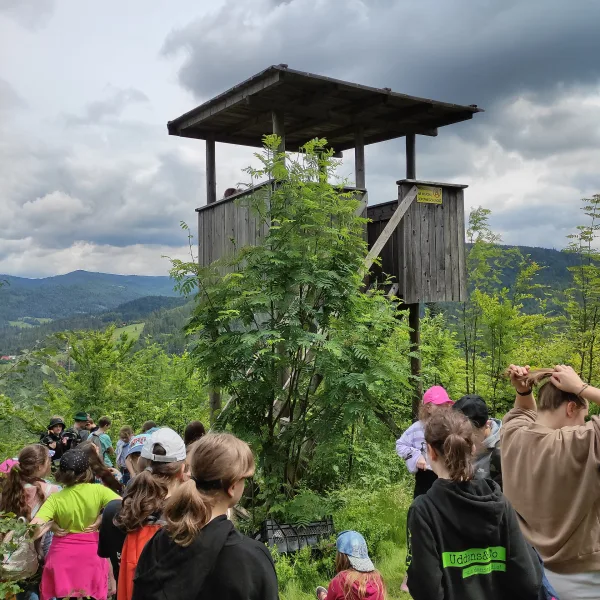
Begin with Barania Góra, which rises 1,215 m above sea level; only Skrzyczne is higher in the Silesian Beskids. A lookout tower stands on top, the Vistula river begins here, and the summit is protected as a nature reserve. The way up leads from the Przysłop glade, where the PTTK Mountain Hut at Przysłop stands at 951 m; three trails to the summit and a nature path start from it. The glade also has a small Mountain Tourism Museum which uses three rooms to tell about early hiking in the Silesian Beskids.
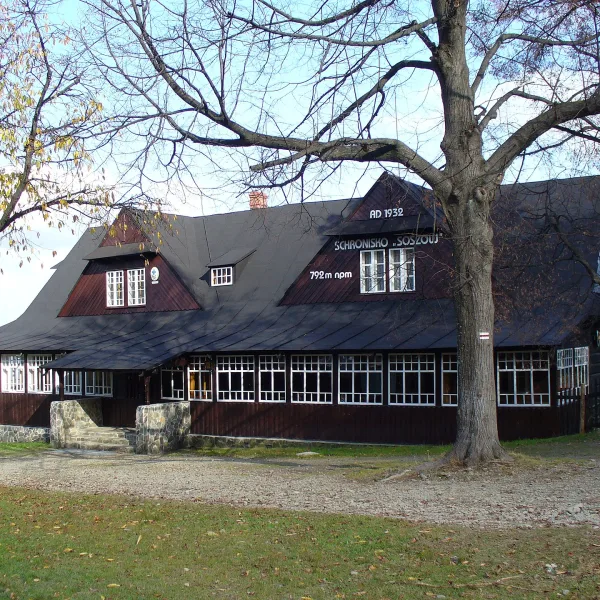
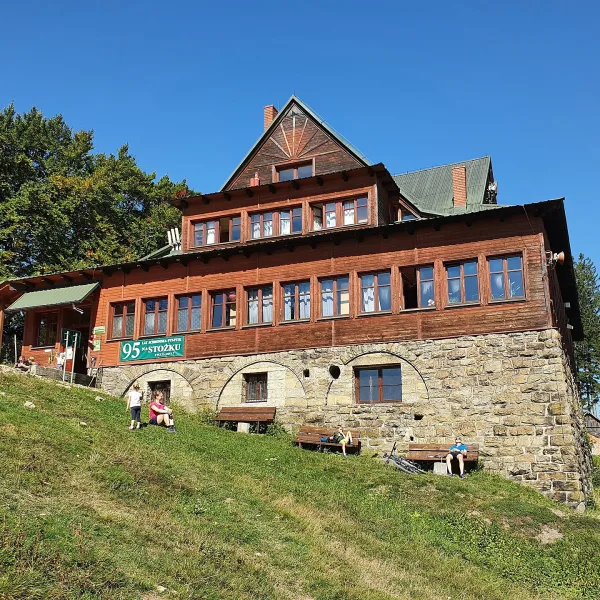
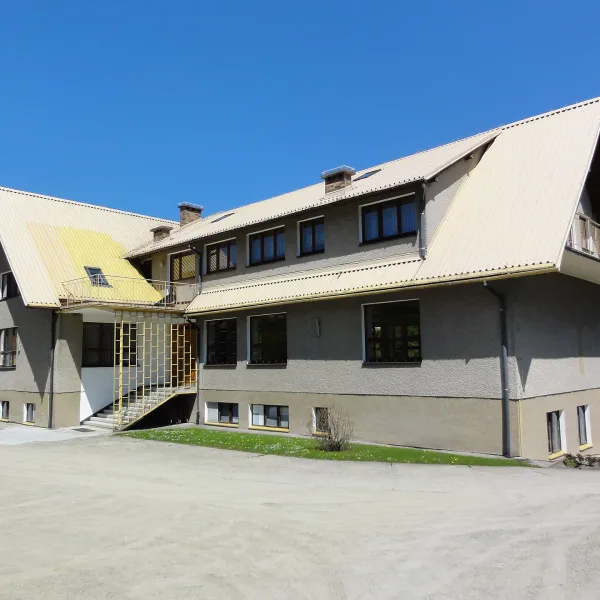
Other huts make waypoints of their own. The PTTK Mountain Hut Stożek at Turystyczna 19 was opened below Stożek Wielki in 1922. It lies close to the Czech frontier and is the oldest working Polish hut of this part of the mountains. The Mountain Hut on Soszów Wielki at Soszowska 10 is private, dates from 1932 and stands on a ridge at a trail junction and on the Main Beskid Trail.
The three huts make separate goals: Przysłop is the base for Barania Góra, Stożek lies below the Czech border, and Soszów stands at a trail junction. Each needs a different plan for the day, so it is worth choosing one per trip.
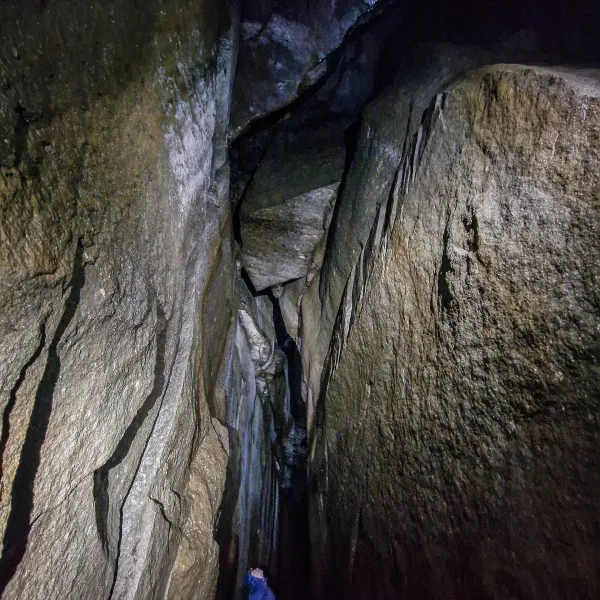
For a shorter trip the Salmopol Pass, also called Biały Krzyż, is enough: at 934 m, crossed by road 942 from Szczyrk to Wisła and a trail junction. Underground leads the Malinowska Cave, a fissure cave below the Malinów summit, open to visitors since 2019.
Which lookout tower in Wisła shows you the surroundings?
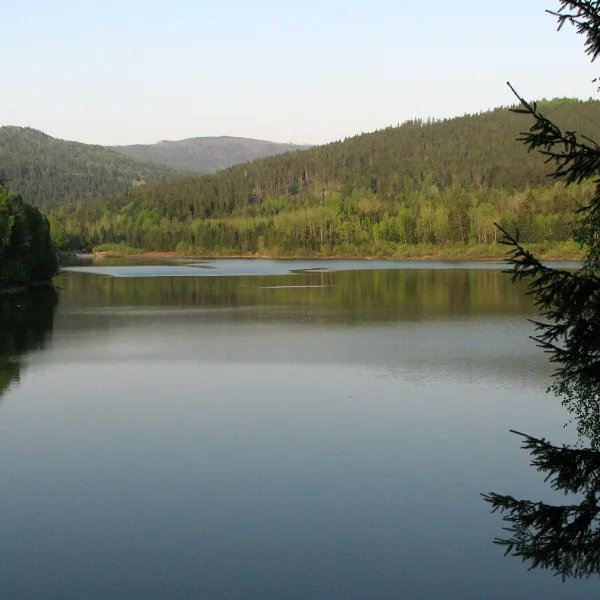
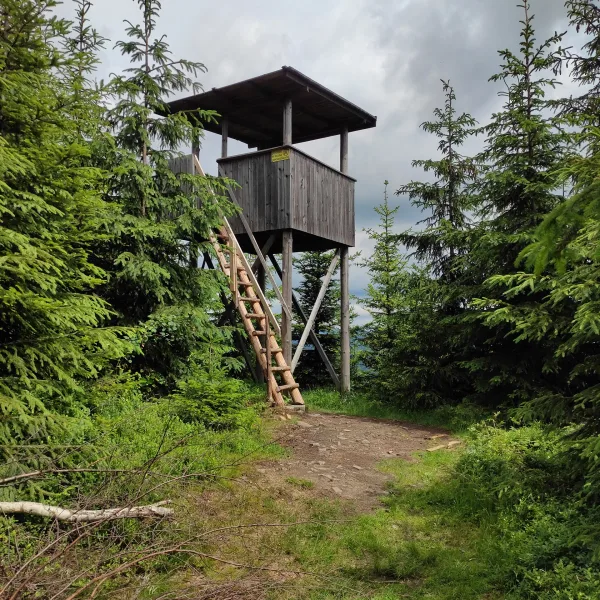
Two wooden towers look over the Czerniańskie Lake, a reservoir of 1973 holding 4.5 million cubic metres, lying in Wisła Czarne where the Biała and Czarna Wisełka meet.
Entry to both towers is free.
Which museums in Wisła should you pick when it rains?
The museums in town have entirely different themes, so it is easy to build your own route from them.
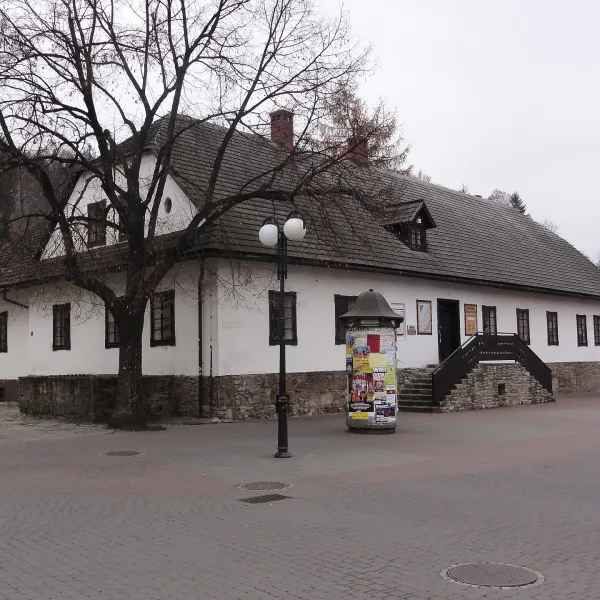
- The Andrzej Podżorski Beskid Museum at Regera 6 is run as a branch by the Museum of Cieszyn Silesia. It fills a Lutheran inn of 1827, and its collections concern the culture of the highlanders of the Silesian Beskids.
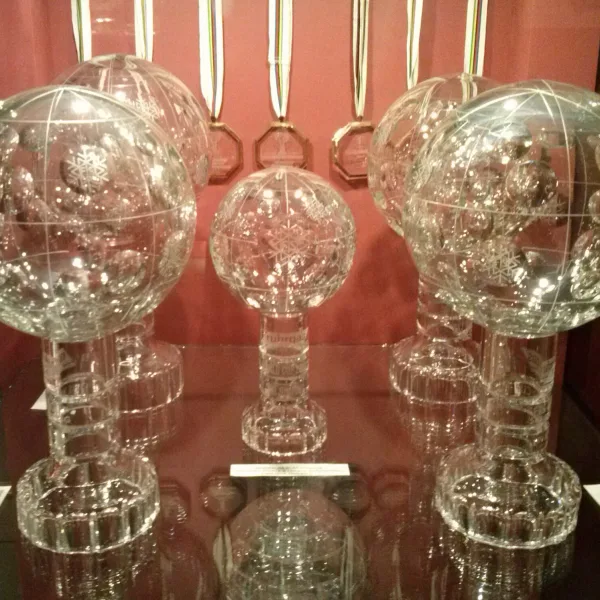
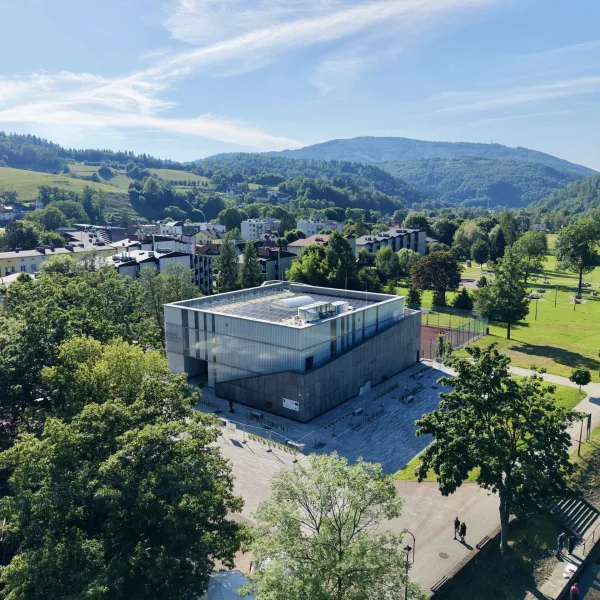
- The Adam Małysz Sports Trophies Gallery at 1 Maja 48a, opened in 2007, shows around a thousand mementos of the ski jumper, among them cups, medals, skis and suits.
- The Adam Małysz Beskid Ski Centre is an interactive skiing exhibition with jumping simulators, arranged in five zones. The story of the hill in Malinka is told in the article on ski jumping in Wisła-Malinka.
- Ochorowiczówka at Ochorowicza 6 is a villa in which Julian Ochorowicz ran a psychological laboratory; a museum operates there today.
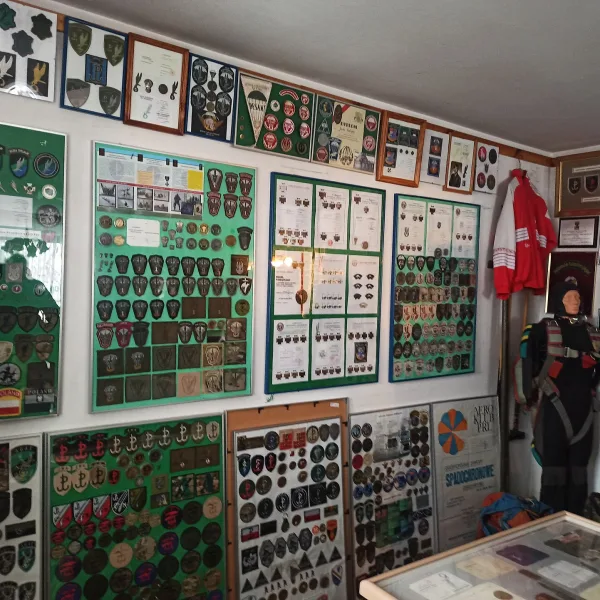
- The Museum of Parachuting and Special Forces is housed in the Agawa villa, Przylesie 1a, and gathers items from paratroopers, the Cichociemni and special units.
Which residences and monuments are worth seeing in Wisła?
Wisła had aristocratic guests, and traces of them stand on the slopes.
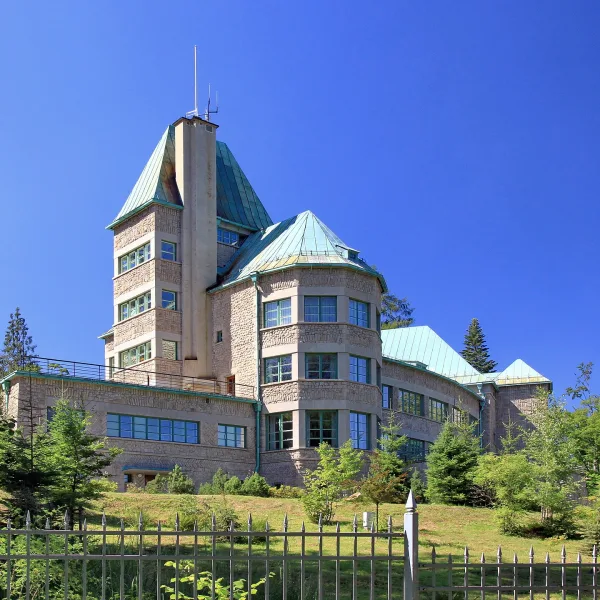
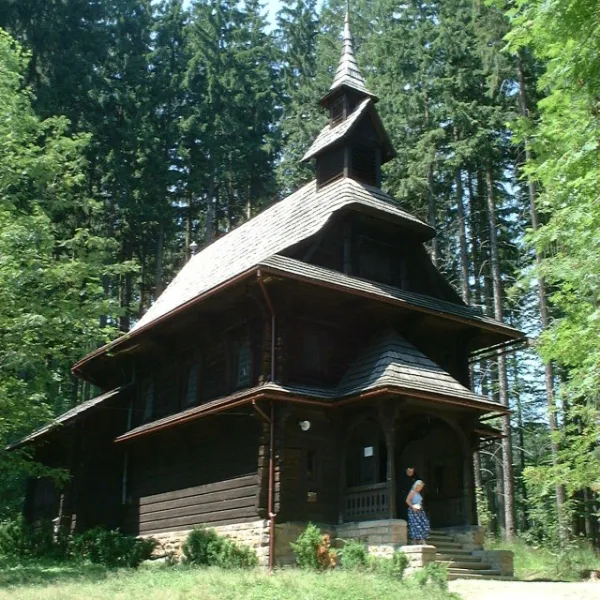
The Castle of the President of the Republic of Poland at Zameczek 4 is a Modernist building raised on the slope of Zadni Groń in 1929-1930, a residence of Polish presidents. Visits are by guided group and need prior notice, so plan the day ahead. On the grounds of the residence stands the Chapel of St Hedwig of Silesia, a wooden chapel in the Tyrolean style from 1909, with an altar of the 17th century.
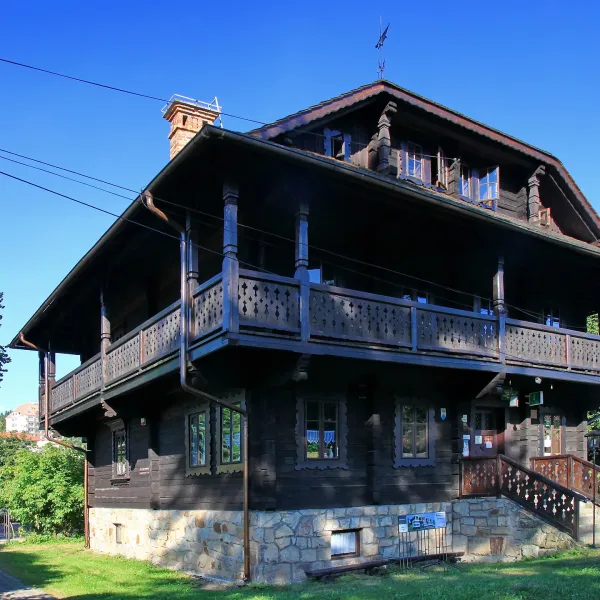
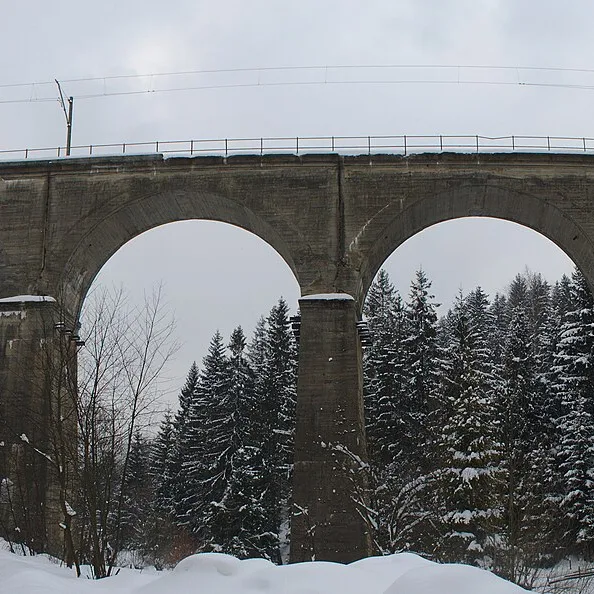
The Habsburg Hunting Lodge at Lipowa 4a is a wooden manor of 1897-1898 in the Tyrolean style; today it is the seat of the PTTK branch in Wisła, so it is viewed mainly from the outside. An engineering accent is the railway bridge in Głębce from 1931-1933: a reinforced-concrete arch 122 metres long, listed in the register of monuments.
Which churches in Wisła are the most interesting?
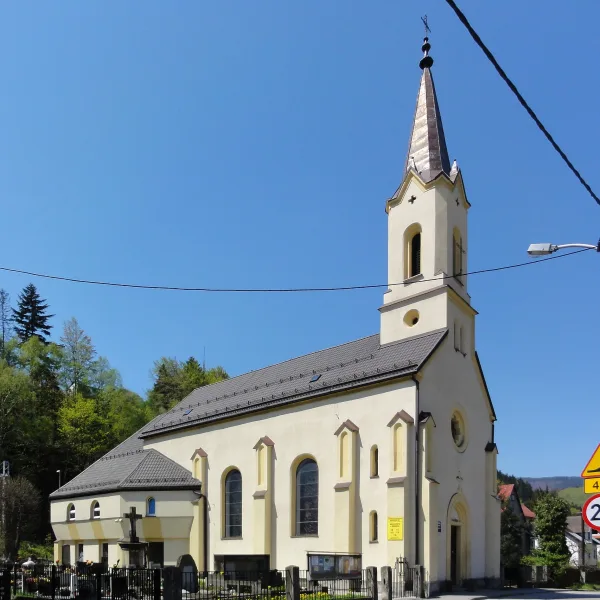
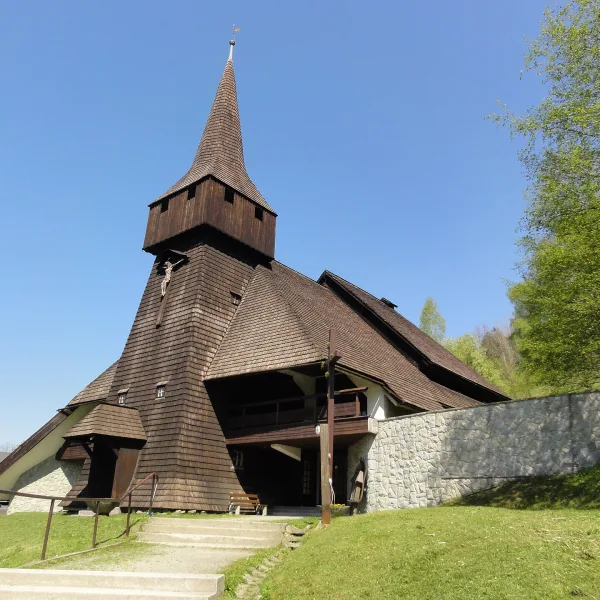
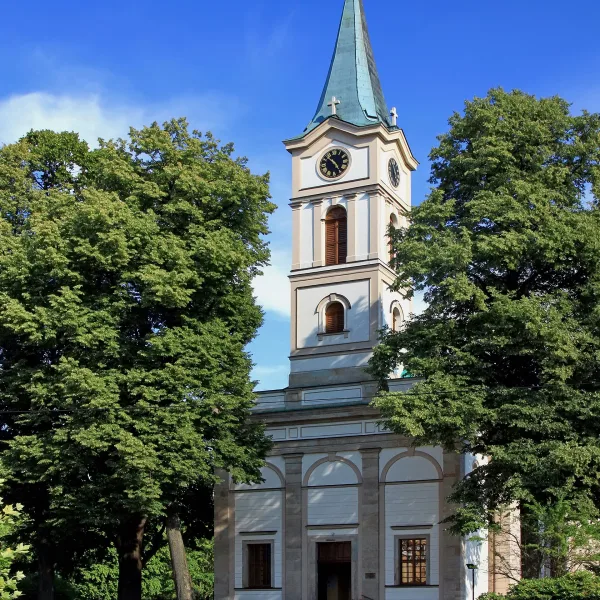
Beside the Catholic churches, Wisła has churches of the Evangelical-Augsburg parishes.
How can you arrange a day in Wisła with little travelling between stops?
Many places lie close together, as the districts show. Wisła Czarne has Czerniańskie Lake, the chapel of St Hedwig on Zadni Groń, the President's Castle and a Lutheran church, so it makes a good one-day plan. Przysłop offers a hut, a museum and the start of the way up Barania Góra. The centre gathers the Lutheran church on Plac Hoffa, the Beskid Museum and the Małysz gallery. This way you do not need to return to the same area several times.
Frequently asked questions
What is there to do alone in Wisła when it rains?
Choose the museums: the Beskid Museum, the Małysz gallery, the ski centre, Ochorowiczówka or the parachuting museum.
Is it possible to enter the President's Castle without notice?
No. Visits take place in guided groups after prior notice.
Where is a free viewpoint trip in Wisła?
Entry is free at Barania Góra, the Salmopol Pass, Czerniańskie Lake and both towers, Szarcula and Kubalonka.
Where can you find more suggestions in Wisła?
All places in the town are described on the page Wisła, and for one traveller there is also the Solo section covering the region.

 Mountains