Solo in Tarnowskie Góry means sightseeing at your own pace: a UNESCO mine, the Market Square, old churches and trails, with dozens of places to pick from.
This is a town for people who travel alone or prefer not to follow a group. Tarnowskie Góry suits that well: most places are single buildings, trails and churches that take no full day to see, and several of the larger sites lie close together.
Where to start when sightseeing alone in Tarnowskie Góry?
Start with the mining heritage, because it sets the town apart in the whole of Silesia. The UNESCO listing of 2017 covers twenty-eight sites of former lead, silver and zinc mining plus an underground drainage system, so it is not a single mine but a set of places in the town and its surroundings.
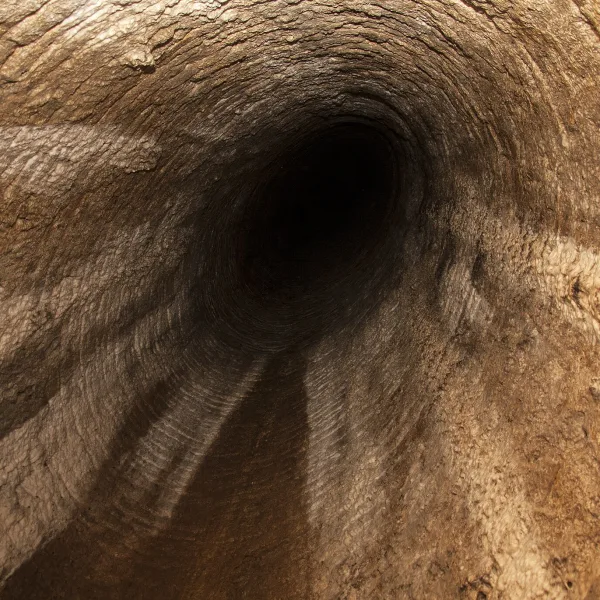
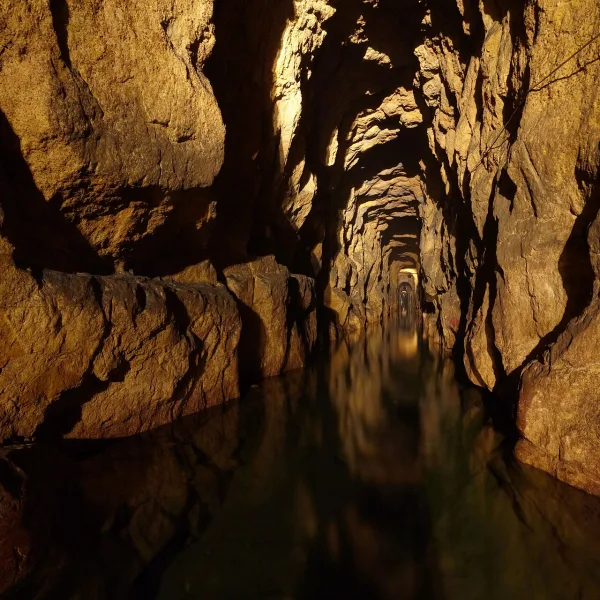
The starting point is the Royal Fryderyk Mine, which worked from 1784 to 1912, and the Silver Mine at Szczęść Boże 81, open to visitors. The underground route includes a stretch covered by boat, and a solo visitor loses nothing of its atmosphere. Next door is the Steam Machinery Open-Air Museum, machines displayed in the open air, a site that began operating in 1976; a small railway with a gauge of 184 mm runs there too. The listing as a whole is described under the Tarnowskie Góry lead-silver-zinc mine and its underground water management system.
If you want to understand what you are seeing first, read the article on the UNESCO listing and the underground route. The beginnings of mining in the town are explained in the text on the peasant Rybka and Roździeński.
What is there to see around the Market Square?
The square is trapezoid in shape and gathers the oldest buildings, so it is a good place for an unhurried walk without a plan. The article on the Market Square, the mining school and the Gwarkowie festival shows how to read its architecture.
- Sedlaczek House at number 1 dates from the 16th century and was the seat of the district governors; today it holds a wine bar and a mining museum.
- The Town Hall at Rynek 4 was built in 1898 in the Neo-Renaissance manner; its tower rises almost forty metres, and it is the town's second council building.
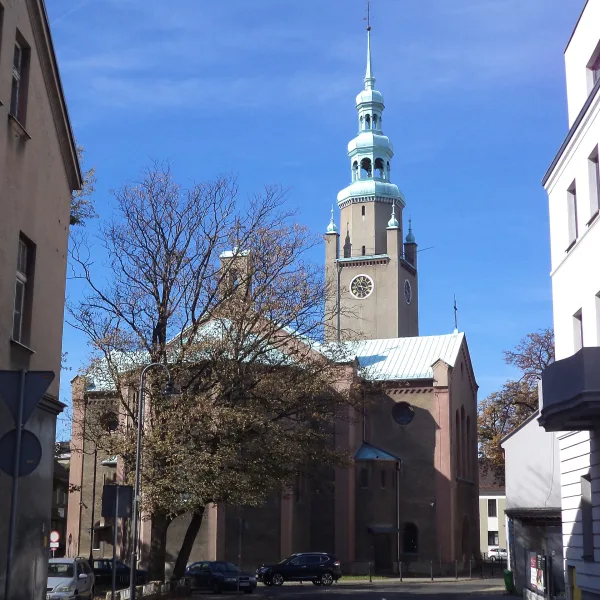
- The Church of the Saviour at Rynek 9 belongs to the Lutheran parish. It was put up in brick in 1780 and given a Neo-Romanesque look in 1900.
- The Miners' Bell Tower on Plac Gwarków recalls a mine tower; the present one is a replica from the 1980s, and the original came in 1955 from the Fryderyk colliery.
- Florczak House at Gliwicka 6 has foundations from the early 16th century and, according to tradition, once served as the mining office and town hall.
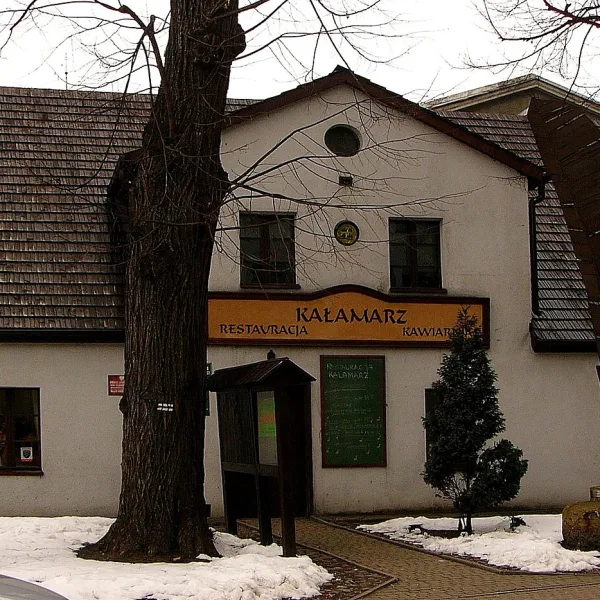
Not far from the square, at Górnicza 7, stands the Goethe Manor House, a single-storey building from the mid-18th century named after the poet's stay in 1790. Today it houses a restaurant and the PTTK office, so it is a convenient stop for a meal.
Which museums in Tarnowskie Góry suit a rainy day?
Museums work especially well when you travel alone and do not want to queue for a guide. The town has several small and very different ones.
The Museum in Tarnowskie Góry occupies the Sedlaczek tenement on the Market Square and presents history, art and ethnography; it is the only municipal museum in the Tarnowskie Góry district. The Museum of the Tarnowskie Góry Institute was founded in 1997 and began operating in 1999. Its rooms hold, among other things, Foreign Legion uniforms and ethnographic and religious collections. The Automotive Museum at Czarnohucka 10 is run by the EnMovigo Foundation; its collection includes motorcycles, bicycles and cars, and visits are guided.
What does the mining heritage look like beyond the mine?
Single objects are scattered across the town and are easy to visit one after another. This is sightseeing for those who enjoy technical detail.
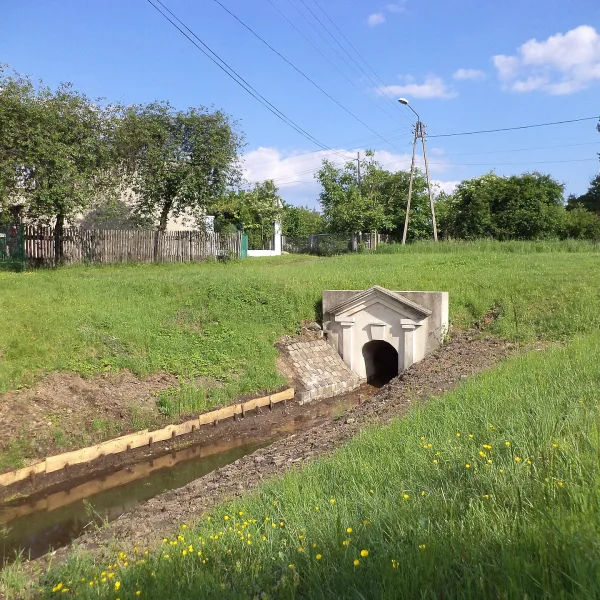
- The Deep Fryderyk Adit is seventeen kilometres long and was built in 1821-1834; a Neoclassical portal marks its outlet; it stands in Zbrosławice.
- Adit Machine Shaft No. 22, called Karlik is a stone shaft building of 1824 on Wincentego Witosa street, linked to the construction of that adit.
- The portal of the Boże Wspomóż Adit in Strzybnica, on Artura Zawiszy street, dates from the late 18th century; water from the adit once powered a smelter.
How a steam engine came to the town is told in the article on Friedrich Wilhelm von Reden.
Which churches in Tarnowskie Góry are worth seeing?
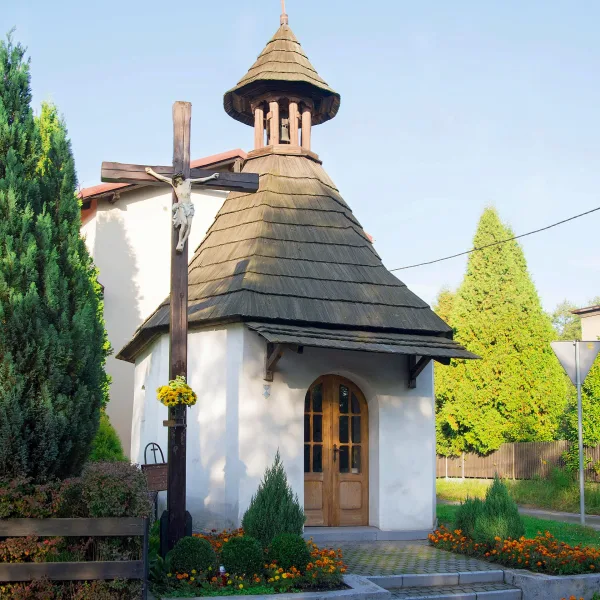
Churches and chapels are the largest group here, eleven in all, and each brings a different period. They suit quiet moments when you are in no hurry to reach the next stop.
In the centre stand St Anne's Church raised in 1617-1619 for Lutherans and serving Catholics since 1653, and the Church of Sts Peter and Paul on Gliwicka street, built around a Renaissance core, with a clock dated 1586 and an organ with forty-three stops.
The districts have their own churches:
Where can you walk or hike in Tarnowskie Góry?
For a person travelling alone trails are convenient, since there is no need to match anyone's pace. The Segiet Trail is a black walking route of 12.3 km leading from Segiet through the Silver Mine and the Market Square to Pniowiec. The Miners' Trail is yellow, about 26 km long, and runs from Tarnowskie Góry through Miasteczko Śląskie to Kolonia Woźnicka.
For a shorter rest, Głęboki Dół is enough: a small woodland reservoir, around 3.8 ha, in the Pniowiec district, close to the border with Miasteczko Śląskie.
Which castles and palaces lie in the districts of Tarnowskie Góry?
Outside the centre you will find residences. The castle in Stare Tarnowice at Pyskowicka 39 was built in the Renaissance, in the 1500s; it has a courtyard with arcades and a portal dated 1545, and has welcomed visitors since 2011. In the same district lies the conical mound fort, a medieval mound with a moat and a lime tree on top. In Rybna stands a late Baroque palace from 1796; music has been its theme since the 1980s, and today it is a municipal cultural institution.
Frequently asked questions
How can you plan a route through Tarnowskie Góry when travelling alone?
Sedlaczek House, the town hall, the Church of the Saviour and Florczak House all lie around the square, so they combine easily into one walk. The mine and the open-air museum make a separate stop, and the Segiet Trail links one place with the other. Stare Tarnowice, Strzybnica and Repty Śląskie are districts outside the centre.
What can you see in Tarnowskie Góry when it rains?
You can choose the Museum in Tarnowskie Góry, the Museum of the Tarnowskie Góry Institute and the Automotive Museum, as well as the underground route in the Silver Mine.
Can you sightsee in Tarnowskie Góry for free?
Entry is free at outdoor places: Głęboki Dół, the Segiet Trail and the Miners' Trail. The Market Square and the churches can be admired from the outside.
Where can you look for more places in the town and the region?
All places in the town are listed under Tarnowskie Góry, and ideas for solo travellers across the region are gathered under Solo.

 Industrial heritage