Industrial heritage in Silesia: the Guido and Ignacy mines, the adits of Zabrze and Tarnowskie Góry, Nikiszowiec. Over sixty places to visit.
Industrial Silesia is more than spoil heaps and shafts. It means underground routes, water towers, workers' estates, coking plants and former power stations, some of which you can enter and others you can see only from the outside. The places lie across the whole voivodeship, from Rybnik to Będzin, so they suit both a single trip and a full weekend.
Which industrial heritage sites in Silesia should you see first?
Start with places you can visit inside: the Guido mine and the Queen Louise Adit in Zabrze, the Tarnowskie Góry mines inscribed on the UNESCO list, and the Ignacy Historic Mine in Rybnik. Only then head for the water towers and estates that you view from the outside.
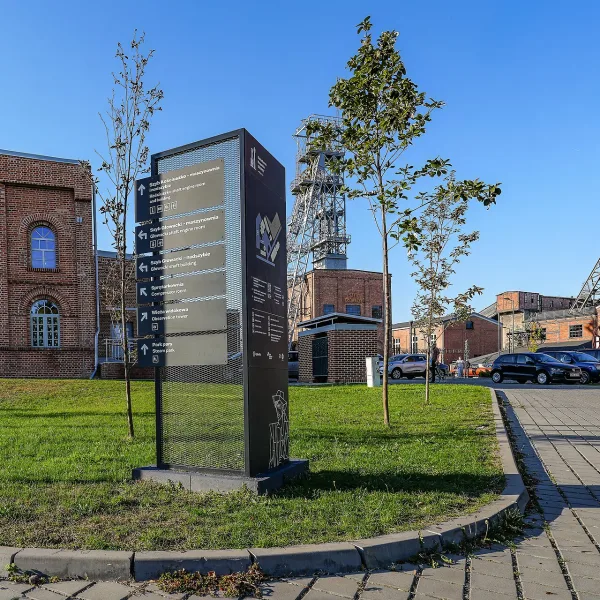
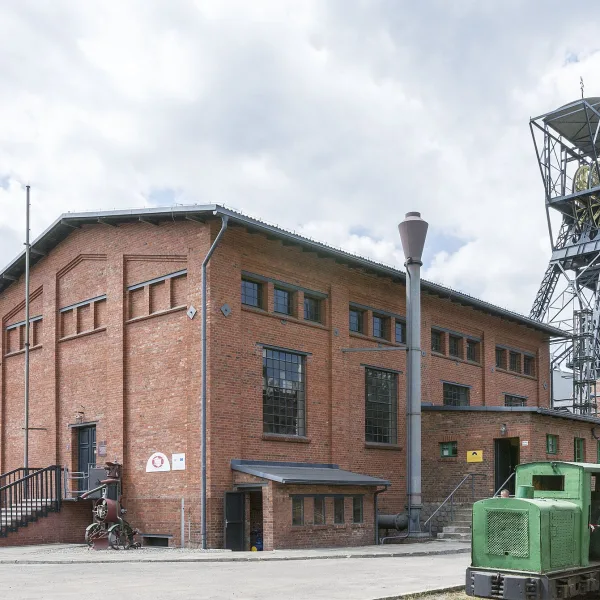
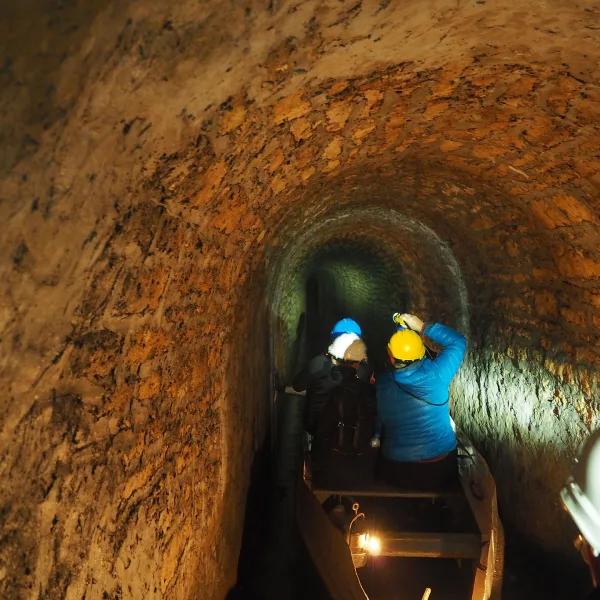
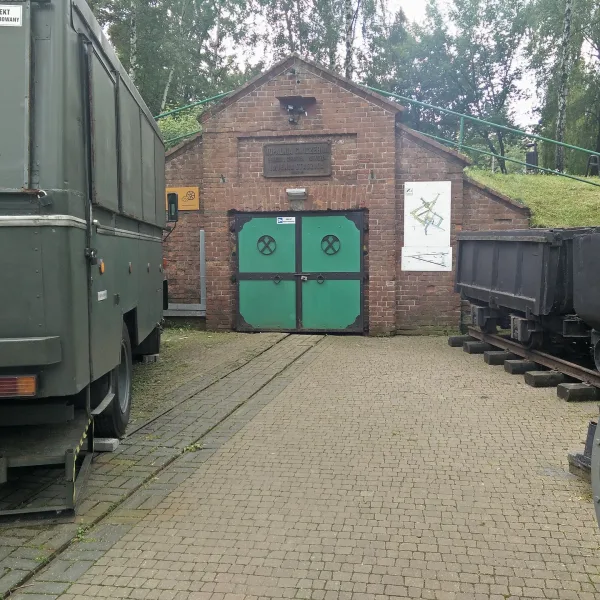
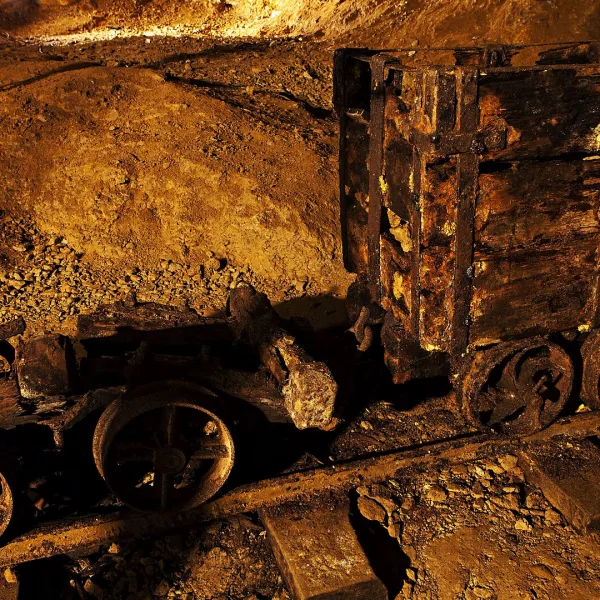
The Guido mine in Zabrze is part of the Coal Mining Museum and has routes at 170 and 320 metres underground. Next to it is the Queen Louise Adit: almost five kilometres of underground workings from the old Queen Louise mine and the Main Hereditary Adit, with a boat route. Both are a good choice for a rainy day and for children.
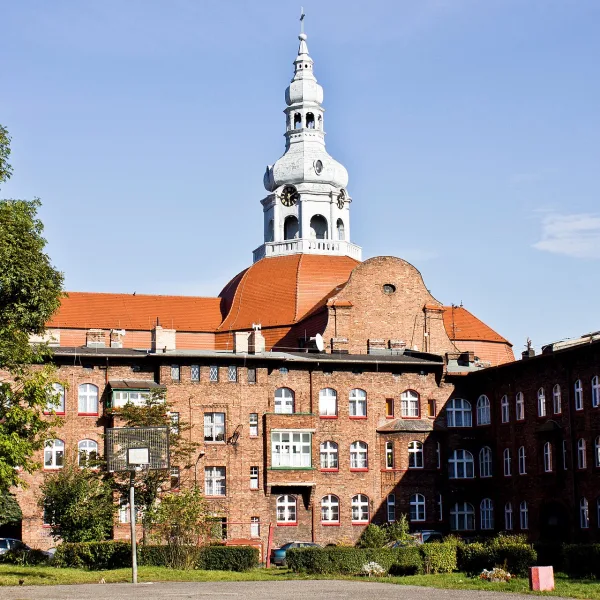
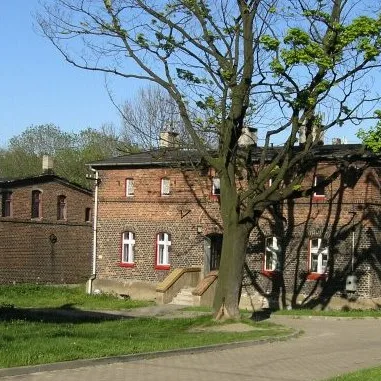
In Tarnowskie Góry the central point is the Royal Fryderyk Mine, a former lead and silver mine from the years 1784-1912. It is on the UNESCO list and partly open to visitors. In Katowice Nikiszowiec, an estate from 1908-1919 designed by Georg and Emil Zillmann, has been a Monument of History since 2011 and is worth seeing even on a short walk.
What to visit in Zabrze: mines, adit and water tower?
Zabrze has many sites you can visit in a single town: two underground routes, a shaft with a viewing point, the bathhouse of the Queen Louise mine and a water tower with an exhibition. Most belong to the Coal Mining Museum, so they combine easily into one route.
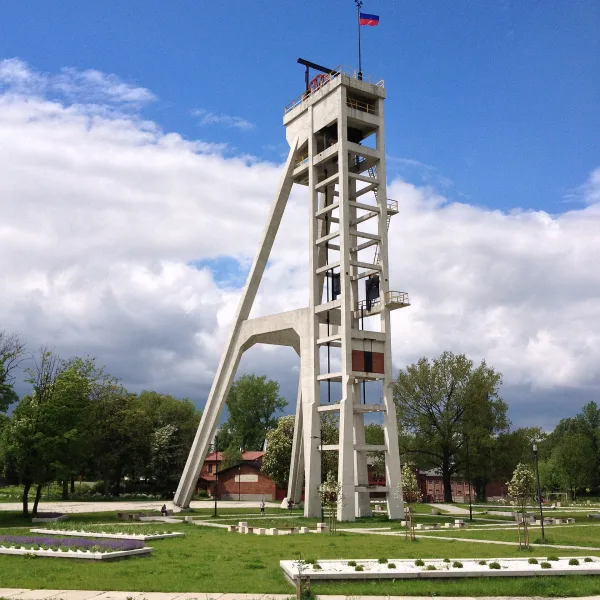
Beside the Guido route and the adit stands the Carnall Shaft, a former drainage shaft of the Queen Louise mine from the mid-19th century, with a viewing tower and a passage to the Main Hereditary Adit. The chain bathhouse from 1890 is a brick building on Wolności Street, now part of the historic adit.
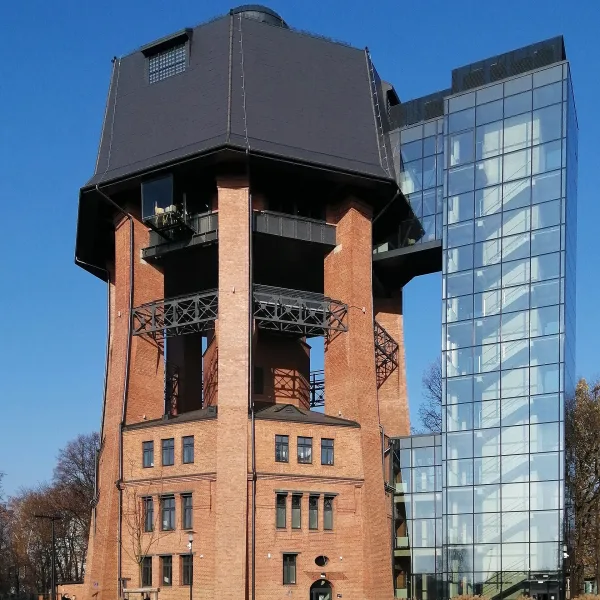
A different kind of outing is the Zabrze water tower, an Expressionist structure from 1909, 46 metres high, with an exhibition on coal and a viewing platform. The former Concordia mine on Hagera Street kept the Maciej shaft complex, but it is a place to view from outside. You will find all Zabrze sites on the page about industrial heritage in Zabrze.
How to visit Tarnowskie Góry and the UNESCO sites?
Tarnowskie Góry and its surroundings hold one UNESCO listing covering 28 objects of former lead, silver and zinc mining and a drainage system. For a visitor this means several places in one area: the Fryderyk mine, the steam machinery museum, an adit and a portal in Ptakowice.
The 2017 listing covers the lead, silver and zinc mine complex together with its underground drainage system. It is not one mine but a group of sites, so start with Fryderyk and then drive to the others.
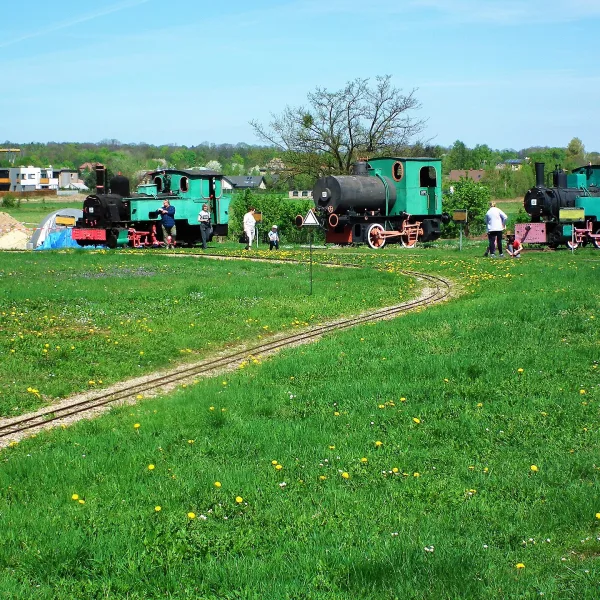
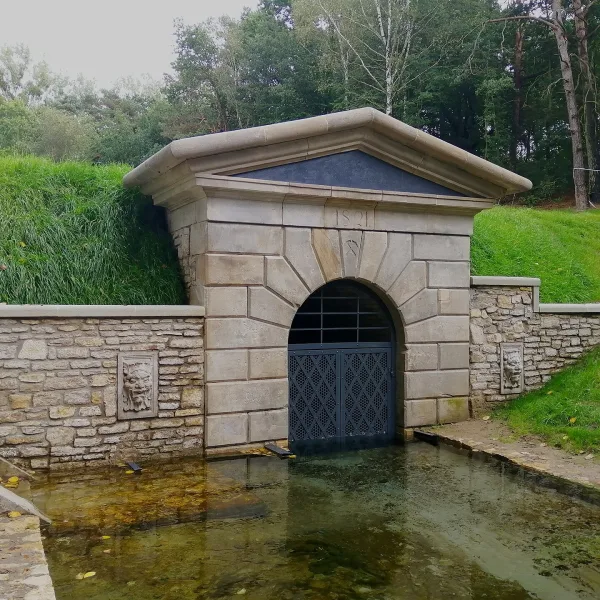
On the mine grounds stands the Steam Machinery Open-Air Museum, an outdoor collection of machines and steam locomotives opened in 1976, with a 184 mm gauge railway. In Ptakowice near Tarnowskie Góry you can take a boat trip along a 600-metre section of the Fryderyk Deep Adit in the Black Trout Adit. In the same village stands the neoclassical portal of the Fryderyk Deep Adit outlet from 1834. More about the town is on the page industrial heritage in Tarnowskie Góry.
Where in Katowice to look for estates and former mines?
Katowice has the most industrial heritage of the whole set, because almost every district has something left by industry: patronage estates in Nikiszowiec and Giszowiec, colonies in Szopienice-Burowiec, mines in Bogucice and Załęże, and water towers.
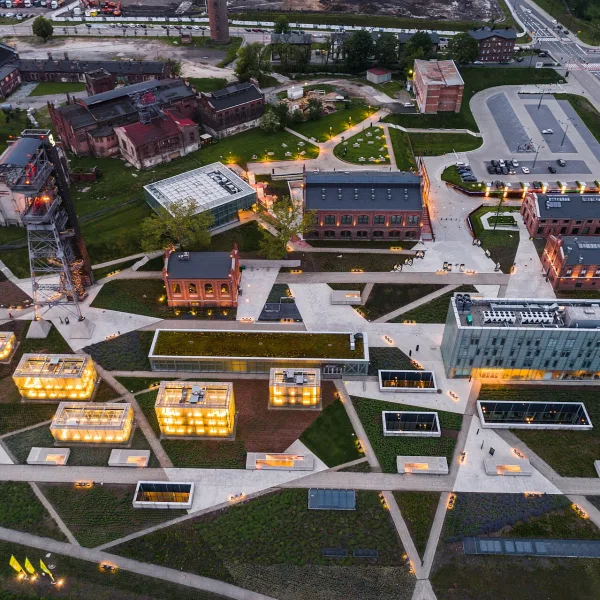
Nikiszowiec is compact brick housing, already mentioned among the best first stops. The Katowice coal mine in Bogucice worked from 1823 to 1999, and its buildings now form the Culture Zone with the Silesian Museum. In Załęże stands the Kleofas mine, closed in 2004, with preserved shaft buildings, a boiler house and a power station; it is a former industrial site that you view from the street, not a museum.
Giszowiec
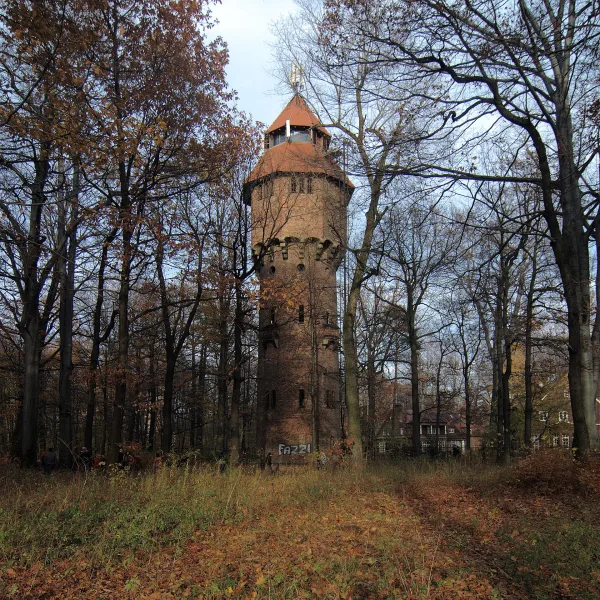
In Giszowiec, an estate designed by Georg and Emil Zillmann, see the brick water tower from 1908 or 1909, about 33 metres high, at the highest point of the estate. At 10 Pszczyńska Street stands the villa of the director of the Giesche mine, a brick residence from 1910 listed in the register of monuments.
Szopienice-Burowiec and Wełnowiec
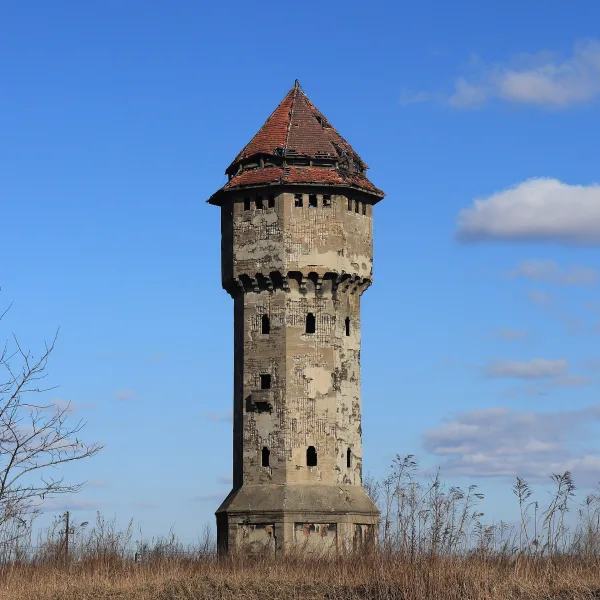
Szopienice-Burowiec is a district of former zinc works. On Lwowska Street stands Helgoland, an estate of red brick workers' houses from about 1890-1905, and nearby the reinforced concrete water tower of the non-ferrous metals works from 1912, now unused. In the same district is the Wilhelmina colony, founded from the 1840s, with houses from the 1870s on Krakowska Street. In Wełnowiec-Józefowiec stands the Alfred colony with houses from the late 19th century, protected since 1978. In the centre you will see the railway water tower at the main station, completed in 1951. A full overview of the city is on the page industrial heritage in Katowice, and the district is covered on the page about Szopienice-Burowiec.
What to see in Bytom, Chorzów and Ruda Śląska?
In Bytom the biggest impression comes from Szombierki: the heat and power plant and the Krystyna shaft. Chorzów has the Prezydent shaft with a viewing platform, and Ruda Śląska the Ficinus colony, the Orzegów coking plant and the Andrzej shaft tower.
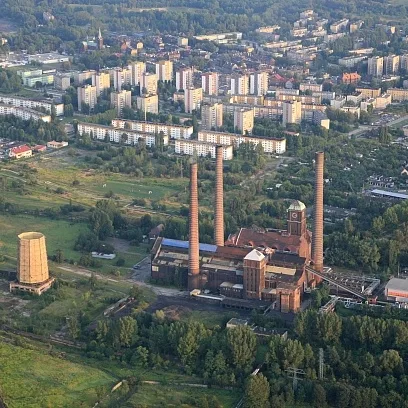
Bytom offers a set of places good for a walk with a camera. The Szombierki Combined Heat and Power Plant is a complex of the former Bobrek power station from 1920, listed in the register of monuments and on the Industrial Monuments Route, not open for regular visits. Not far away stands the Krystyna shaft, a modernist winding tower of the former Szombierki mine, about 57 metres high. The Zgorzelec colony in Łagiewniki has 34 workers' houses from 1897-1901, and the municipal water tower on Oświęcimska Street is a modernist reinforced concrete structure from 1934-1936, 44.3 metres high. Railway fans will like the Bt gate signal box, a building from 1935 considered unique in the country. In Miechowice you can still see the buildings of the West shaft of the former Preussen mine. The city overview is on the page industrial heritage in Bytom.
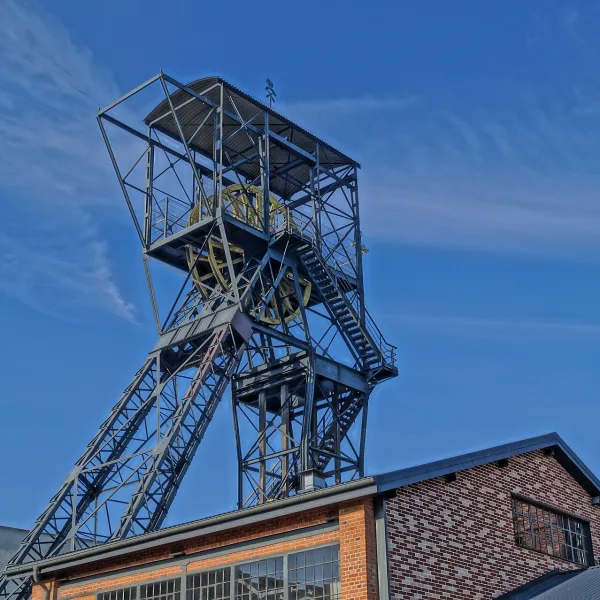
The Prezydent shaft in Chorzów is a reinforced concrete winding tower from 1932-1933, 42.5 metres high, with a viewing platform on the Industrial Monuments Route. In Ruda Śląska the Ficinus colony consists of sixteen sandstone houses from 1860-1867, now with services in an arcade. The Orzegów coking plant from 1903 has been turned into an educational park, and the Andrzej shaft tower is a four-storey headframe of the Małachowski tower type. Overviews are on the pages industrial heritage in Chorzów and in Ruda Śląska.
Which water towers in Silesia are worth seeing?
Water towers are the easiest type of industrial monument to visit, because they stand in towns and come in different styles, from brick neo-Gothic to riveted steel. Some now serve new purposes and others wait for an idea.
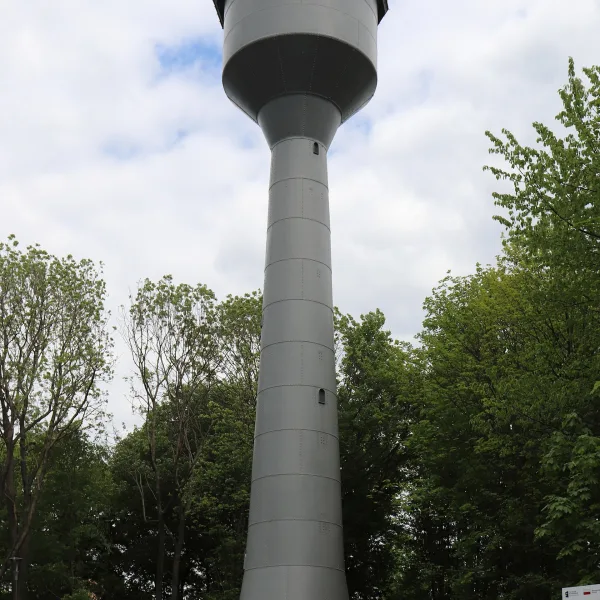
The most unusual structure is the tower in Będzin-Grodziec from 1902. It is regarded as the only fully riveted steel water tower in Poland and was renovated in 2020. In Świętochłowice the neo-Baroque tower from 1909 is 40 metres high and has a unique steel tank of the Klönne system on top. The Gliwice tower on Sobieskiego Street is a brick neo-Gothic structure 50 metres high, taken out of use in 1985.
In Racibórz the tower from 1933-1936 is 37 metres high with a clinker facade; today it houses a factory and offices of a confectionery producer, so it is a place to view from outside. The page on industrial heritage in Świętochłowice covers a town with other industrial sites as well.
Where to go further: Rybnik, Radzionków, Dąbrowa and Rudy?
Outside the conurbation there are still many places worth a trip. Start with Rybnik and the Ignacy mine, then stop in Radzionków, Dąbrowa Górnicza, Siemianowice Śląskie and the area around Rudy Raciborskie.
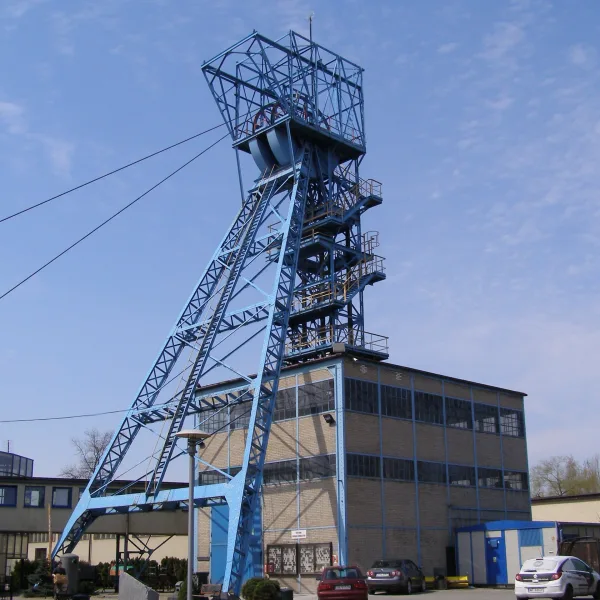
The Ignacy Historic Mine in the Niewiadom district of Rybnik is a former coal mine from 1792, opened to visitors in 1999. You can see steam engines, climb a 46-metre viewing tower and visit exhibitions and a science centre. The narrow-gauge railway station in Rudy has a locomotive shed, a steam locomotive and rides in the Rudy Raciborskie valley.
In Dąbrowa Górnicza the Training Mine from 1927 is an underground route in a former school mine where miners learned their trade. In Radzionków the former mine (1871-1995) left a small mining open-air museum and a chapel of St Barbara. In Siemianowice Śląskie stands the steel Siemianowice III shaft tower of the former Laurahütte mine from 1897, listed in the register of monuments.
What to choose on a rainy day and with children?
On a rainy day the best choices are underground routes and exhibitions in buildings, and with children steam locomotives, models and places with interactive displays. Not every site suits the youngest visitors, so check the entry rules before you travel.
Underground you can shelter in Zabrze at the Guido mine, the Queen Louise Adit and the Carnall Shaft, in Tarnowskie Góry in the Black Trout Adit, and in Dąbrowa Górnicza in the Training Mine. For families Rybnik is also a good option with its science centre and viewing tower, as are Rudy with a steam locomotive and rides on the narrow-gauge line. Fans of big machines will find steam locomotives in the open-air museum in Tarnowskie Góry.
Other categories overlap with this one. Museums with a mining section are in the category museums, and brick buildings of architectural value in the category monuments.
Frequently asked questions
Which industrial heritage sites in Silesia can you visit underground?
You can go underground at the Guido mine and the Queen Louise Adit in Zabrze, the Black Trout Adit in Ptakowice, the Royal Fryderyk Mine in Tarnowskie Góry and the Training Mine in Dąbrowa Górnicza. Each has its own route.
Are industrial sites open all year?
Not all of them. Some sites, such as the Szombierki heat and power plant or the Kleofas mine, are not open for regular visits and are seen from the outside. The institutions that run the routes decide the entry rules.
Where to start exploring industrial Silesia?
A good plan is one day in Zabrze on the Guido and Queen Louise routes, a second in Katowice in Nikiszowiec and the Culture Zone, and a third in Tarnowskie Góry. That way you see underground workings, estates and a mining town.
Where to see workers' estates?
In Katowice: Nikiszowiec, Giszowiec, Helgoland and the Wilhelmina and Alfred colonies. In Ruda Śląska the Ficinus colony, in Bytom the Zgorzelec colony.
Are there industrial sites for children in the region?
Yes. Children will enjoy the miniature railway and steam locomotives in Tarnowskie Góry, the narrow-gauge railway in Rudy and the science centre in Rybnik.

 Industrial heritage