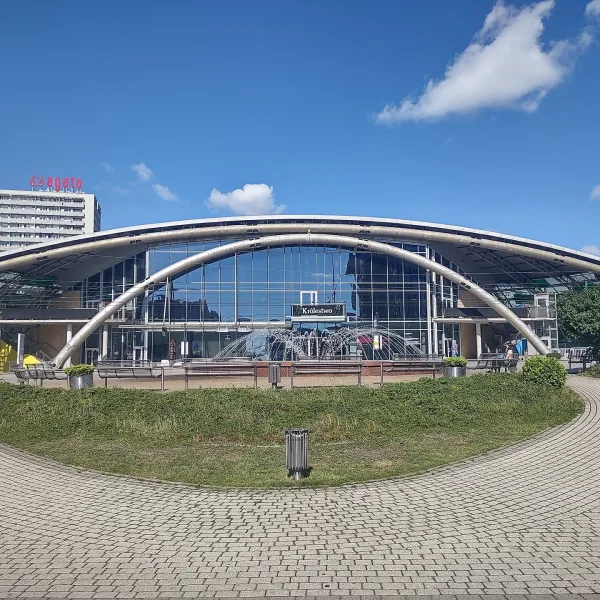
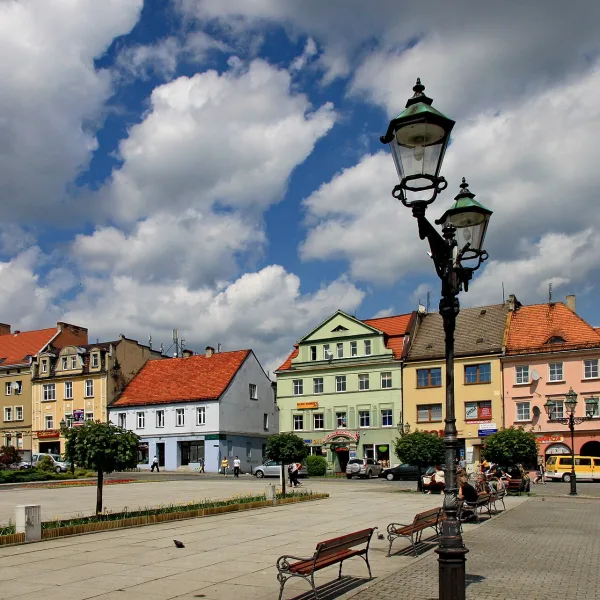
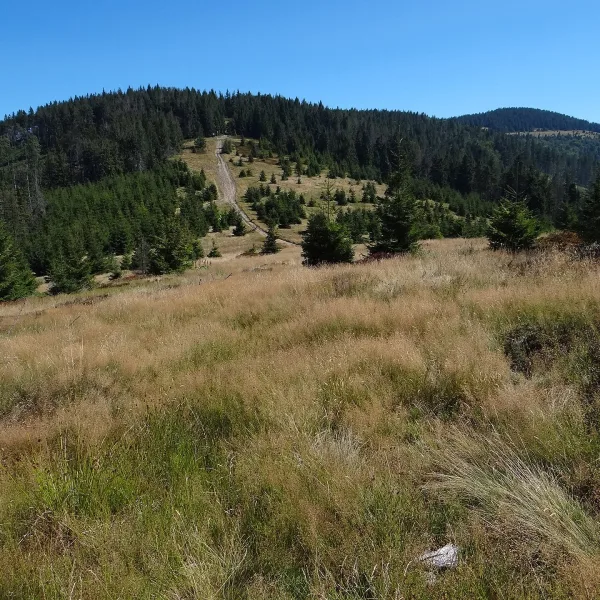
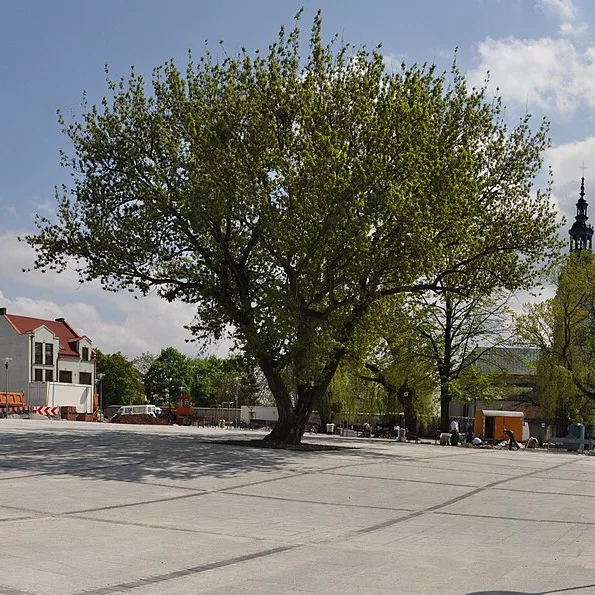
Atmospheric places in Silesia: Giszowiec, the Bielsko-Biała market square and Freedom Square in Katowice. Over a hundred addresses for a quiet stroll.
These are places with a mood that rarely reach the guidebooks: town squares, miners' housing estates, fountains, old steelworks, railway bridges, quarries and ravines. They are good for a stroll without a plan, with a camera or with a partner. Alongside addresses with great history there are plain corners that locals know from their daily route.
Which atmospheric places in Silesia should you see first?
To start, choose three addresses of different character: Giszowiec in Katowice, the Market Square in Bielsko-Biała and Freedom Square in Katowice. The first shows a miners' utopia, the second a bourgeois Old Town and the third an urban plan from the mid-nineteenth century.
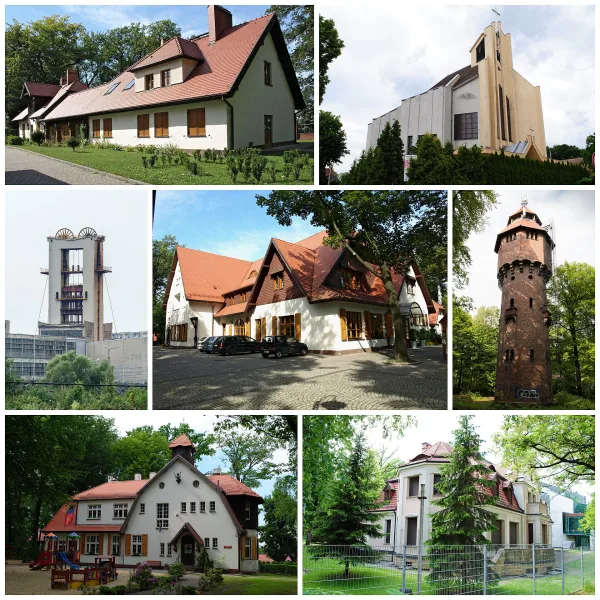
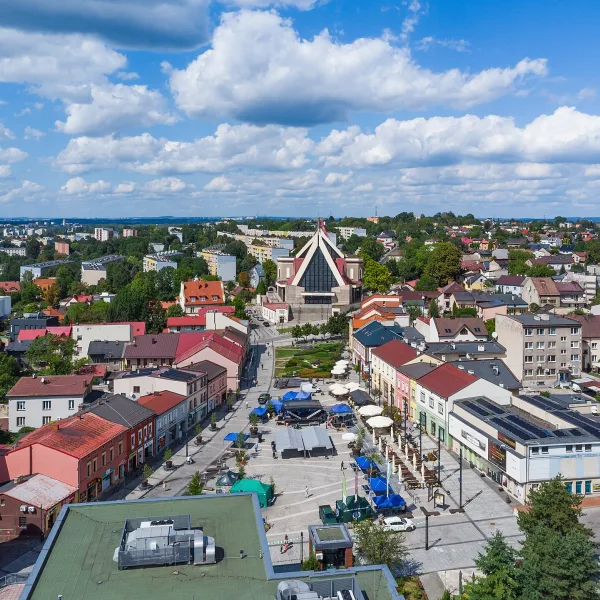
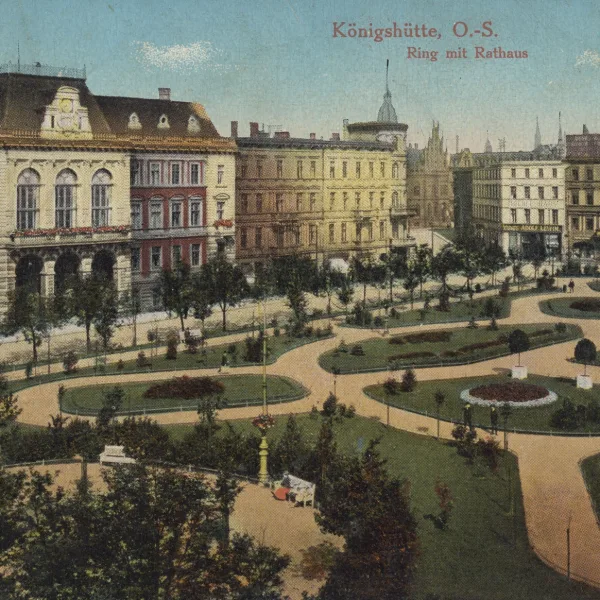
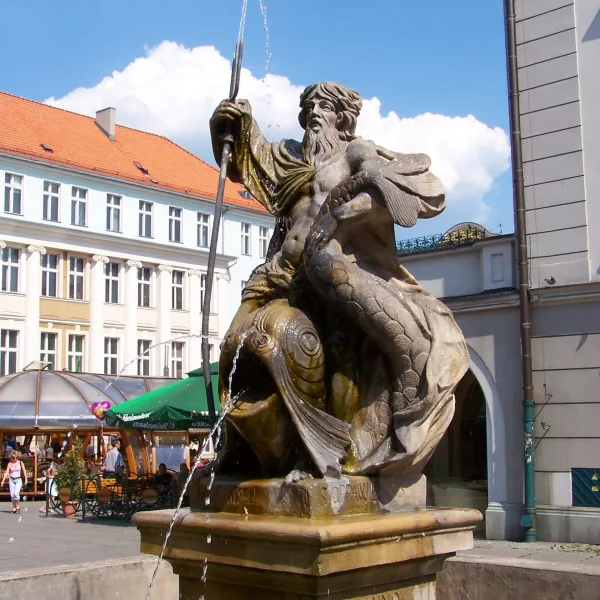
Giszowiec, in the south-east of Katowice, was built in 1907-1910 for miners on the model of a garden city. Roughly a third of the houses remain, yet the plan around the green square can still be read, and an estate park lies next to it. The Market Square in Bielsko-Biała is a rectangle of roughly 80 by 60 metres with townhouses of the eighteenth and nineteenth centuries, a Neptune fountain and exposed archaeological remains. Freedom Square in Katowice is a hexagon from the 1856 town plan; several streets, among them Sokolska and Gliwicka, branch off it, and registered townhouses and the Goldstein Palace surround it.
This selection complements a programme of monuments and museums. It shows the region from an everyday side: streets, squares, bridges and courtyards where crowds are rare and photos are easy to take. Many places need no guide, only a moment and decent weather.
If you prefer a longer trip, check the town pages: Atmospheric places: Katowice, and for the centre Atmospheric places: Śródmieście.
Which market square or square is worth seeing?
Market squares and squares are the easiest way to feel the character of a Silesian town. Each has a different layout and history, and often lies near a church and a town hall.
In Bytom the Market Square is a medieval square with a sleeping lion, a fountain and historic townhouses. It was originally a square and doubled in size after 1945. In Jaworzno the Main Market Square has an unusual triangular shape with a collegiate church beside it; it was renovated in 2012-2013 as a pedestrian space. The Market Square in Chorzów is framed by the town hall of 1874-1876 and townhouses, with a road flyover from 1979 passing over it. In Wodzisław Śląski the Market Square is one of the largest in Silesia, with nineteenth-century houses, a fountain and a church on the hill.
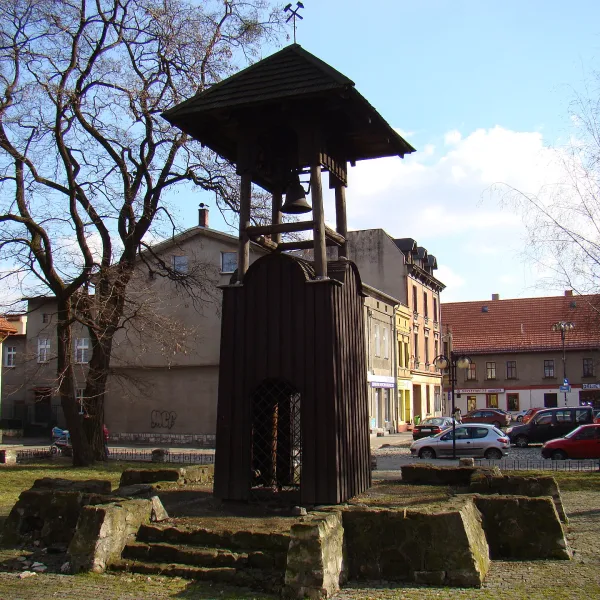
Among Katowice's squares note Karol Miarka Square in Śródmieście, with a Moniuszko monument of 1930, the Karlik fountain and trees of many species, and the estate square St Herbert Square in the Witosa estate with a fountain, a playground and a church. In Tarnowskie Góry Gwarków Square is the town's oldest market place with the Miners' Bell Tower moved there in 1955, and nearby lies Society of Friends of Children Square, laid out as a playground since the 1960s. In Częstochowa Władysław Biegański Square lies on the pilgrim road to Jasna Góra, with the town hall of 1828-1836 and St James's church.
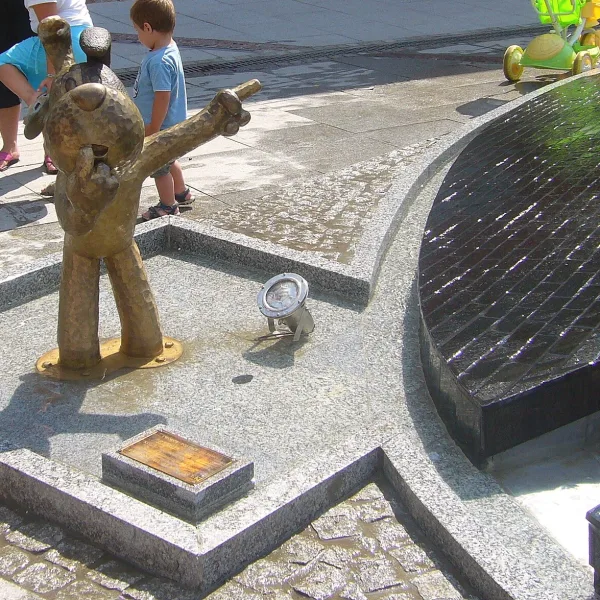
In Gliwice fountains create the atmosphere. The Neptune Fountain of 1794 stands in the western part of the market square and has a sandstone figure of Neptune on a dolphin. In front of the City Hall splashes the cast-iron Fountain with Three Fauns of 1928, nicknamed Little Devils by locals. In Bielsko-Biała, by the Biała river, stands the Reksio Monument, a bronze fountain of 2009 depicting the hero of an animated series.
Where to see old industry, housing estates and bridges?
Industry shaped the look of the region, so its traces have an almost romantic charm. Here brick, reinforced concrete, steel and water create the mood, and the places are less obvious than museums.
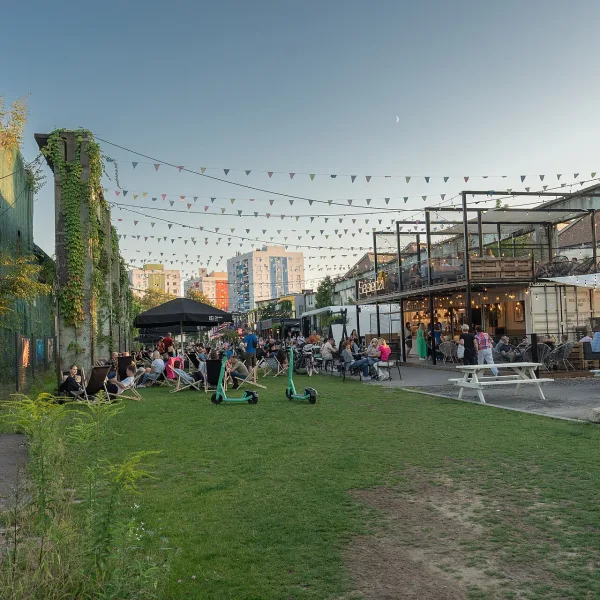
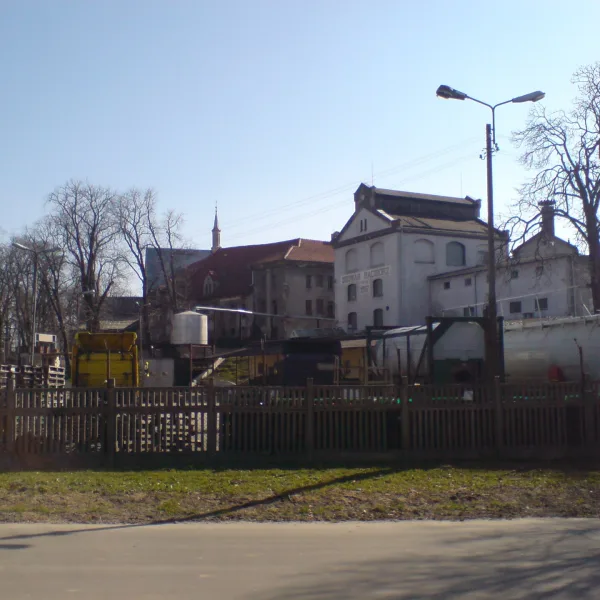
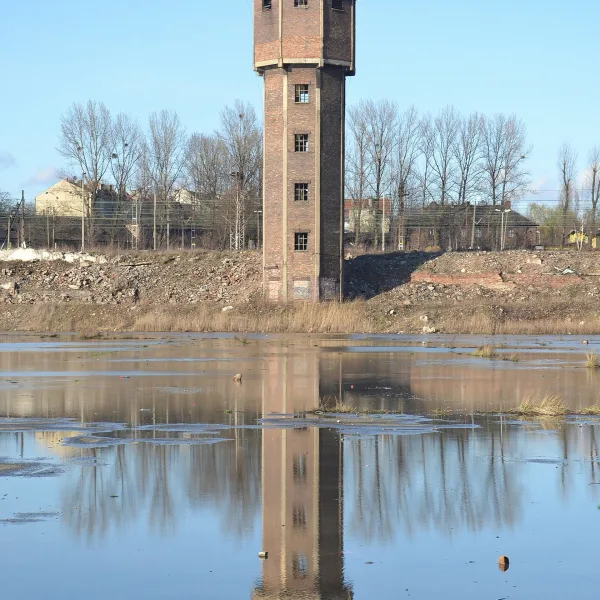
In Gliwice, the Gliwice Steelworks, which operated from 1867 to 2000, left a water tower and an administration building. In Racibórz the Racibórz Brewery stands on the grounds of the former castle of the Racibórz dukes and has a brewing tradition reaching back to the early sixteenth century. In Dąbrowa Górnicza Fabryka Pełna Życia turns the site of a former machine-tool factory into a cultural space with an event hall, fairs and an open-air cinema. The Huta Katowice steelworks, despite its name, lies in Dąbrowa Górnicza, operates as an industrial plant and is best admired from outside. The Industry and technology category lists related places.
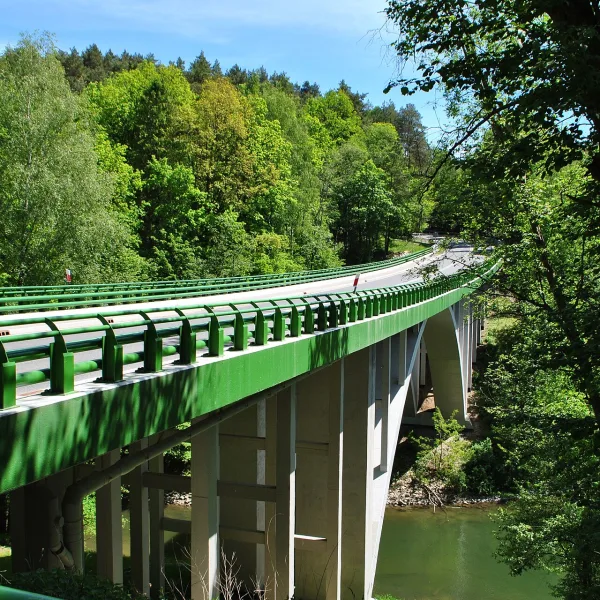
The railways left bridges. In the Podlesie district of Katowice, hidden in the Gniotek forest, is the Gypsy Bridge, a disused reinforced-concrete viaduct from about 1918, roughly ten metres high. On the border of Jaworzno and Sosnowiec the stone bridge over the Biała Przemsza in Maczki, built in 1848, has six spans and served as a border bridge of the Warsaw-Vienna Railway. In Wisła the reinforced-concrete arch bridge over the Dziechcinka valley of 1931-1933 carries the mountain line from Goleszów. In Brzeźnica near Racibórz stands a water mill of the eighteenth century, restored and started again in 2006, linked with the poet Joseph von Eichendorff.
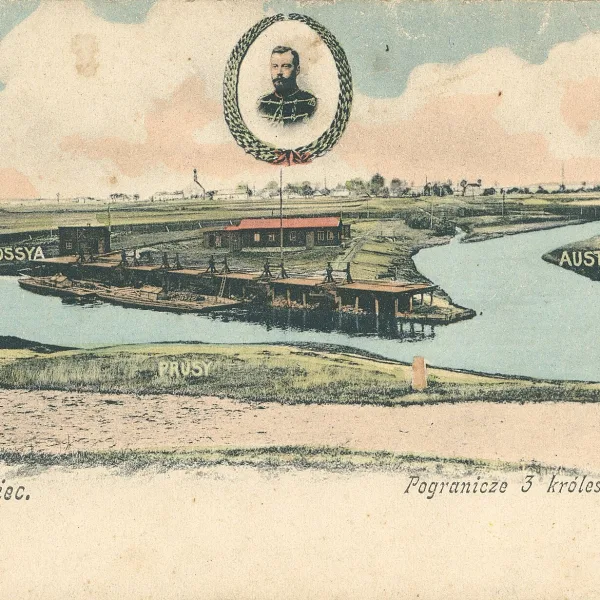
On the border of Mysłowice and Sosnowiec lies the Triangle of the Three Emperors, where the Biała Przemsza flows into the Czarna and from that confluence the river is simply called the Przemsza. Between 1846 and 1915 the borders of three empires met here.
What does modern architecture look like in Katowice and around?
Beside the old places the region has new ones of equal character. The Katowice Culture Zone stands on the site of a former mine, and its buildings sometimes attract more visitors than historic townhouses. Some buildings can be seen only from outside, so check what is open inside.
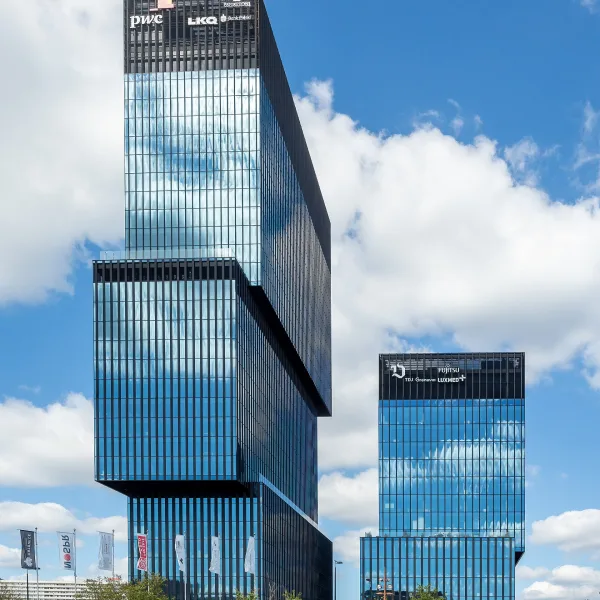
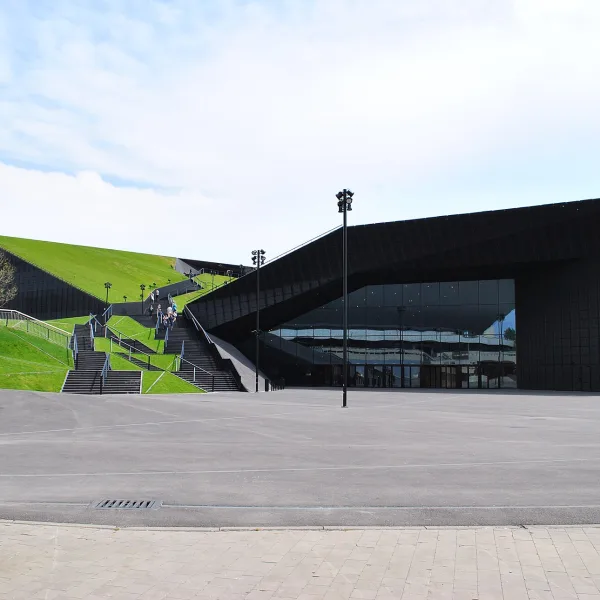
On the site of the former Katowice mine stands the International Congress Centre, opened in March 2015, with a green roof and a hall for eight thousand people. Next to the Spodek, in Koszutka, rise the .KTW Office Buildings: interiors are closed to visitors, but a public square lets you view the towers from outside. On the General Ziętek roundabout stands Rondo Sztuki, an academy gallery in a half-dome building of 2007, and on Silesian Parliament Square operates Katowice City of Gardens, a municipal cultural institution that organises music and visual festivals. In Śródmieście lies the University of Silesia campus with modernist buildings of the 1960s and 1970s and a newer library and Film School.
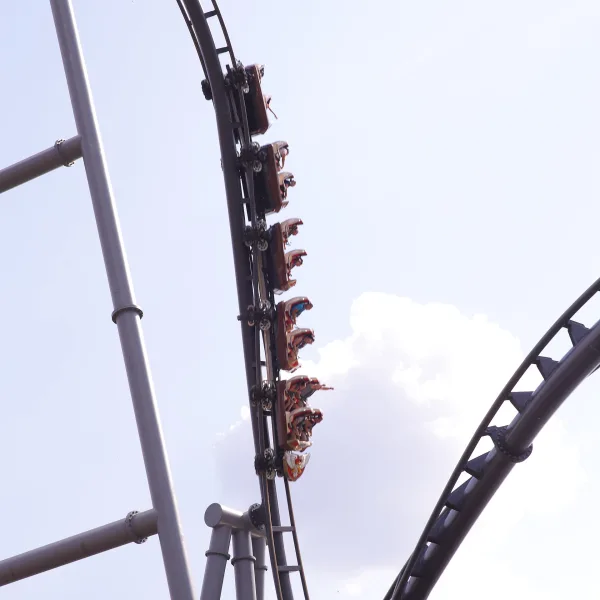
Large entertainment and sports venues have their own mood too. Silesian Stadium in Silesian Park in Chorzów opened in 1956 and has had a roof over the stands since 2017. The Polish national football team and Ruch Chorzów play here, and it is the largest sports venue in the region. In Legendia in Chorzów Lech Coaster is a steel roller coaster with three inversions and the legend of Lech as its theme. Similar venues are in the Entertainment category. The provincial house of the Servant Sisters in Panewniki is a convent from the 1930s with chapels, a memorial room and a missionary museum, so it is visited quietly, and places of this type are covered in the Churches and monasteries category.
Where in Silesia to find water, rock and peace?
Old workings have become lakes and clearings, and ravines hide inside towns. For many people this is the best way to rest from street traffic. Related offers are in the Lakes and Viewpoints categories.
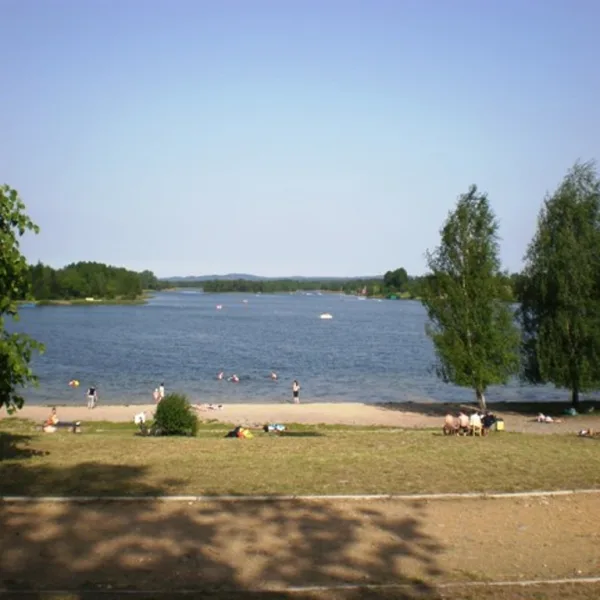
In Jaworzno Sosina is a 50-hectare reservoir in a former sand pit, with a guarded bathing area and a water equipment rental. In the Porąbka district of Sosnowiec Balaton formed after clay extraction and has served locals for leisure since the 1970s. The name has no connection to the Hungarian lake. In Jastrzębie-Zdrój Jar Południowy is a public green area with paths, flower beds and an amphitheatre.
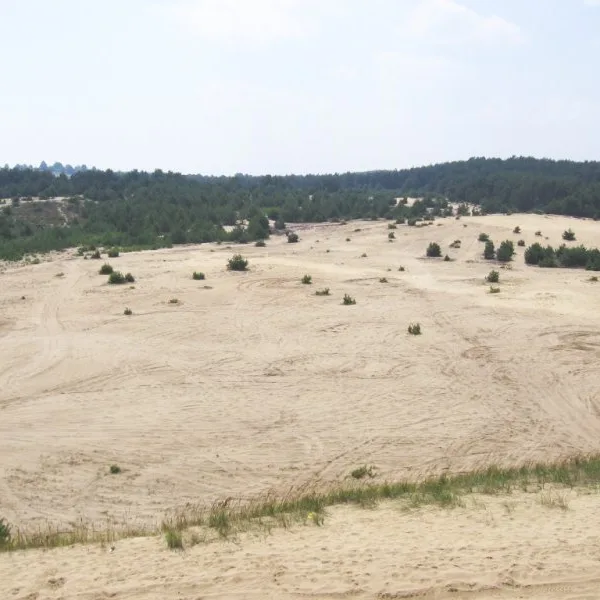
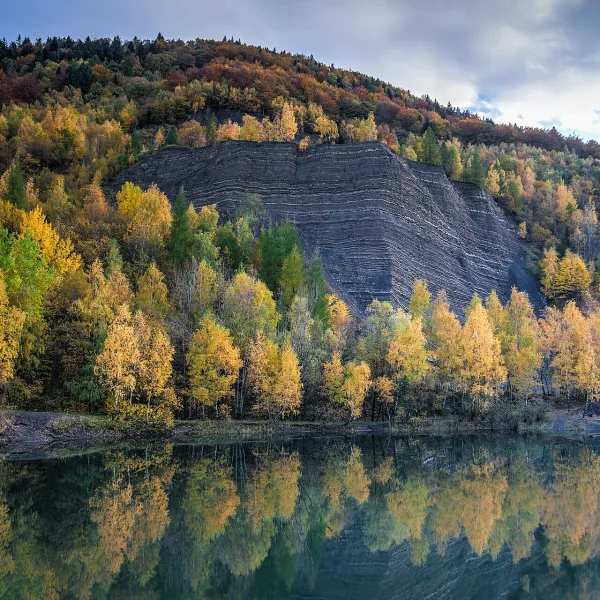
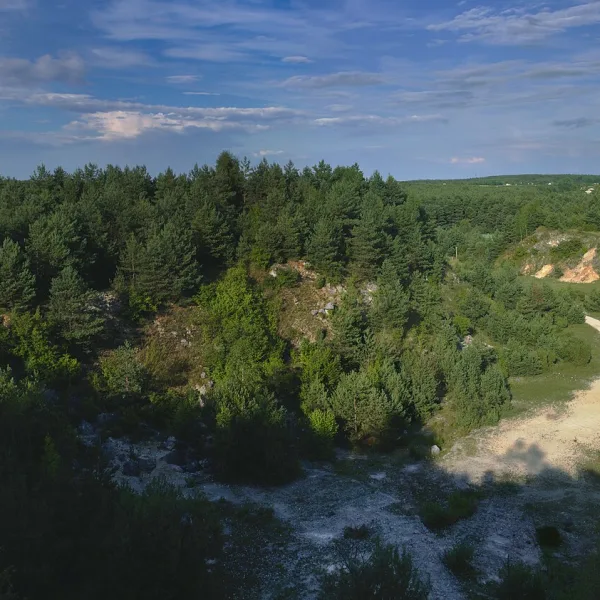
Rock and sand await in the Jura and the Little Beskids. Near Siedlec the Siedlec Desert covers 25 hectares of sandy ground from a former pit, with a pond and desert vegetation; sand was dug here until the 1960s. Near Olsztyn, about a kilometre south-east of the castle, the former Kielniki Quarry is today a geosite with an educational trail, and in Kozy a disused sandstone quarry from 1910 serves recreation. In Żywiec Wilczy Jar is a ravine with a reinforced-concrete bridge of 1964 and the start of trails, and in the Żywiec Beskids Hala Redykalna is a pastoral clearing below Redykalny Wierch by the yellow trail to Rysianka. More mountain ideas are in the Mountains category.
How to plan a stroll around atmospheric places?
It is easiest to plan by town, as several have their own pages. Bielsko-Biała means the Market Square, the Reksio Monument and the surroundings, described at Atmospheric places: Bielsko-Biała. Racibórz, Bytom, Gliwice and Tarnowskie Góry have their own lists: Racibórz, Bytom, Gliwice, Tarnowskie Góry and Częstochowa.
After a stroll around a market square, look at nearby monuments, and when it starts to rain, step into a museum or a show at a theatre or opera. For calmer routes there is the Parks and nature category, and among cemeteries and monuments you will find more quiet corners.
Frequently asked questions
What are atmospheric places in Silesia?
They are addresses with a distinct mood: market squares and squares, housing estates, fountains, former industrial plants, bridges, ravines and reservoirs. They are not classic monuments with a ticket, but places to stroll and view from outside.
Which places suit a walk for two?
The calmest are the squares and fountains in Gliwice, Katowice and Bielsko-Biała, Giszowiec, Wilczy Jar in Żywiec and the clearings in the Beskids. Many entries on the list, such as the Silesian Stadium, Huta Katowice or the office towers, are rather curiosities to view from outside.
Is entry to these places paid?
Most are public spaces: squares, market squares, bridges, ravines and estates that you enter freely. Exceptions are venues with organised activity, for example the Racibórz Brewery, the Silesian Stadium and Lech Coaster, where their own rules apply.
Are there atmospheric places in Katowice outside the centre?
Yes. Giszowiec lies in the south-eastern part of the city, the Gypsy Bridge hides in the Gniotek forest in Podlesie, and St Herbert Square marks the heart of the Witosa estate.
Where to see bridges and old railway structures?
In Maczki on the border of Jaworzno and Sosnowiec, in Wisła over the Dziechcinka valley and in Podlesie in Katowice. All are described in the category with their construction dates.

 Places with character