Silesia, Silesian Voivodeship
Tuesday, 03 November 2026 PL / EN

Nature

For families For couples Solo For rainy days Free
125 attractions
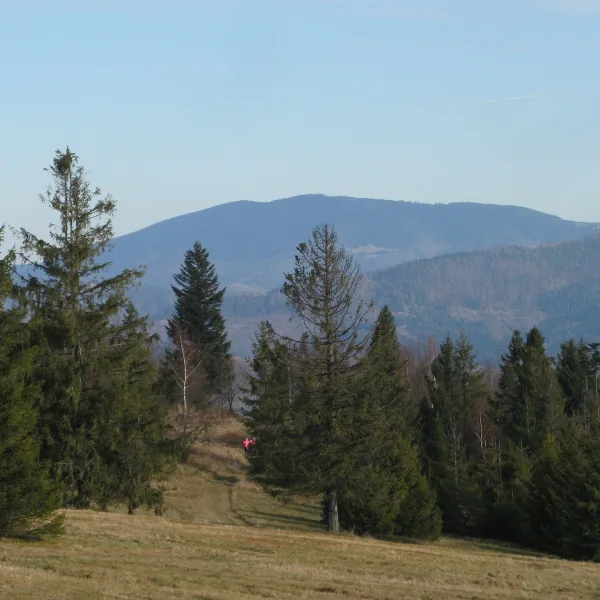
Romanka Mountains
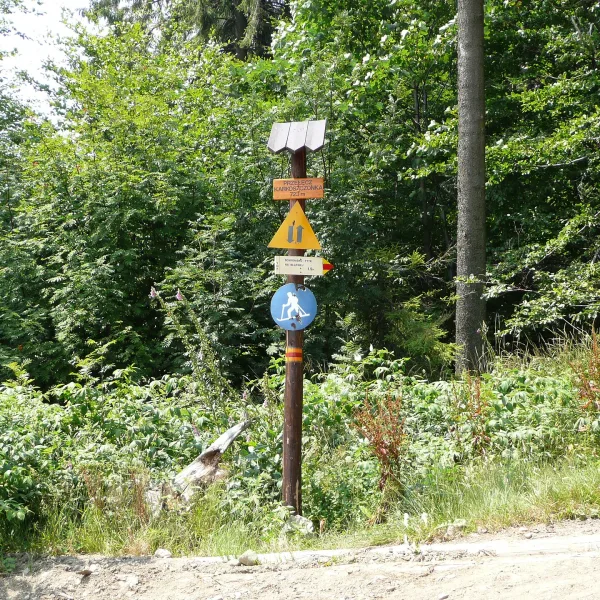
Romanka
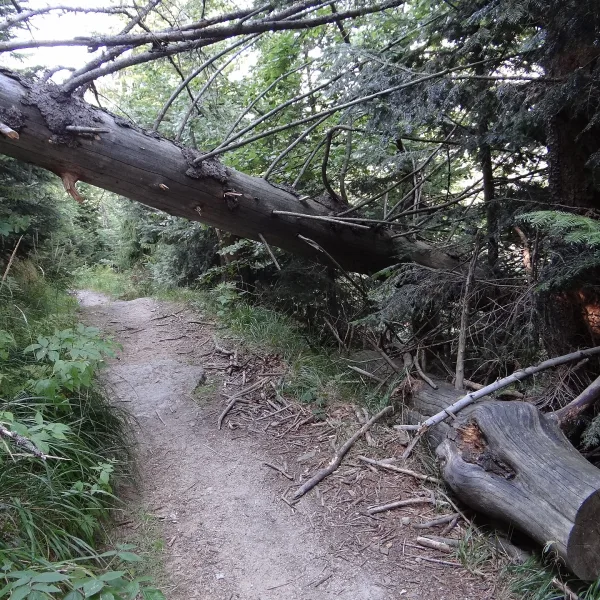
Sopotnia Wielka

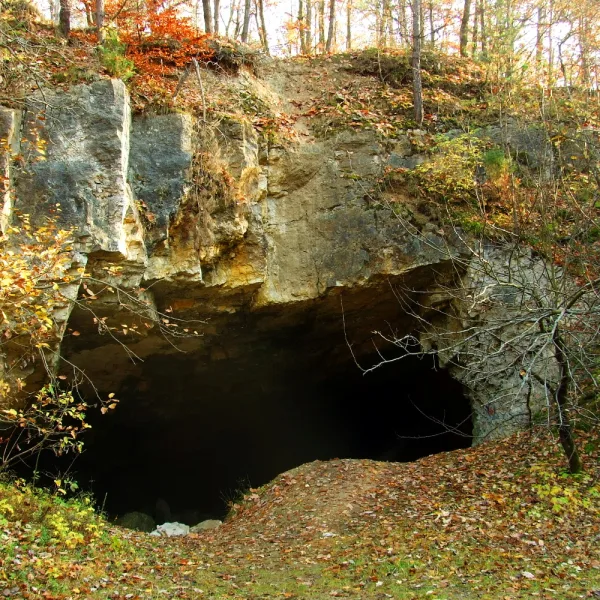
the highest peak of its group in the Żywiec Beskids, with a wooded summit and mountain meadows below it
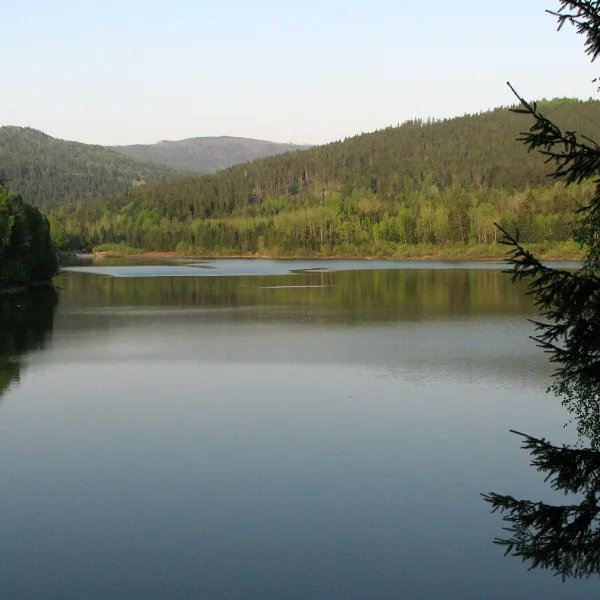
Jezioro Czerniańskie Lakes
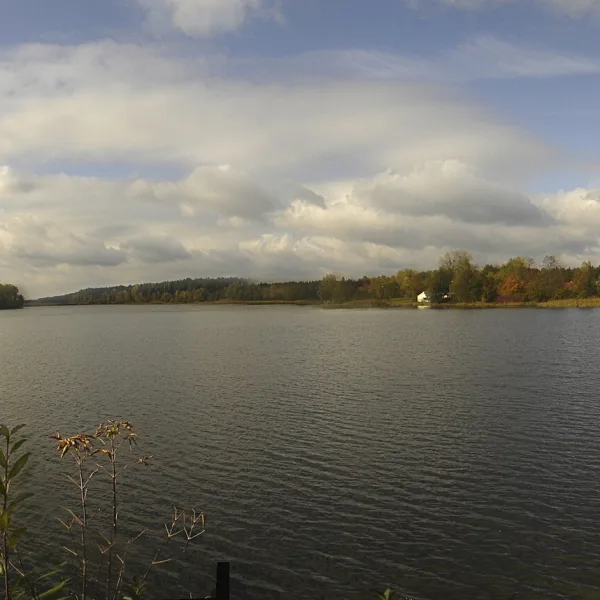
Czerniańskie Lake
Wisła

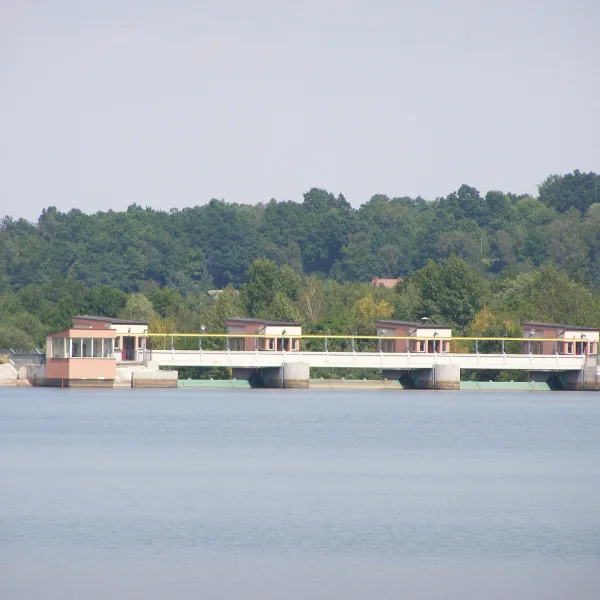
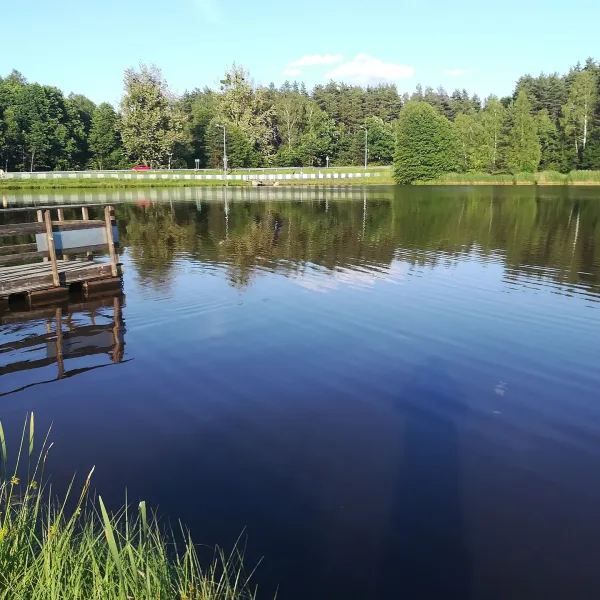
a dam reservoir from 1973 in Wisła Czarne, a drinking water reservoir below Barania Góra
Jezioro Czanieckie Lakes
Czaniec Lake
Porąbka

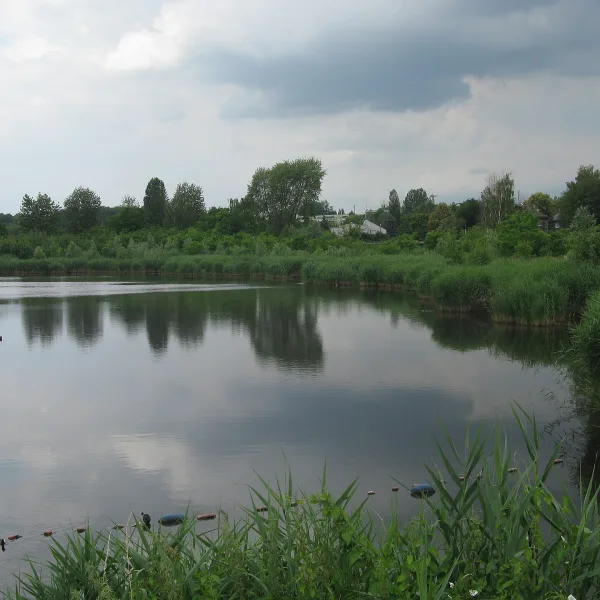
a drinking-water reservoir on the Soła, 45 ha in area, with a ban on water sports
Zalew Pająk Lakes
Pająk Reservoir
Konopiska

a reservoir on the Konopka with a scout centre, host of the Polish Triathlon Cup

Staw Kalina Parks and nature
Kalina Pond
Świętochłowice

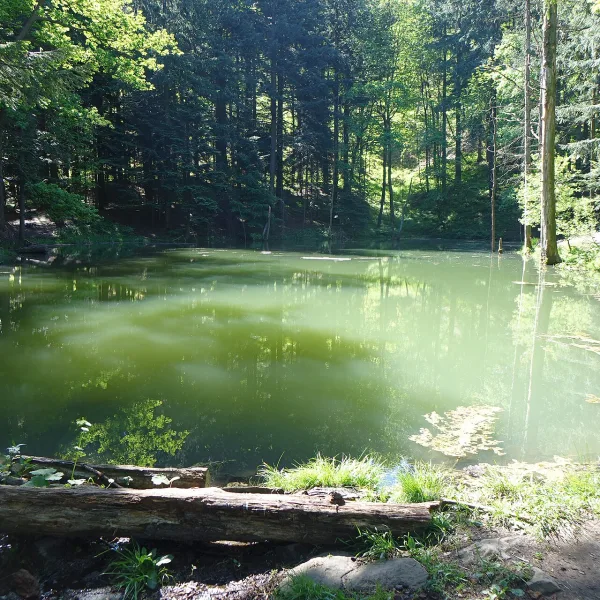
the largest body of water in Świętochłowice, renovated with paths, playgrounds and sports facilities
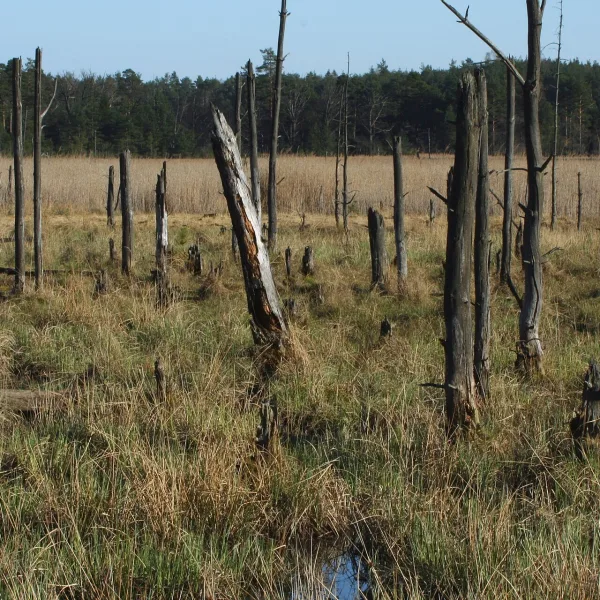
Nature in Silesia means lakes, reserves and Beskid summits: find out where to go for water, ancient forest or a mountain meadow.

More than a hundred and twenty places are gathered here, spread over the Silesian Voivodeship: reservoirs, nature reserves, Beskid summits and passes, and the limestone hills of the Jura. Many of them need no entrance ticket. Lists for single towns are available for Katowice, Wisła and Chorzów.

Where can you see nature in Silesia?

The simplest way is to split the region into three realms: water, forest and mountain. For water, go to Lake Żywiec, Rybnik Reservoir or Goczałkowice Reservoir; for forest, to the reserves in the Beskids and the conurbation; for height, to Barania Góra, Skrzyczne and Romanka. The Jura and the post-industrial land of towns complete the picture, where nature has returned to former pits.

You do not have to plan a far expedition at once. Even in the conurbation there are reserves, ponds and ecological sites reachable after a short journey. Before setting out, check whether the area has protective rules: reserves impose restrictions, and you cannot leave the marked paths everywhere.

Which lakes and reservoirs should you choose?

For leisure by the water the best are large reservoirs with beaches and bathing places, and for quiet walks those on which water sports are not allowed. Here is a division by location.

Beskids and the Żywiec Basin

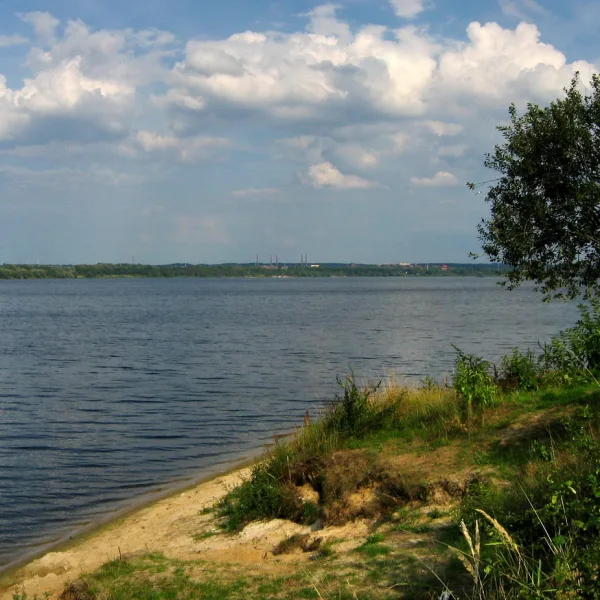
Lake Żywiec is a dam reservoir on the Soła that was filled in 1966. It stretches up to six and a half kilometres and reaches a depth of nearly twenty-seven metres; a hydroelectric plant works there. Further along the Soła valley lie Międzybrodzie Lake, created in 1937 and covering just under four square kilometres, and Czaniec Lake in Porąbka, a drinking-water reservoir of forty-five hectares where water sports and fishing are banned. In Wisła, where two headstreams meet, stands Czerniańskie Lake, built in 1973.

Conurbation, Zagłębie and surroundings

Goczałkowice Reservoir is a huge basin on the Vistula that can reach three thousand two hundred hectares and matters for water supply and for birds. Dzierżno Duże in Pyskowice covers over five hundred hectares in sand pits in the Kłodnica valley. At the western edge of the region Rybnik Reservoir was built for a power station and today is a favourite with sailors and anglers. In Dąbrowa Górnicza you will find water in two places: Pogoria II Reservoir in a former sandpit with a black-headed gull colony, and Kuźnica Warężyńska Reservoir, which in 2005 filled a sandpit across five hundred and sixty hectares. Smaller waters are Blachownia Reservoir on the Stradomka, Lake Chechło-Nakło with beaches and campsites, Starganiec in Mikołów after its 2023 renovation, and Stawiki in Sosnowiec with a bathing area, a water sports zone and a short educational path.

Which nature reserves are worth seeing?

Reserves are the most valuable fragments of the region's nature, and each protects something different: forests, birds, ponds or rocks. Choose by theme and check the rules for the particular place.

Beskids

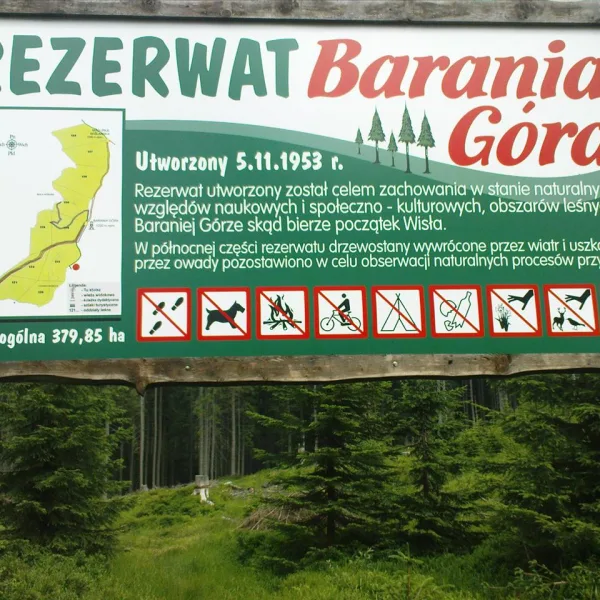
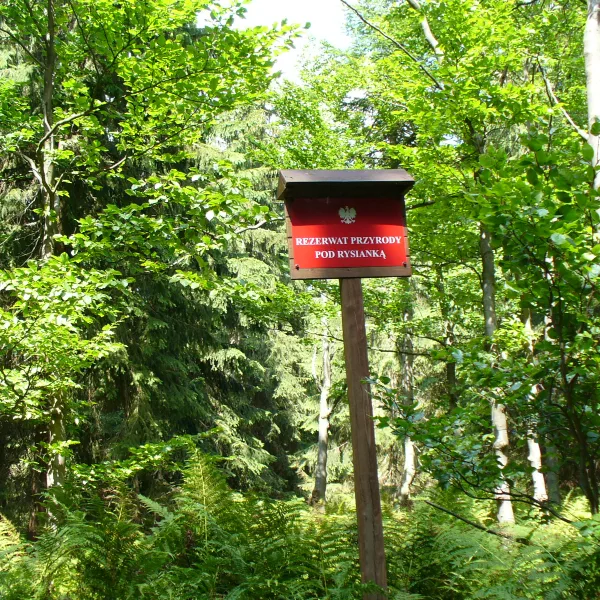
In the Silesian Beskids the Barania Góra reserve takes up almost four hundred hectares on the western slopes and was created in 1953. It includes the areas where the Czarna and Biała Wisełka streams begin. In Ustroń, Czantoria protects beech and sycamore woods on the northern slopes of Wielka Czantoria. Below Rysianka, the Pod Rysianką reserve from 1970 contains a fragment of ancient Carpathian forest of the lower montane zone. In the Little Beskids Madohora is a spruce forest with sandstone outcrops.

Conurbation and Zagłębie

In Gliwice Las Dąbrowa, set up in 2008, shows riverside woodland, alder carr and the white-backed woodpecker. In the Murcki district of Katowice Las Murckowski protects old beeches on the slopes of Wanda Hill. Where Bytom meets Tarnowskie Góry, Segiet is a beech wood on former mining workings. In Jaworzno the aquatic reserve Dolina Żabnika covers the peat bogs and reed beds of a stream valley.

Cieszyn Silesia, Racibórz and Pszczyna

In Cieszyn the Lasek Miejski nad Olzą reserve of 1961 protects the spring Cieszyn flower and a natural hornbeam wood. Near Racibórz Łężczok is a water reserve of more than four hundred and seventy hectares, with eight ponds, ancient woods and more than a hundred and ninety kinds of bird. In the Pszczyna Forest lies Żubrowisko, the only faunal reserve in the voivodeship, which protects a herd of European bison. It is closed to visitors, and an educational centre operates at its edge. A separate place outside the reserve is used for viewing bison in Pszczyna.

Jura

On the Jura Szachownica is an inanimate-nature reserve of twelve hectares with the limestone Krzemienna Góra and a cave where bats hibernate. Zielona Góra near Kusięta is an inanimate-nature reserve on a limestone hill within the Eagles' Nests Landscape Park.

Which mountains and passes should you choose in the Beskids?

For a first trip choose Skrzyczne, Szyndzielnia or Klimczok, and for a longer one Barania Góra, Rysianka or Romanka. Not every summit gives a panorama, so decide whether you care more about the view or the hike itself.

Skrzyczne stands twelve hundred and fifty-seven metres tall and is the top of the whole Silesian Beskid range. Barania Góra reaches twelve hundred and fifteen metres, with a lookout tower at the top. Szyndzielnia and Klimczok stand next to each other near Bielsko-Biała and Szczyrk. In the Żywiec Beskids Rysianka rises above thirteen hundred metres, and Romanka even higher, at thirteen hundred and sixty-six. The top of Romanka is covered by forest and gives no views, so it is a goal for those who simply love walking. A better panorama waits on Błatnia, a summit of nine hundred and seventeen metres with a lookout mound and a hut from 1926.

Passes work well as starting points: the Salmopol Pass is a trail junction on the road from Szczyrk to Wisła, while Karkoszczonka, at seven hundred and twenty-three metres, sits where Brenna meets Szczyrk.

What is there to see on the Jura?

The best known spot is Zborów Hill: a limestone height and reserve frequented by climbers. In the reserve lies Głęboka Cave, open to visitors, unique in the northern part of the Jura, one hundred and ninety metres long.

Where does nature return to post-industrial land?

In the conurbation, nature takes over former pits and industrial land. Żabie Doły is a nature and landscape complex where Chorzów, Bytom and Piekary Śląskie touch. Uroczysko Zielona in Dąbrowa Górnicza is an ecological site of seventeen and a half hectares with five stops on an educational path. Both show how greenery comes back after years of industry.

Where can you watch birds and quiet wildlife?

For birdwatchers and walkers the most interesting places are reservoirs with rich bird life and aquatic reserves. Start with sites that already have a nature description, because they help you understand what you are looking at.

Goczałkowice Reservoir matters for birds, and Pogoria II Reservoir has a black-headed gull colony and the status of an ecological site of forty hectares. In the Łężczok reserve in Babice more than one hundred and ninety bird species have been counted, and its ponds sit beside old forests. Żubrowisko protects a herd of about thirty animals, but as a closed area it serves protection, not sightseeing. If you prefer water without the noise of motorboats, visit Czaniec Lake, where water sports and fishing are banned. Busier are Rybnik Reservoir, popular with sailors and anglers, and Stawiki in Sosnowiec with its water sports zone.

How to plan a weekend with nature in the Żywiec Beskids?

The area around Sopotnia Wielka and Żabnica offers a compact set of places: Rysianka, Romanka and the Pod Rysianką reserve. All lie in one area, so it is easy to make two days with a night in the hills. On the first day pick a summit, and on the second enter the reserve, where a fragment of primeval forest grows.

Remember that Romanka rewards no one with views from the top, so if you want a panorama, climb Rysianka first and leave Romanka for a longer trip with its height above the Soła valley.

How to spend a weekend with nature around Wisła?

The surroundings of Wisła are the densest cluster of natural places in the Silesian Beskids. One route can hold Czerniańskie Lake, the Salmopol Pass, Barania Góra and the reserve on its slopes, and Ustroń with the Czantoria reserve lies close by. A well-planned weekend starts with water and ends on a ridge.

On the first day walk round the reservoir at Wisła Czarne and head toward the pass, a junction of trails. On the second choose the climb to Barania Góra: the summit has a lookout tower, and its western slopes are protected as a reserve. If time remains, spend it in Ustroń, where the forest on the slopes of Wielka Czantoria is protected. Keep a reserve for the weather, because it changes quickly in the mountains.

How to visit protected areas?

Reserves and ecological sites follow different rules from an ordinary park. Always keep to the marked paths, do not go deep into the forest, do not pick plants and take your rubbish home. In some places, such as Żubrowisko, entry for visitors is closed altogether.

Before leaving it is worth checking how far the chosen place lies from town: Łężczok and Dolina Żabnika are near Racibórz and Jaworzno, Lasek Miejski nad Olzą is in Cieszyn, and Las Dąbrowa is in western Gliwice.

What to choose in each town?

If you know the town, open its selection.

Frequently asked questions

Where in Silesia can you go to a lake?

To Lake Żywiec, Rybnik Reservoir or Goczałkowice Reservoir, and in the conurbation to Dzierżno Duże, Pogoria II or Chechło-Nakło. Sosnowiec has Stawiki, and Mikołów has Starganiec.

Which reserve suits a first visit?

A good start is Łężczok near Racibórz with its eight ponds, or Barania Góra in the Silesian Beskids. The Żubrowisko reserve is a closed area, so do not plan to enter it.

Which mountains suit a short trip?

Skrzyczne, Szyndzielnia or Klimczok. For a calmer outing Błatnia with its lookout mound is a good pick.

Is there a cave for visitors on the Jura?

Yes. It is Głęboka Cave in the Zborów Hill reserve, one hundred and ninety metres long.

Does Romanka have views?

Not from the summit, which is covered by dense forest. Its strengths are the massif, the rise above the Soła valley and the approach trails.