Architecture in Silesia: Jura castles, cathedrals and basilicas, mining buildings and modern towers, with tips on where to go first.
The Silesian Voivodeship has buildings from many eras: a Romanesque rotunda in Cieszyn, Gothic castles of the Eagles' Nests, neo-Gothic brick cathedrals and reinforced-concrete mine towers. The overview is arranged by type of building and by town, so you can build a route for one day or a whole weekend.
Which buildings should you start with?
The best start is Katowice and Gliwice, because each holds several different styles in one town. The Cathedral of Christ the King in Katowice has a monumental outline: a shallow dome and a portico with eight Corinthian columns. Building it took over twenty-five years, and the cathedral complex became a historic monument in 2017. The Silesian Museum is hidden underground on the site of a former mine. In Gliwice a brick castle, a neo-Gothic cathedral and a neo-Renaissance industrialist's villa stand side by side.
Only then is it worth heading to the Jura, the Dąbrowa Basin and the Beskids. Katowice has its own page: Architecture: Katowice.
Which castles of the Kraków-Częstochowa Upland should you see?
The castles of the Eagles' Nests are a chain of medieval strongholds on limestone rocks, most of them built in the time of Casimir the Great. They are best visited one or two a day.
The ruins of Ogrodzieniec Castle in Podzamcze crown the peak of the Jura, and visitors can walk through them as a stabilised ruin. Bobolice Castle dates to the middle of the fourteenth century and was restored from ruins before reopening in 2011; the commune of Niegowa also has the ruins of Mirów Castle, about 1.3 kilometres from Bobolice. In Olsztyn near Częstochowa lie the ruins of the royal castle, in Zawiercie-Skarżyce the Bąkowiec Castle on the Tygrys rock, and in Smoleń Gothic ruins with the round tower of the upper castle. From an architect's point of view these are different approaches to the same theme, from reconstruction to a secured ruin.
Which castles and palaces are worth seeing outside the Jura?
In the Dąbrowa Basin Będzin Castle stands above the Czarna Przemsza; Casimir the Great added it in 1349 to an older tower, and its present shape results from a nineteenth-century rebuild and a reconstruction of 1952-1956. The Bishops' Castle in Siewierz is a permanent ruin of four wings around a courtyard, for more than three hundred years a residence of the Kraków bishops.
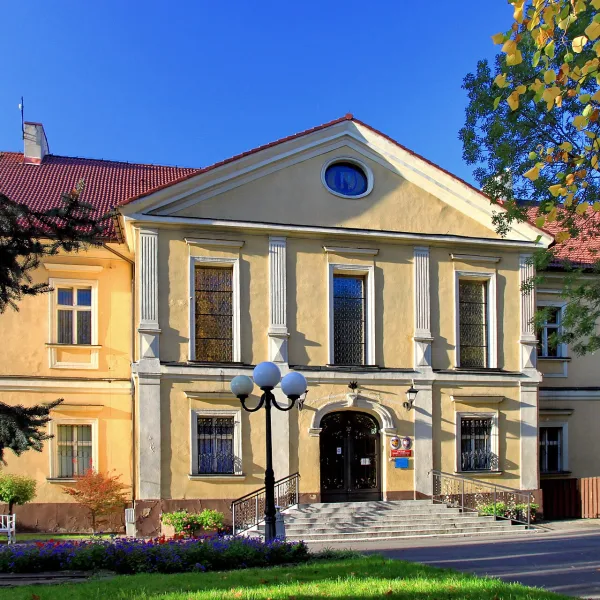
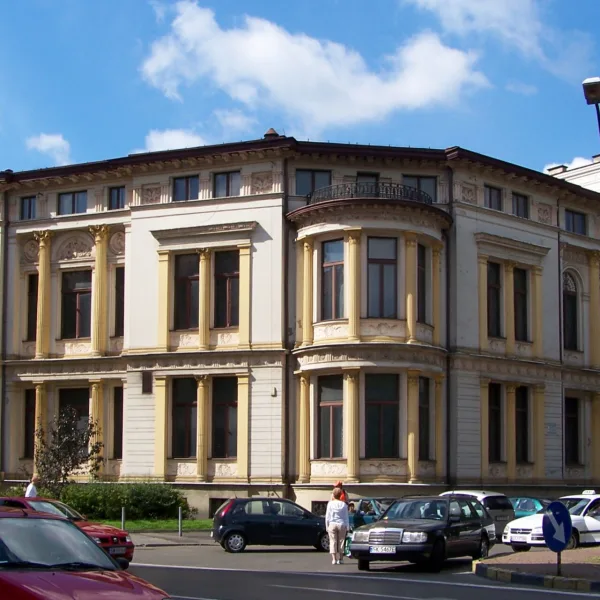
In Gliwice the Piast Castle of the mid-fourteenth century on ulica Pod Murami was never a ducal castle in spite of its name, and Villa Caro on ulica Dolnych Wałów is a neo-Renaissance residence of 1882-1885 whose interiors have largely kept their original decor. The Gothic Toszek Castle was remodelled in the seventeenth century for the Colonnas and today holds a cultural centre, while the brick castle in Racibórz, on the Ostróg, keeps a Gothic chapel of St Thomas. In Chudów a partly rebuilt ruin of the 1530s is one of the early Renaissance private seats of the region. In Pszczyna the former Hochberg residence together with its park was declared a historic monument in 2021.
Which cathedrals and basilicas should you admire?
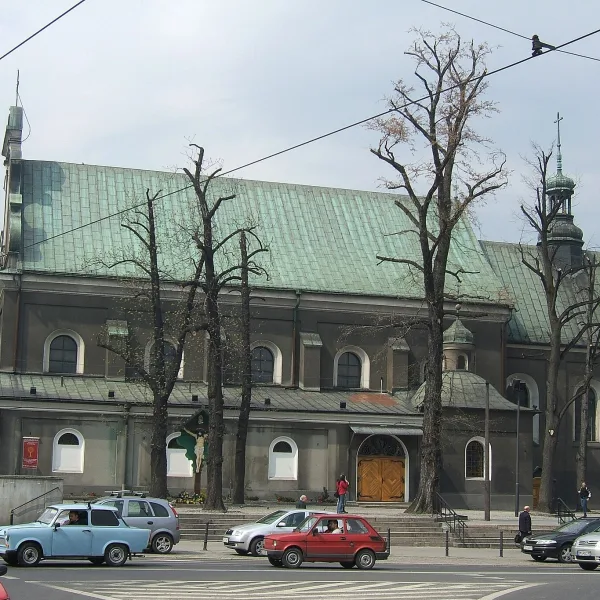
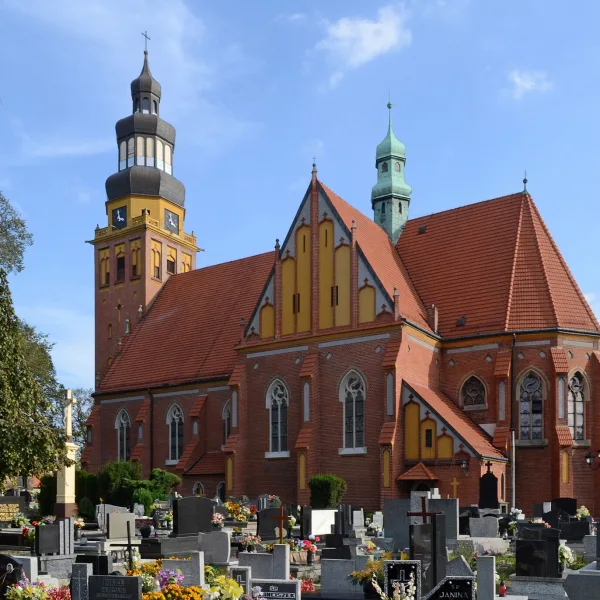
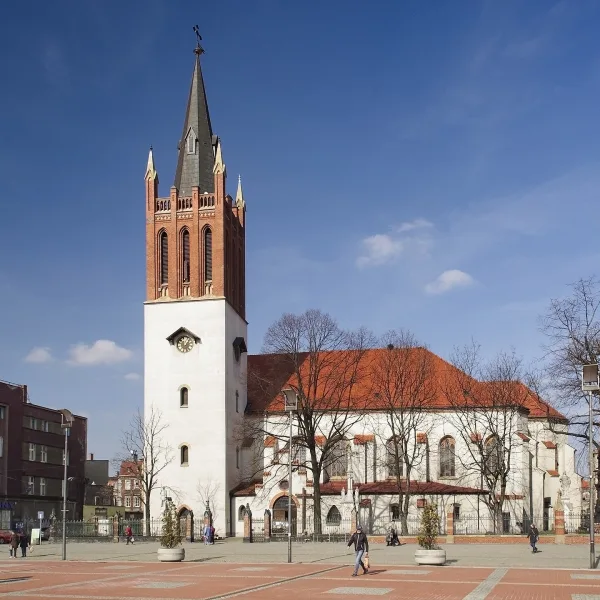
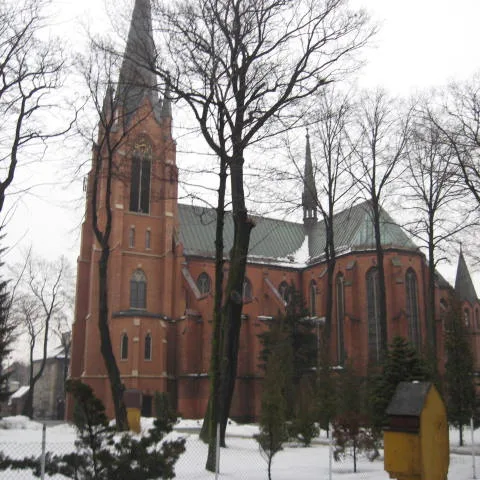
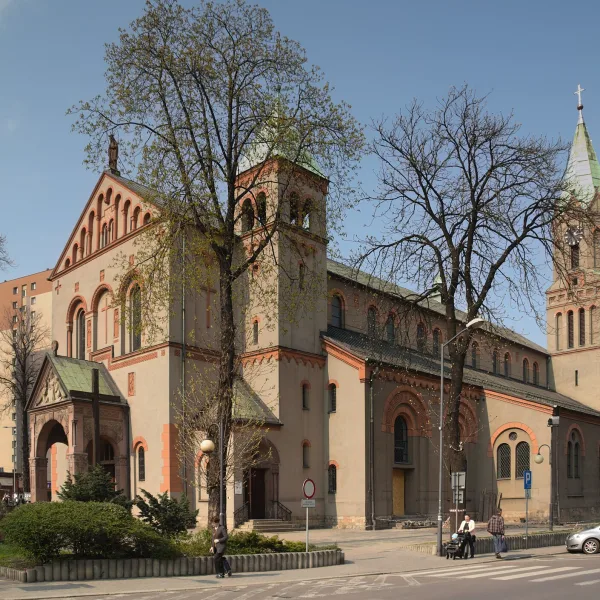
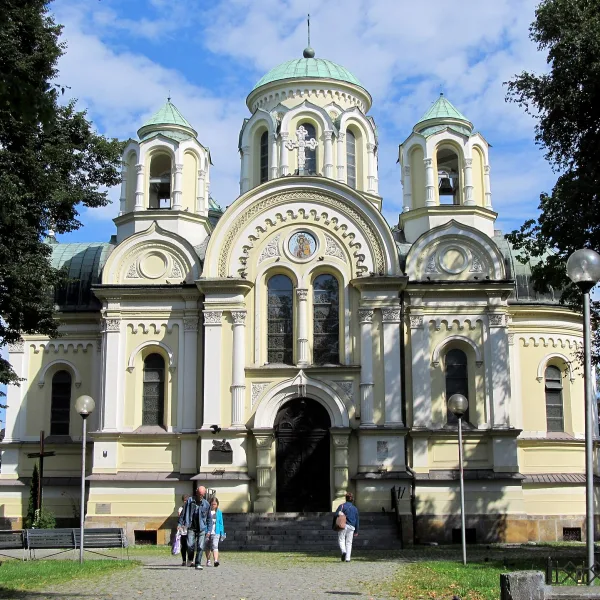
Neo-Gothic and neo-Romanesque styles dominate the churches of the region, and brick facades with tall towers recall the era of industrial growth. These are active places of worship, so visits have to fit around services.
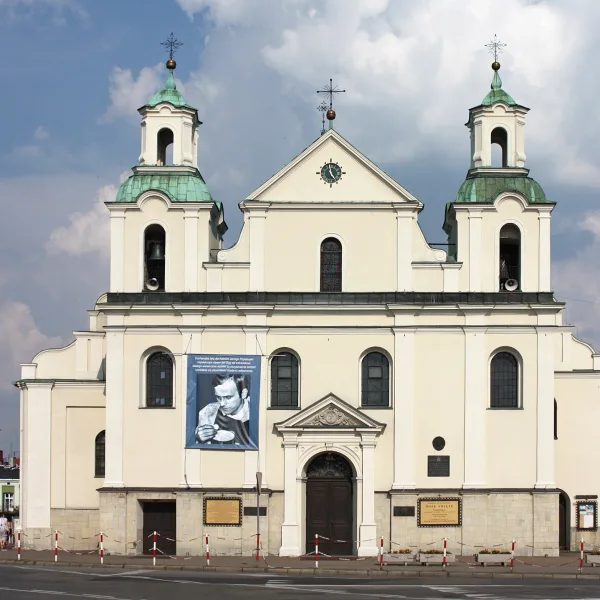
In Częstochowa the neo-Gothic Archcathedral of the Holy Family took from 1901 to 1927 to finish after plans by Konstanty Wojciechowski, and Jasna Góra became a historic monument in 1994. In Gliwice the Cathedral of Saints Peter and Paul of 1896-1900 has a tower 75.5 metres high. In Sosnowiec the brick cathedral hides an Art Nouveau polychrome by Włodzimierz Tetmajer and Henryk Uziembło, and in Zawiercie the neo-Gothic basilica of 1896-1903 has a two-tower facade.
The Gothic St Nicholas Cathedral in Bielsko-Biała gained its present look in 1909-1912 when Leopold Bauer remodelled it. Pilgrims know the neo-Romanesque basilica in Piekary Śląskie of 1849, the basilica in Katowice-Panewniki built of clinker brick and the Pauline monastery in Leśniów. The oldest building in this overview is the Romanesque rotunda in Cieszyn from the eleventh or twelfth century.
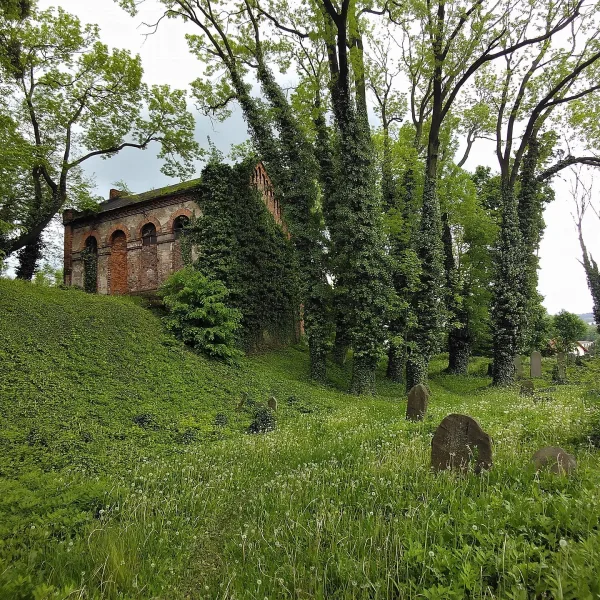
Pszczyna's former synagogue of 1835 lies a few steps from the market. The shape of the building recalls the days of the Jewish community, but a wartime conversion into a cinema changed its interior and facade, and worship no longer takes place there.
Where to look for industrial architecture?
Mining and metalworking shaped the region, and many of its industrial buildings now sit on the Route of Industrial Monuments of the Silesian Voivodeship. Many such sites have changed function and now serve as museums or viewpoints.
In Chorzów the Prezydent Shaft is 42.5 metres tall, made of reinforced concrete in the early 1930s, and works today as a lookout. In Szopienice the Rolling Mill - Museum of Zinc Metallurgy has kept its original technological line of 1904. In Zabrze the brick chain bathhouse of 1890 is part of the Queen Louise Adit. In Ruda Śląska the Ficinus colony is a set of sixteen sandstone houses for miners, put up between 1860 and 1867. In Tarnowskie Góry an underground route leads through the Silver Mine, listed by UNESCO, and the Sedlaczek House on the Market Square dates from the sixteenth century and was the seat of the starostas of the Bytom land. A modern approach to this heritage appears in the Silesian Museum, which is mostly underground.
Two places show how industry became culture. The Silver Mine joined the Tarnowskie Góry historic monument in 2004 and the UNESCO World Heritage List in July 2017; visitors travel part of the route by boat and can see steam engines in a skansen. The rolling mill in Szopienice has belonged to the Industrial Monuments Route since 2017, and its halls hold steam engines and a collection of motorcycles. The Sedlaczek House has housed a wine bar since the end of the eighteenth century, and a mining museum operates upstairs.
Which buildings surprise even connoisseurs?
Not everything interesting in architectural terms is a monument in the strict sense. The .KTW office buildings in Katowice-Koszutka are among the tallest office towers of the conurbation; their interiors are closed, but the block and the square can be seen from outside. The Gliwice Radio Tower has a 111-metre wooden antenna mast of 1935 and is a branch of the Gliwice Museum. The Chinese House in the castle park in Żywiec is an eight-sided pavilion built after 1750, and the Reksio monument in Bielsko-Biała is a bronze fountain of 2009.
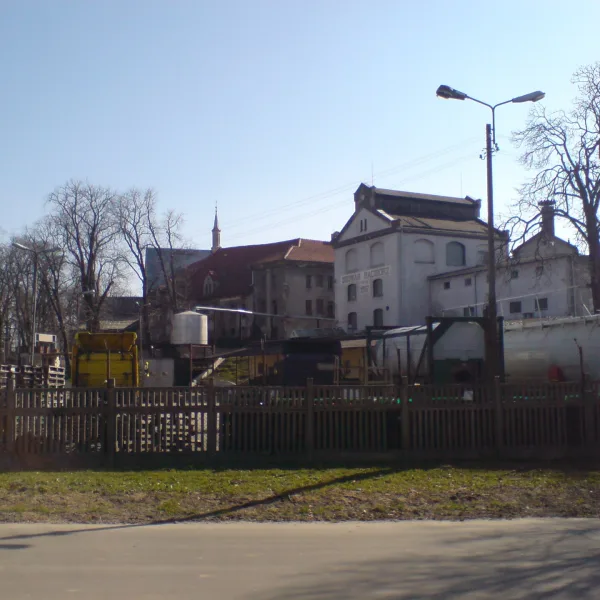
Add the Racibórz Brewery on the site of the former castle, the Pszczyna Village Farmstead with its wooden folk monuments and the concrete “Wędrowiec” bunker of 1939 in Węgierska Górka. It is one of four heavy bunkers at Węgierska Górka that shielded the southern frontier in September 1939, and today it is a listed monument housing a museum about that defence.
Which architectural styles will you meet in Silesia?
The earliest style is Romanesque: Cieszyn's rotunda goes back to the eleventh or twelfth century, and its circular plan makes it one of the oldest such buildings in the country. Gothic is represented by the castles of Casimir the Great and by St Nicholas in Bielsko-Biała, whose first church was built in 1443-1447. The Renaissance shows in Chudów, and the neo-Renaissance in Villa Caro in Gliwice.
In the nineteenth century neo-Romanesque and neo-Gothic brick churches became fashionable. The Panewniki basilica measures 76 metres in length, its front rises 28 metres, and each of its two towers reaches 48. Palaces and residences, such as the Pszczyna castle with its Mirror Hall and imperial apartment, show aristocratic taste; the park in Pszczyna covers 156 hectares. The twentieth century gave reinforced-concrete mine towers and the wooden radio tower, and the twenty-first modern buildings: the Silesian Museum opened in 2015, and the .KTW offices rose in the Culture Zone in Katowice.
Which city should you choose for architecture?
Katowice has the largest collection, but Bytom, Bielsko-Biała, Gliwice, Sosnowiec, Zabrze, Tarnowskie Góry and Częstochowa are just as interesting. Each has its own page: Bytom, Bielsko-Biała, Gliwice, Sosnowiec, Zabrze, Tarnowskie Góry and Częstochowa. In Bielsko-Biała you will see the cathedral and the Reksio monument, in Zabrze the mine buildings, and in Częstochowa the neo-Gothic archcathedral together with the monastery on Jasna Góra.
How to plan a visit to see more?
Group buildings by proximity. On one day combine the castle, the cathedral and the villa in Gliwice, on a second Szopienice with the Silesian Museum and the cathedral in Katowice, on a third the Jura with Ogrodzieniec, Bobolice and Mirów. In the rain choose museums housed in historic buildings, such as Villa Caro, the Piast Castle, the Silesian Museum or the rolling mill.
At churches remember the times of services, and at ruins wear sturdy shoes. Some sites, like the .KTW offices, can only be seen from outside.
Frequently asked questions
What architecture is worth seeing first in Silesia?
The Cathedral of Christ the King in Katowice, the Silesian Museum, the Piast Castle in Gliwice and Villa Caro. After that the castles of the Jura and the neo-Gothic cathedrals in Częstochowa and Sosnowiec.
Which castles of Silesia are best preserved?
Among the rebuilt ones are Bobolice Castle and Będzin Castle, and in Pszczyna the Hochberg residence has interiors that are about eighty percent original. Ogrodzieniec, Mirów and Olsztyn are permanent ruins.
May visitors go inside the .KTW towers?
No, they are office buildings and the interiors are closed to visitors. You can see the block and the square from outside.
Can you always visit churches?
Not always. They are active places of worship, so visits may be limited during services.
Will I see original interiors in Pszczyna?
Yes, in the Pszczyna castle about eighty percent of the furnishings are original. The visit includes the imperial apartment and the Mirror Hall.
Where to see industrial architecture?
In Chorzów, Szopienice, Zabrze, Ruda Śląska and Tarnowskie Góry, for example the Prezydent Shaft, the rolling mill and the Ficinus colony.
Which building in Silesia is the oldest?
In this overview the oldest is the Romanesque rotunda of St Nicholas on Castle Hill in Cieszyn from the eleventh or twelfth century. Its image appeared on the Polish twenty-zloty banknote.
Is there much wooden architecture in Silesia?
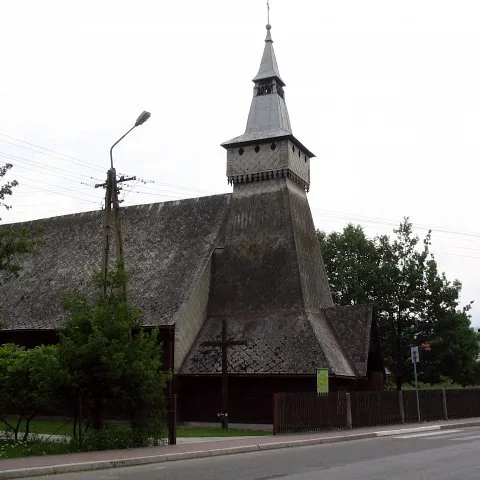
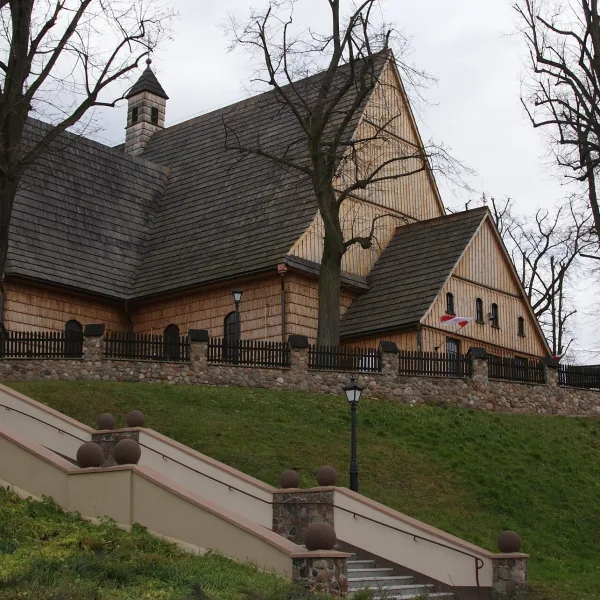
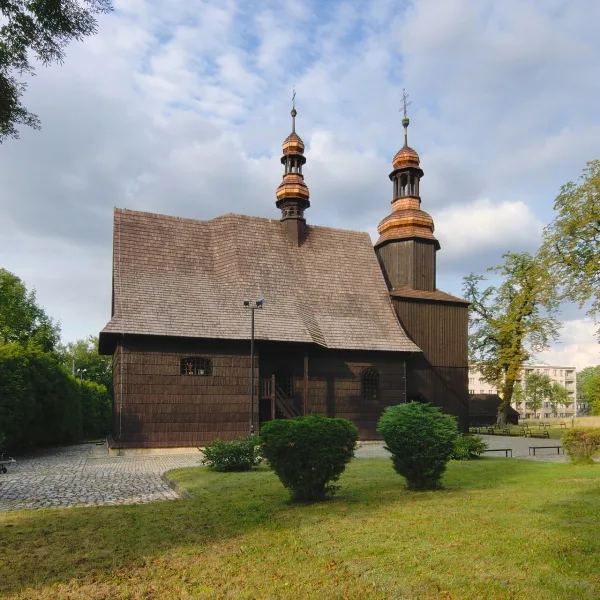
Yes, for example the Pszczyna Village Farmstead, a skansen with a dozen or so wooden buildings on a wooden-architecture trail, and the 111-metre timber mast of the Gliwice radio station.

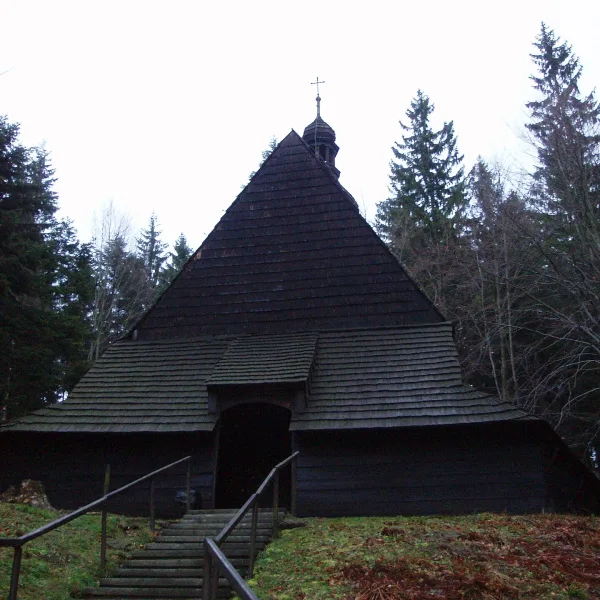 Churches and monasteries