Free things to do in Silesia: city parks, Beskid summits, lakes and nature reserves you can enter without a ticket, with tips on where to begin.
Silesia has a lot of greenery and water in places that once held mines and sand pits, so many walks need neither a ticket nor a booking. This overview of city parks, lakes, mountains, viewpoints and monuments covers the whole Silesian Voivodeship and is arranged so that you can plan a free day out.
Where in Silesia can you walk without a ticket?
The easiest place is a city park, because every larger town in the voivodeship has at least one historic or recreational park. In Katowice, Gliwice, Chorzów, Bytom and Sosnowiec this is a half-day outing, and in the mountains and by the lakes a whole day. Entry to the park grounds, the trail or the lakeshore is free here, but the fees for parking, cable cars and individual attractions inside parks are set by their operators.
Which city parks can you visit for free?
Parks are the best choice for a shorter trip: they are easy to reach, and each has a different character. Here is a selection by town.
Katowice
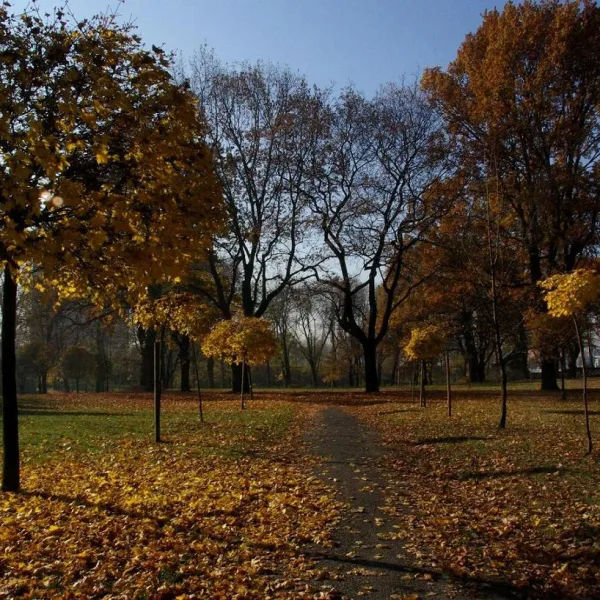
The Katowice Forest Park covers more ground than any other managed green space in Katowice and includes the Three Ponds Valley and a four-kilometre track for roller skaters. Tadeusz Kościuszko Park in Brynów occupies roughly 51 hectares and dates from 1888; on its grounds stand a wooden church from five centuries ago and a former parachute tower. Zadole Park in Ligota covers 7.76 hectares and has a skate track, an amphitheatre and a brine graduation tower. More on the page Free: Katowice.
Gliwice, Chorzów, Bytom and Sosnowiec
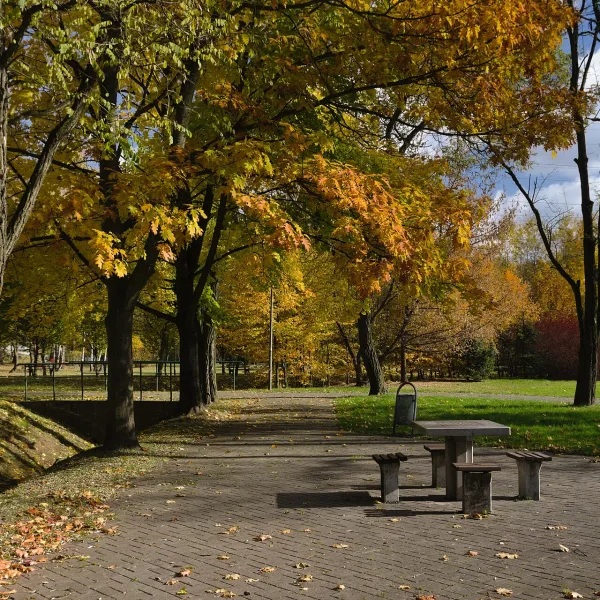
In Gliwice Bolesław Chrobry Park of 1913-1915 covers about ten hectares, while Fryderyk Chopin Park, laid out around 1880 by the Kłodnica river, has under six hectares and old trees, among them a natural monument. The vast Park of Culture and Recreation is a town forest of nearly 198 hectares, with a nature-education path and a salt-spray tower. More suggestions are on the page Free: Gliwice.
The Silesian Park in Chorzów covers about 535 hectares, was created from 1950 on post-mining land and is among the largest city parks in Europe; more about the town on Free: Chorzów. In Bytom Franciszek Kachel Park covers 43 hectares, is listed as a monument and was laid out around 1840, and in Sosnowiec Sielec Park by the Czarna Przemsza covers 20 hectares and adjoins the Sielec Castle. See also Free: Bytom and Free: Sosnowiec.
The Dąbrowa Basin, Żywiec, Żory and surroundings
In Dąbrowa Górnicza Zielona Park grew on the site of a former oak forest and covers 67 hectares, and in its eastern part lies Uroczysko Zielona with an educational trail of five stops. The castle park in Żywiec began as a formal garden in 1712 and was later reshaped into a landscape park. In Żory Cegielnia Park was set up on land left by a brick factory; it offers a rope park, a skatepark, a track for rollerbladers and a brine tower. In Wodzisław Śląski Trzy Wzgórza opened in 2015 on 24 hectares, and in Świerklaniec the palace park of the former Donnersmarck residence covers over 180 hectares today.
Which lake should you drive to?
Silesian lakes are largely former sand pits and dam reservoirs, and each has a different profile: recreational, scenic or natural. Before you go, check whether the place allows swimming and water sports.
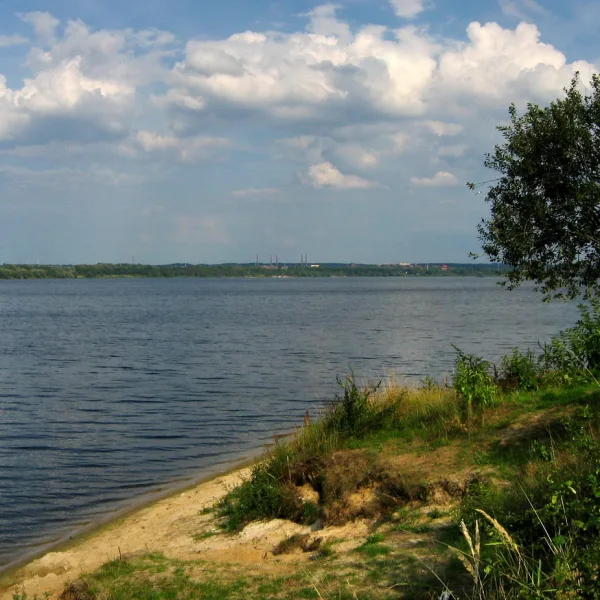
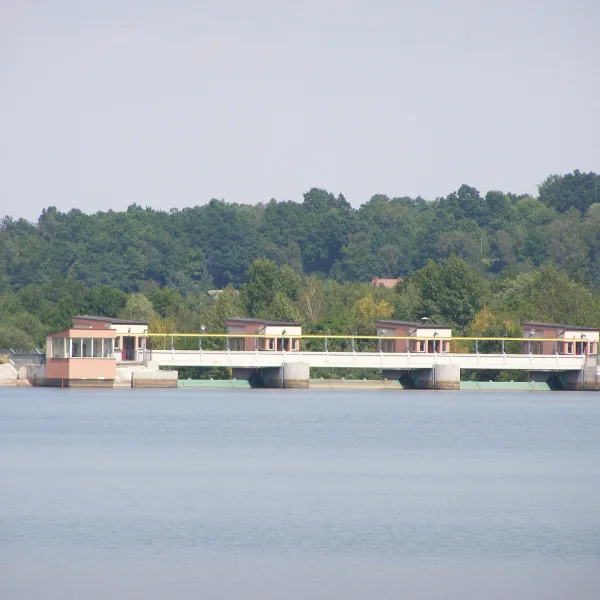
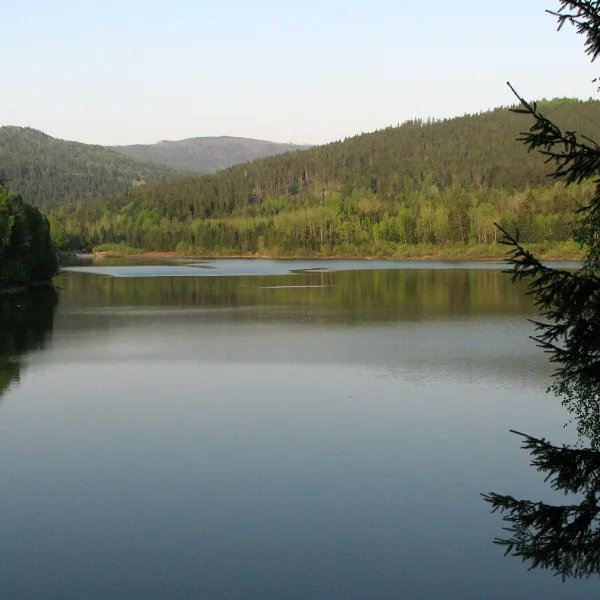
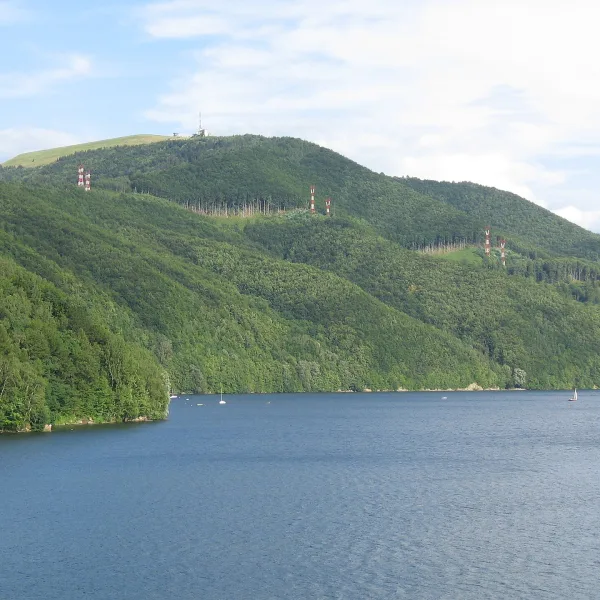
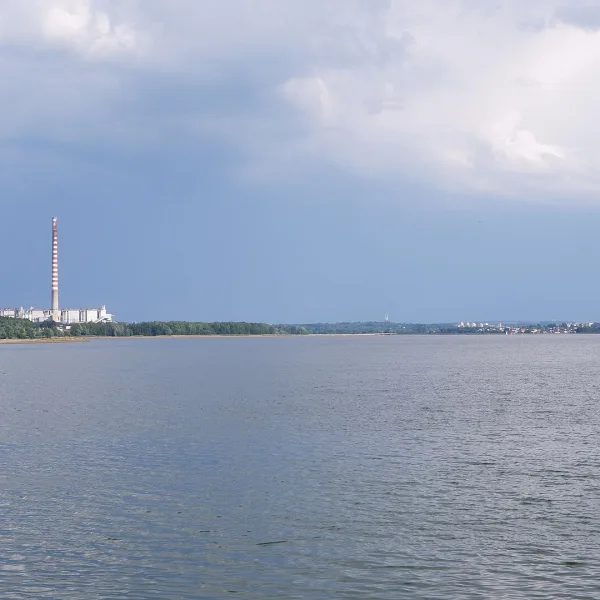
Lake Chechło-Nakło in the commune of Świerklaniec covers about 90 hectares and serves mainly recreation, with beaches and camping fields. Goczałkowice Reservoir covers up to 3,200 hectares, lies about five kilometres south of Pszczyna and serves above all the water supply. Lake Żywiec on the Soła was created in 1966 and is up to 6.6 kilometres long. In Dąbrowa Górnicza the Pogoria II reservoir is a former sand pit, now a place for walks and fishing with a colony of gulls. Dzierżno Duże stretches over 500 hectares between Gliwice and Pyskowice, and Lake Czaniec in Porąbka holds drinking water on 45 hectares and bans water sports.
Which summits and viewpoints should you visit?
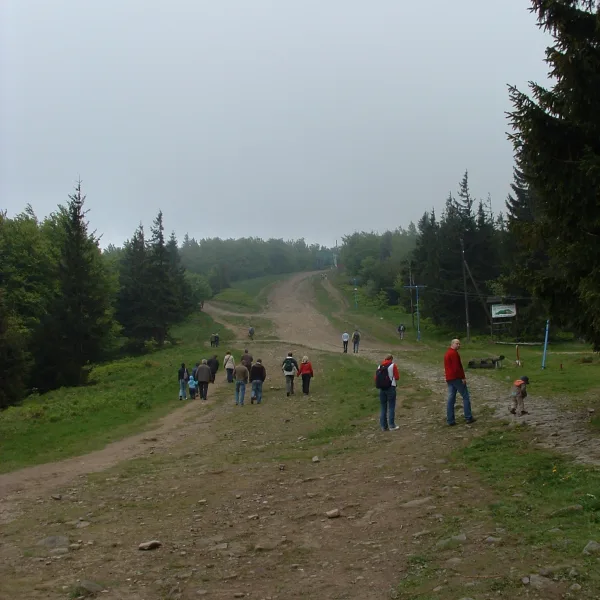
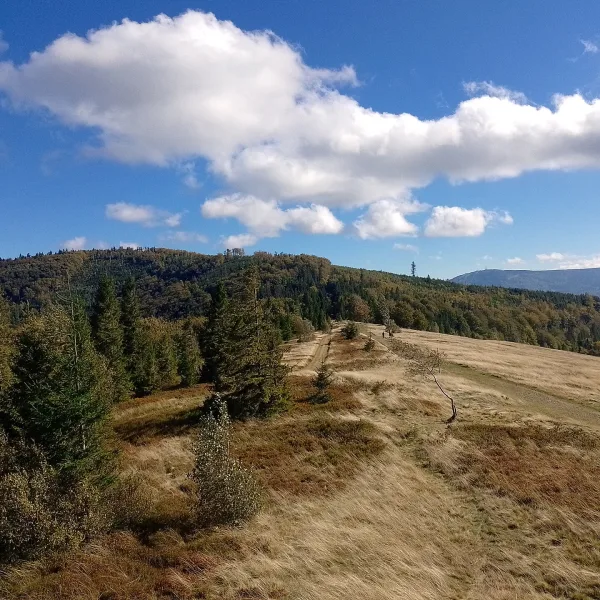
The Silesian and Żywiec Beskids offer views within a day's walk, and the trails are free to use. Summits often have PTTK hostels where you can eat, though that costs extra.
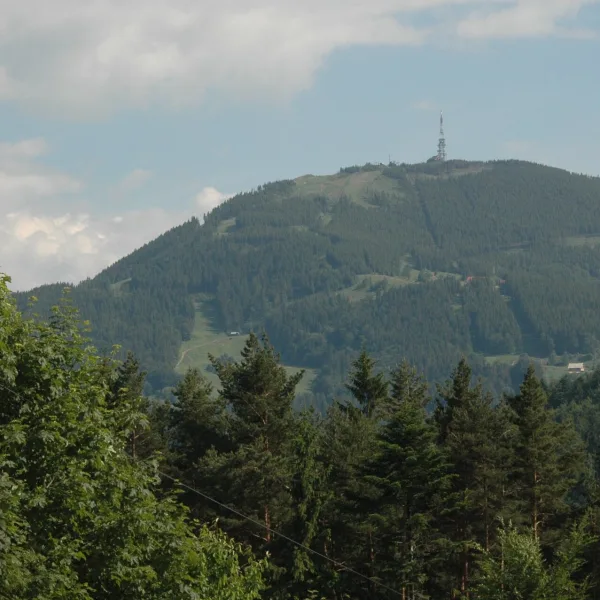
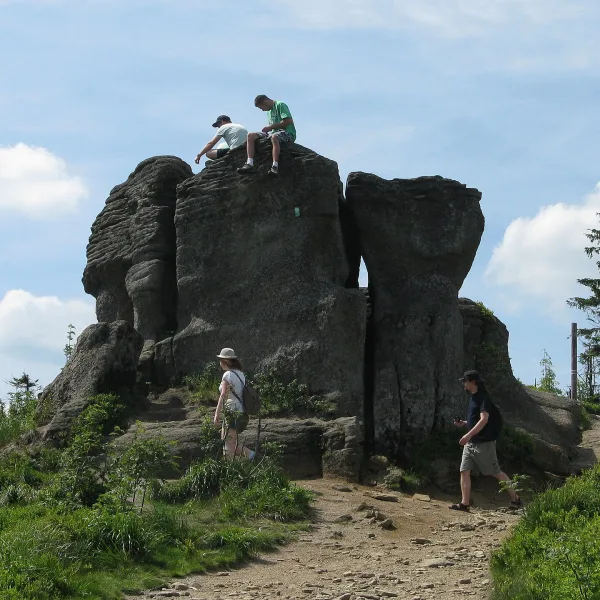
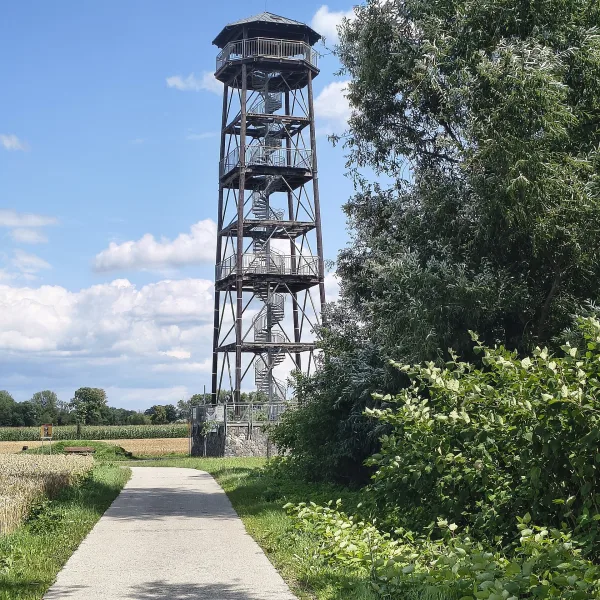
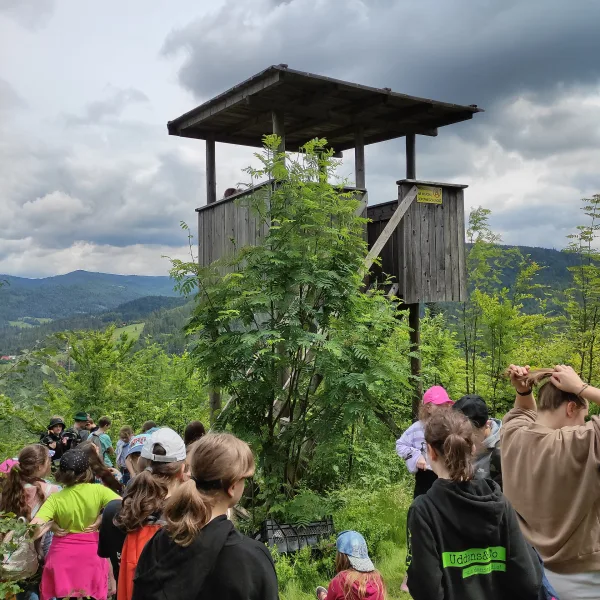
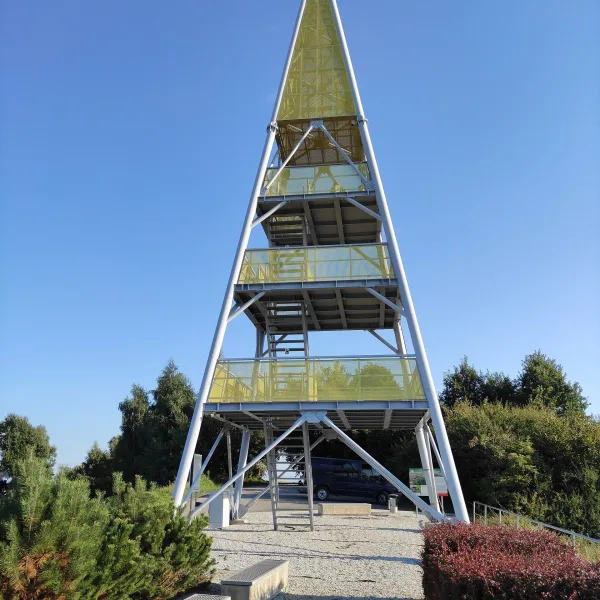
The highest summit of the Silesian Beskids, Skrzyczne (1,257 metres), rises above Szczyrk and has a chairlift. Barania Góra (1,215 metres) is topped by a lookout tower, and the Vistula begins on its slopes. Near Bielsko-Biała stand Klimczok (1,117 metres), Szyndzielnia with a gondola lift and an alpinarium, and Błatnia with a viewing mound and a panorama of Skrzyczne and Barania Góra. Rysianka (1,322 metres) is a junction of three ridges with a meadow and a PTTK hostel, and the Salmopol Pass is a trail junction at 934 metres. The rock outcrop Malinowska Skała can be seen beside the trail, and among the towers are the one on Stary Groń in Brenna (12 metres) and the one in Chałupki above the Oder meanders, right by the Czech border.
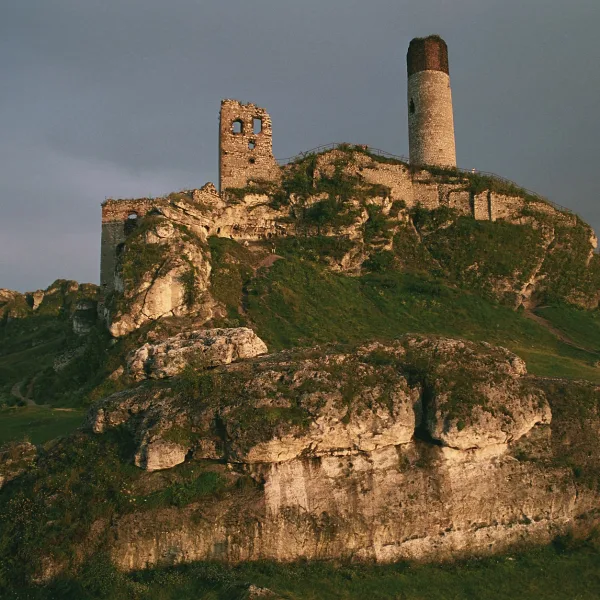
On the Jura, Góra Zborów (467 metres) is both a reserve and a place for climbers, and the Eagles' Nests Trail follows a red waymark for 163.9 kilometres between Kraków and Częstochowa.
Where to see nature and post-industrial landscape?
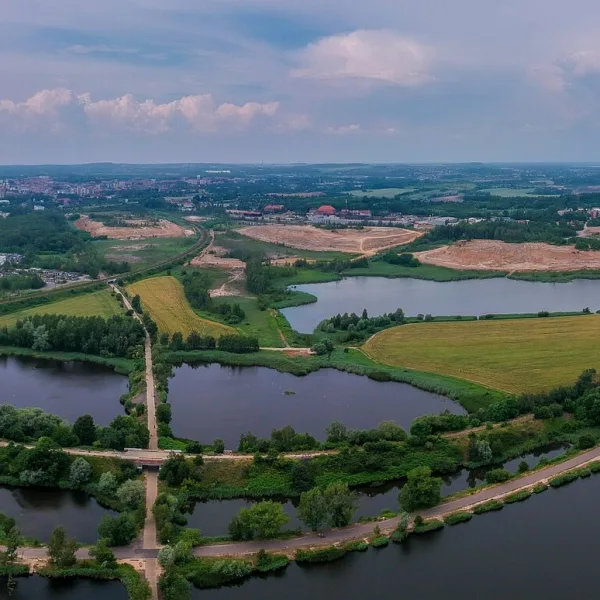
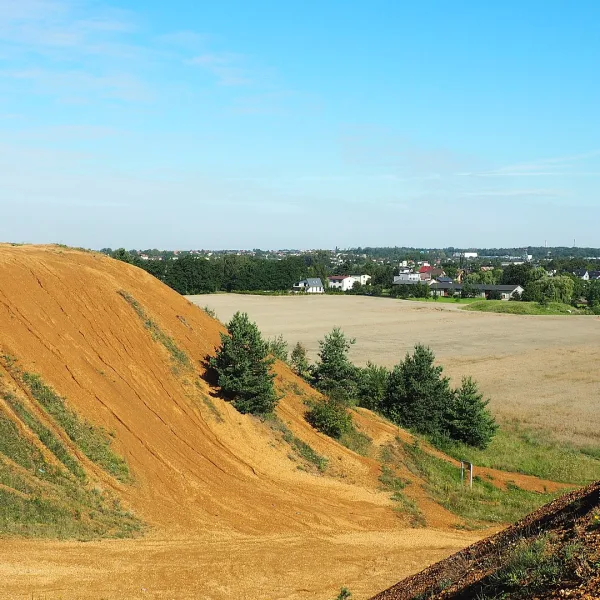
Post-industrial nature is a chapter of its own in the region. The Łężczok nature reserve near Racibórz spreads over 477.38 hectares with eight ponds, and over half of the bird species recorded in Poland are found inside it. Żabie Doły on the border of Bytom, Chorzów and Piekary Śląskie is a 226.2-hectare area shaped by old ore-processing ponds and mining subsidence. In Tarnowskie Góry the washing plant spoil heap, made of waste from ore washing, has been part of the UNESCO-listed sites since 2017. See also Free: Tarnowskie Góry.
Which monuments and places of remembrance can you visit for free?
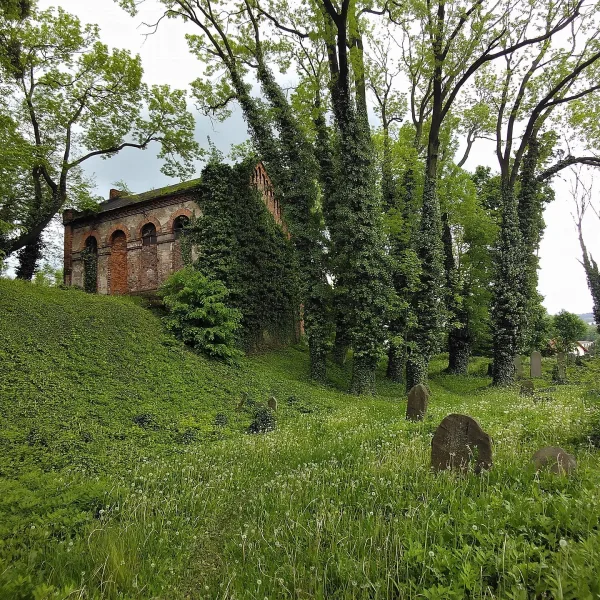
The free places also include monuments, sculptures and cemeteries, which are visited in silence and with respect. Cemeteries are active places of burial or commemoration, so appropriate behaviour is expected, and photos and walks should not disturb other visitors.
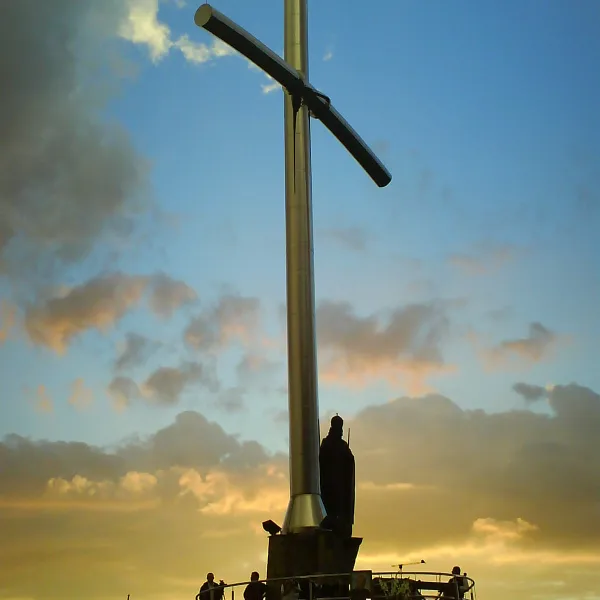
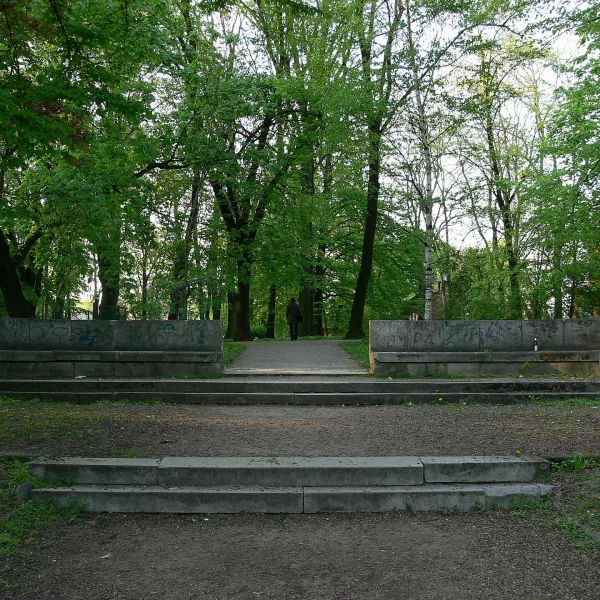
Of the 1926 monument to those killed in the First World War, Racibórz kept only the side balustrades with benches, and a park path now crosses the former cemetery. The Golgota of the Beskids in Radziechowy is a Way of the Cross up Matyska hill with a steel Millennium Cross. In the centre of Bielsko-Biała stands the bronze Bolek and Lolek monument of 2011, and at the entrance to the Chorzów zoo the stone gate with a cast-iron lion, moved from the palace in Świerklaniec.
What should you know about the biggest parks and summits?
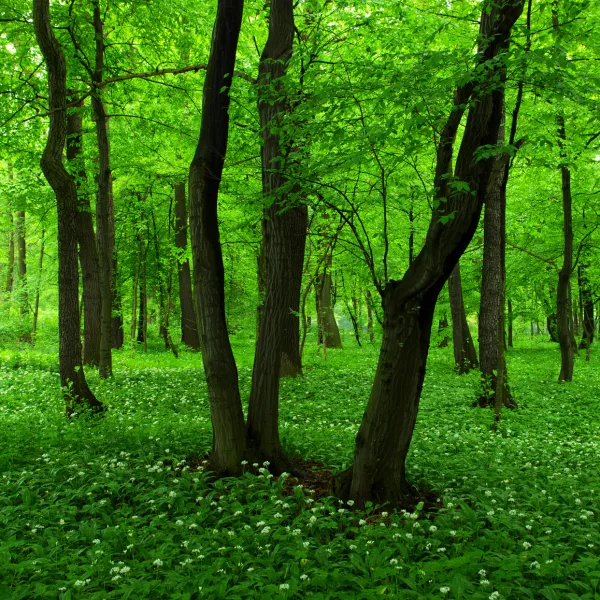
A few places have such large grounds that it helps to know their layout before you set out. The Silesian Park in Chorzów contains the Silesian Zoological Garden and the Silesian Planetarium, so you can spend a whole day there. The Katowice Forest Park stretches along the Leśny Stream valley, and its oak, birch and pine include many trees that are remnants of the old Silesian Forest.
In Bytom the Kachel park has two ponds, and in Sosnowiec the river divides Sielec Park into an old part of 10.4 hectares and a new part of 9.84. Zielona Park in Dąbrowa Górnicza goes back to the road to Łagisza of 1932, which linked the former oak forest with the city centre.
Up in the hills, Szyndzielnia offers an old PTTK hostel, an alpine garden and a lookout tower. Lake Czaniec is a drinking-water reservoir for, among others, Katowice, Tychy and Bielsko-Biała. Góra Zborów consists of Jurassic limestone that water has hollowed into rock towers and caves. The reserve is close to Podlesice. Łężczok has had reserve status since 1957.
Which city should you start from?
Katowice has the most places, but you can also visit Sosnowiec, Gliwice, Tarnowskie Góry, Bielsko-Biała, Chorzów, Racibórz and Bytom for free. Separate pages: Bielsko-Biała and Racibórz. In Racibórz, besides the Łężczok reserve, you will find the monument in the City of Roth Park, and in Bielsko-Biała monuments to fairy-tale characters and the way up to the Beskid summits.
How to plan a day without tickets?
Combine two or three places close together: a trail or summit in the morning, a park or lake in the afternoon. Take water, comfortable shoes and spare time for the way back, and at ruins and on trails check the condition of the ground.
On a rainy day choose shorter walks in a park, on a fine day summits and viewpoints. The Salmopol Pass has a car park, an inn and a ski lift, so it can be busy in winter.
Frequently asked questions
Which free places are worth seeing in Silesia?
Start with the Silesian Park in Chorzów, the Katowice Forest Park, the Three Ponds Valley, Goczałkowice Reservoir and Beskid summits such as Skrzyczne and Barania Góra.
Are all of these places completely free?
Entry to the park grounds, the trail or the waterside is free. Fees may apply to car parks, cable cars, hostels and individual facilities in parks, so check before you go.
Where can you get views for free?
From the towers in Brenna and Chałupki, from the summits of Barania Góra, Klimczok and Błatnia, and from Malinowska Skała by the trail.
Which places suit families?
The Silesian Park in Chorzów, Trzy Wzgórza in Wodzisław Śląski, Cegielnia Park in Żory and Zadole Park in Katowice with its track and amphitheatre.
Can you watch birds in the Łężczok reserve?
Yes, over half of Poland's bird species live in the reserve. Keep quiet and follow the rules that apply in the reserve.
Where can you see a post-industrial landscape for free?
In Żabie Doły on the border of Bytom, Chorzów and Piekary Śląskie, on the washing plant spoil heap in Tarnowskie Góry and in the Silesian Park, which was created on post-mining land. The Pogoria II and Chechło-Nakło reservoirs also lie in former sand pits.
Which lakes suit a quiet walk?
Pogoria II in Dąbrowa Górnicza, Lake Żywiec and Lake Czaniec in Porąbka. The last has a ban on water sports and fishing, so it is calmer than recreational reservoirs.
How can I reach Skrzyczne without taking the lift?
Trails lead to the summit from town, and the chairlift is only one option. Just below the top stands a PTTK hostel, and on the summit itself a radio and television transmitter mast.

 Parks and nature