
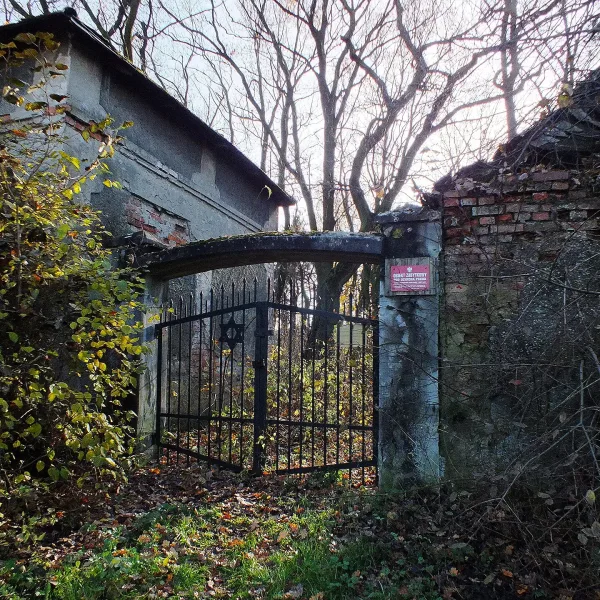
Jewish Cemetery in Mstów
Mstów
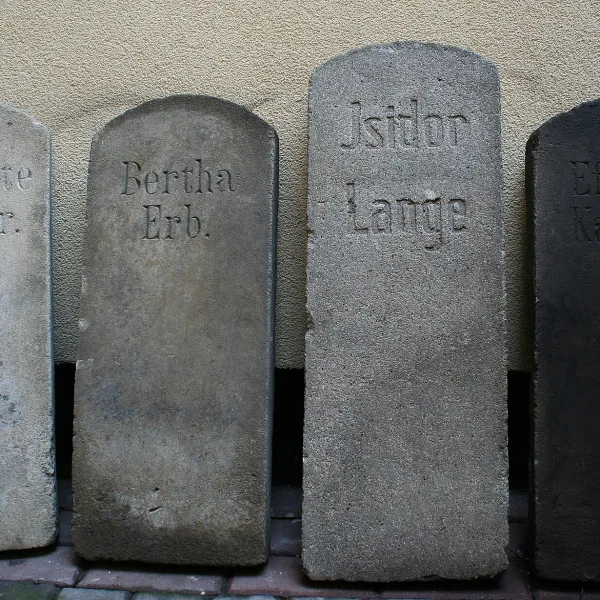
disused 19th-century Jewish cemetery with a few surviving gravestones
disused 19th-century Jewish cemetery with a few surviving gravestones
 Cemeteries and monuments
site of a Jewish cemetery from 1815-1931, destroyed in 1940, now a green square
Jewish cemetery from 1905, now part of the municipal cemetery, with a few obelisks
 Cemeteries and monuments
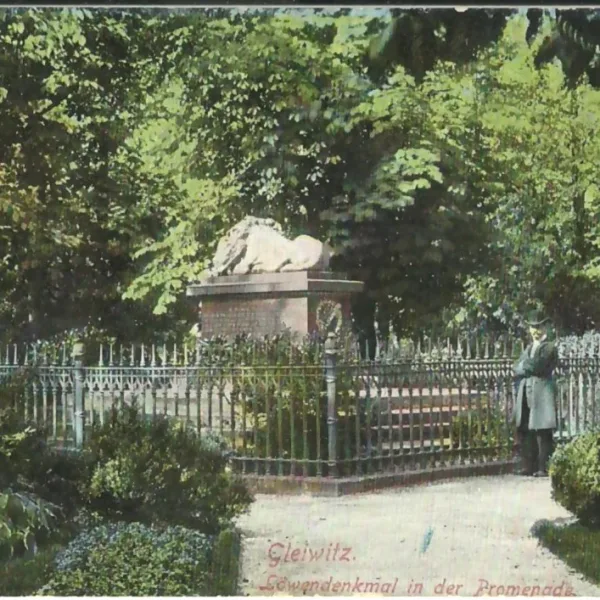
copy of the cast-iron lion from the 1849 monument to victims of the Napoleonic wars
 Cemeteries and monuments
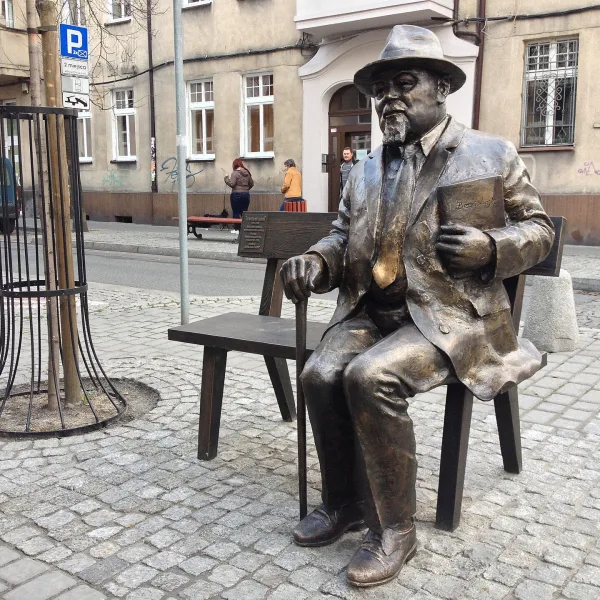
bronze bench of the writer and radio director at the broadcaster's headquarters
disused Jewish cemetery with a few matzevot and the gravestone of the local dayan
 Cemeteries and monuments
sculpture of a family with a child held aloft, covered with a recreated ceramic mosaic
 Cemeteries and monuments
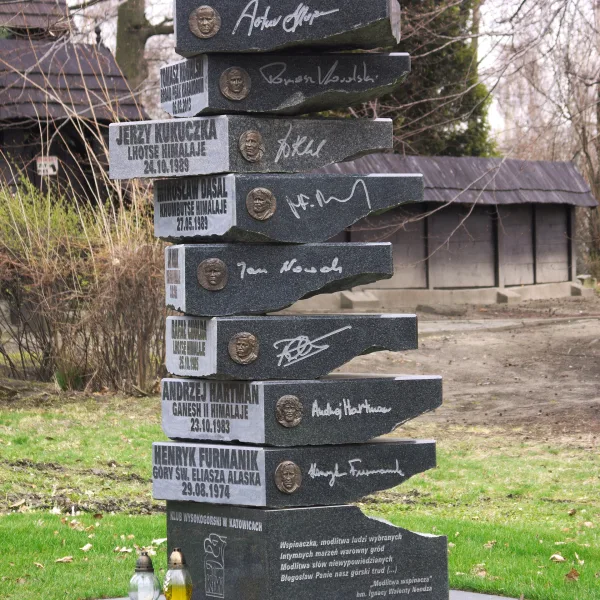
obelisk in Kościuszko Park in memory of eight deceased mountaineers from Katowice
 Cemeteries and monuments
bronze reconstruction of the monument to the Prussian creator of Upper Silesian industry in Hutników Square
 Cemeteries and monuments
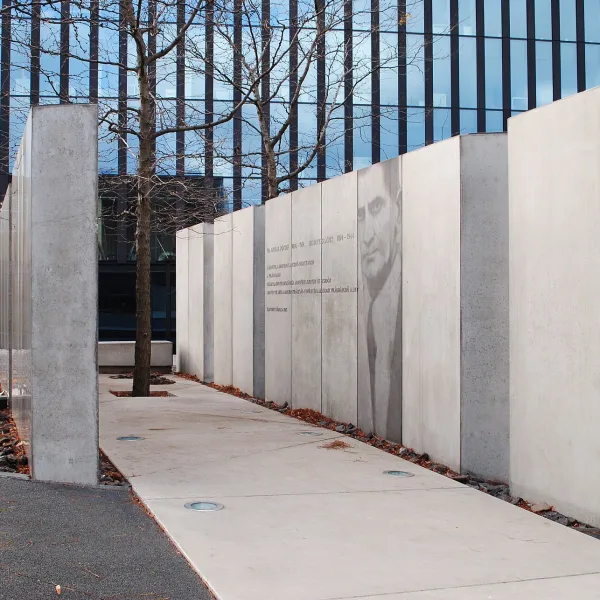
steel monument to two rescuers of Polish Jews, with inscriptions in Polish and Hungarian
 Cemeteries and monuments
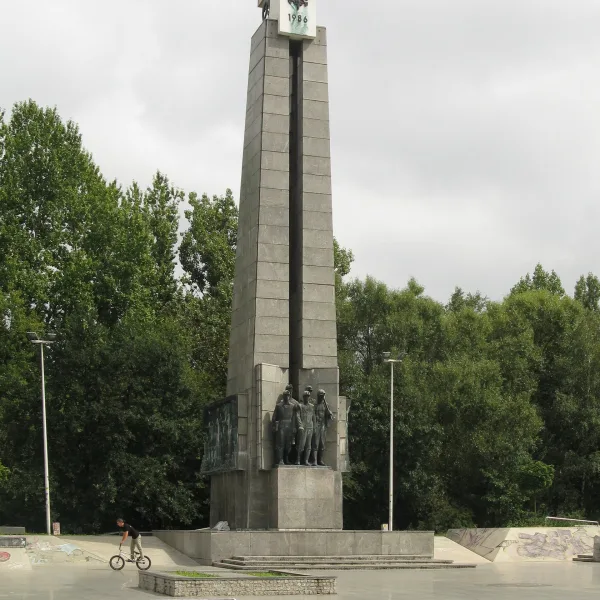
reinforced concrete monument of 1986 with bas-reliefs, today above a city skatepark
parish cemetery of the Polish Catholic Church founded in 1962 next to the pro-cathedral
 Cemeteries and monuments
cemetery of soldiers from 1921-1945 with monuments to victims of the Katyn massacre and Home Army soldiers
 Cemeteries and monuments
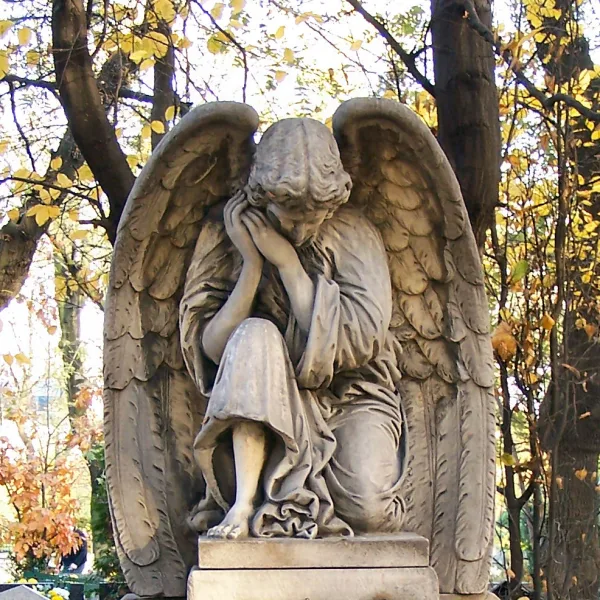
an 18th-century Jewish cemetery in Kromołów with about 920 matzevot bearing inscriptions in three languages
 Cemeteries and monuments
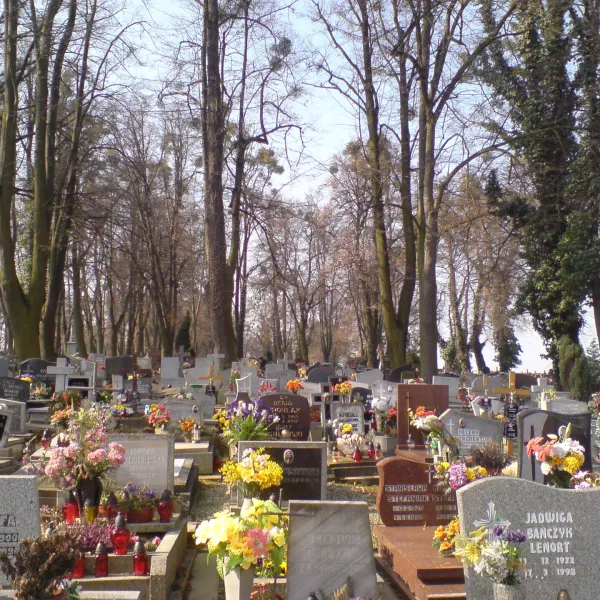
an active Evangelical cemetery from 1884, with the graves of a rector, engineering pioneers and writers
 Cemeteries and monuments
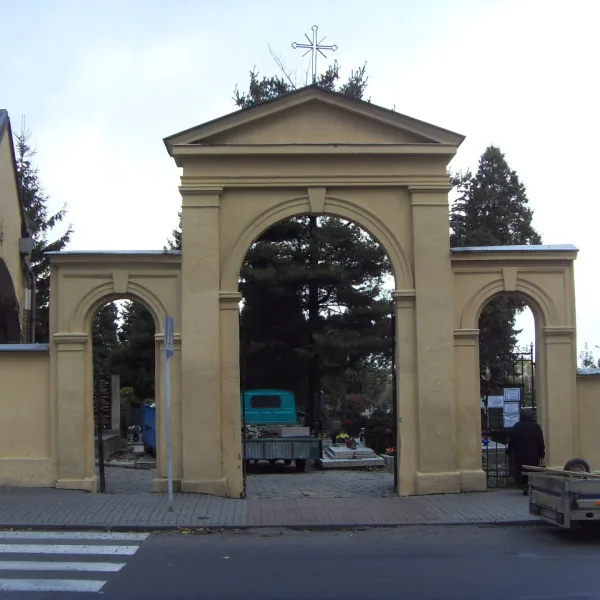
the largest necropolis in Racibórz, from 1894, with pre-war gravestones and a chapel by the gate
 Cemeteries and monuments
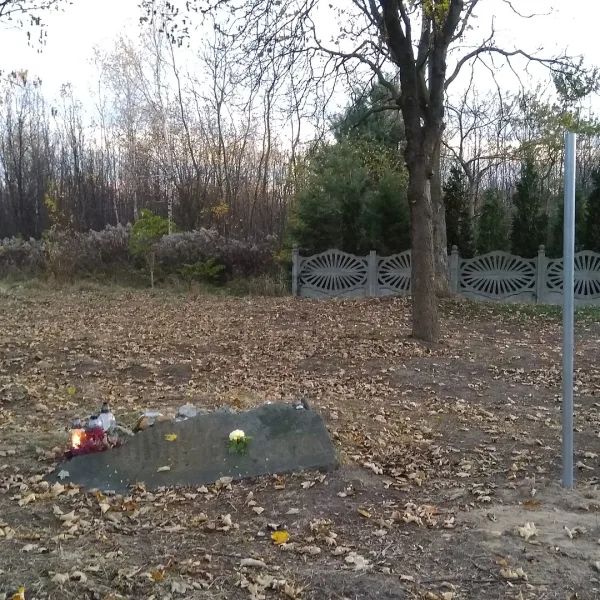
parish necropolis from 1884 with a monument to legionnaires killed in the First World War
 Cemeteries and monuments
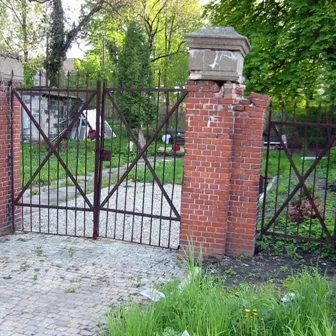
unfenced Jewish cemetery from the first half of the 19th century, with one surviving matzevah
 Cemeteries and monuments
disused Jewish cemetery from 1814 with old trees and fragments of gravestones
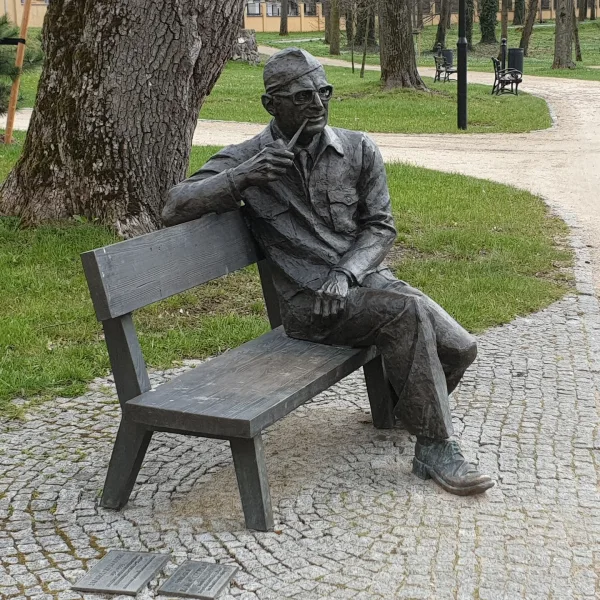 Cemeteries and monuments
bench sculpture of a composer with a pipe and sheet music in the palace courtyard, the seat of the Śląsk ensemble
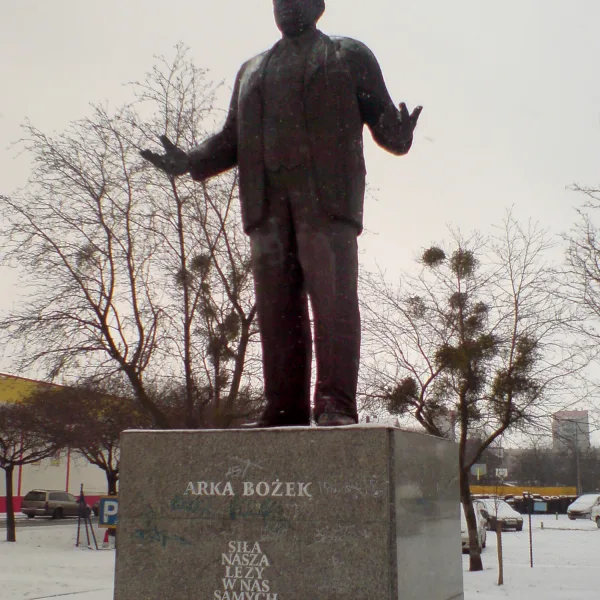 Cemeteries and monuments
bronze monument from 1980 to a Polish diaspora activist and Silesian deputy voivode
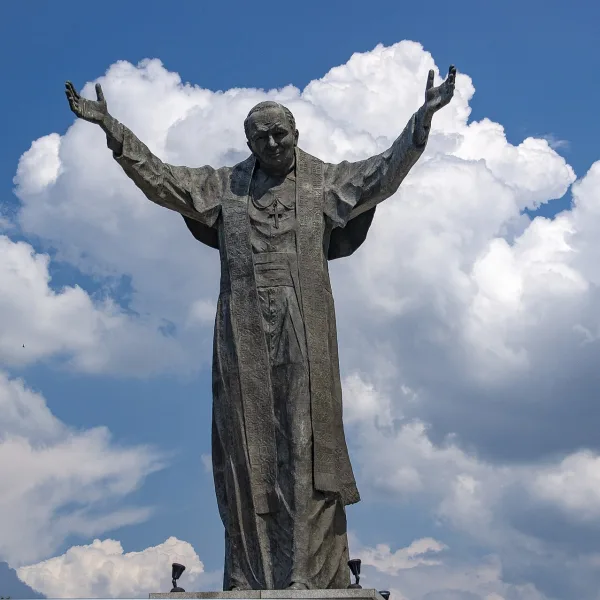 Cemeteries and monuments
cast-iron monument to the pope from 2006 in Papal Square, commemorating the 1999 pilgrimage
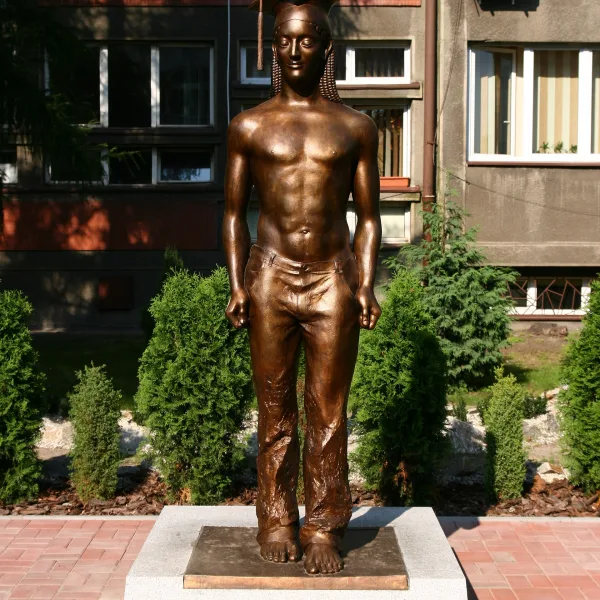 Cemeteries and monuments
bronze youth in a student cap, a reference to the Greek kouros, in front of the university rectorate
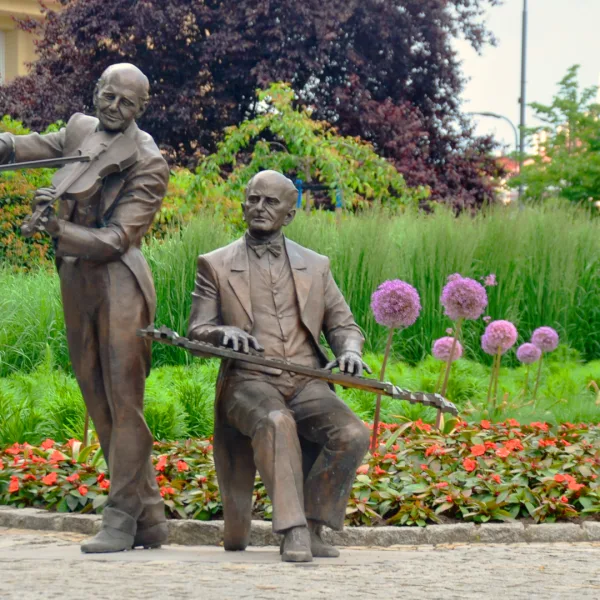 Cemeteries and monuments
monument from 2018 by the station honouring the founders of the Rybnik music school
Cemeteries and monuments in Silesia: historic necropolises, Jewish cemeteries and statues, from Cieszyn to Częstochowa. Hundreds of quiet places to visit.
This is an overview of cemeteries, Jewish burial grounds, sculptures and monuments across the Silesian Voivodeship. Besides old Catholic, Protestant and municipal necropolises you will find Jewish cemeteries, war graves, memorial benches of well-known figures and statues that locals use as meeting points. Some sites are still active, so the rules of an ordinary cemetery apply there.
The oldest in this selection is the Old Jewish Cemetery in Cieszyn, founded in 1647. Among Catholic cemeteries the longest-standing is St Roch's Cemetery in Częstochowa, in use since 1641, with a small Baroque church and plots of insurgents and war victims. Further on come nineteenth-century necropolises: municipal, parish and multi-faith.
In Cieszyn, besides the Jewish cemetery, lies the Municipal Cemetery on Katowicka street, the town's largest, opened in 1891 and listed as a protected monument. It covers 6.94 hectares and has a Tomb of the Meritorious and war plots. In Częstochowa, on a small hill north of the centre, the Kule Cemetery was founded in 1882, with burial chapels and war plots. Both are active, so a visit means a quiet walk along the paths.
In Bytom the Mater Dolorosa Cemetery on Piekarska street, founded in 1868, has a neo-Gothic chapel, burial chapels and gravestones of notable citizens of Bytom. Katowice has the cemetery on Sienkiewicza street from 1911. Its modernist chapel stands near the graves of the composers Wojciech Kilar and Henryk Mikołaj Górecki. Other places in the city are on Cemeteries and monuments: Katowice, and those in the centre on Cemeteries and monuments: Śródmieście.
In each of these three towns the necropolises lie close enough to visit in a single afternoon. Cieszyn has two sites from different eras: a Jewish burial ground from 1647 and the municipal cemetery from 1891, which replaced an older one beside the church of St George, founded in 1884. That way a single town shows two chapters in the history of burial.
In Bielsko-Biała, beside the Jewish cemetery in Aleksandrowice, lies the town's largest necropolis: the Municipal Cemetery in Kamienica, with about twenty thousand graves. Częstochowa offers three places. At Kule there are about a thousand gravestones from before 1939, at St Roch's stands a small Baroque church, and the Jewish cemetery on Złota street in the Dąbie district neighbours the steelworks area.
Gliwice has four places that are easy to join into one outing: three necropolises and a lion in front of Villa Caro. They are collected at Cemeteries and monuments: Gliwice.
The Ironworkers' Cemetery on Robotnicza street in the Politechnika district was founded in 1808 beside the Royal Iron Foundry. It is a small multi-faith necropolis that an association has been restoring since 2002. In Zatorze lies the Lipowy Cemetery from 1885, about 6 hectares, with war plots and a grave of 56 children. The largest is the Central Municipal Cemetery on Kozielska street, built in 1920-1927 on the plan of a Latin cross, with graves of victims of the death march. In the centre, in front of Villa Caro, stands the cast-iron Watching Lion, cast in 1824 at the Gliwice foundry to a design by Theodor Kalide.
This selection includes more than twenty Jewish cemeteries. Some are active and still serve the Jewish community, others are closed and preserved as monuments. All of them are places of remembrance, so a visit calls for quiet and respect.
Active cemeteries are in Katowice, Bytom and Bielsko-Biała. The Jewish Cemetery in Katowice on Kozielska street opened in 1869, has about 1,400 gravestones and a Holocaust memorial. The Jewish Cemetery in Bytom, from 1866, has a pre-burial house and a Wall of Memory made of matzevot. The Jewish Cemetery in Bielsko-Biała, founded in 1849 in Aleksandrowice, has a pre-burial house with polychrome paintings.
Zagłębie and Częstochowa have large burial grounds. The Jewish Cemetery in Częstochowa covers about 8.5 hectares and is one of the largest in Poland, with mass graves from 1943. The Jewish Cemetery in Czeladź was a shared necropolis of the Jewish communities of Czeladź and Będzin and has kept about 3,200 gravestones and fragments. In Będzin, on the slope of the Castle Hill, the New Jewish Cemetery is the only one of three Będzin cemeteries to survive, with about 250 intact matzevot. The kirkut in Zawiercie has about two hundred gravestones and a pre-burial house.
In the south of the region the best preserved are the cemetery in Pszczyna, from 1814, with a neo-Gothic pre-burial house; the cemetery in Żywiec, with nineteenth-century matzevot, restored in 2018-2020; and the cemetery in Żory, the oldest necropolis of the town. In Krzepice the cemetery is known for about four hundred cast-iron matzevot. Smaller forest or field cemeteries are Cieszowa, Wielowieś and Janów, the last from the late eighteenth century. It is a separate village, not the Katowice district of Janów-Nikiszowiec. Further historic necropolises await in Pyskowice, Tarnowskie Góry, with about 450 matzevot, and Zabrze, with about 500 gravestones.
The history of these places is covered by two articles in Polish: Cmentarze żydowskie Bielska-Białej i Cieszyna and Cmentarze żydowskie w Pszczynie, Żorach, Mikołowie, Rybniku i Raciborzu. A related theme is covered by the Memorial sites category.
War plots and mass graves are a separate group of sites, described factually in the article Cmentarze wojenne i mogiły zbiorowe w województwie śląskim (in Polish). In this overview they usually appear as parts of larger necropolises.
War plots are found at the Kule and St Roch's cemeteries in Częstochowa, the Municipal Cemetery in Cieszyn and the Lipowy Cemetery in Gliwice, where plots were set aside during the First World War. The Central Municipal Cemetery in Gliwice holds graves of victims of the death march, and the Municipal Cemetery in Bielsko-Biała, active since 1978 and the largest in the city, has monuments to war victims and deportees. In Racibórz, in City of Roth Park, balustrades with benches survive from the monument to the fallen of the First World War, designed in 1926 by the sculptor Hans Dammann. It stood on the site of a former Catholic-Protestant cemetery.
Monuments in Silesia are not only plaques and obelisks. A large group are sculptures in city space: cast-iron and bronze lions, Marian columns and benches where you can sit beside a hero.
Two lions share a designer. Besides the Gliwice Watching Lion, Theodor Kalide made the Sleeping Lion of 1873, a bronze sculpture on the Market Square in Bytom, entered in the register of movable monuments. In Racibórz the Marian Column stands in the middle of the Market Square, a late-Baroque sandstone column from 1725-1727, a votive offering for the end of a plague. On Wolności Square lies an erratic boulder weighing 42.5 tonnes, carried by a glacier, a natural monument since 1960.
Benches are scattered across several towns. In Częstochowa, on Aleja Najświętszej Maryi Panny, sit the poet Halina Poświatowska with a cat at her feet (unveiled in 2007) and the actor Marek Perepeczko (2014). In Dąbrowa Górnicza, on Wolności Square, is the Jimi Hendrix bench with a guitar, by Adam Szczepański. In Pszczyna, on the market square, stands Princess Daisy, that is Maria Teresa Olivia Hochberg von Pless, and in Żywiec Castle Park Alice Habsburg.
Children will like the Bolek and Lolek monument in the centre of Bielsko-Biała, a bronze sculpture from 2011 on Mostowa street next to the Sfera gallery. The two characters point at a globe with Bielsko-Biała marked on it. In Załęże, Katowice, at 107 Gliwicka street, there is a small bronze Cukerzołza, a figurine of a little girl with a cake and a wand from the series of Katowice bebok figures. Near Żywiec, in Radziechowy, the Golgota Beskidów is a Way of the Cross with sculptures by Prof. Czesław Dźwigaj, leading up Matyska hill to a steel Millennium Cross at the top.
Planning by town is easiest, because several centres have a few sites close together. Częstochowa offers Kule, St Roch's Cemetery, the Jewish cemetery on Złota street and two benches, all on Cemeteries and monuments: Częstochowa. For this trip it is worth reading Częstochowa bez pielgrzymki (in Polish).
Bielsko-Biała has the Bolek and Lolek monument, a municipal cemetery and a Jewish cemetery in Aleksandrowice, described on Cemeteries and monuments: Bielsko-Biała. Racibórz combines the Market Square column, the boulder on Wolności Square and the park with a monument to the fallen: Cemeteries and monuments: Racibórz. For Sosnowiec and Chorzów see Cemeteries and monuments: Sosnowiec and Cemeteries and monuments: Chorzów. If stories of people interest you, read Wojciech Korfanty: od Sadzawek do cmentarza przy Francuskiej (in Polish), and the Gliwice memorial house is covered by Dom przedpogrzebowy w Gliwicach i Dom Pamięci Żydów Górnośląskich. Churches and monasteries, which often stand next to necropolises, are in the Churches and monasteries category, and other historic buildings are gathered under Monuments.
Entry to historic cemeteries and monuments is free. Active cemeteries follow rules of decorum and order, and Jewish cemeteries add rules rooted in tradition, so check how to enter the grounds and when they are open before you go.
Of the places described here the oldest is the Old Jewish Cemetery in Cieszyn from 1647, and among Catholic cemeteries St Roch's Cemetery in Częstochowa, in use since 1641.
The Częstochowa cemetery on Złota street covers about 8.5 hectares and is among the largest in Poland. The one in Czeladź kept about 3,200 gravestones and fragments, and the one in Cieszyn more than 1,500 matzevot.
Three in the voivodeship: in Katowice, Bytom and Bielsko-Biała. The others are closed but preserved as monuments.
The Bolek and Lolek monument in Bielsko-Biała is a good start, and in Katowice you can look for the Cukerzołza figurine. Older children may enjoy Kalide's lions in Gliwice and Bytom.