Solo travel in Silesia: museums, castles, mines, trails and lakes that are easy to explore alone, at your own pace and without a full-day plan.
A trip on your own has its own rules: nobody waits at the entrance, and you decide when to stop for coffee. The places below come from across the Silesian Voivodeship, from Katowice and Gliwice to the Żywiec Beskids and the Jura, with a note on what is worth seeing in each.
Where should a solo trip around Silesia begin?
The easiest start is Katowice. In one day you can see exhibitions in a former mine, a tenement house with the history of the city and a monumental cathedral, all of them well linked by city transport. Only then is it worth heading further, to Gliwice, Zabrze or Bielsko-Biała.
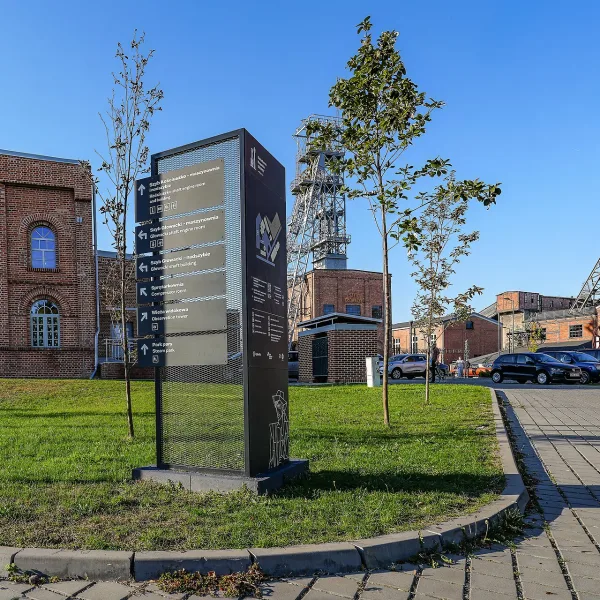
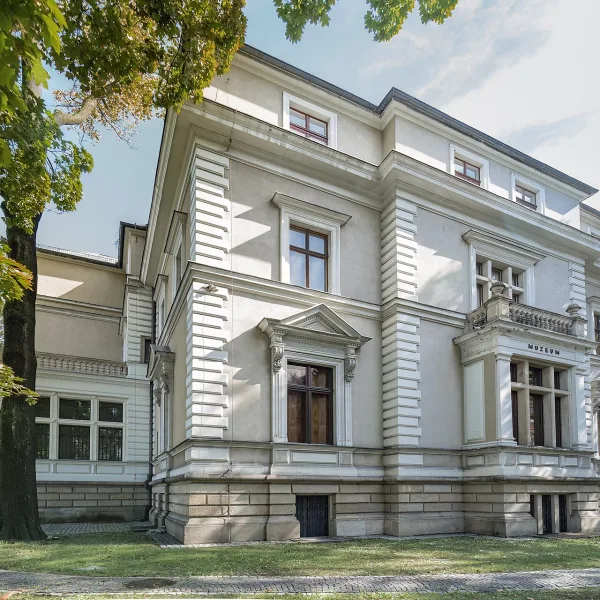
The Silesian Museum was built where the Katowice colliery once operated, in the Bogucice district, and most of it lies below ground. Permanent displays cover Polish painting, church art and the past of Upper Silesia. The Katowice History Museum occupies a tenement house of 1910 on ulica Księdza Józefa Szafranka and tells the story of the city, while the Cathedral of Christ the King on ulica Plebiscytowa has a crypt, a pantheon and a viewing terrace. The full selection is on the page Katowice solo.
Which museums are good to visit alone?
The best are those where you can linger at a chosen display case without hurry: themed museums with one clear story. Silesia has plenty, and most work well on a rainy day.
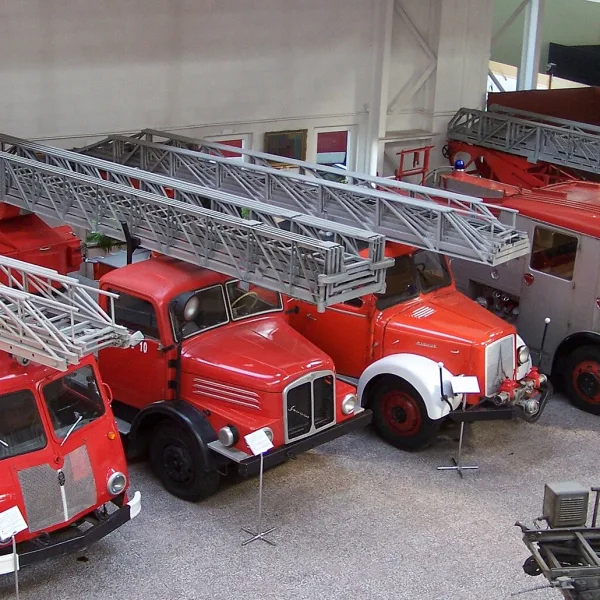
The Central Fire Service Museum in Mysłowice opened its doors in 1975. Its collection numbers over four thousand exhibits, among them a horse-drawn fire pump of 1717. The Żywiec Brewery Museum occupies cellars cut into the rock and offers eighteen exhibition rooms, while the Żywiec Municipal Museum housed in the Old Castle, covers the town's past, highlander traditions of the Żywiec area and religious art. In Ruda Śląska the Museum of the History of the Polish People's Republic brings back daily life between 1945 and 1989 with furnished flats, a cinema and an open-air park of monuments. More in Ruda Śląska solo.
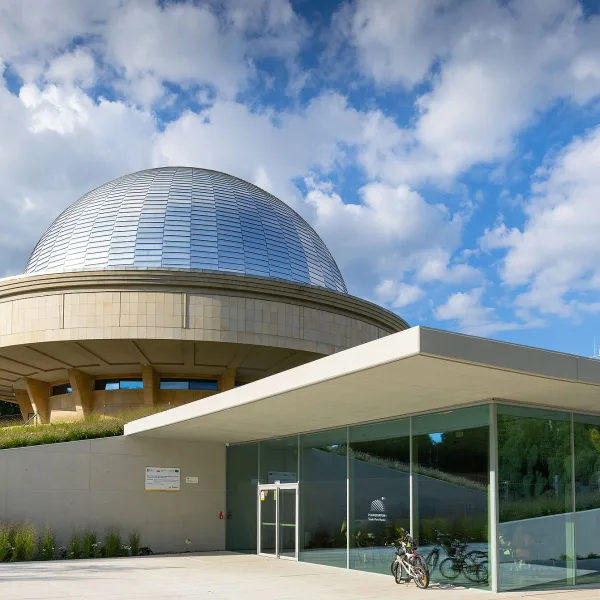
If you prefer science to history, head for the Silesian Planetarium in the Silesian Park in Chorzów. Displays on the stars, earthquakes and the weather were added there in 2022.
Where to go underground and among machines?
Industrial sites suit a single visitor: the routes are led by guides or follow marked paths, and the group, not you, sets the pace.
The Guido Mine in Zabrze lets you descend to two underground levels, 170 and 320 metres down. Zabrze has its own page, Zabrze solo. In Tarnowskie Góry the Royal Fryderyk Mine, a former lead and silver mine of 1784-1912, is partly open to visitors and listed by UNESCO; more places are on the page Tarnowskie Góry solo. In Rybnik the “Ignacy” Historic Mine, opened to visitors in 1999, has steam engines, a viewing tower and a science centre.
More stops wait on the surface. Chorzów's Prezydent Shaft is a concrete winding tower raised in the early 1930s, with a platform for visitors. The narrow-gauge railway station in Rudy has an engine shed, a steam locomotive and rides. The Szombierki Combined Heat and Power Plant in Bytom is a historic complex of the former power station of 1920, but it is not open for regular visits, so you see it from outside. In Bytom also open the page Bytom solo.
Which castles and ruins suit a day trip?
The best plan is one castle a day and a stretch of the Eagles' Nests Trail. Castles differ, from rebuilt ones to permanent ruins, so check before leaving what condition the one you are heading for is in.
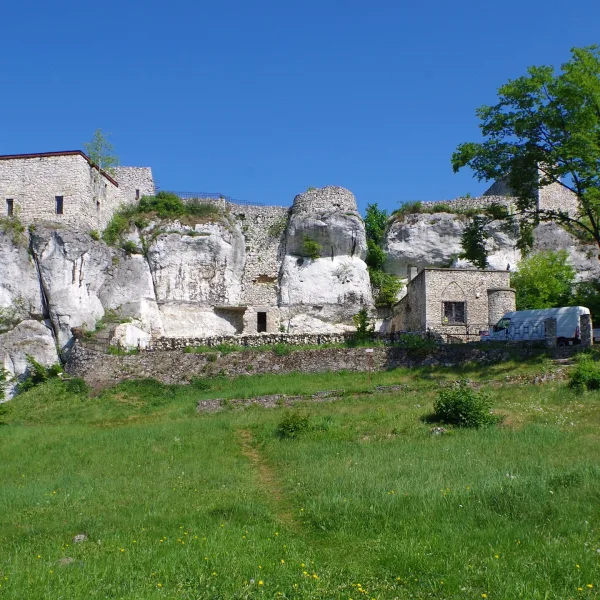
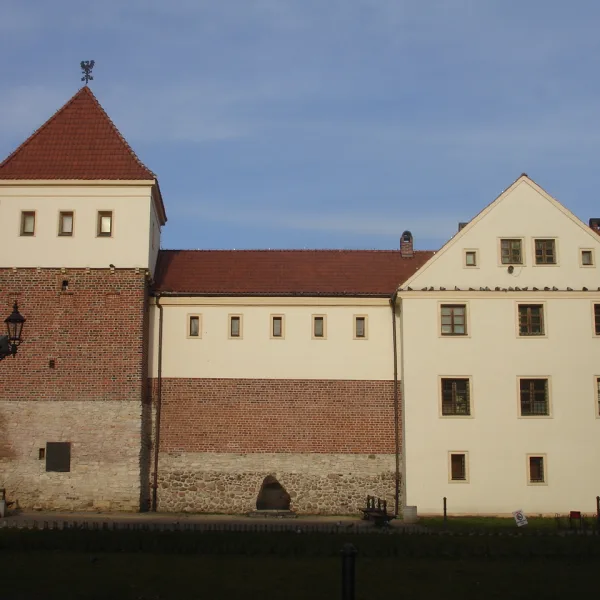
On the Kraków-Częstochowa Upland lie the ruins of Ogrodzieniec in the village of Podzamcze, on the peak of the Jura, and Bobolice Castle, restored from a ruin and welcoming tourists since 2011. In the Dąbrowa Basin Będzin Castle was raised above the Czarna Przemsza in 1349, and the Bishops' Castle in Siewierz is now a permanent ruin with a tower and a loggia. In Gliwice the brick Piast Castle of the fourteenth century houses an exhibition on the history of the town, and in Chudów the castle has a tower that serves as a museum. The Jura around Częstochowa is also covered on the page Częstochowa solo.
Where to take a quiet walk among places of worship?
Churches and monasteries are places of silence, good for people who want some peace. The usual rules of behaviour apply, as in any place of worship, and during services visits may be restricted.
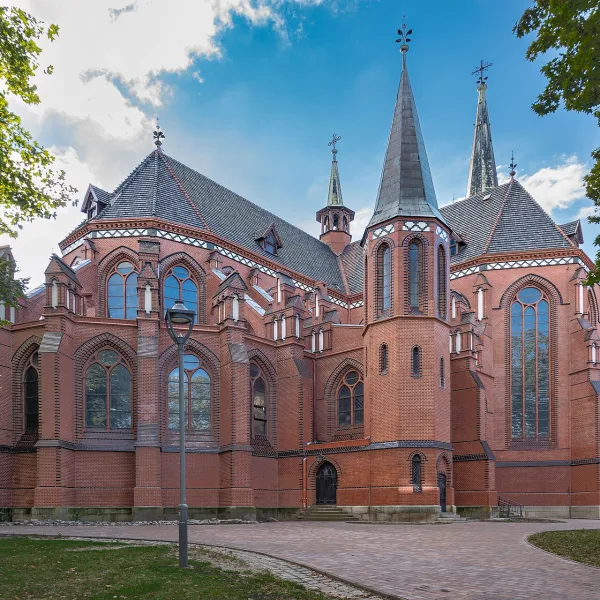
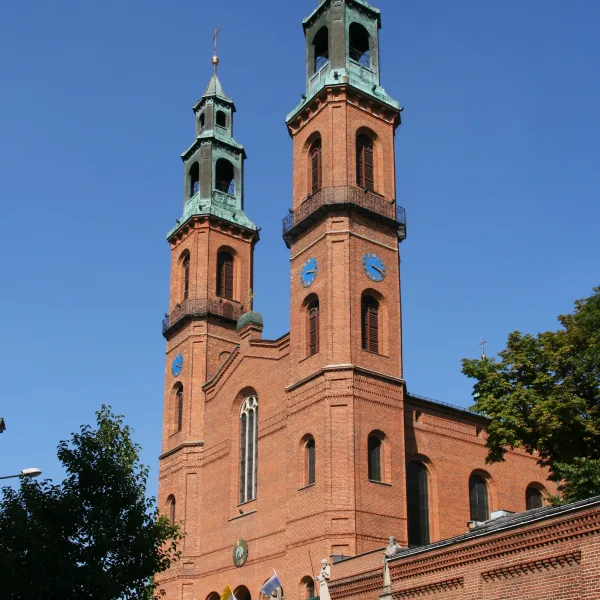
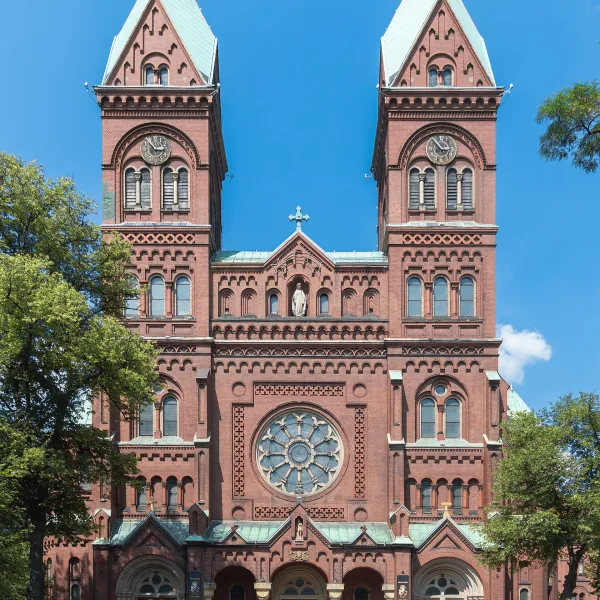
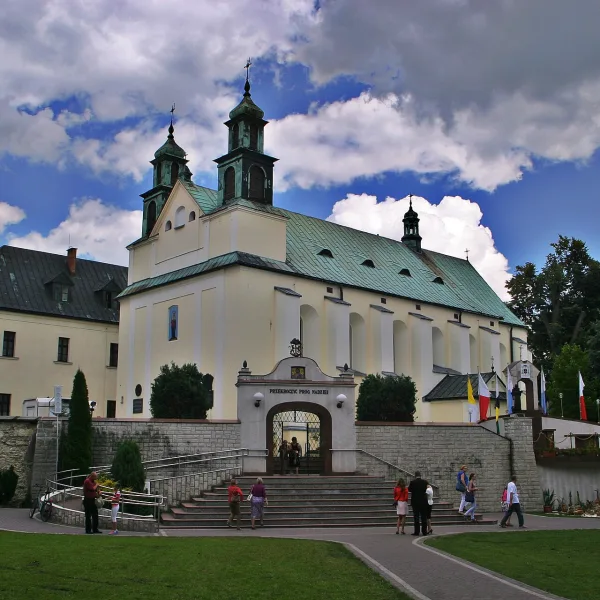
In Częstochowa it is worth combining Jasna Góra, the Pauline sanctuary home of the painting of Our Lady of Częstochowa, with the calmer neo-Gothic Archcathedral of the Holy Family. In Piekary Śląskie stands a neo-Romanesque basilica of 1849 with a calvary and a sanctuary museum. Katowice-Panewniki has a neo-Romanesque Franciscan basilica, and Bielsko-Biała the Gothic St Nicholas Cathedral with a 61-metre tower. In Gliwice the Cathedral of Saints Peter and Paul has a tower 75.5 metres high.
A short walk from the market square in Pszczyna, the former synagogue was put up in 1835. It was converted into a cinema during the war, lost its old decor and no longer serves prayer. Visitors see it as a trace of the former Jewish community.
Which mountains, hostels and lakes suit a solo outing?
The Beskids and the Jura are made for walking alone: the trails are marked, and mountain hostels are natural places to meet other hikers. Choose a summit that matches your fitness.
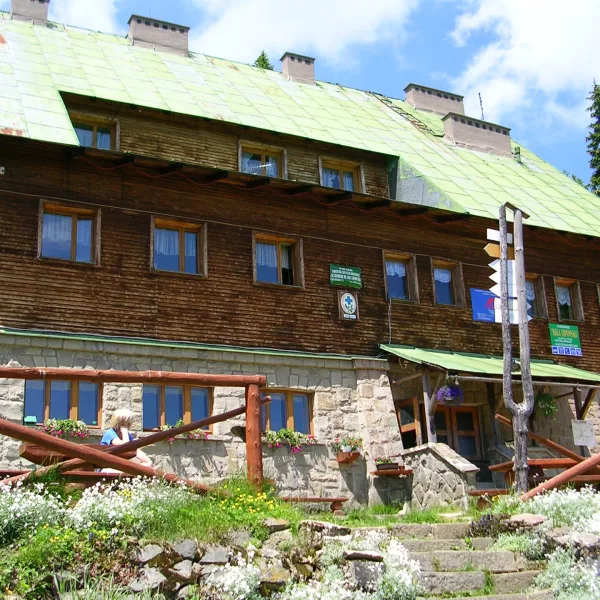
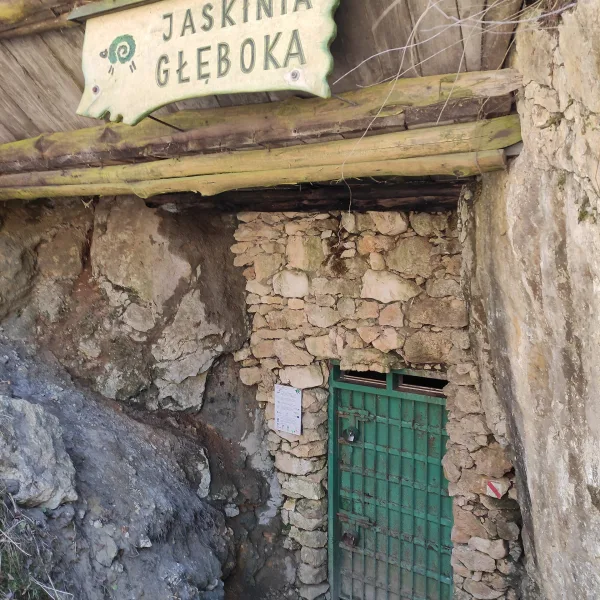
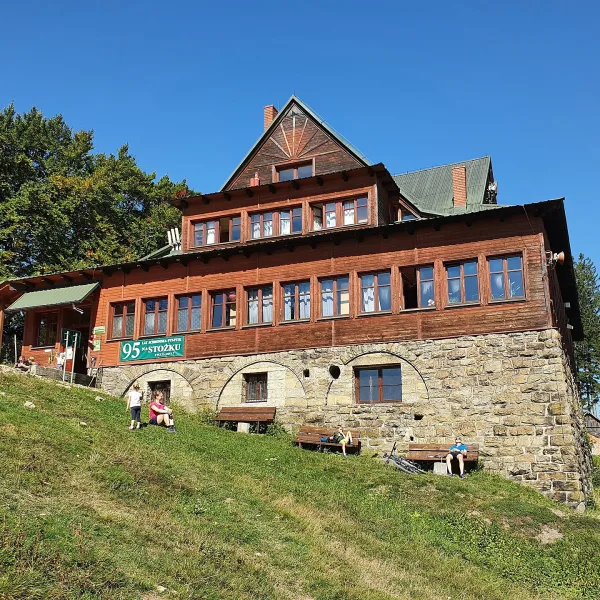
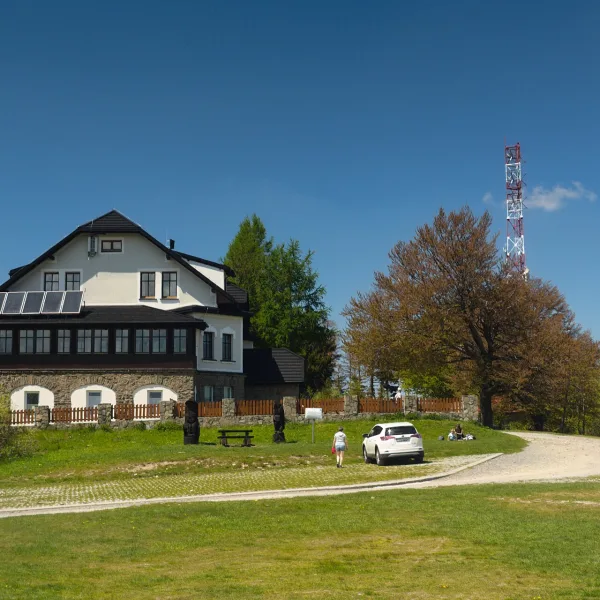
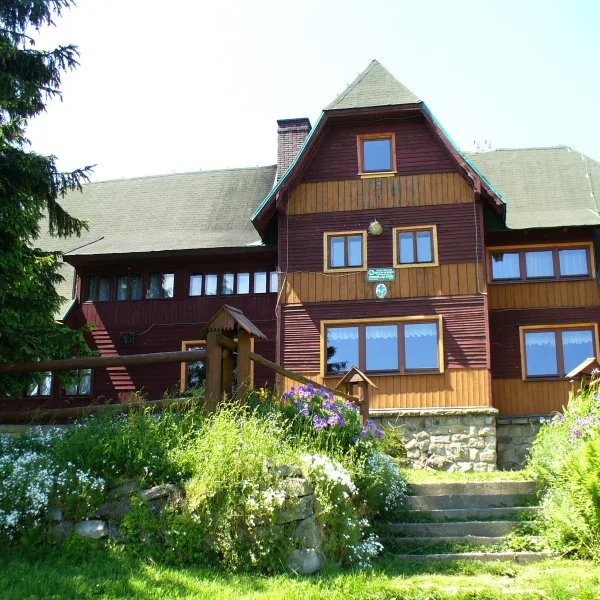
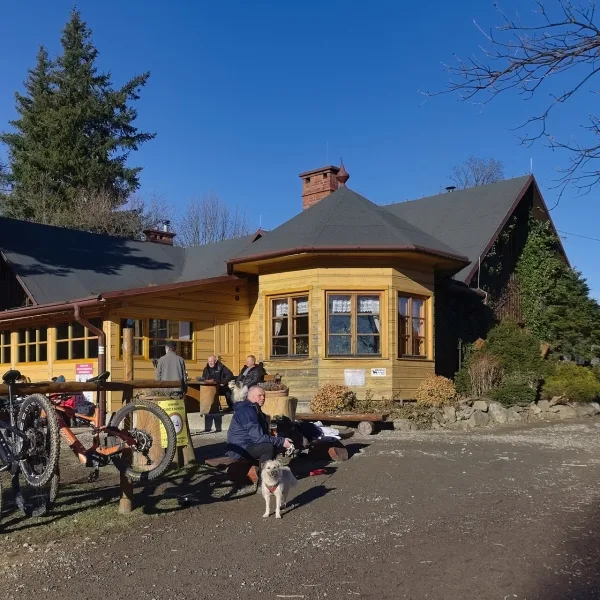
In the Silesian Beskids, Barania Góra offers a lookout tower at 1,215 metres and the springs where the Vistula starts, whereas Klimczok, at 1,117 metres, has a PTTK hostel a short way off. You can spend the night in the PTTK Bacówka on Krawcowy Wierch at 1,038 metres, in the wooden PTTK Bacówka on Rycerzowa or in Uncle Tom's Cabin in Szczyrk. On the Jura, Góra Zborów combines a reserve with climbing rocks, and Głęboka Cave is the single cave of the northern Jura that tourists may enter.
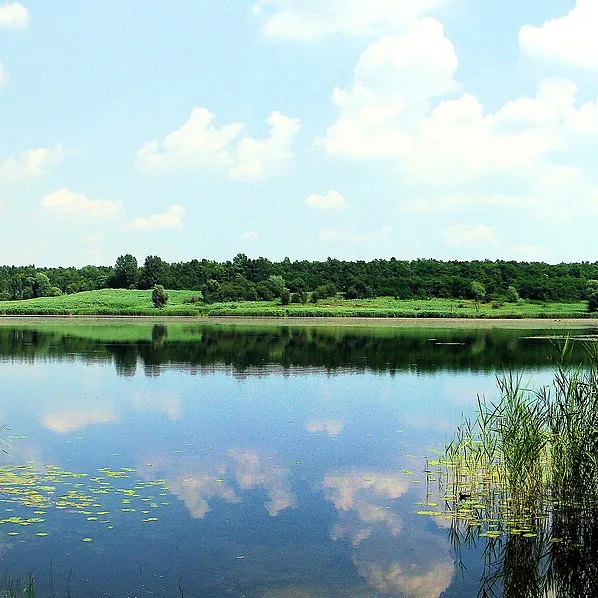
By the water, choose Lake Chechło-Nakło, Goczałkowice Reservoir, Lake Żywiec or the Pogoria II reservoir in Dąbrowa Górnicza, where gulls nest in the reeds. For a calmer walk, the 18-hectare Spa Park in Jastrzębie-Zdrój is a good choice.
What should you know about the biggest destinations?
A few places attract so many visitors that it helps to know their character before you pick a day. Knowing the scale helps you plan and avoid disappointment.
Ogrodzieniec stands on Castle Hill, the highest elevation of the Kraków-Częstochowa Upland (515.5 metres), and is a permanent ruin open to visitors. The Guido Mine in Zabrze has belonged since 2020 to a historic monument covering the town's old coal mines. The “Ignacy” mine in Rybnik was founded in 1792, and its water tower has a viewing terrace. Częstochowa's Jasna Góra was declared a historic monument in 1994, and the Pauline monks arrived on the hill from Hungary in 1382.
In the mountains, the most traffic is where trails cross. At Klimczok several ridges and trails meet, which draws many Beskid hikes, and the line between Bielsko-Biała and Szczyrk crosses its top. On the western slopes of Barania Góra the Vistula begins its course. Goczałkowice Reservoir covers up to 3,200 hectares and lies about five kilometres south of Pszczyna. It serves chiefly the water supply of part of the Upper Silesian Industrial Region, so it is mainly a place for walks, birdwatching and views.
Which one-day routes can you plan alone?
A good solo route has two or three stops close together and spare time to rest. Here are five ideas that follow directly from the addresses of the places.
The first is a day in Gliwice: start at the Piast Castle on ulica Pod Murami, then walk to the cathedral on ulica Księcia Ziemowita. The second is Chorzów: the Silesian Planetarium and the Prezydent Shaft lie in one town, so they combine easily with a walk in the Silesian Park. The third is Żywiec, where the Brewery Museum and the Municipal Museum are side by side, and the afternoon belongs to Lake Żywiec.
The fourth proposal leads to Tarnowskie Góry: the Royal Fryderyk Mine in the morning and Lake Chechło-Nakło in the neighbouring commune of Świerklaniec in the afternoon. The fifth is the Dąbrowa Basin: Będzin Castle, the castle in Siewierz and, to end the day, the Pogoria II reservoir in Dąbrowa Górnicza. For each route, check on the page of the place whether the day requires a booking.
How to prepare for a solo trip?
The most important things are a back-up plan and comfortable shoes. Tell someone where you are going, especially in the Beskids and on the Jura, where reception can be weak. On shorter stretches of trail take a supply of water, and in mountain hostels ask about current conditions on the ridge.
When planning visits to mines, museums and castles, always check the entry times on the page of the place. Some sites, such as mines with underground routes, admit visitors in groups, so arrive with time to spare. On a rainy day choose museums and the planetarium, on a sunny one lakes, summits and ruins, and in late autumn shorter routes in town.
Which city should you start from?
Katowice offers the biggest choice, but Gliwice, Bielsko-Biała, Bytom, Zabrze, Częstochowa, Tarnowskie Góry and Ruda Śląska are also easy to explore alone. Each of these cities has its own page with a selection of places: Gliwice, Bielsko-Biała and the others linked above. For a weekend it is easy to combine two neighbouring cities, for example Gliwice with Zabrze or Bielsko-Biała with Żywiec.
Frequently asked questions
What to see in Silesia when travelling alone?
Begin in Katowice with the Silesian Museum, the city history museum and the Cathedral of Christ the King. Then Zabrze with the Guido Mine or Tarnowskie Góry with the Royal Fryderyk Mine.
Can you stay overnight in the mountains alone?
Yes, the Beskids have PTTK hostels and bacówkas, for example on Krawcowy Wierch and on Rycerzowa. Check booking directly with the hostel.
Which places suit a rainy day?
Museums: the Fire Service Museum in Mysłowice, the Żywiec Brewery Museum, the Silesian Museum and the Silesian Planetarium in Chorzów.
Are the castles on the Jura open to visitors?
Yes, for example Ogrodzieniec is open to visitors, and Bobolice was rebuilt and opened in 2011. At ruins, check the condition of the ground before you go.
Which cities can you see alone in one weekend?
Neighbouring centres of the conurbation combine well: Katowice with Chorzów, Gliwice with Zabrze or Bytom with Tarnowskie Góry. On the first day choose museums and monuments, on the second a mine or a park and a lake. Staying in one place saves packing time.
Does a solo trip to the Jura make sense without a car?
It does, if you choose one castle and one town instead of several at once. Distances between the castles of the Eagles' Nests Trail can be long, so check how to get to the site before you leave.

 Museums