Free things to see in Katowice: parks, nature reserves, trails, squares with sculpture and historic cemeteries, from Kościuszko Park to the Murcki forest.
These are places you enter without a ticket, so they suit a spontaneous walk, a family Sunday or a day on a tight budget. Several dozen of them lie in the city centre and on the outskirts, and most are green areas and cemeteries, joined by a few hiking trails. For free places across the whole region see free attractions in Silesia, and for a full overview of the city see things to do in Katowice.
What can you see in Katowice for free?
Most of the free places are green areas: parks, nature reserves, ponds and hiking trails, together with squares with sculpture, monuments and old cemeteries. Entry is open, so you plan a route rather than opening hours or queues. One afternoon is enough for two or three stops in a single district, and a full day for an excursion into the forest or a stretch of trail.
Remember one thing: free entry applies to the grounds themselves. Museums, halls and other venues with tickets are a separate matter, and here we are talking about places for a walk around the city. The order is simple, from the biggest parks through nature and walking routes to squares, monuments and cemeteries.
Which parks in Katowice should you visit first?
Start with the Katowice Forest Park, the biggest landscaped green space in town. The park follows the Leśny Stream valley, its far northern end is occupied by the Three Ponds Valley, and some of the trees recall the Silesian Wilderness. A four-kilometre skating track runs through it, so a walk easily turns into a ride.
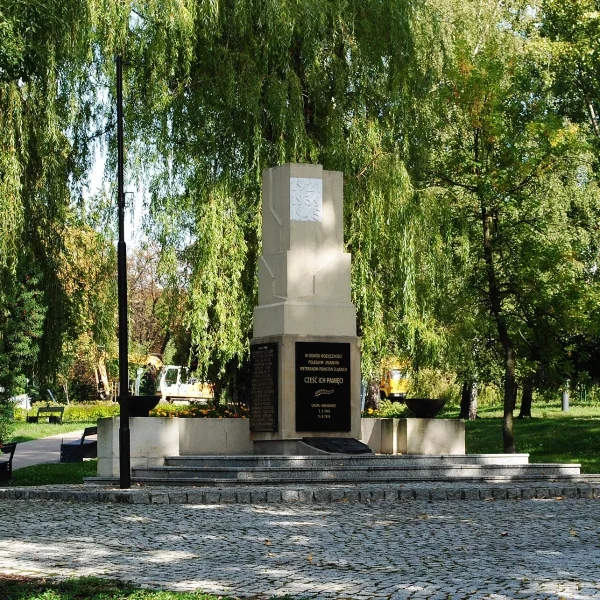
The second choice is Kościuszko Park in Brynów, laid out in 1888, about 51 hectares in size, entered in the register of monuments and regarded as the most valuable urban greenery in Katowice. A wooden church from around 1510 stands here, and nearby is the Kościuszko monument, a stone obelisk bearing a medallion and a slab from 1925, which reached its current spot only in 1962.
District parks
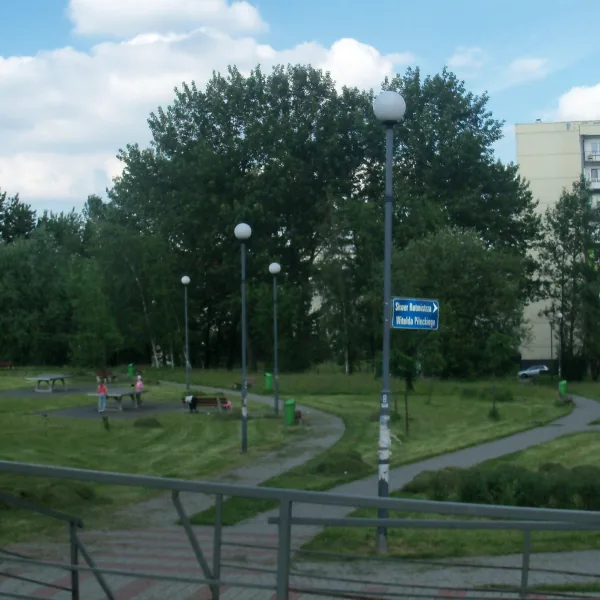
The smaller parks have a character of their own. Zadole Park in Ligota spreads over 7.76 hectares; you will find a skateboard track, an open-air stage and a salt-brine inhalation tower, and forest begins behind it. Bogucice Park lies right next to the Silesian Museum, with playgrounds, a dog zone and a small amphitheatre, and the Silesian Mining History Trail passes through it. By the ponds lies Bolina Park, with sports pitches, nine chess tables and a covered barbecue spot.
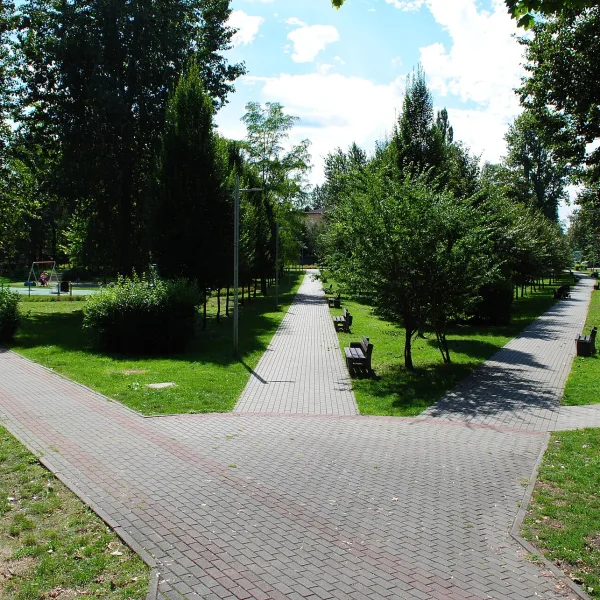
Those interested in the history of the estates will choose Giszowiec Park, planned in step with the miners' houses (1907-1910). Old beech trees from the former forest grow in it, and the bandshell dates from around 1910. A similar character belongs to Murcki Park, just under ten hectares, wooded, with beeches and a cycle path. Other parks worth noting are Wełnowiec Park on a former spoil heap, with a pump track and a dog run, Budniok Park in Koszutka with its pitches, Olympians' Park in Szopienice with cycle route number 5, and Anton Uthemann Park by the tram terminus. Families appreciate Załęże Park at Gliwicka 212, with pitches, a water playground and a summer pool, and in the centre the small Silesian Insurgents' Park with monuments.
Where to take children for a free walk?
With children, parks with playgrounds and pitches work best. In Zadole kids have a skate track and an amphitheatre, in Bolina pitches, table-tennis tables and a playground, and in Budniok Park a playground, pitches and a fitness zone. Załęże Park offers a water playground and Wełnowiec Park a pump track. In Bogucice Park the playgrounds sit beside the Silesian Museum, so after an exhibition it is easy to get some fresh air. For a calmer outing choose the Three Ponds Valley in the Forest Park, where the walk leads around the water.
Where in Katowice can you find nature and water?
The best natural places lie on the edge of the city: in Murcki, Szopienice and Ochojec. Getting there takes a little time, but in return you get forest, ponds and quiet without paying anything.
The Las Murckowski nature reserve protects a remnant of the old Silesian Wilderness, ancient beech woodland on Wanda Hill's slopes and the sources of the Przyrwa brook. It was created in 1953 and today covers more than one hundred and forty hectares. The Szopienice-Borki complex consists of ponds in old sandpits where Katowice, Sosnowiec and Mysłowice meet; black-headed gulls nest there in a colony. The Ochojec reserve, 25.79 hectares, was founded in 1982 to protect the clasping-leaved twistedstalk, a rare mountain plant. In the Witosa estate visit the Kozubek pond, a former reservoir of the Kleofas mine, now renovated and reopened as a recreation area. In Dąbrówka Mała grows a chestnut avenue of 28 old trees, left over from a manor farm.
Which hiking trails start in Katowice?
You can choose among four PTTK trails, from a short stroll to a whole-day hike. All begin in the city or close to it.
The Wesoła Fala Trail is a green, roughly 2.7 km route joining the Murcki Dell with the Wesoła Fala centre in Mysłowice. The Murcki Dell Trail is 6.8 km long, marked in black, and leads from the Bolina centre through Giszowiec to the Murcki Dell. The Katowice Walking Trail is blue, about 24 km, and crosses the conurbation from Chorzów to Hamerla. The Twenty-fifth Anniversary Trail is a green loop of about 115 km that starts and ends in Silesian Park in Chorzów and passes the cities of the conurbation and the Dąbrowa Basin. A shorter trail can be walked in one afternoon, and the longer one divided into stages.
Where in the centre can you see squares and monuments?
Squares and monuments are a good complement to a route, because they take little time. You will stop at them on the way between bigger places.
In Koszutka lies Grunwaldzki Square with the Olympic fountain, sculptures and paths. In Śródmieście you will find Miskolc Friends Square with rainbow benches and fountains, and Rady Europy Square in front of the Silesian Library, with a drop hammer under conservation protection, a plaque for a former Protestant cemetery and old trees. In Nikiszowiec there is the Zillmann square, dedicated to the architects of the estate.
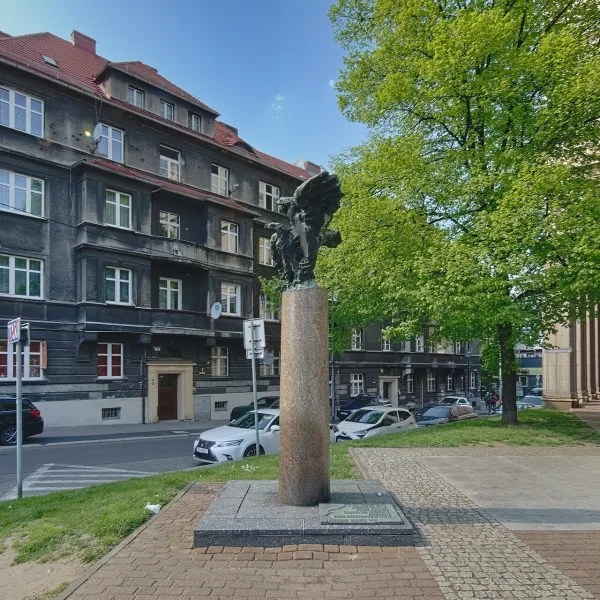
Among the monuments the Monument to the Polish Soldier stands out, a bronze sculpture by Bronisław Chromy from 1978, weighing 80 tonnes, on an artificial hill. On Silesian Parliament Square stands the Wojciech Korfanty monument, unveiled in 1999. The equestrian Piłsudski monument on Bolesława Chrobrego Square was unveiled in 1993, although the sculpture was made before the war. In the Silesian Insurgents' Park stands the statue of General Jerzy Ziętek, unveiled in 2005. For lovers of small sculpture there is also Cukerzołza at Gliwicka 107, a bronze figure of a little bebok holding a cake and a wand, part of a cycle by Grzegorz Chudy; there are more than a hundred such beboks in the city.
What should you know about cemeteries and memorial sites?
Cemeteries and memorial sites are places of quiet and respect. Rules of conduct apply there, and some of them still serve for burials.
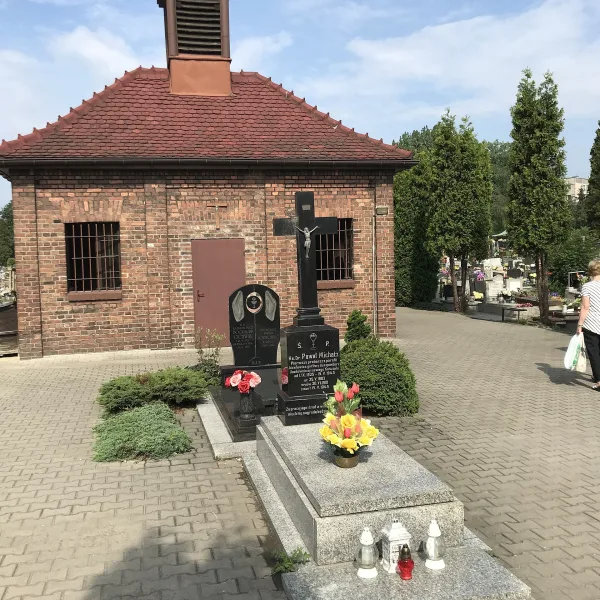
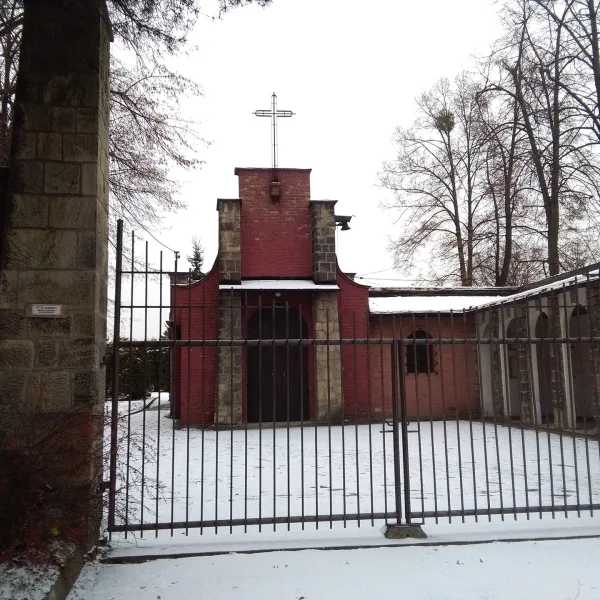
On Sienkiewicza street lies a cemetery from 1911 with a brick modernist chapel, close to the Cathedral; among those buried there are the composers Kilar and Górecki. The Jewish cemetery at Kozielska 16 was opened in 1869; it is still in use and listed in the register of monuments, the Jewish community bought the land in 1868 and extended it in 1927. About 1,400 gravestones survive, and there is a Holocaust memorial. The Protestant cemetery on Francuska street has operated since 1884. In Brynów you will find the garrison cemetery from the 1920s with the graves of the leaders of the Silesian Uprisings and war graves. The municipal cemetery in Panewniki, dating from 1911, has Franciscan plots and a collective grave of Katowice's 1939 defenders, while the cemetery on Bracka street in Dąb, from 1894, contains a joint grave of Cleophas mine miners.
In Śródmieście stands Andrzej Square, laid out around 1900, called Andreasplatz before 1922, a former market and sports ground, now with the Jędruś fountain, with a memorial to the Katyn victims and a plaque for Home Army soldiers. In Dąbrówka Mała, September Soldiers Square keeps a monument from 1960 dedicated to residents shot in 1940.
How to plan a free day by district?
The easiest way is to stay in one district and not hurry. For a first visit, plan only as many places as you can see without glancing at the clock. In Śródmieście you can walk from the cemetery on Sienkiewicza street, through the Silesian Insurgents' Park, to Rady Europy Square. In Brynów you will spend several hours in Kościuszko Park and by the garrison cemetery. Szopienice combine Olympians' Park, Uthemann Park and the Borki ponds, while Murcki is a reserve, a park and the start of trails.
Giszowiec and Nikiszowiec fit into one day: a park with beeches, the Zillmann square, and then the Murcki Dell trail. Ligota has Zadole Park and the neighbouring cemetery in Panewniki. Opposite the cemetery stands the Franciscan basilica, so both visits are easy to combine. Wełnowiec and Załęże offer two district parks, each with a good playground.
Are the free places suitable for rainy weather?
Almost all of these places lie in the open air, so they suit rain poorly. When it pours, leave forests and trails for better weather and pick short stops at monuments or squares in Śródmieście. A downpour is better waited out in a museum or a library.
Frequently asked questions
What can you see in Katowice for free?
Parks, nature reserves, walking trails, squares with sculpture and historic cemeteries. For a start we suggest Kościuszko Park, the Forest Park and Nikiszowiec with its square.
Which park in Katowice is the biggest?
The largest area of landscaped greenery is the Katowice Forest Park along the valley of the Leśny Stream, with the Three Ponds Valley and a skating track.
Which hiking trails start in Katowice?
There are four PTTK trails: Wesoła Fala, Murcki Dell, the Katowice Walking Trail and the long Twenty-fifth Anniversary loop. The first is about 2.7 km long, the last about 115 km.
Can you enter the nature reserves in Katowice?
The Las Murckowski and Ochojec reserves lie on the edge of the city. Nature protection rules apply there, so keep to the paths.
Where can you see monuments in the centre of Katowice?
The Korfanty monument stands on Silesian Parliament Square, the Piłsudski monument on Bolesława Chrobrego Square, and the statue of General Ziętek in the Silesian Insurgents' Park.

 Parks and nature