Silesia, Silesian Voivodeship
Tuesday, 03 November 2026 PL / EN

Rainy day

For families For couples Solo For rainy days Free
284 attractions
For children
Funzeum
Gliwice

4,000 m2 of workshops and play in four zones: build, create, discover, move

Galeria Szyb Wilson Culture
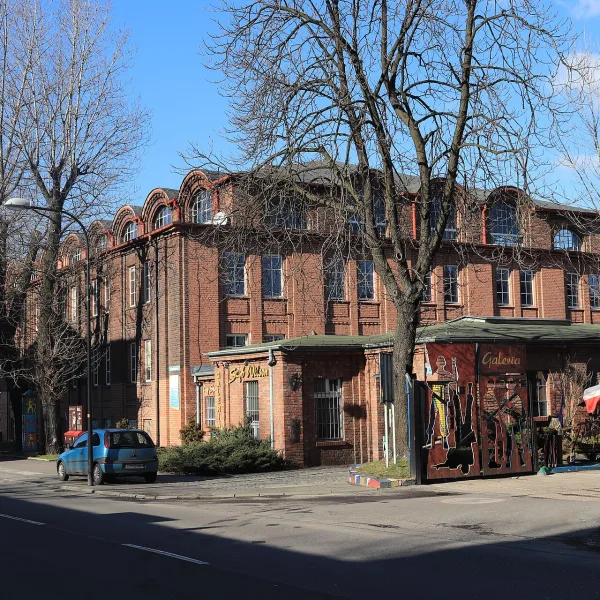
Wilson Shaft Gallery
Katowice, Oswobodzenia 1

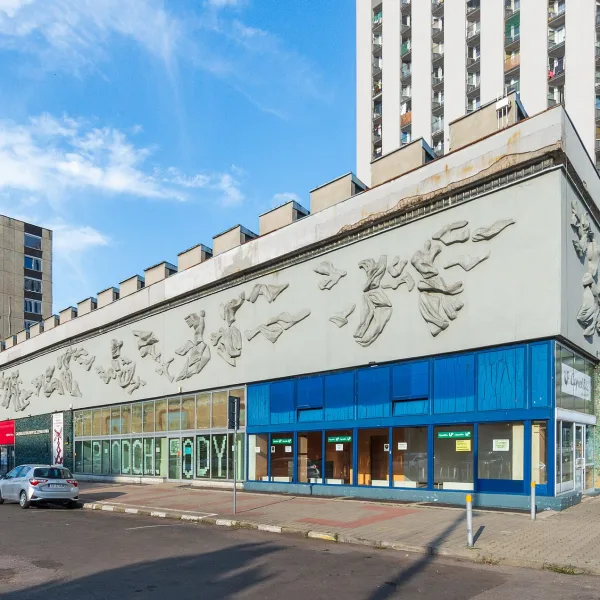
an art gallery in a 1915 pithead building left by the Wilson shaft of the Wieczorek mine
Entertainment
S-Kart
Bytom

an indoor karting track about 750 m long with go-karts of up to 19 hp and lap timing

For children
HOPSA
Chorzów, Księdza Jana Gałeczki 59

an indoor trampoline park with tubing, a zip line and a Ninja zone
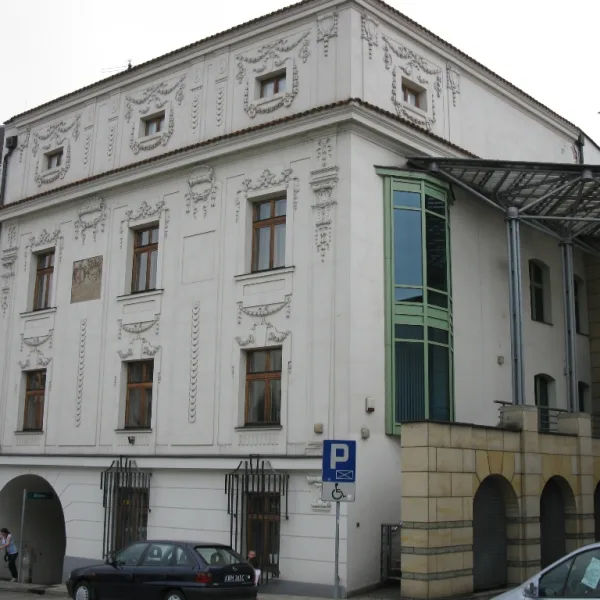
For children
Ninja Park
Bielsko-Biała, Leszczyńska 73

an indoor trampoline park with a Ninja obstacle zone for children from three years old

Harcerskie Muzeum Etnograficzne Museums
Scout Ethnographic Museum
Katowice, ul. Nasypowa 16, 40-551 Katowice

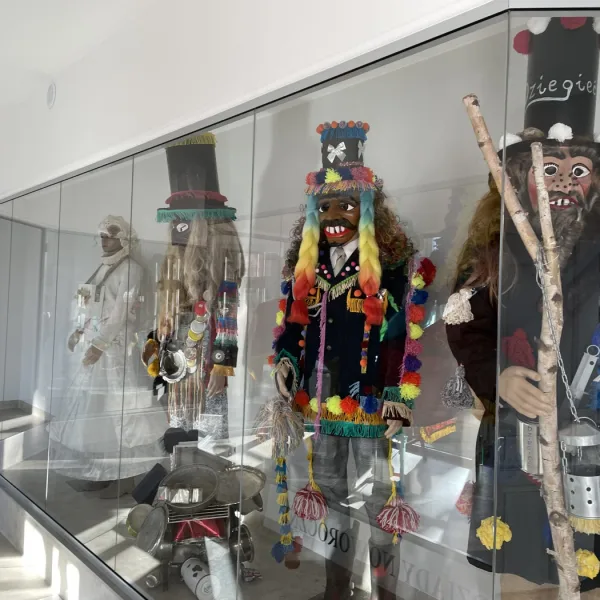
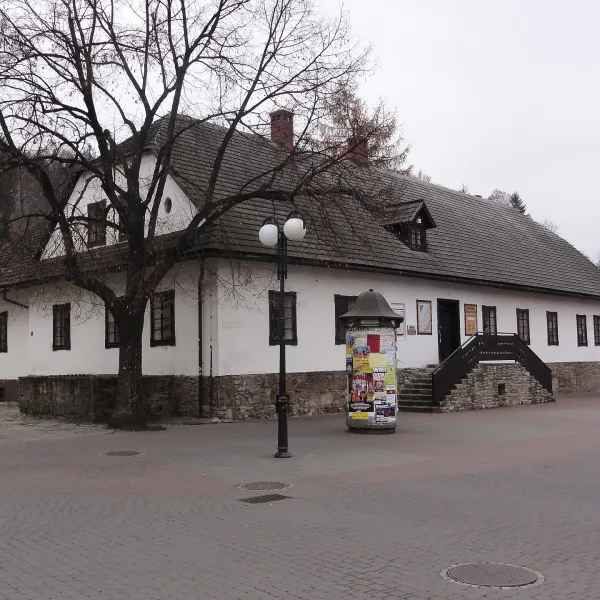
museum of folk costumes and tools collected by scouts since 1965, in a school on Nasypowa Street
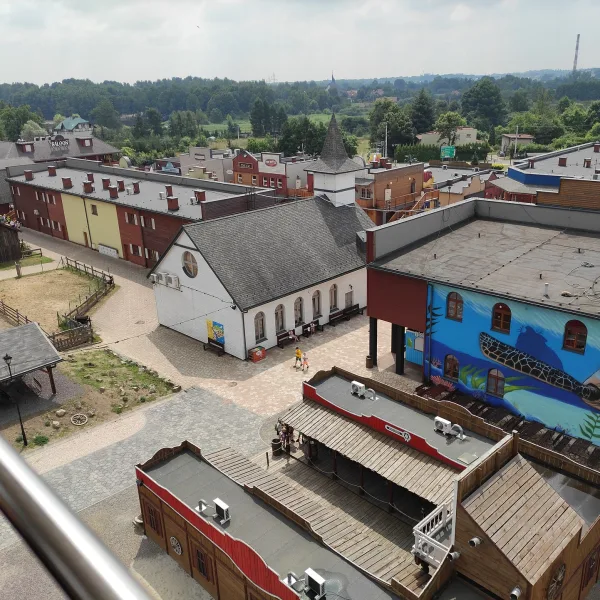
Katowicki Skład Neonów Museums
Katowice Neon Depot
Katowice, Plac Sejmu Śląskiego 2, 40-032 Katowice

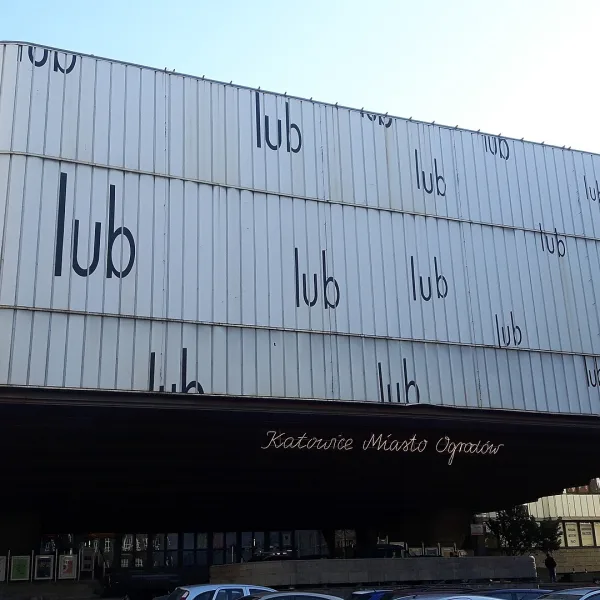
rescued neon signs from former stations, hotels and cinemas, lit up after dark

Muzeum Beskidzkie w Wiśle Museums
Beskid Museum in Wisła
Wisła, ul. T.Regera 6, 43-400 Cieszyn

branch of the Cieszyn museum on the culture of the Beskid highlanders, in a former Evangelical inn from 1827

When it rains in Silesia, head for museums, theatres, water parks and zoos: dozens of places from Katowice to the Beskids where bad weather changes little.

This selection suits families, couples and solo travellers with a free day and an unreliable forecast. It covers more than two hundred places across the Silesian Voivodeship, from the Katowice conurbation to Żywiec and Cieszyn. What counts here is a roof overhead and a programme for several hours rather than a view, so many entries are museums and stages. City by city lists are available for Katowice, Bielsko-Biała and Gliwice.

What can you do in Silesia when it rains?

The safest plan for a wet day is a museum or a theatre, because a visit lasts several hours and takes place indoors. The region has plenty of both: museums dominate the selection, followed by theatres, opera houses and concert halls, with water parks, zoos with indoor pavilions and former mines rounding it off. Start with whatever lies closest, then choose a theme.

The suggestions below are grouped by who you are travelling with. Parents will want the sections on zoos, models and pools, couples the theatres and concert halls, and fans of engineering the mines and the rolling mill. If you only have one afternoon, pick a single district or town rather than crossing the whole region. Many places sit close together, especially in Katowice and Chorzów.

Which museums in Silesia are best on a rainy day?

Begin with a museum that has a large and varied display. The Silesian Museum in Katowice occupies a former mine in Bogucice and has galleries of Polish painting and sacred art, plus an account of how Upper Silesia developed. The building is mostly underground, so the weather hardly matters.

If the history of the city itself interests you, visit the Katowice History Museum on Księdza Józefa Szafranka street. It is a municipal institution in a tenement house from 1910, with an exhibition on the story of Katowice and branches in Nikiszowiec, in the city centre and in a wooden church in a park. In Gliwice you can build a themed route from two places: Villa Caro, a neo-Renaissance residence built by Oscar Caro in 1882-1885 and home to the Gliwice museum since 1934, and the Gliwice Radio Tower, three buildings and a wooden antenna mast 111 metres tall, put up in 1935 and run as a branch of the same museum.

Żywiec offers two options close together. The Żywiec Municipal Museum sits in the Old Castle and covers the town's history, the culture of the Żywiec highlanders, archaeology and sacred art. The Żywiec Brewery Museum occupies the rock-cut lagering cellars of the brewery, with eighteen rooms and roughly one and a half thousand square metres. A similar theme awaits at Tyskie Browarium, set in a renovated building within the Tyskie Princely Breweries compound.

For less obvious subjects, the Central Fire Service Museum in Mysłowice on Stadionowa street holds more than four thousand exhibits, including a horse-drawn fire pump from 1717. The Museum of the History of the Polish People's Republic in Ruda Śląska presents everyday life in Poland between 1945 and 1989: flats arranged as they once were, a cinema, period cars and an outdoor park of monuments. In Wisła, at Przysłop below Barania Góra, stands the small three-room Mountain Tourism Museum about hiking in the Silesian Beskids. It is not a full-day destination, more a stop during a mountain trip.

Museums in Pszczyna and nearby

Pszczyna is enough for a whole day. Pszczyna Castle is a former magnate residence with original Hochberg interiors, an imperial apartment and a Mirror Hall. Close by lies the Pszczyna Village Farmstead, an open-air museum where a dozen or so timber cottages and farm buildings from the Pszczyna area stand in the park, created in 1975. Because it is partly outdoors, plan it for a break in the rain and stay in the castle rooms when the downpour is heavy.

Where can you go with children when it rains?

With children, choose a place where they can move and touch: a water park, an interactive model or a zoo with pavilions. The region has several, scattered across different towns, so something is usually nearby.

In Gliwice, Kolejkowo is an interactive model in a shopping centre, a layout of over seven hundred square metres, crowded with hundreds of buildings, a dozen rail vehicles and thousands of figurines. In Chorzów, the Silesian Planetarium in the Silesian Park opened in 1955 and since 2022 has had exhibitions on astronomy, seismology and meteorology. Next to it is the Silesian Zoological Garden, 47.5 hectares in size, with the Dinosaur Valley and pavilions for exotic animals, an aquarium and elephants. Most of the area is outdoors, so in the rain begin with the pavilions. The Upper Silesian Ethnographic Park in the same park is similar: it is an open-air museum with about seventy-eight historic buildings.

Smaller and calmer options include AnimalWorld Mini ZOO in the Makoszowy district of Zabrze, with lessons about animals and workshops, and the Forest Park of Surprises in Ustroń on the slope of Równica, where shows with birds of prey and owls accompany a walk among bison and deer. Pszczyna also has the Bison Show Reserve in Pszczyna Park. These three are entirely outdoors, so leave them for a lighter day: a rain jacket is enough for drizzle, but not for a downpour.

Water parks and pools

When it pours and the children need to burn off energy, water parks are the answer. Aquadrom in Ruda Śląska-Halemba has three zones, Recreation, Sport and Sauna, along with a pool with a movable floor and a seven-metre diving tube. Wodny Park Tychy, opened on 30 April 2018, has a recreation zone, a surfing simulator and saunas, and runs on energy from biogas. In Racibórz, H2Ostróg Aquapark lies in the Ostróg district next to the castle, so it is easy to add a walk to a swim.

Which theatres, opera houses and concert halls are worth checking?

For an evening in the rain, a stage is the best choice. The region has more than a dozen theatres and concert halls, in historic buildings or modern ones, so the evening can double as a lesson in architecture. Check the calendar of the place you pick and choose something for a free evening.

In Katowice, the Stanisław Wyspiański Silesian Theatre is the biggest drama stage in the region and plays in a neoclassical building on the Market Square, put up in the early twentieth century. The seat of the Polish National Radio Symphony Orchestra, opened in 2014 in the Culture Zone, has a brick facade recalling Nikiszowiec and a hall for about eighteen hundred people. On Świętego Jana street the Rialto Cinema-Theatre has more than a hundred years behind it and a classicist facade, and is now an arthouse cinema with concerts and plays.

In Bytom stands the Silesian Opera Building, a neoclassical building from the beginning of the twentieth century, with a main stage and a second hall named after Adam Didur. In Chorzów, Teatr Rozrywki is a musical stage where professional actors, singers and dancers perform. In Zabrze, the House of Music and Dance is a modernist building from 1959 with a performance hall known for good acoustics. In Sosnowiec, Zagłębie Theatre began in the nineteenth century as the Winter Theatre, and its auditorium is laid out like an amphitheatre and decorated with paintings.

Outside the conurbation, remember three more addresses. The Polish Theatre in Bielsko-Biała occupies a building from 1888-1890 in the Dolne Przedmieście district, with Apollo and the muses standing on the front. The Adam Mickiewicz Theatre in Cieszyn, dating from 1910, seats six hundred and thirty. The Rybnik Land Theatre, built in 1958-1964, consists of a main hall, a smaller chamber hall and a gallery, and has recently been entered in the register of monuments. In Częstochowa, concerts take place at the Bronisław Huberman Częstochowa Philharmonic, a modernist building from 1955-1965 with two halls.

Where can you see industrial heritage indoors?

When it rains, former industrial sites are a good option, because the visit takes place in halls or underground. The region has particularly much to show, and every route concerns the history of mining and metallurgy.

In Zabrze, the Guido Mine is part of the Coal Mining Museum, with routes at levels one hundred and seventy and three hundred and twenty metres underground. In Tarnowskie Góry, the Silver Mine is an underground route in the former Fryderyk Royal Mine, inscribed on the UNESCO list, with a section covered by boat and an open-air display of steam engines. In the Szopienice district of Katowice, the Rolling Mill - Museum of Zinc Metallurgy is a mill from 1904 with its production line preserved, steam engines and a collection of motorcycles.

What should you choose in each town?

If you do not know where to begin, pick a town and look at its selection. Neighbouring places are mentioned only when the addresses support it.

  • Katowice: the Katowice list is the longest, because the city has museums, a theatre, the Rialto and the orchestra hall, and several sit in the city centre, so they combine easily into one afternoon.
  • Chorzów: the Planetarium, the zoo, the Ethnographic Park and Teatr Rozrywki fill a whole day, especially as the first three lie in the Silesian Park. Details in the selection for Chorzów.
  • Gliwice and Zabrze: the selections for Gliwice and for Zabrze combine museums, Kolejkowo, a mine and a culture house with a concert hall.
  • Bielsko-Biała: the Bielsko-Biała selection begins with a theatre and museums, and after a mountain trip the town works well for a longer rest.
  • Częstochowa, Sosnowiec and Tychy: check the selections for Częstochowa, for Sosnowiec and for Tychy, where you will find a philharmonic hall, a theatre, a brewery museum and a water park.

In the Beskids the covered options are mostly single places, such as the museum in Wisła or the forest park in Ustroń, so a rainy day there is easier to combine with a drive to a larger town, for example Bielsko-Biała or Cieszyn.

How should you treat places that are closed or touch on difficult subjects?

Before you set out, check that the place is open, because a few entries have a special status. The Władysław Reymont Museum of Literature in Bielsko-Biała, founded in 1989 by an enthusiast who copied the works of Polish classics by hand, has suspended its activity. Do not plan a visit there; simply remember what once stood on Pankiewicza street.

The Documentation Centre for the Deportation of Upper Silesians in Radzionków should be treated separately and in a calm tone. It is an exhibition and archive venue in a former railway station, devoted to the deportations of Upper Silesian residents to the Soviet Union in 1945. Do not combine this visit with a leisure programme; choose it as a separate point of the day.

Frequently asked questions

Where can you go with children in Silesia when it rains?

To the water parks in Ruda Śląska, Tychy and Racibórz, to Kolejkowo in Gliwice, to the Chorzów Planetarium or to the pavilions of the Silesian Zoological Garden. Zoos and enclosures are largely outdoors, so they are a less certain choice than a pool in a downpour.

Which museum should a first-time visitor choose?

The Silesian Museum in Katowice is a good start: its galleries cover painting and sacred art, and a separate display tells the regional story, all in a mostly underground building. In Gliwice, Villa Caro or the Gliwice Radio Tower work just as well.

What can two people do on a rainy evening?

The easiest choice is a theatre, an opera or a concert. Large stages stand in Katowice, Bytom, Chorzów, Zabrze, Bielsko-Biała and Cieszyn, and the repertoire is best checked in the events calendar on this portal.

Are there underground places for a rainy day?

Yes. In Zabrze you can descend into the Guido Mine, and in Tarnowskie Góry follow an underground route through the Silver Mine. In both places the visit takes place below ground, so the weather above does not matter.

Are all the places in this selection open?

Not all of them. The Bielsko-Biała literature museum is not receiving visitors, so check the details of the place you plan to visit before you go.