Things to do in Katowice: the cathedral, the Silesian Museum, Spodek, Nikiszowiec and several hundred other places across the city's districts.
Katowice is the capital of the voivodeship and the centre of the conurbation, and its map does not end at the Market Square. Beside the culture buildings stand workers' estates, parks and churches, and if you are after a particular evening, look at events in Katowice.
What to see in Katowice first?
For a first day choose four places: Spodek, the Silesian Museum, the Christ the King Cathedral and Nikiszowiec. The first two stand side by side in the Culture Zone, the third is in the city centre and the fourth is an estate in the east of the city.
Spodek was built between 1964 and 1971 as a sports and entertainment arena shaped like an inverted cone, with an ice rink and a swimming pool. The cathedral is a monumental church topped with a low dome and fronted by a portico of eight Corinthian columns. On top of these come parks, galleries and dozens of small museums, so it pays to plan by district.
What does the Culture Zone in Katowice contain?
The Culture Zone occupies the grounds of the “Katowice” colliery, closed in 1999, and gathers in one place several buildings that can be walked around in half a day. They are the Silesian Museum, the home of the National Polish Radio Symphony Orchestra, the International Congress Centre and Spodek.
The Silesian Museum occupies a new building opened in 2015. Most of it lies underground, while the surface keeps a central hall, skylights and a viewing tower. The permanent displays range over Polish paintings, religious art and the story of Upper Silesia.
The seat of the National Polish Radio Symphony Orchestra on Plac Wojciecha Kilara was built in 2012-2014 and has a brick facade echoing Nikiszowiec and a hall of about 1,800 seats. The International Congress Centre is topped with a green roof and seats up to 8,000 in its main hall, yet visitors appreciate it mostly from outside. The same goes for the .KTW office towers: the towers have a publicly accessible square, but their interiors are closed. For art, drop in at Rondo Sztuki, an Academy of Fine Arts gallery above the ground floor of a building shaped like half a dome, and for greenery at Bogucice Park with its amphitheatre, outdoor gym and a figure of a bebok.
Where to see workers' estates and industrial heritage in Katowice?
The best choices are Nikiszowiec, Giszowiec and Szopienice. They share old colonies and industrial works built for the Giesche concern, and the surviving buildings show how miners and metalworkers lived.
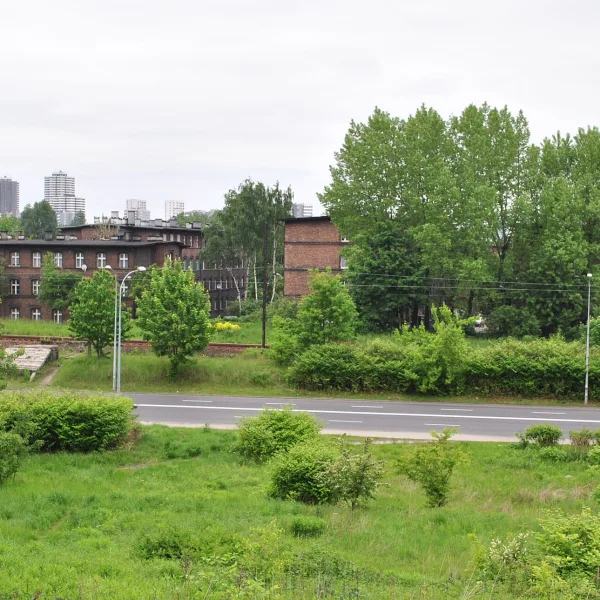
Nikiszowiec is an estate built in 1908-1919 after a design by Georg and Emil Zillmann, compact, built of red brick and gathered around Plac Wyzwolenia and the church of St Anne. Since 2011 it has been a Historic Monument. Giszowiec arose in 1907-1910 on the idea of a garden city and roughly a third of it has survived. For its greenery go to Giszowiec Park with its beech old-growth and bandstand, and for the estate's brick architecture to the water tower in Giszowiec, about 33 metres tall, at the crossing of Górniczego Stanu and Pszczyńska streets.
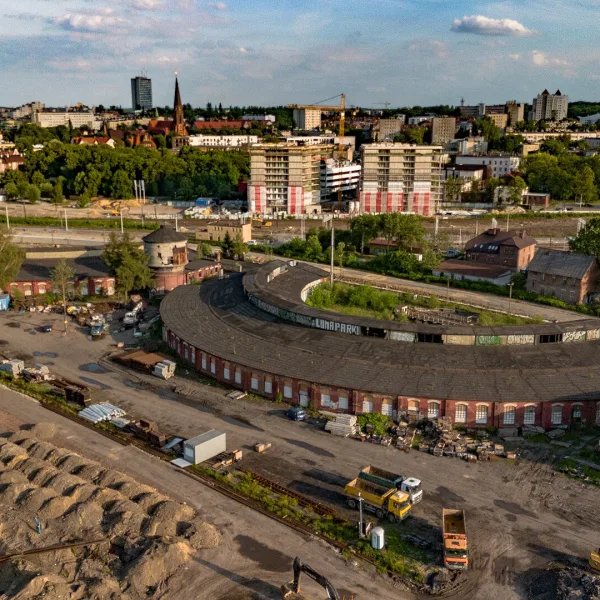
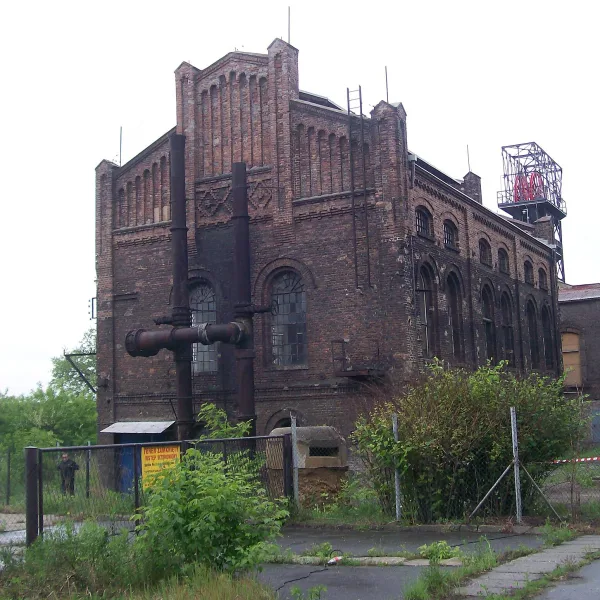
In Szopienice stands the Rolling Mill, the Museum of Zinc Metallurgy, a zinc-sheet rolling works built in 1903-1904 with its production line intact, plus steam engines and motorcycles on display. In the same district stands the water tower of the former works, a reinforced-concrete structure from 1912 that is out of use, so you can see it only from outside. A general overview is under industrial heritage in Katowice.
What to see in the centre of Katowice?
The city centre has more places than any other district, over eighty, so it is a good starting point for a single day. Around the Market Square and Świętego Jana street cluster theatres, galleries, a cinema and a hotel that can be reached on foot.
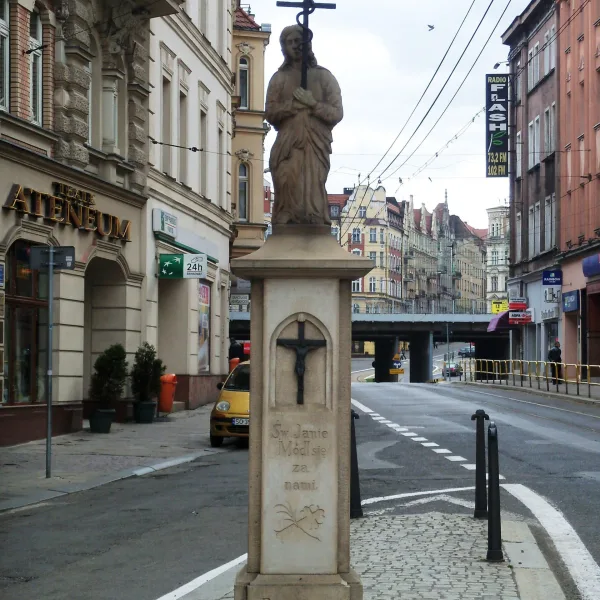
On the square stands the Stanisław Wyspiański Silesian Theatre, the biggest dramatic theatre of Upper Silesia, in a building from 1907 with three stages. On Świętego Jana street operates the Rialto cinema-theatre, dating from 1913 with a classicist facade, and at number 10 sits the Ateneum Theatre, which has played mainly for children since 1945. At Dworcowa 5 stands the Hotel Monopol, made of white clinker brick, which has received guests since 1902.
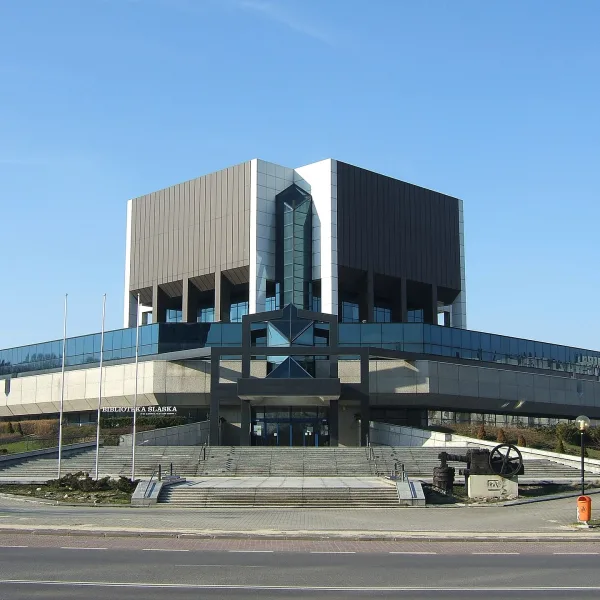
Contemporary art is shown by the BWA Gallery from 1949 and the Parnas Gallery from 1993, while stage designs and puppets are on view at the Ateneum Gallery in a tenement on 3 Maja street. The city's past is told by the Katowice History Museum in a tenement from 1910, with portraits of Witkiewicz's Asymmetrical Lady, and the story of radio by the Polish Radio Museum Room. The Goldstein Palace on Plac Wolności now houses a civil registry, which is why you admire it from the street. Library collections on Upper Silesia are gathered by the Silesian Library on Plac Rady Europy.
Which Katowice stages host plays and music?
There are more stages here than the number of large buildings suggests, and a play or a concert can be planned in several districts. A full overview is on the list of theatres and opera in Katowice.
The Silesian Theatre, put up to the design of Carl Moritz on the site of the first Katowice town hall, bets on a repertoire in the Silesian dialect. The Rialto is a studio cinema operated by Silesia Film, though its hall also sees concerts, plays and meetings. In the Culture Zone the radio orchestra performs, and the Ateneum Theatre includes the “Katowice - Dzieciom” festival in its programme. In Piotrowice, meanwhile, operates Old Timers Garage, which is a theatre and a music club at once.
Which churches and monasteries in Katowice are worth a visit?
The most important is the Christ the King Cathedral on Plebiscytowa street, a Historic Monument since 2017, with a crypt, organs and a viewing terrace. Construction lasted more than a quarter of a century, and the consecration took place in 1955.
In Panewniki stands the neo-Romanesque Franciscan basilica of clinker brick, built in 1905-1908, with two towers of 48 metres each. The friary on Sokolska street is the Dominican friary, active since 2012, which is not enclosed. A full overview is on the list of churches and monasteries in Katowice, of which there are over fifty.
Where to relax in a park in Katowice?
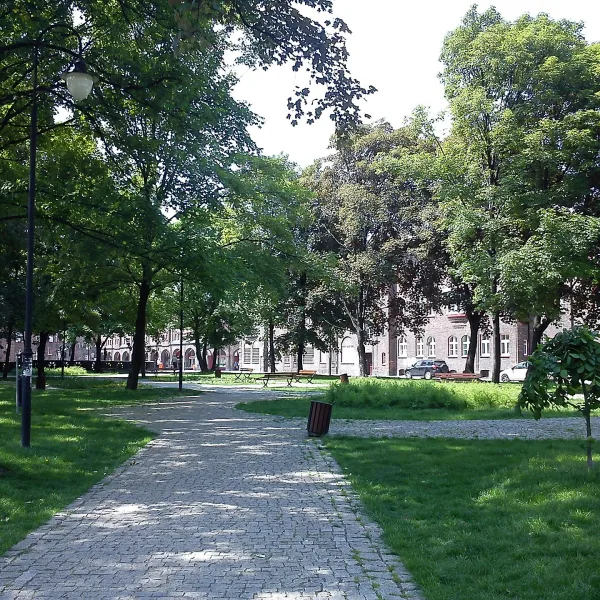
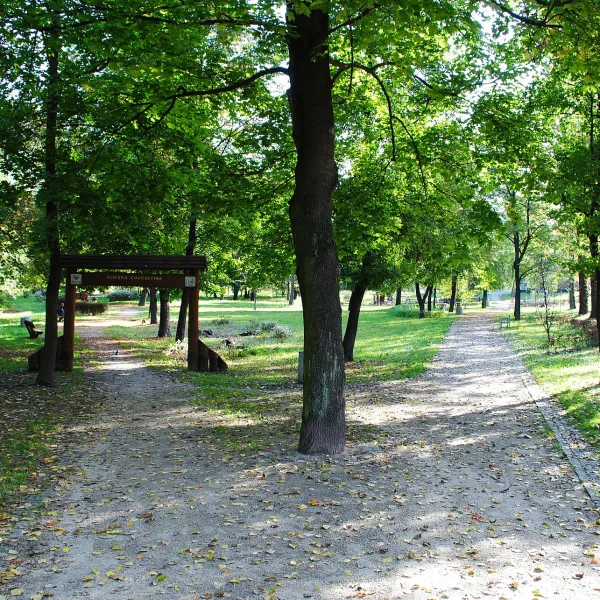
Greenery is found in many districts, and the largest park is the Katowice Forest Park with the Valley of Three Ponds, a four-kilometre roller-skating track and woods that are the remains of the old Silesian Forest. The historic Kościuszko Park in Brynów covers about 51 hectares and includes a parachute tower and a timber church dated to about 1510.
In Ligota lies Zadole Park with a skate track, an amphitheatre, courts and a brine graduation tower, and in Janów by the ponds Bolina Park with pitches, chess tables and a playground. A wider selection is under parks and nature in Katowice, and entry to the parks is free.
What to do in Katowice on a rainy day and with children?
When it rains, choose museums, galleries, theatres and indoor entertainment. There are nearly twenty-five museums in Katowice alone, and over forty places under a roof on the list of places for a rainy day in Katowice. With children it is easiest to start with Bajka Pana Kleksa, a themed play area in Zawodzie with realms inspired by the book, or with JUMPCITY, a trampoline park of 3,000 square metres.
Older children and adults will enjoy FunHouse, a museum of pinball and arcade games where you play on more than two hundred retro machines with no time limit. For an evening with a group try Quest Cage with its escape rooms in Dąb, or bowling and billiards at Gravitacja in Załęże. Plays for adults and children are staged by the independent Teatr Żelazny in a hall for 139, and part of a vintage car collection can be seen at Old Timers Garage, in the former Piast cinema.
What places of remembrance are there in Katowice?
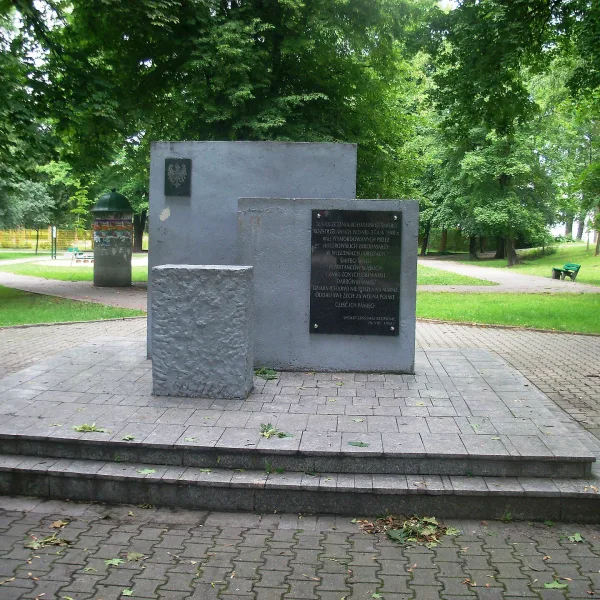
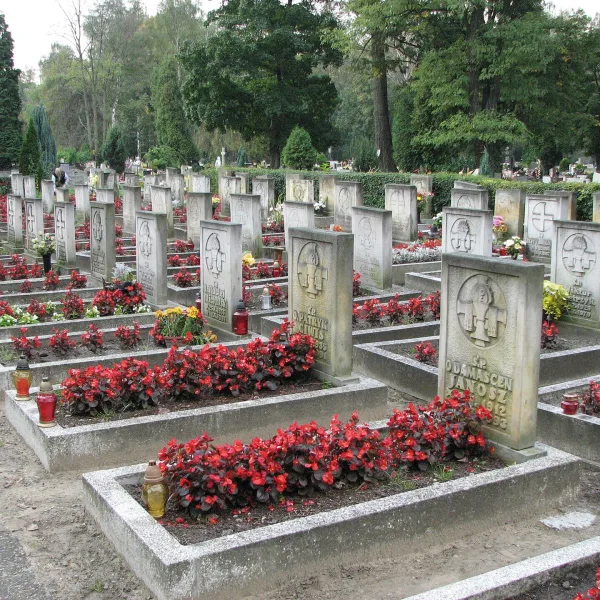
Places of remembrance in Katowice call for a quiet visit. The Monument to the Silesian Insurgents, unveiled in 1967, consists of three bronze wings, a reminder of the Silesian uprisings of 1919, 1920 and 1921. The monument stands in the Silesian Insurgents' Park on Korfantego avenue.
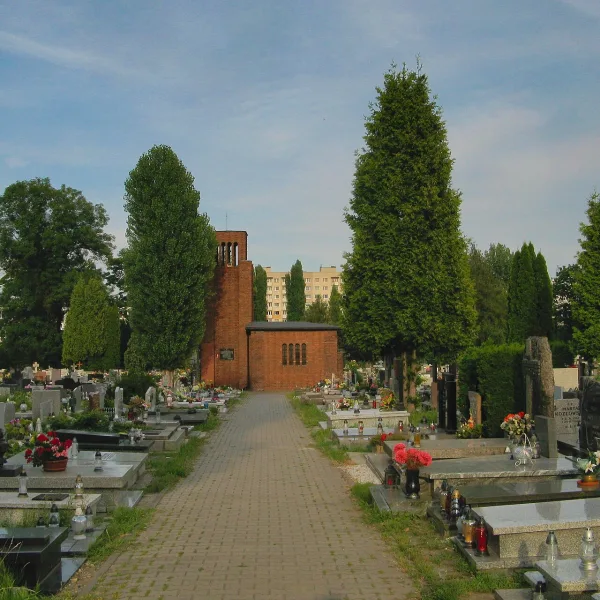
The Great Synagogue was opened in 1900, burned on 8 September 1939 and demolished. The building no longer exists, and in its place lies Plac Synagogi with a memorial. More such addresses are on the list of places of remembrance in Katowice, and cemeteries and monuments are listed separately under cemeteries and monuments.
How to plan sightseeing in Katowice by district?
It is best to pick one district and walk it. The city centre takes a whole day, Bogucice together with Koszutka, which is the Culture Zone, another half. Szopienice-Burowiec, Giszowiec and Janów-Nikiszowiec make an industrial route, and Ligota-Panewniki combines the basilica with Zadole Park and JUMPCITY.
Districts are easy to combine, because many addresses lie side by side. In Zawodzie, Bajka Pana Kleksa on Porcelanowa street and FunHouse on Bogucicka are neighbours. In Załęże an evening can begin at Teatr Żelazny on Gliwicka and end at Gravitacja. Brynów-Osiedle Zgrzebnioka holds Kościuszko Park, and Ligota-Panewniki the basilica, Zadole and JUMPCITY on Kościuszki street.
Want atmosphere? Try the category of atmospheric places in Katowice, and for history monuments in Katowice. Starting from scratch with only an hour? Look at the list of places with architecture in Katowice or at free sights in Katowice. For solitary walks, places to visit on your own will come in handy.
Frequently asked questions
What to see in Katowice in one day?
Begin in the centre: the Market Square, the Silesian Theatre, Hotel Monopol and the cathedral. In the afternoon move on to the Culture Zone, where the Silesian Museum, the radio orchestra's hall and Spodek stand. It is a route along neighbouring addresses, so you can walk it without a car.
What to see in Katowice when it rains?
Choose museums, galleries or theatres. The Rolling Mill in Szopienice and the Silesian Museum are places under a roof, and with children Bajka Pana Kleksa and FunHouse fit well.
Can you sightsee in Katowice for free?
Yes, the parks are open to everyone, and the category of free places lists nearly eighty. Check the admission terms of museums on the individual listing.
Where to see industrial heritage in Katowice?
In Nikiszowiec, Giszowiec and Szopienice. Nikiszowiec is a red-brick estate from 1908-1919, and in Szopienice a museum works in a former zinc rolling mill.
Which districts of Katowice have the most places to visit?
The city centre leads decisively with over eighty places. Behind it come Szopienice-Burowiec and Ligota-Panewniki, with nearly twenty each, and then Giszowiec and Załęże.
Which sites in Katowice cannot be entered?
You cannot see the interiors of the .KTW offices or the Goldstein Palace, which is now an office. The water tower in Szopienice is out of use, and the Great Synagogue no longer exists.

 Churches and monasteries